
Does Car Tint Really Keep Your Car Cool?

Share this article

Discover the cool science behind window tinting and how it effectively beats the heat in your car. This post explores how high-quality window films can reject up to 80% of solar heat, potentially keeping your car's interior up to 20 degrees cooler. Learn about the composition of window tints, their interaction with light, and the surprising health and safety benefits of a cooler car interior. Find out how Extreme Clean's range of Geo Shield tints - from affordable dyed options to premium ceramic films - can help you stay cool and protected on the road.

Does Car Tint Really Keep Your Car Cool?

We’ve all been there, getting into a car that’s been sitting in the sun and feeling that burning heat. But did you know tint can reduce the heat inside your car? At Extreme Clean we’re not just about making your car look cool we’re about keeping it cool too with our Ceramic and Carbon window tints. Let’s get into the science behind how tint helps beat the heat.

Tint’s Heat Busting Power

First off: does tint really reduce heat? The answer is YES! Here’s how it works:


  1. Sunray Blockage: Window tinting acts as a barrier between the sun and your car’s interior. It blocks sunrays which in turn lowers the overall temperature of the vehicle.
  2. Heat Rejection: Good quality window films can reject up to 80% of incoming solar heat. So your car stays cooler even on the hottest of days.
  3. UV Ray Protection: Window tints don’t just block heat they also protect you and your car’s interior from UV rays.
White Mercedes G-Class SUV in a bright showroom, angled front view with black trim and custom wheels

The Science Behind the Cool

Window tint’s heat reducing magic comes down to its composition and how it interacts with light:


  1. Film Composition: Most automotive window tints are made of polyester. At Extreme Clean we use Geo Shield’s advanced films that have carbon or ceramic particles for better heat rejection.
  2. Light Interaction: It works by absorbing, reflecting and transmitting light in specific ways:
  • VLT% (Visible Light Transmission): This is how much visible light passes through the tint.
  • VLA% (Visible Light Absorption): This is how much light is absorbed by the tint.
  • VLR% (Visible Light Reflection): This is how much light is reflected back from the surface.
  1. Infrared Rejection: Advanced tints like our ceramic options can reject nearly 100% of infrared rays - the main source of heat from the sun.

The Cool Numbers: How Well Does Tint Work?

Scientific studies have proven it can make a big difference:


  • A study by M.A. Jasni and F.M. Nasir found tinted windows can reduce interior air temperature by up to 8 degrees Celsius (14.4°F).
  • Our top of the line tints can keep your car’s interior up to 20 degrees cooler than untinted windows.

Why Keeping Your Car Cool Matters

Reducing heat in your car isn’t just about comfort it’s about health and safety too:


  1. Health Protection: Excessive heat can cause dehydration and heat stroke. By keeping your car cool it helps protect you and your passengers.
  2. Interior Preservation: Heat and UV rays can cause your car’s interior to fade, crack and deteriorate over time. It helps preserve your vehicle’s interior and maintain its value.
  3. Reduced Toxic Emissions: Did you know heated plastic can release harmful toxins like Benzene? By keeping your car cool window tint helps reduce the release of these nasty compounds.

Which Tint is the Coolest

At Extreme Clean we have three types of Geo Shield tints each with its own heat reducing superpowers:


  1. Dyed Tint: Our most affordable option, good heat reduction and looks sleek.
  2. Carbon Tint: Better heat rejection and matte finish.
  3. Ceramic Tint: The ultimate in heat reduction, blocks up to 99% of UV rays and best infrared rejection.


When choosing your tint look for a low Solar Heat Gain Coefficient (SHGC) for maximum heat reduction.

The Cool End

Window tinting is more than just a style upgrade it’s a practical solution to keep your car cool, comfortable and protected. Now that you know the science behind window tint you can make an informed decision for your vehicle.


Ready to beat the heat and protect your ride? Contact Extreme Clean today for a free quote on our GeoShield window tints. Stay cool, Little Rock!

Recent Posts

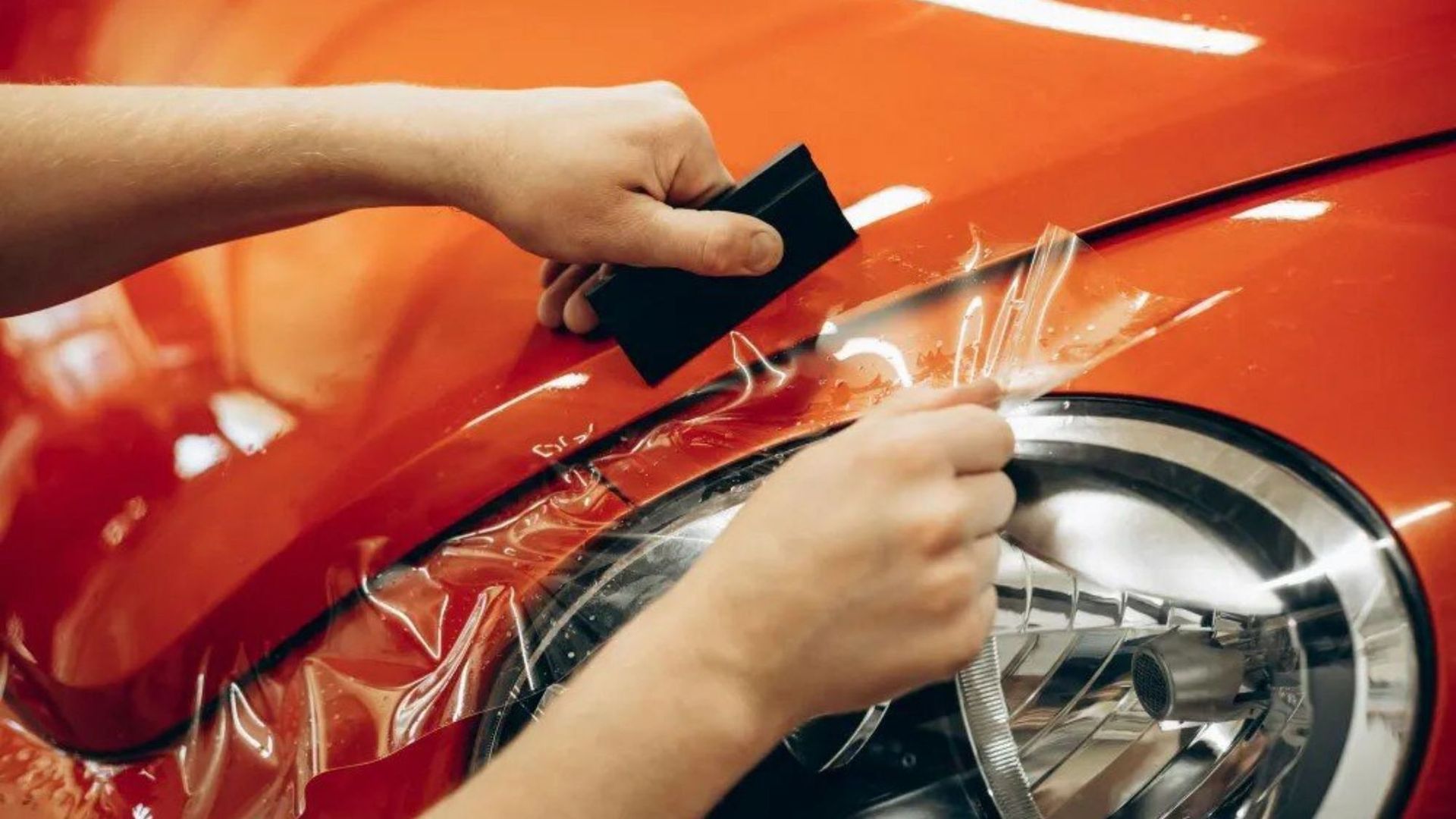
Hands applying clear film to a red car’s fender near the headlight.
October 23, 2026
Paintless dent repair can be performed without removing paint protection film in many situations, provided the technician can access the underside of the panel and the film has not stretched, torn, or lifted. For vehicle owners maintaining paint protection film in Little Rock, pairing non-invasive dent repair techniques with durable clear bra protection allows you to preserve original factory finishes and avoid the expense of re-wrapping body panels. Vehicle owners invest in thermoplastic polyurethane film primarily to block rock chips, scratches, and highway debris. While paint protection film (PPF) absorbs blunt surface energy, it cannot prevent deep sheet-metal depressions caused by runaway shopping carts, heavy hail strikes, or stray car doors. When an impact leaves a noticeable dent behind an intact layer of film, owners naturally wonder if the costly film must be peeled off and discarded before the metal can be manipulated back into position. Understanding the mechanics of paintless dent repair, how specialized tools interact with polyurethane, and when glue pulling versus backside pushing is safe helps drivers protect both their paint and their protective film investment.
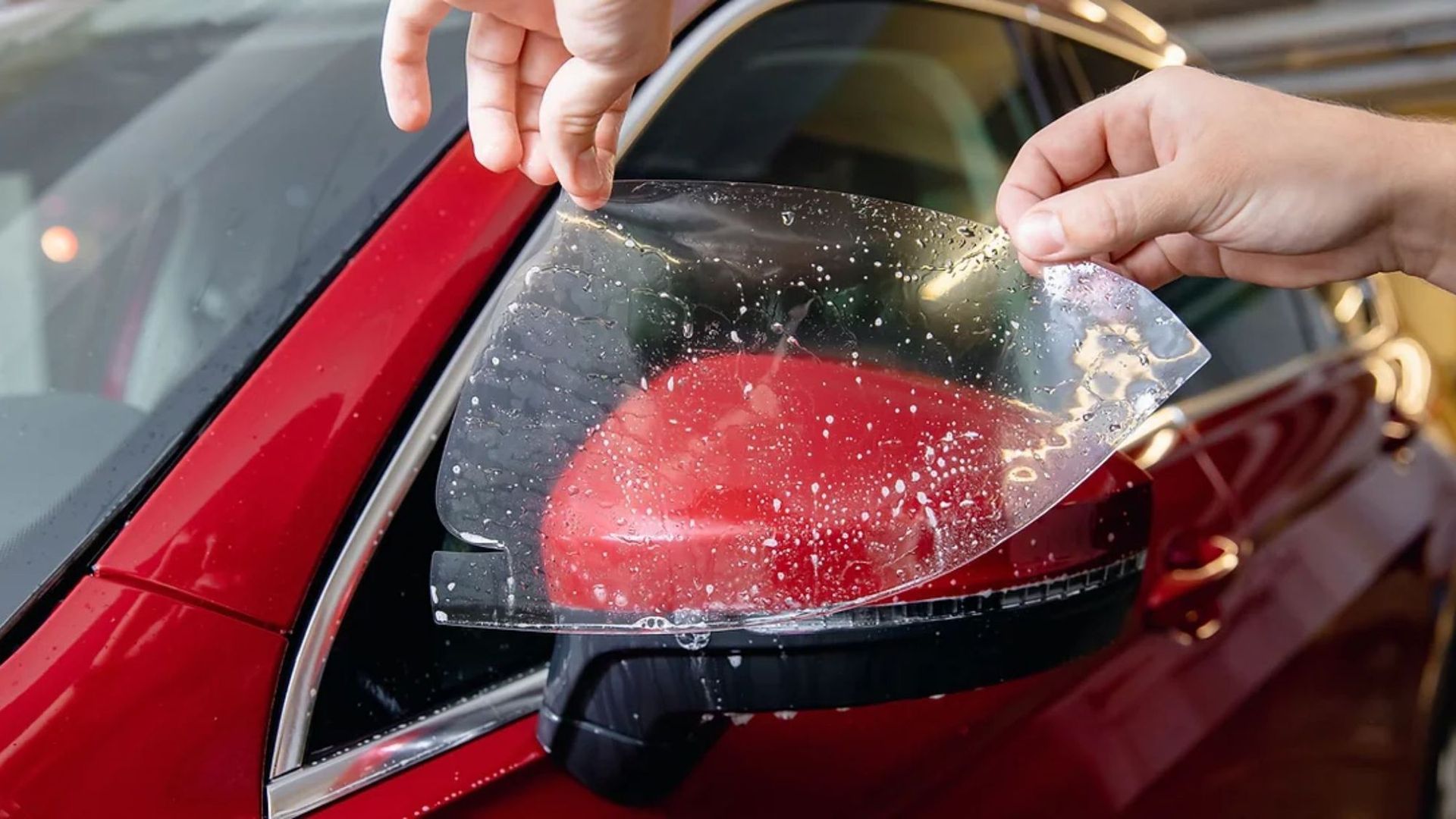
Hands peeling clear protective film from a red car headlight close-up
October 23, 2026
High-quality paint protection film does not interfere with parking sensors or vehicle cameras when installed correctly using precision techniques. For vehicle owners considering paint protection film in Little Rock, clear thermoplastic polyurethane film provides durable impact resistance for modern vehicles without disrupting sensitive advanced driver assistance systems (ADAS). Modern vehicles rely on an array of ultrasonic sensors, radar units, and high-definition cameras embedded into bumpers, grilles, and exterior mirrors. Because these safety systems safeguard lane-keeping, automated emergency braking, and parking assistance, car owners naturally worry that covering bumper panels with protective film might cause false alarms or distort camera feeds. Understanding the physics of automotive sensors, the optical properties of premium film, and the installation methods used around technical hardware ensures your vehicle remains fully protected without compromising a single driver-assist feature.
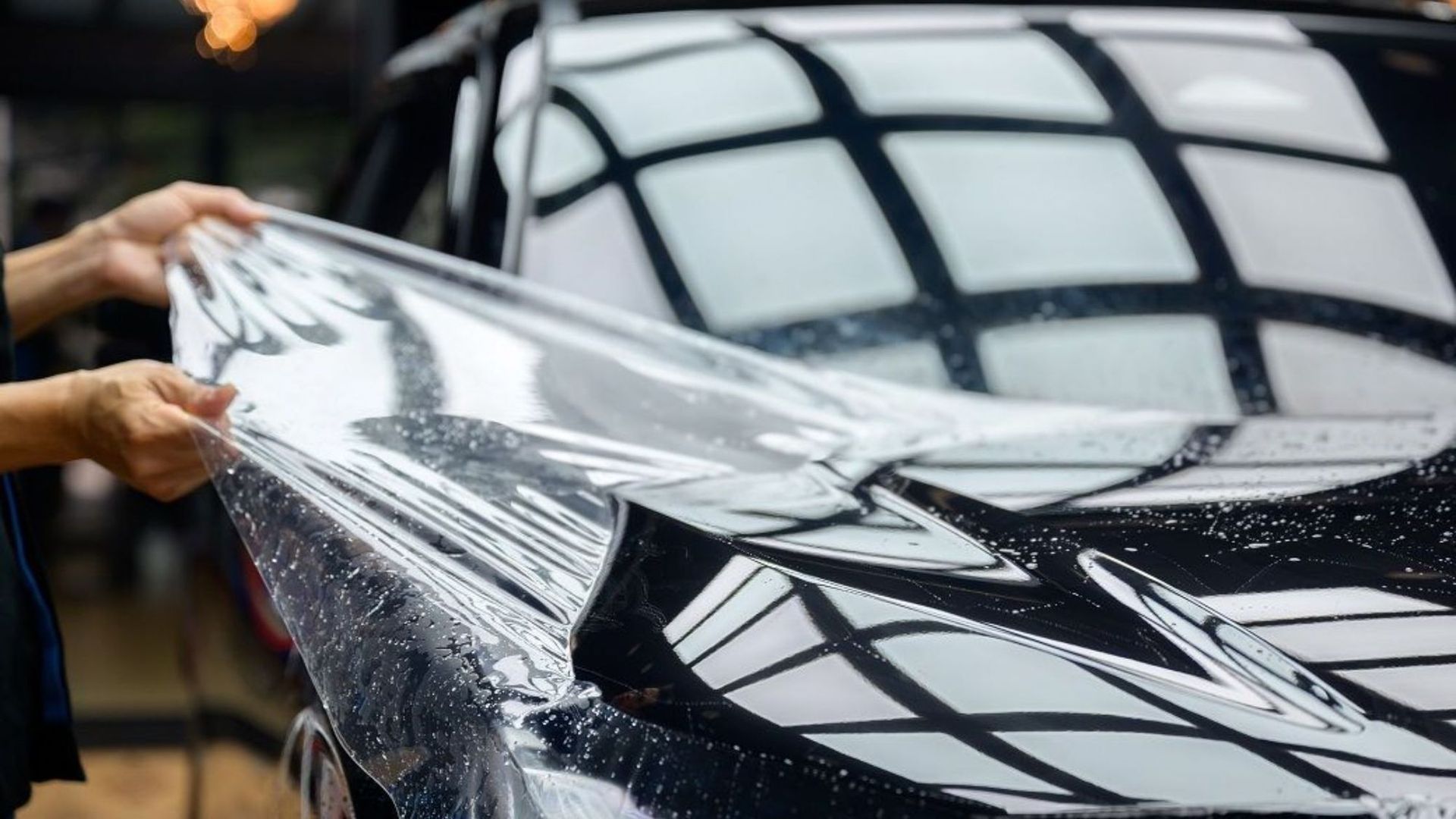
Hands stretching clear protective film over a glossy black car hood in a garage
October 23, 2026
Yes, ceramic coating can be applied directly over paint protection film to create the ultimate defense system for your vehicle exterior. For car owners investing in high-quality paint protection film in Little Rock, pairing clear urethane film with an advanced ceramic topcoat delivers physical impact resistance alongside extreme hydrophobic slickness. Paint protection film (PPF) excels at absorbing physical damage from gravel, highway debris, and minor scratches. However, standard polyurethane film has microscopic pores that can hold dirt, water spots, and road grime over time. Applying a specialized liquid ceramic coating over PPF seals these micro-pores, creating a glass-like barrier that repels water, prevents chemical etching, and keeps the film looking showroom-new. Understanding how these two technologies interact ensures you get maximum durability, effortless maintenance, and long-lasting optical clarity without compromising the self-healing abilities of your film.
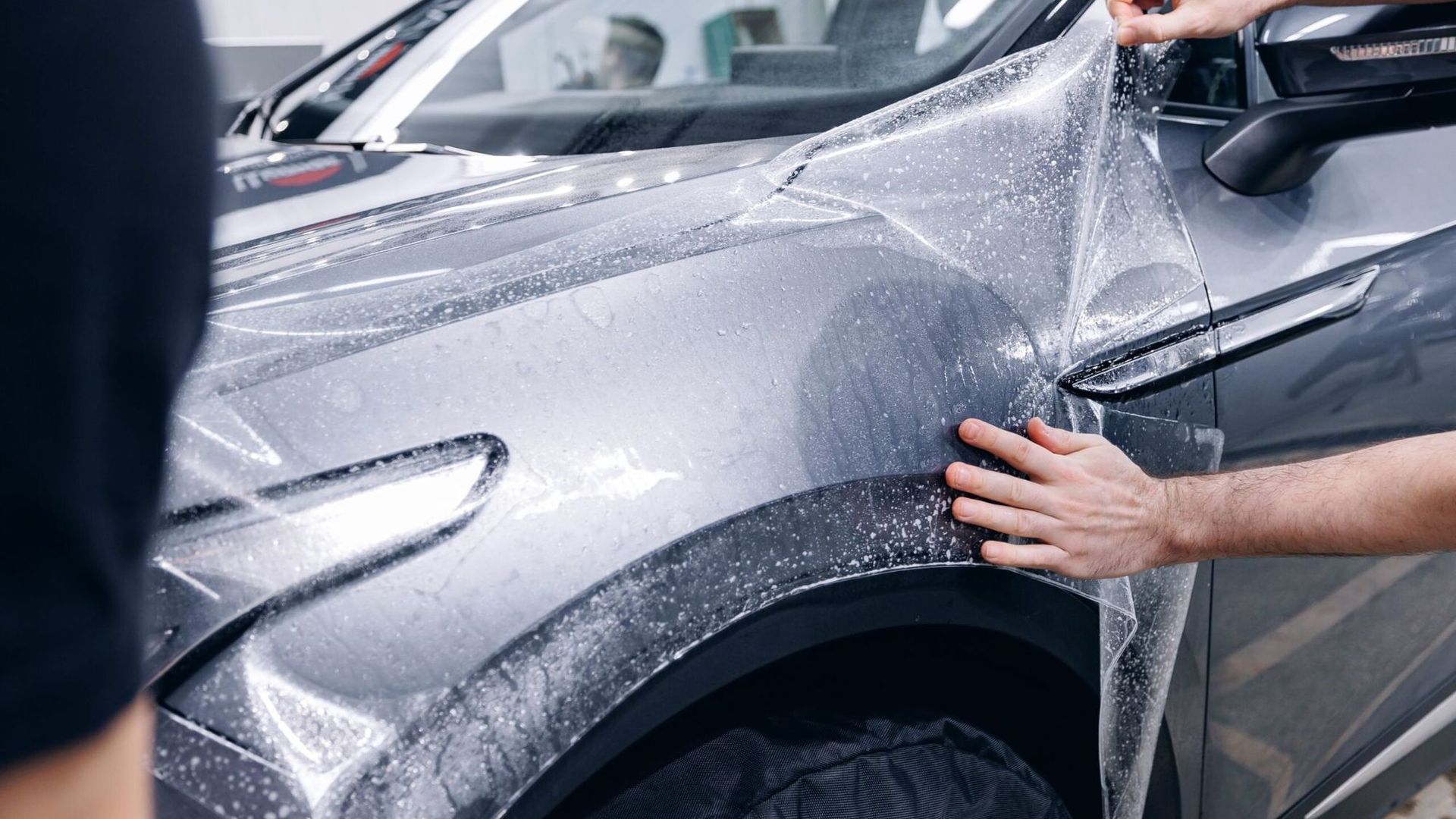
Hand inspecting a gray car’s front fender for dents or scratches
October 23, 2026
Yes, damaged paint protection film can be replaced on just one vehicle panel without having to re-wrap your entire vehicle. For vehicle owners maintaining high-quality paint protection film in Little Rock, a single-panel replacement offers an efficient way to fix localized damage while keeping the rest of your protective clear bra intact. Paint protection film (PPF) is designed in modular sections. Each body panel, such as a fender, door, hood, or bumper, receives its own custom-cut piece of film. If one panel absorbs road debris, a sharp scratch, or impact from an accident, an installer can safely peel away the compromised section and install a fresh sheet directly over the factory clear coat. Understanding how partial PPF replacement works can save you substantial time and money while preserving the appearance and resale value of your vehicle.
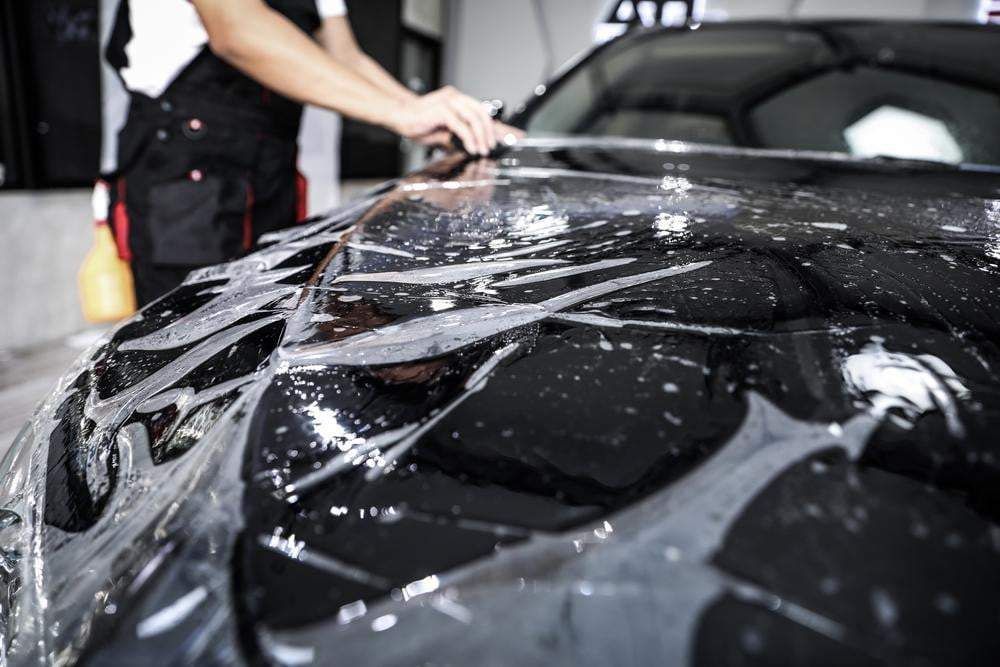
Person cleaning a black car hood with soap and water in a car wash
October 23, 2026
Explore clear, matte, and colored paint protection film options. Learn how each finish impacts your vehicle's appearance and protection. Read our guide.
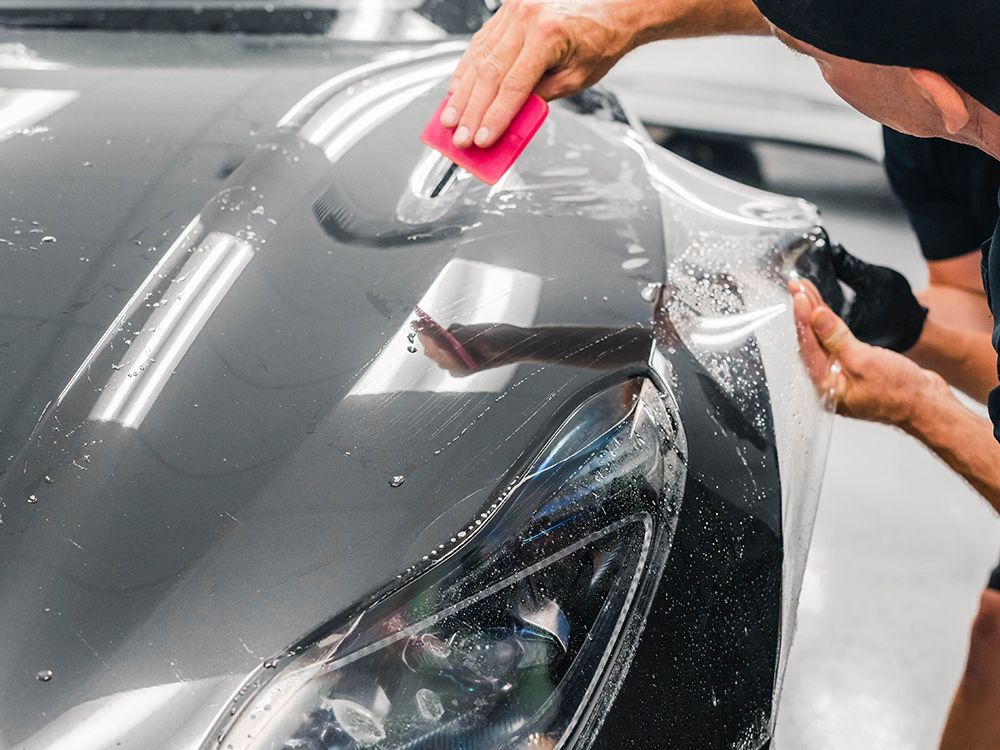
Person washing a gray car hood with a sponge and spray bottle in a car wash
October 23, 2026
Paint Protection Film Maintenance: Learn safe washing techniques, contaminant tips, and product rules to protect your investment. Learn more.
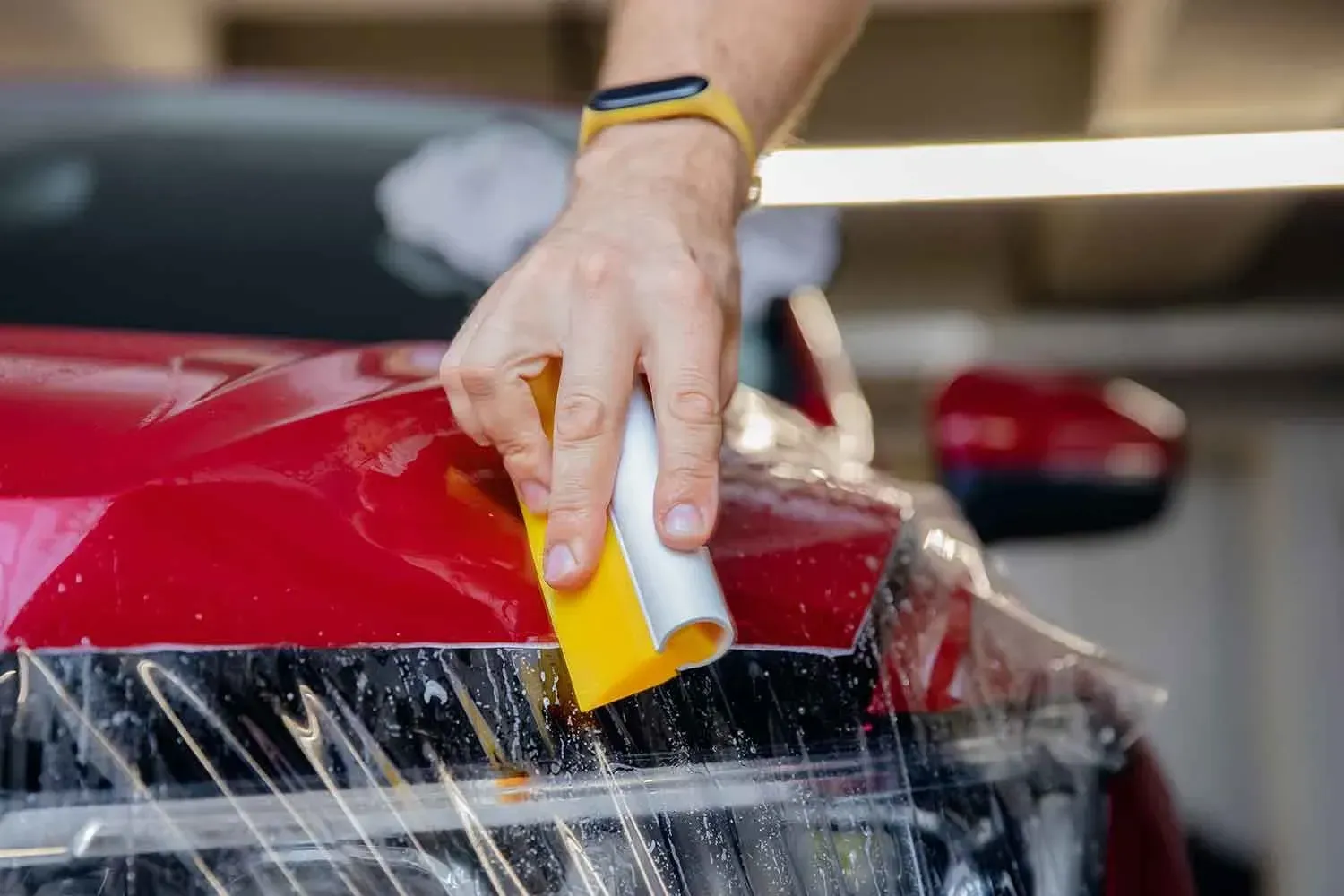
Hand washing a red car with a yellow sponge, water streaming over the hood
October 23, 2026
Is paint protection film worth it for daily drivers in Little Rock? Learn the costs, benefits, and road hazard protection. Read our guide today.
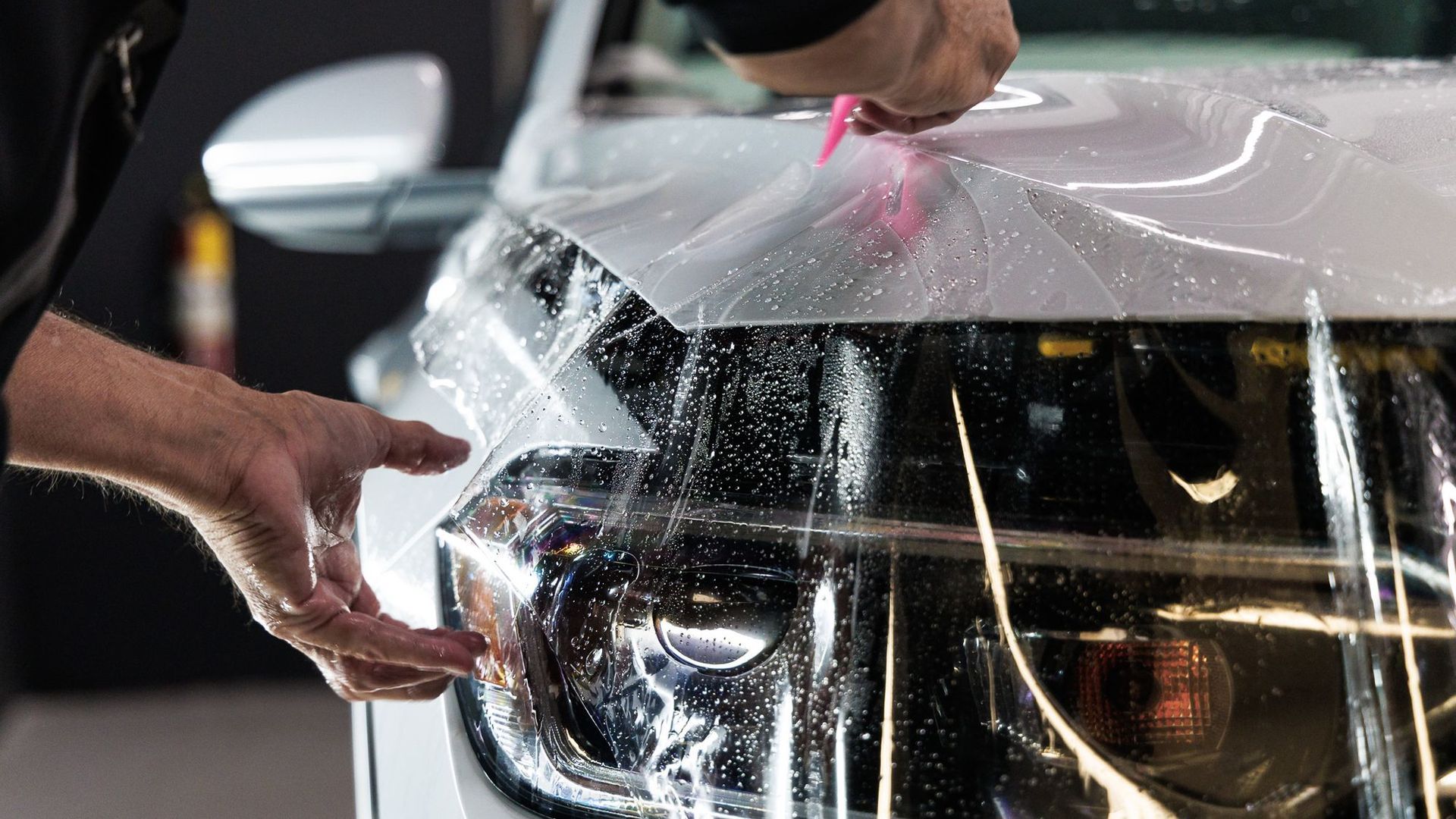
Hands applying a clear protective film to a car headlight in a workshop
October 23, 2026
Paint Protection Film: Learn how PPF and self-healing technology safeguard your vehicle's exterior from road hazards. Discover how it protects your car.
Rose gold sports coupe parked in a driveway beside a white garage, front-left view.
October 23, 2026
Window Tint Warranties: Understand what coverage to expect, including material failures & labor. Learn about manufacturer vs. shop warranties & climate impact.
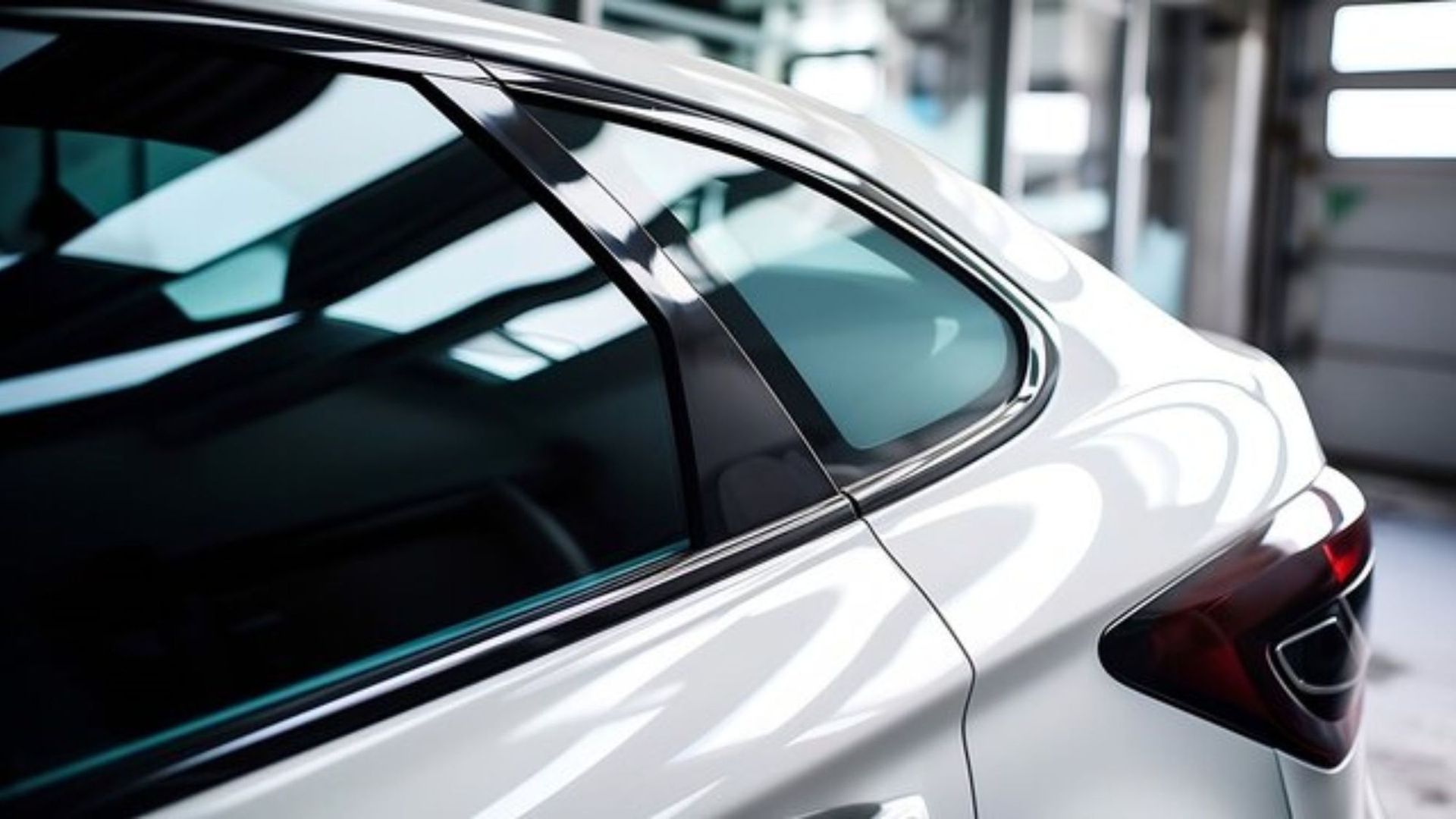
Close-up of a white sports car’s rear side window and taillight in a showroom
October 23, 2026
Protect your car's glass with professional window tint. Learn how Extreme Clean Auto Studio in Little Rock safeguards against UV rays and damage.
SHOW MORE