How Does Window Tinting Help Preserve Vehicle Resale Value?

Share this article

Resale Value

Vehicle Specific Applications

Common Tint Failure Primary Cause Visual Symptom Professional Prevention Method
Pollen & Dust Specks Dirty workspace or poor prep Small white bumps under film Installing in a sealed, wet-down indoor bay
Hazy or Distorted View Overheating during shrinking Wavy, milky, or blurry areas Using digital temperature-controlled heat guns
Edge Peeling & Lifting Overlapping window gaskets Film curling at the bottom edges Micro-edging and precise gasket clearance
Purple Discoloration Cheap organic dyed materials Strange purple or blue hue Using advanced inorganic ceramic or carbon films
Scratched Glass Surfaces Carbon steel razor blades Deep, permanent surface scratches Using soft brass or specialty stainless steel blades

Lifetime Durability

How Does Arkansas Climate Influence the Best Tint for Your Car?

Once the glass is surgically clean, a professional technician will custom-cut premium ceramic or carbon film. Choosing a professional window tint service ensures that you avoid the hazards of DIY attempts and get a clean, warranted install. They will apply it using a precise balance of slip solution, heat-shrinking, and moisture extraction to ensure a flawless, bubble-free bond.

Deciding to sell your car in Pulaski County often means looking for ways to maximize its resale value. While mechanical checks and detailed cleanings are standard, many vehicle owners overlook the compounding benefits of professional window tinting in little rock as a key strategy to preserve their car's worth. High-quality automotive window film serves as an invisible shield that protects your vehicle from environmental wear, interior fading, and structural degradation. By exploring how premium window tinting keeps your vehicle looking pristine and functioning efficiently, you can secure a significantly higher return on your investment when it comes time to trade in or sell.


Modern window films do much more than simply darken your automotive glass. Premium installations utilize advanced material science to block solar energy, filter out harmful ultraviolet radiation, and enhance your vehicle's overall security. Understanding the direct financial benefits of this upgrade helps you make a smart choice for your vehicle's long-term value.

Does Window Tinting Increase the Resale Value of a Car?

Yes, professionally installed window tinting preserves the financial value of your vehicle by protecting key cabin materials from deteriorating and enhancing the car's overall market appeal. While it does not show up as a direct line item on standard appraisal valuation sheets, it prevents the severe cosmetic depreciation that can slash thousands of dollars off a car's resale value.


When used-car buyers inspect a pre-owned sedan or SUV in the local area, they look closely for signs of neglect. A vehicle with faded upholstery, a cracked dashboard, or sticky leather seats instantly loses its appeal. These visual flaws tell a story of poor maintenance and long-term sun exposure.


Automotive window film acts as a critical line of defense for maintaining car resale value. By acting as a barrier against solar heat, it keeps the physical surfaces of your car from drying out and cracking. A car that looks clean, smells fresh, and shows minimal interior wear is highly desirable in the competitive pre-owned marketplace.


Furthermore, buyers associate premium window film with attentive ownership. When you invest in protecting your vehicle, it signals that you have likely kept up with oil changes, tire rotations, and other vital maintenance needs. This positive perception translates directly into a faster sale and a higher closing price.

Why Window Tinting Is a Smart Investment for Little Rock Drivers

Investing in window tinting in little rock offers far more than just sleek aesthetics or immediate heat relief on a scorching summer afternoon along Interstate 630. It represents a proactive financial decision that targets the specific climate hazards of the Central Arkansas region. The high solar index and heavy humidity in Pulaski County can quickly degrade even the highest-quality automotive cabins.


During the peak summer months, vehicles parked near the River Market District or along busy commercial corridors in West Little Rock can experience interior temperatures exceeding 140 degrees Fahrenheit. This intense thermal stress accelerates the breakdown of adhesives, plastics, and sensitive electronics.


A high-performance ceramic film acts as a thermal barrier, rejecting up to 99% of infrared heat waves. This dramatically reduces the workload on your vehicle's air conditioning compressor, saving wear and tear on the engine. By keeping the mechanical components of your climate control system from working overtime, you help protect the overall reliability of your vehicle.


Additionally, local buyers actively seek out vehicles that are already prepared for the harsh Southern climate. Buying a pre-owned car that already features professional glass protection saves the new owner the time, effort, and expense of scheduling an installation. This convenience factor makes your listing stand out among dozens of comparable vehicles on the local market.

Preventing Thermal Stress in Electronic Systems

Modern vehicles are packed with sensitive touchscreens, digital instrument clusters, and complex dashboard wiring. Excessive heat can cause these electronic components to malfunction, leading to costly repair bills that eat into your eventual selling price. Using high-performance window film keeps your cabin temperature stabilized, protecting these modern systems from early failure.

How Does Solar Radiation Damage Your Car's Cabin Over Time?

Solar radiation causes irreversible cosmetic and structural damage to your vehicle's interior by breaking down the chemical bonds in leather, vinyl, fabrics, and plastics. This constant exposure leads to severe discoloration, drying, cracking, and a general loss of material elasticity.


The ultraviolet rays emitted by the sun are the single greatest enemy of your car's upholstery. Over time, UV exposure bleaches fabrics, turning deep blacks into dull grays and rich tan leathers into dry, cracked surfaces. This uneven fading instantly ages the vehicle, signaling to potential buyers that the car has spent its life baking under the open sky.


By installing a high-grade UV-blocking window film, you block up to 99.9% of these destructive rays. This keeps your dashboard, door panels, and seats looking exactly like they did when the vehicle rolled off the dealership lot. It is a highly effective way of protecting vehicle interiors from the inevitable aging process caused by sun exposure.


In addition to preventing cosmetic wear, glass tinting protects your safety features. Modern steering wheels contain airbag modules hidden behind thin plastic covers that can become brittle when exposed to extreme heat. Maintaining the flexibility of these materials ensures your vehicle's safety systems remain functional and ready to protect passengers.

Preserving Fine Leather and Premium Fabrics

Whether your car features plush leather seats or durable cloth upholstery, protecting these surfaces is vital. Leather requires expensive conditioning treatments to recover once it has dried out and cracked under the sun. High-quality window film keeps these materials cool and hydrated, minimizing the need for intensive cosmetic restoration.

How Do Clean Visuals and Heat Rejection Influence Used Car Buyers?

Clean visuals and effective heat rejection influence used car buyers by creating an immediate perception of luxury, comfort, and premium maintenance. When a buyer sits in a cool, shaded cabin that looks fresh and smells clean, they are far more likely to make an offer.


First impressions are everything when listing a vehicle for sale on the pre-owned market. A car equipped with premium window film immediately stands out because of its sleek, uniform, and executive appearance. This visual enhancement highlights the body lines of the vehicle, making it look modern and highly desirable.


Our outstanding customer testimonials highlight our local reputation, backed by 353 Google reviews and a perfect 5-star rating as of today, showing how premium films protect vehicle surfaces over years of service. This track record proves that vehicle owners who invest in professional care enjoy lasting durability and aesthetic appeal.


When potential buyers test drive your car along the streets of Hillcrest or the Heights, they will instantly notice the driving comfort. The absence of blinding glare and the cool cabin temperature create a pleasant, high-end experience. This sensory comfort often justifies a premium asking price in the mind of a buyer, leading to a smooth, successful sale.

What Types of Window Film Best Protect Your Automotive Investment?

The best type of window film for protecting your automotive investment is a multi-layer nano-ceramic film. Unlike standard dyed films that only darken the glass, ceramic films block infrared heat and ultraviolet rays while maintaining perfect optical clarity and structural durability.


When shopping for glass protection, you will encounter various material options on the market. Dyed films are the most affordable, but they rely entirely on dark pigment to absorb heat, which eventually causes them to fade to an unattractive purple tone. Carbon and ceramic films use advanced materials to block solar energy without altering the natural color stability of the glass.


Investing in ceramic technology ensures your vehicle remains highly marketable for years to come. These films do not interfere with cellular signals, GPS navigation, or radio frequencies, which is a major selling point for modern, connected vehicles. They provide long-term protection without any of the functional drawbacks associated with cheaper alternatives.


The table below compares how different film technologies perform in preserving your vehicle's long-term value:

VLT Percentage Privacy Level Glare Reduction Night Visibility Heat Rejection (Ceramic)
70% VLT Minimal Low Perfect Excellent
50% VLT Moderate Medium Excellent Superior
35% VLT Good High Very Good Maximum
20% VLT Excellent Very High Moderate Maximum
5% VLT Maximum Maximum Low Maximum

Does Illegal Window Tinting Hurt Your Car's Marketability?

Yes, illegal window tinting severely hurts your car's marketability by forcing potential buyers to assume the cost and risk of removing the non-compliant film. Most pre-owned vehicle buyers will avoid purchasing a car that does not comply with state motor vehicle safety standards to prevent traffic tickets.


Arkansas law strictly regulates how dark your vehicle's glass can be to ensure adequate nighttime visibility for drivers and safety for law enforcement officers during traffic stops. For passenger sedans, front and back side windows must allow more than 25% of light to pass through. If your car has a film that is darker than the legal limit, it cannot pass annual vehicle inspections in many areas.


If a buyer has to pay a shop to strip illegal film off the glass, they will likely deduct that cost from their offer or walk away from the deal entirely. Keeping your film choices within the legal boundaries of Pulaski County ensures a seamless ownership transition. It keeps your vehicle legal, safe, and attractive to the widest possible audience of local buyers.


Additionally, highly reflective or mirrored films are prohibited under state law because they blind other drivers on local highways. Opting for a clean, non-reflective charcoal or black finish provides a timeless, sophisticated aesthetic that appeals to mainstream buyers. This approach enhances the visual flow of the vehicle without inviting unwanted attention from local authorities

What Care Steps Ensure Your Window Tint Maintains Its Quality?

To ensure your window tint maintains its quality, you must follow strict post-installation curing protocols and use ammonia-free cleaning products. Proper maintenance prevents scratches, bubbles, and peeling edges, keeping the protective film looking flawless and preserving its functional benefits for years.


Immediately after your window film is installed, the adhesive layers require time to cure completely. During this period, which typically lasts from three to five days depending on local humidity levels, you must avoid rolling down your windows or cleaning the glass. Allowing the film to dry thoroughly ensures a permanent, bubble-free bond with the glass.


If you want to receive custom guidance or see physical samples of our high-quality ceramic films, you can contact us to discuss your vehicle's specific protection needs. Our specialists can help you establish a simple, effective maintenance routine that maximizes the lifespan of your glass protection.


When cleaning your tinted windows, always use a soft microfiber towel and a specialized glass cleaner that is free of ammonia. Ammonia can chemically break down the scratch-resistant coatings and adhesive layers of the film, causing it to haze or peel over time. Taking these simple steps keeps your windows looking professional, clear, and ready to impress any prospective buyer.

FAQs About Window Tinting and Vehicle Resale Value

Can buyers easily remove window tint if they do not want it?

Yes, professional window film can be removed cleanly by a technician using specialized steam equipment and adhesive removers. This process does not damage the underlying glass or the delicate defroster lines on the rear windshield. Knowing that the modification is fully reversible gives hesitant pre-owned buyers peace of mind.

What is the best VLT percentage to attract used car buyers in Arkansas?

A 35% Visible Light Transmission (VLT) film is the ideal percentage to attract buyers because it offers an excellent balance of privacy, heat rejection, and legal compliance. This medium shade provides a sophisticated look while maintaining perfect nighttime visibility, which satisfies the vast majority of daily commuters.

Does a faded or purple window tint lower my car's trade-in value?

Yes, a faded or purple window tint will lower your car's trade-in value because dealerships and private buyers view it as a cosmetic defect that must be repaired. Purple film is a sign of cheap materials that have suffered solar degradation, making the vehicle look neglected and poorly maintained.

How long does premium ceramic window tint last on a car parked outside?

A premium nano-ceramic window film can last for the entire lifetime of your vehicle when properly cared for, even if the car is parked outside in West Little Rock. High-end films are engineered with advanced UV-stable dyes and inorganic ceramic particles that will not peel, bubble, or change color over time.

Can window film prevent glass from shattering during an accident or break-in?

Yes, window film holds shattered glass together in a single sheet if the window breaks during a collision or an attempted theft. This added layer of safety protects occupants from flying glass shards and deters potential thieves from entering your vehicle, which is a compelling safety feature to highlight in your sales listing.

Securing Your Vehicle Investment for the Long Run

Protecting your vehicle from the relentless elements is a continuous responsibility that directly impacts its financial future. While routine mechanical service preserves what is under the hood, professional glass film safeguards the physical cabin and visual allure that buyers notice first. By choosing a high-performance ceramic film, you ensure your car remains a comfortable, secure, and visually stunning asset that commands top market value.


When you are ready to elevate your daily commute and defend your car's interior from premature aging, working with an experienced local facility is essential. For flawless, durable, and legally compliant window tinting in little rock, local car owners trust the certified expertise of Extreme Clean Auto Studio to deliver pristine, bubble-free results that stand the test of time.

Recent Posts

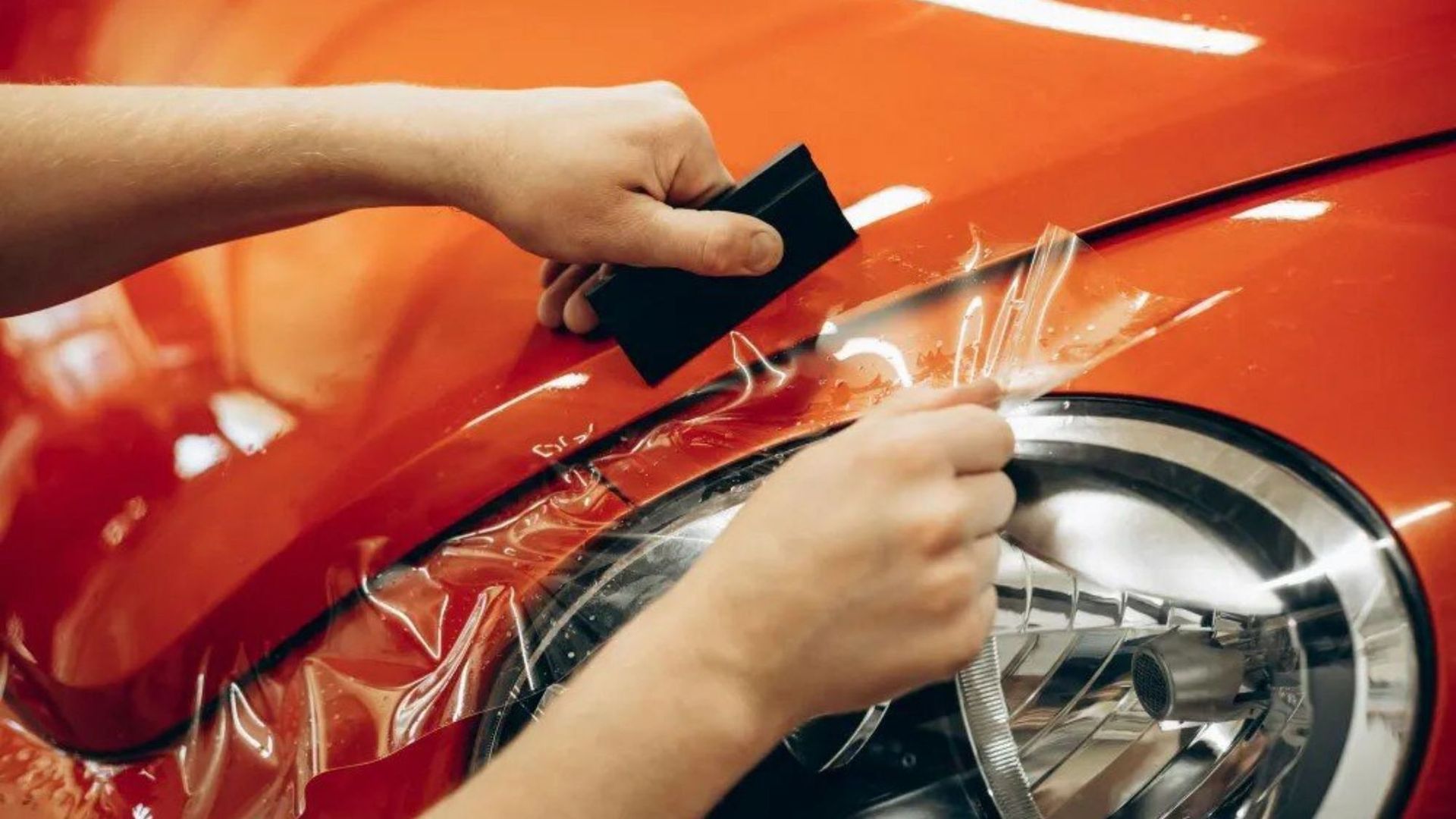
Hands applying clear film to a red car’s fender near the headlight.
October 23, 2026
Paintless dent repair can be performed without removing paint protection film in many situations, provided the technician can access the underside of the panel and the film has not stretched, torn, or lifted. For vehicle owners maintaining paint protection film in Little Rock, pairing non-invasive dent repair techniques with durable clear bra protection allows you to preserve original factory finishes and avoid the expense of re-wrapping body panels. Vehicle owners invest in thermoplastic polyurethane film primarily to block rock chips, scratches, and highway debris. While paint protection film (PPF) absorbs blunt surface energy, it cannot prevent deep sheet-metal depressions caused by runaway shopping carts, heavy hail strikes, or stray car doors. When an impact leaves a noticeable dent behind an intact layer of film, owners naturally wonder if the costly film must be peeled off and discarded before the metal can be manipulated back into position. Understanding the mechanics of paintless dent repair, how specialized tools interact with polyurethane, and when glue pulling versus backside pushing is safe helps drivers protect both their paint and their protective film investment.
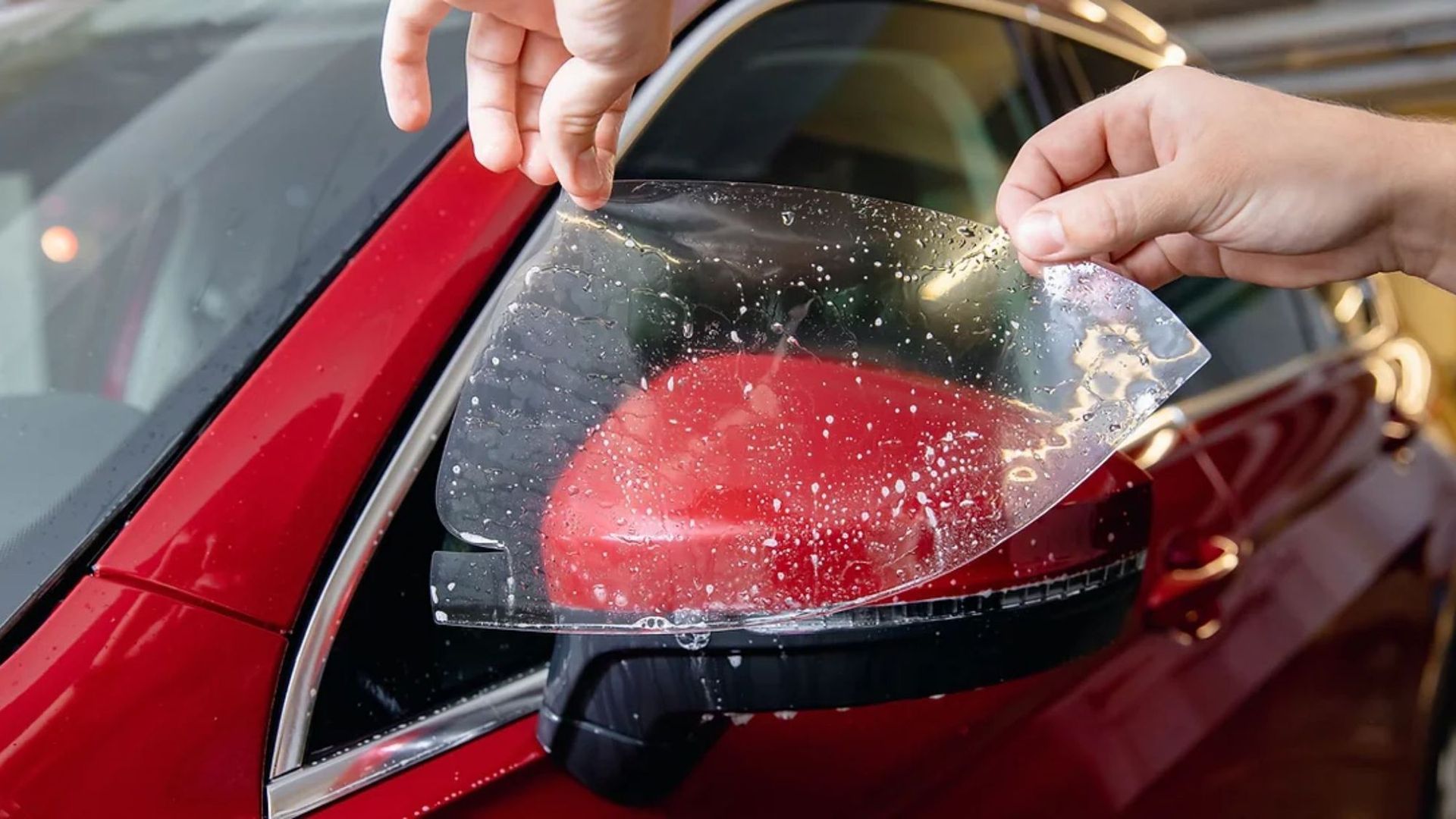
Hands peeling clear protective film from a red car headlight close-up
October 23, 2026
High-quality paint protection film does not interfere with parking sensors or vehicle cameras when installed correctly using precision techniques. For vehicle owners considering paint protection film in Little Rock, clear thermoplastic polyurethane film provides durable impact resistance for modern vehicles without disrupting sensitive advanced driver assistance systems (ADAS). Modern vehicles rely on an array of ultrasonic sensors, radar units, and high-definition cameras embedded into bumpers, grilles, and exterior mirrors. Because these safety systems safeguard lane-keeping, automated emergency braking, and parking assistance, car owners naturally worry that covering bumper panels with protective film might cause false alarms or distort camera feeds. Understanding the physics of automotive sensors, the optical properties of premium film, and the installation methods used around technical hardware ensures your vehicle remains fully protected without compromising a single driver-assist feature.
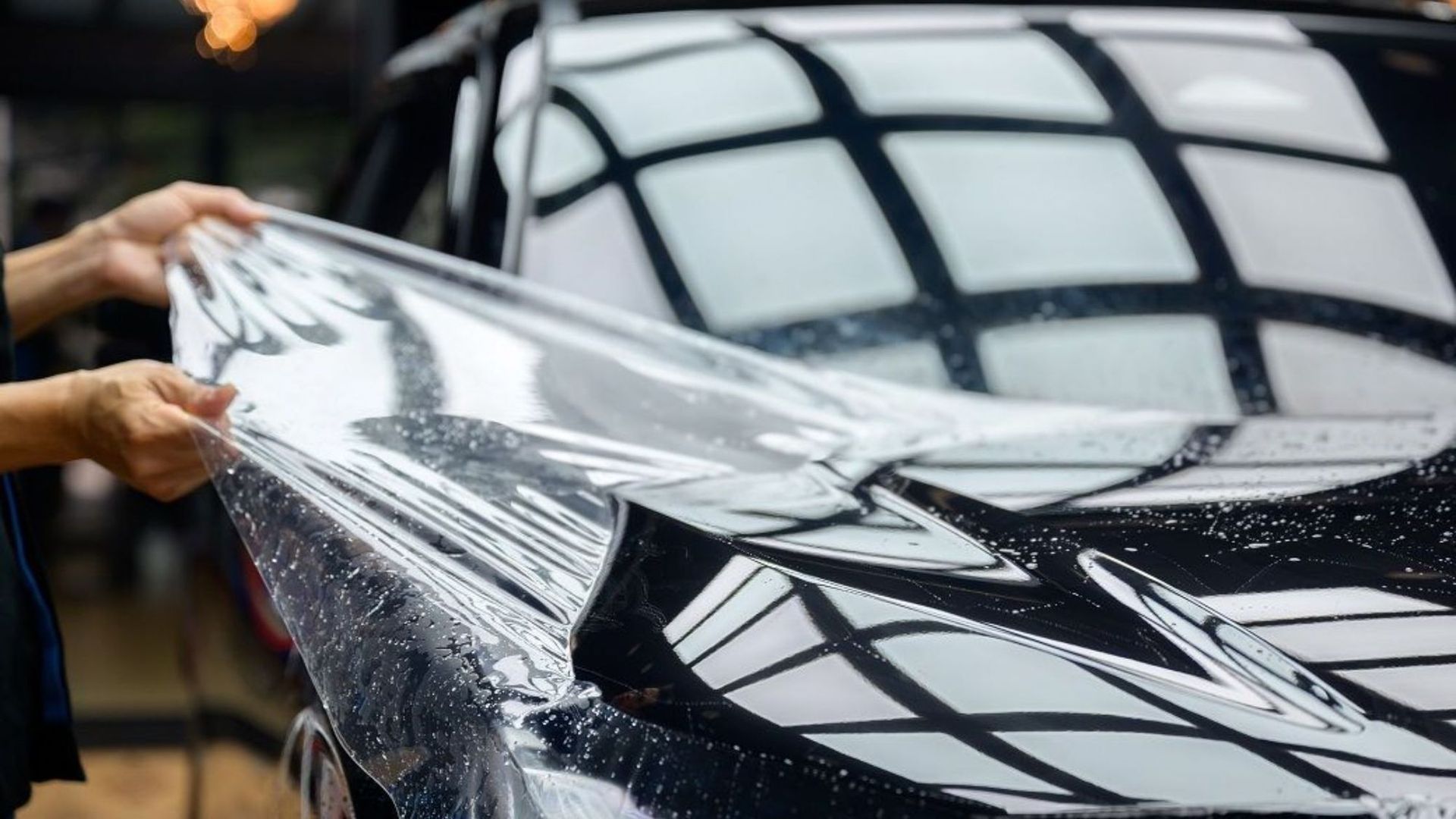
Hands stretching clear protective film over a glossy black car hood in a garage
October 23, 2026
Yes, ceramic coating can be applied directly over paint protection film to create the ultimate defense system for your vehicle exterior. For car owners investing in high-quality paint protection film in Little Rock, pairing clear urethane film with an advanced ceramic topcoat delivers physical impact resistance alongside extreme hydrophobic slickness. Paint protection film (PPF) excels at absorbing physical damage from gravel, highway debris, and minor scratches. However, standard polyurethane film has microscopic pores that can hold dirt, water spots, and road grime over time. Applying a specialized liquid ceramic coating over PPF seals these micro-pores, creating a glass-like barrier that repels water, prevents chemical etching, and keeps the film looking showroom-new. Understanding how these two technologies interact ensures you get maximum durability, effortless maintenance, and long-lasting optical clarity without compromising the self-healing abilities of your film.
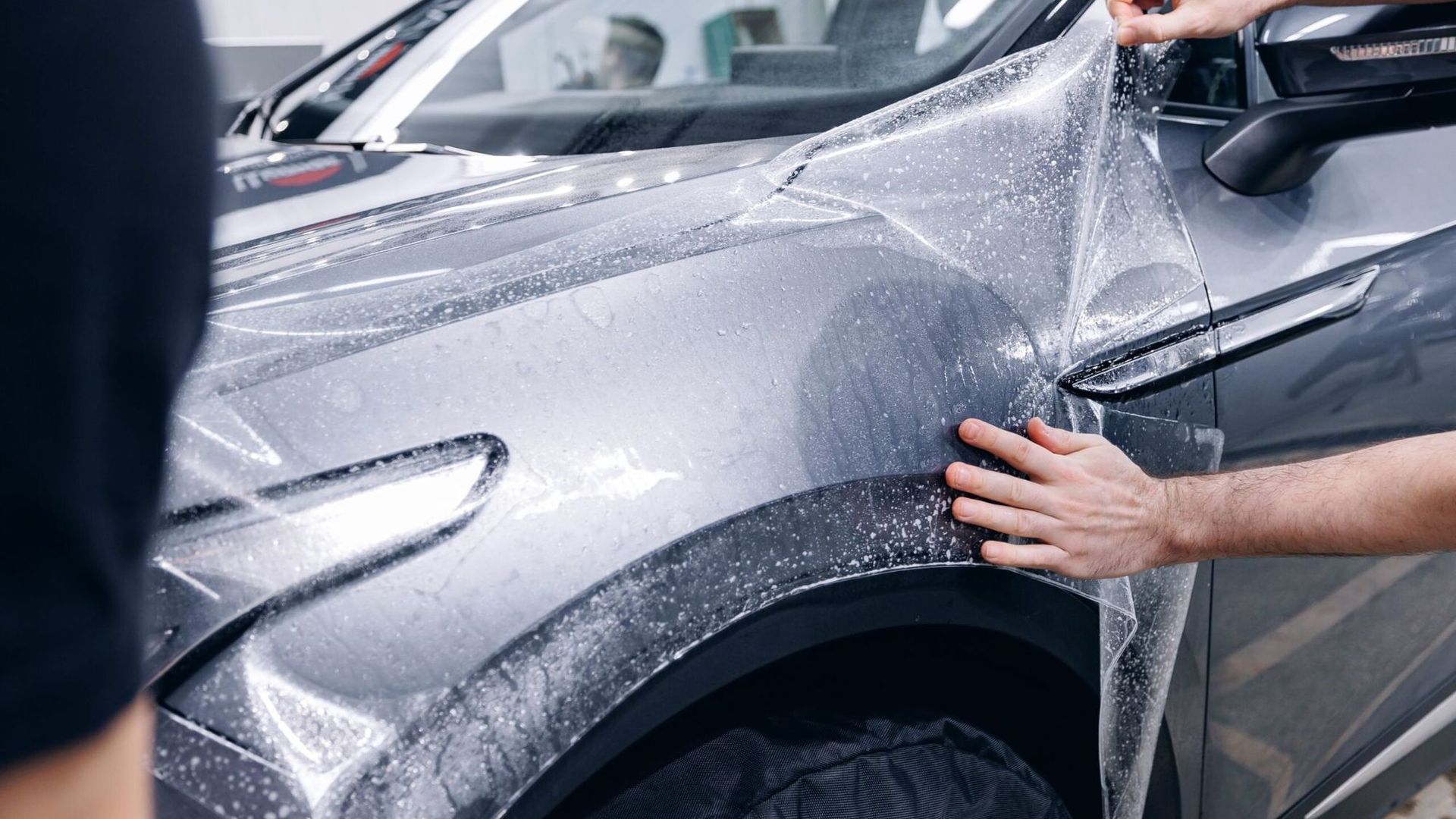
Hand inspecting a gray car’s front fender for dents or scratches
October 23, 2026
Yes, damaged paint protection film can be replaced on just one vehicle panel without having to re-wrap your entire vehicle. For vehicle owners maintaining high-quality paint protection film in Little Rock, a single-panel replacement offers an efficient way to fix localized damage while keeping the rest of your protective clear bra intact. Paint protection film (PPF) is designed in modular sections. Each body panel, such as a fender, door, hood, or bumper, receives its own custom-cut piece of film. If one panel absorbs road debris, a sharp scratch, or impact from an accident, an installer can safely peel away the compromised section and install a fresh sheet directly over the factory clear coat. Understanding how partial PPF replacement works can save you substantial time and money while preserving the appearance and resale value of your vehicle.
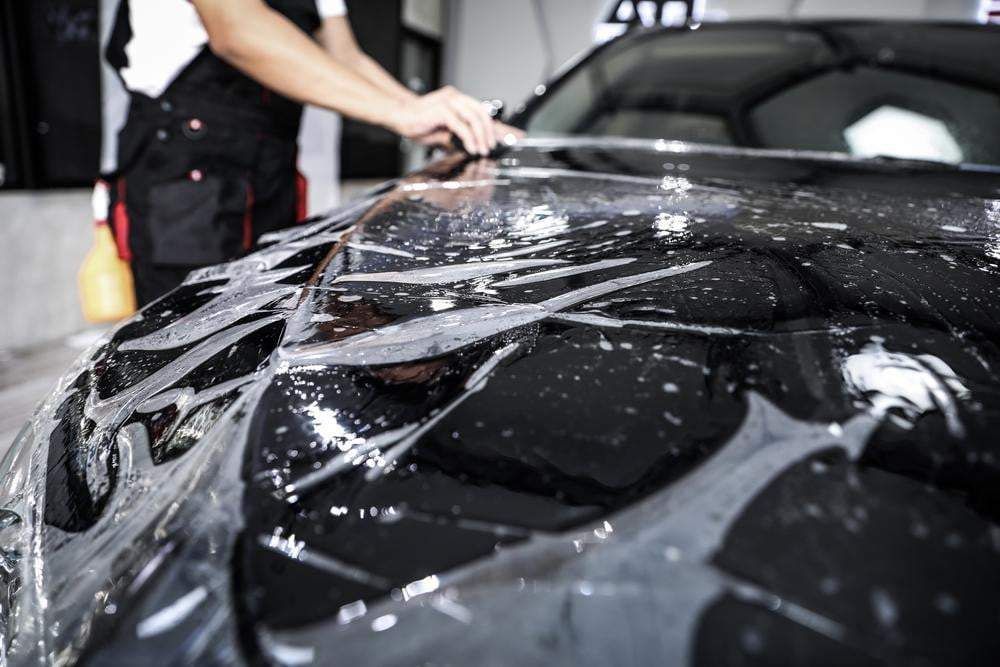
Person cleaning a black car hood with soap and water in a car wash
October 23, 2026
Explore clear, matte, and colored paint protection film options. Learn how each finish impacts your vehicle's appearance and protection. Read our guide.
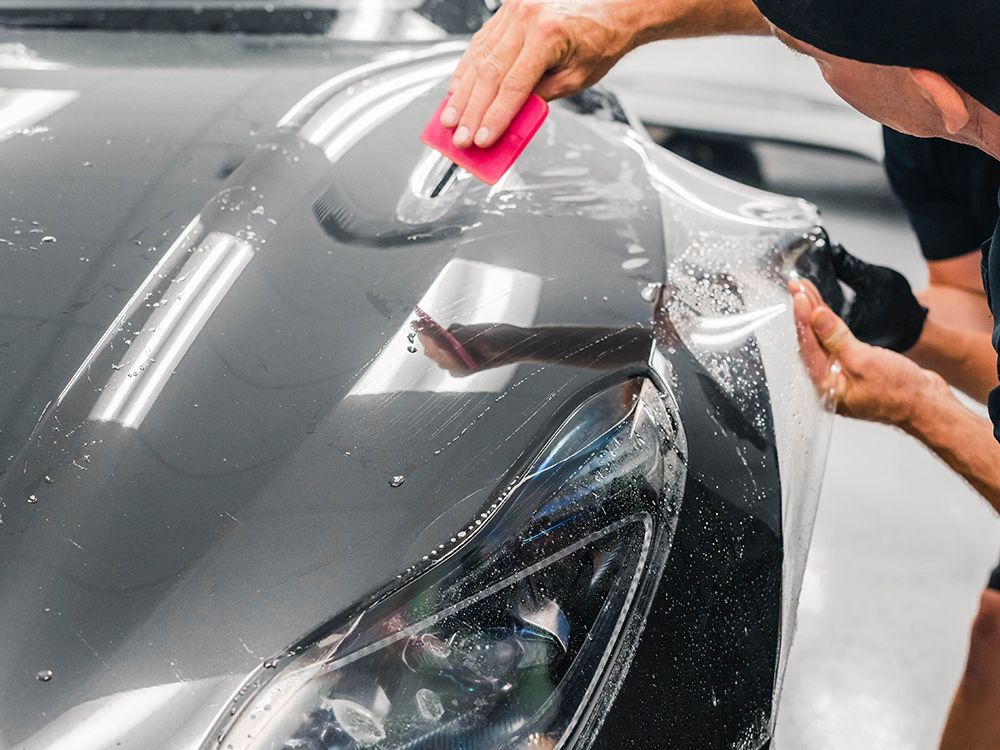
Person washing a gray car hood with a sponge and spray bottle in a car wash
October 23, 2026
Paint Protection Film Maintenance: Learn safe washing techniques, contaminant tips, and product rules to protect your investment. Learn more.
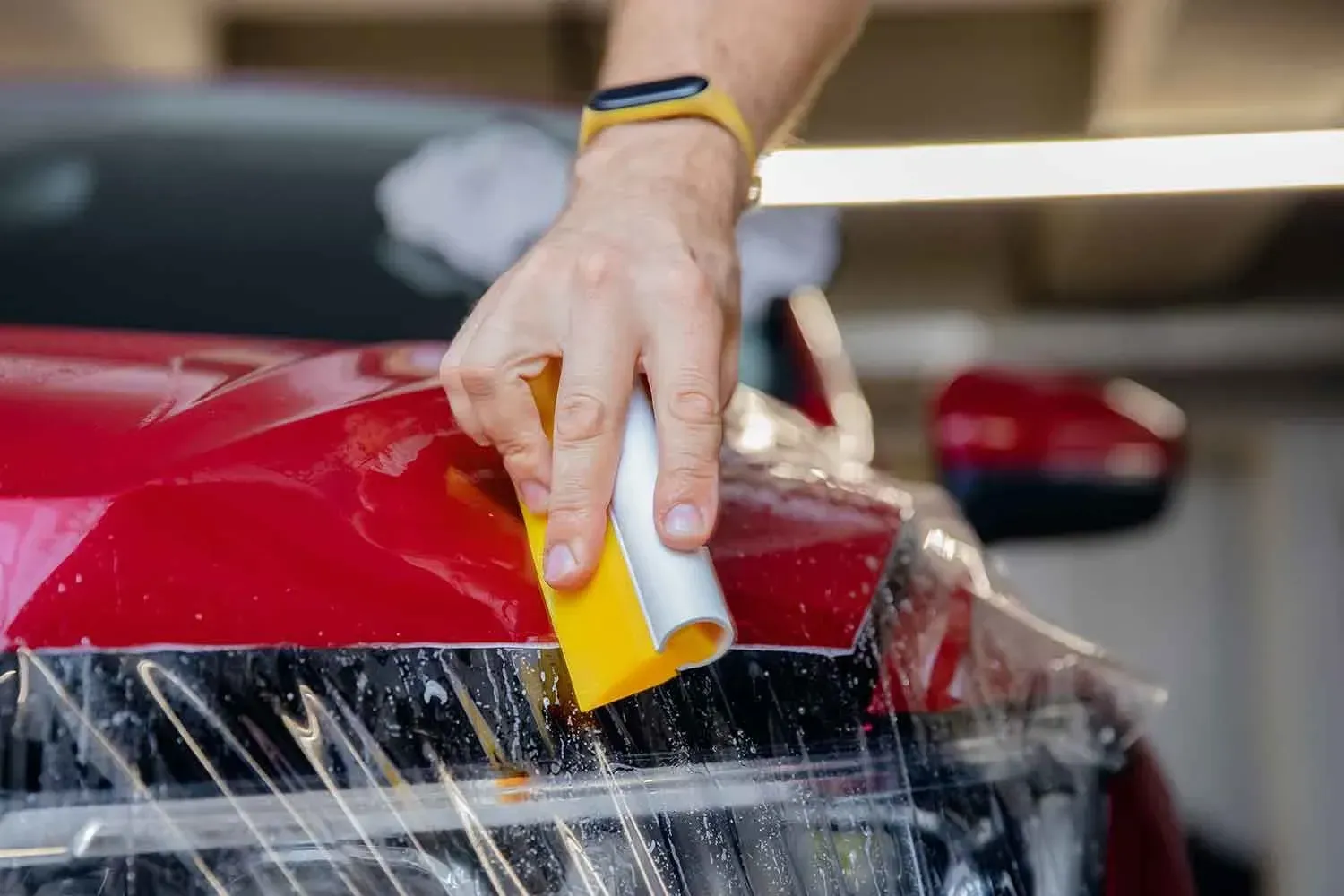
Hand washing a red car with a yellow sponge, water streaming over the hood
October 23, 2026
Is paint protection film worth it for daily drivers in Little Rock? Learn the costs, benefits, and road hazard protection. Read our guide today.
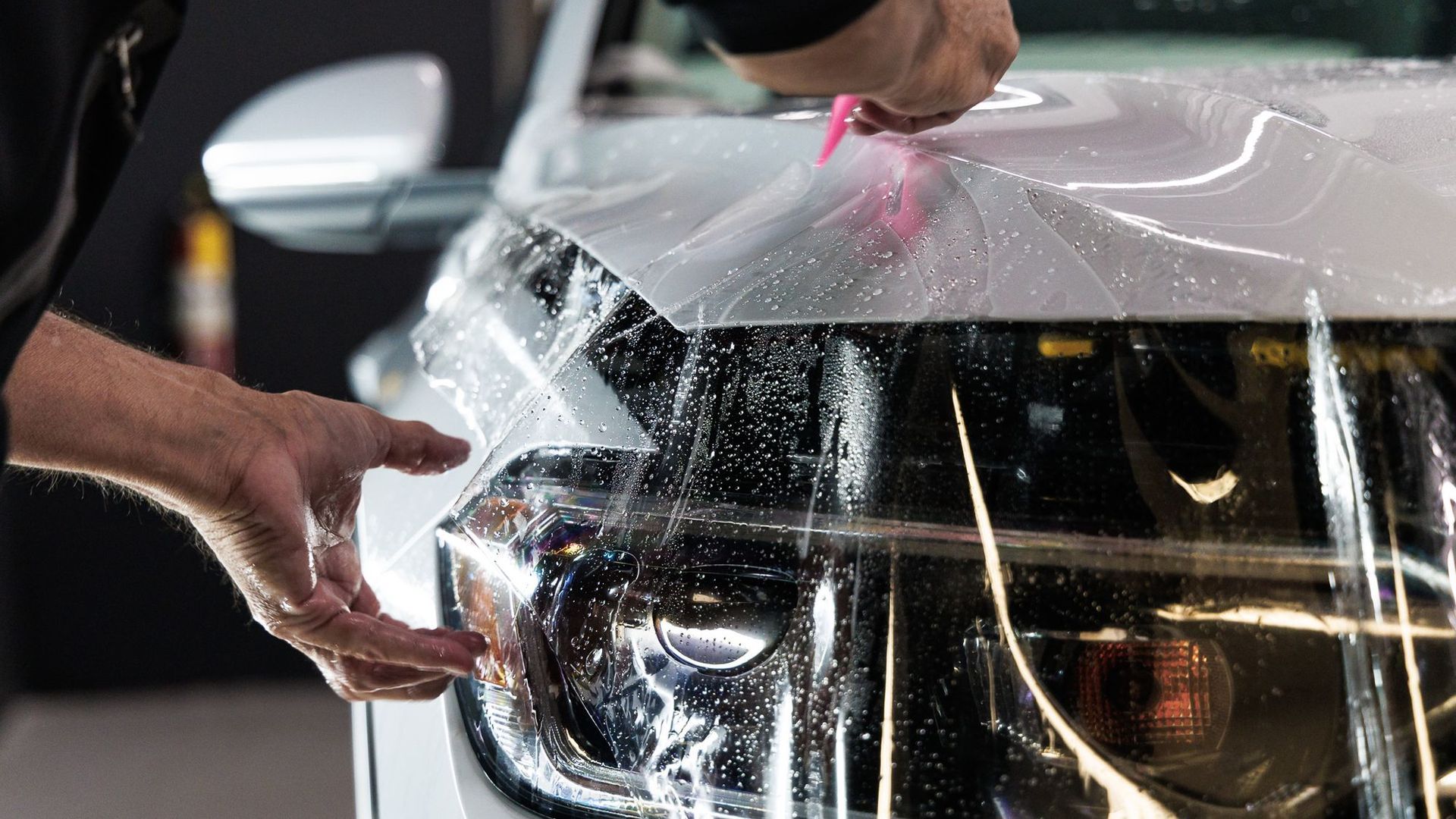
Hands applying a clear protective film to a car headlight in a workshop
October 23, 2026
Paint Protection Film: Learn how PPF and self-healing technology safeguard your vehicle's exterior from road hazards. Discover how it protects your car.
Rose gold sports coupe parked in a driveway beside a white garage, front-left view.
October 23, 2026
Window Tint Warranties: Understand what coverage to expect, including material failures & labor. Learn about manufacturer vs. shop warranties & climate impact.
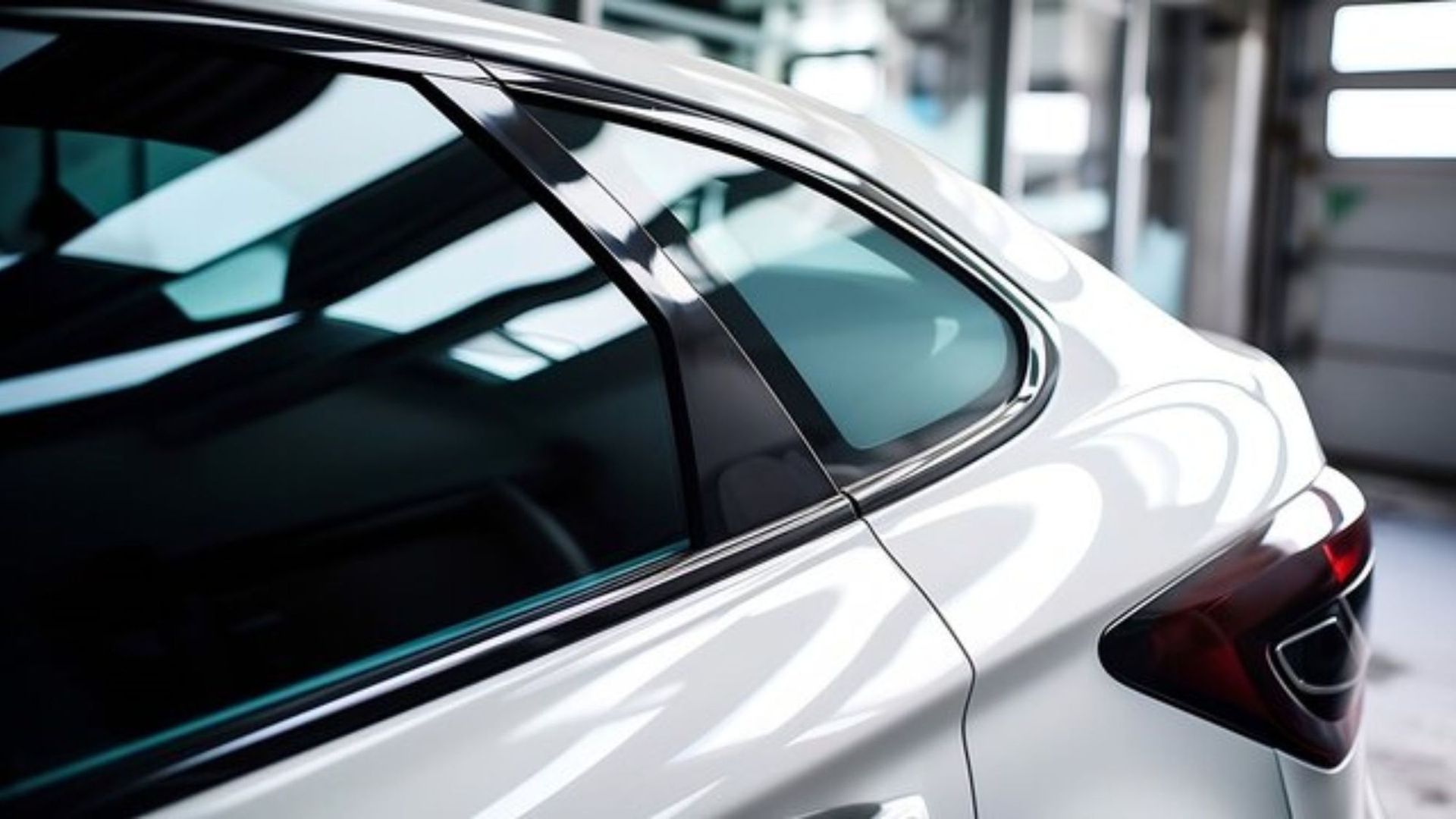
Close-up of a white sports car’s rear side window and taillight in a showroom
October 23, 2026
Protect your car's glass with professional window tint. Learn how Extreme Clean Auto Studio in Little Rock safeguards against UV rays and damage.
SHOW MORE