What Are the Benefits of Window Tinting in Little Rock’s Climate?

Share this article

Vehicle Specific Applications

Little Rock residents face unique challenges when it comes to vehicle maintenance and personal comfort due to the intense Arkansas sun and high humidity levels. Finding an effective solution for heat reduction and interior protection is essential for anyone spending significant time on the road. window tinting in little rock offers a practical and efficient way to combat rising temperatures while significantly enhancing the longevity of your vehicle's cabin. By applying a high-quality film, you can mitigate the harsh effects of the local climate, ensuring a cooler drive whether you are commuting through West Little Rock or parked near the River Market District.

Is window tinting worth it in Arkansas?

Yes, window tinting is highly beneficial in Arkansas because it serves as a primary defense against extreme heat and damaging ultraviolet (UV) radiation. The local climate is known for its sweltering summers, where temperatures frequently soar into the nineties, making car interiors dangerously hot. High-quality window film can block up to 60 percent of solar heat, reducing the strain on your air conditioning system and improving fuel efficiency. Beyond temperature control, it provides a vital layer of protection for your skin and your car's upholstery, which can easily crack or fade under constant sun exposure.


Investing in window tinting in little rock is a decision that pays for itself through energy savings and preserved resale value. When your vehicle is parked near landmarks like the State Capitol or War Memorial Stadium, the interior can act like an oven. Professional film application ensures that even on the hottest July afternoons, your seats remain touchable and your dashboard stays pristine. Furthermore, the added privacy and security of tinted windows provide peace of mind when navigating the busy streets of the Heights or Hillcrest neighborhoods.

How does window tinting protect against UV rays?

Window film acts as a comprehensive barrier that filters out nearly 99 percent of harmful ultraviolet rays. Most people associate UV protection with sunscreen, but your vehicle's windows are actually a major source of exposure during long commutes along I-430 or I-630. There are two main types of UV rays: UVA and UVB. While standard glass blocks most UVB rays, it allows UVA rays, the ones responsible for deep skin damage and interior fading—to pass through almost entirely. Professional-grade films are specifically engineered with multi-layered polyester and ceramic coatings to trap these wavelengths before they enter the cabin.


Maintaining your vehicle's appearance involves more than just regular washing; it requires protecting the surfaces that are constantly under attack from the sun. UV protection window tint Little Rock drivers rely on helps prevent the leather from drying out and the plastic components from becoming brittle. If you have spent time building a custom look for your ride, you should look at our portfolio to see how high-quality finishes and protections can transform the overall aesthetic of a well-maintained vehicle. By blocking these rays, you are effectively extending the life of your interior by several years.

Does window film help with heat reduction in Little Rock?

Window film is one of the most effective tools for thermal management in a vehicle. It works through a process of solar energy rejection, where the film reflects a portion of the sun's energy and absorbs another portion, preventing it from radiating into the car. In the humid subtropical climate of Central Arkansas, this reduction in infrared heat is noticeable immediately. Instead of the air conditioner working at maximum capacity for twenty minutes just to make the car bearable, a tinted vehicle reaches a comfortable temperature much faster.


This heat reduction window film that Arkansas residents prefer is especially useful for those who travel frequently between Little Rock and neighboring cities like North Little Rock, Maumelle, or Bryant. The reduction in cabin temperature can be as much as 15 to 25 degrees Fahrenheit compared to an untinted vehicle parked in the same conditions. This not only improves comfort for the driver and passengers but also reduces the physical wear on the cooling system components. If you are ready to improve your driving experience, you can call +15015173368 to discuss the best options for your specific vehicle type and needs.

Comparing Tint Materials for Arkansas Weather

Window Film Comparison

Film Type Heat Rejection UV Protection Signal Interference Durability
Dyed Film Low Moderate None Short-term
Metallic Film High High Possible Long-term
Carbon Film High Very High None Excellent
Ceramic Film Exceptional 99.9% None Lifetime

What are the legal window tint limits in Arkansas?

Arkansas law is very specific regarding how dark your window tint can be to ensure driver visibility and law enforcement safety. For passenger cars, the front side windows must allow more than 25 percent of light in. The back side windows and the rear window can be darker, allowing at least 10 percent of light. For SUVs and vans, the rules are slightly different, allowing for even darker tint on the rear windows, provided the front side windows still meet the 25 percent requirement. It is also important to note that a non-reflective tint is allowed on the top five inches of the windshield.


Adhering to these regulations is crucial for avoiding unnecessary stops by local authorities while driving through areas like the Quapaw Quarter or downtown. Professional installers in the region are well-versed in these statutes and will ensure that your window tinting in little rock remains fully compliant. Using high-quality ceramic films allows you to achieve excellent heat rejection without needing to go excessively dark, providing a sleek look that stays within the legal boundaries of the state.

Benefits of Professional Installation

  • Precision Cutting: Computer-cut patterns ensure a perfect fit for your specific make and model.
  • Contamination Control: Professionals work in clean environments to prevent dust and hair from getting trapped under the film.
  • Warranty Coverage: Most professional films come with a manufacturer's warranty against bubbling, peeling, or changing color.
  • Heat Shrinking Techniques: Experts know how to properly curve film to complex rear windows without creating creases

Does tinting improve vehicle safety and security?

Window tinting adds a significant layer of safety that many drivers overlook. In the event of an accident or a window shatter, the adhesive layer of the film helps hold the glass fragments together. This prevents shards from flying into the cabin and injuring passengers. While it is not "shutter-proof," it provides a structural integrity that standard glass lacks. This is particularly valuable if you are driving on gravel roads or through construction zones near the Port of Little Rock where debris is common.


From a security perspective, darker windows act as a deterrent to "smash and grab" thefts. When a vehicle is parked in high-traffic areas or at shopping centers like Pleasant Ridge Town Center, having tinted windows makes it difficult for potential thieves to see valuables left inside. If a criminal cannot see what is in the car, they are much less likely to risk a break-in. This added layer of privacy protects your belongings and your family's personal space.

Frequently Asked Questions

Can I wash my car immediately after getting the windows tinted?

You should wait at least 3 to 5 days before cleaning the inside of your windows. The film needs time to "cure" and fully adhere to the glass. During this time, the moisture used during installation evaporates. Washing the interior glass too soon can cause the film to shift or create bubbles.

Why do some tinted windows look purple over time?

The purple color is a sign of cheap dyed film breaking down. UV rays destroy the dyes in lower-quality films, causing them to change color and lose their heat-rejection properties. To avoid this, it is recommended to use carbon or ceramic films which are color-stable and designed to last the life of the vehicle.

Does window tinting interfere with GPS or cell signals?

Standard dyed and ceramic films do not interfere with electronics. However, older metallic films can sometimes disrupt radio, GPS, or cellular signals because of the metal particles in the film. For modern vehicles with integrated navigation and smart features, ceramic film is the best choice.

How long does the window tinting process take?

Generally, a full vehicle tint takes between two and four hours depending on the number of windows and the complexity of the glass. If the old tint needs to be removed first, the process will take longer. It is best to plan for a half-day appointment to ensure the job is done with precision.

Is window tinting effective in the winter?

Yes, window film is beneficial year-round. While its primary job in the summer is to keep heat out, in the winter it helps retain interior heat. It acts as an additional layer of insulation on the glass, making your heater more efficient and reducing the chill felt from the cold window surface.

Conclusion

Choosing the right window film is a vital step in maintaining your vehicle's comfort and value in the diverse Arkansas climate. From the bustling streets of West Little Rock to the quiet neighborhoods of Otter Creek, the benefits of heat reduction, UV protection, and enhanced privacy are undeniable. By selecting high-quality materials and ensuring a professional application, you can enjoy a cooler, safer, and more stylish ride for years to come. When it comes to reliable and expert service, Extreme Clean Mobile Detail stands as a premier local provider. Currently boasting a 5.0 star rating with 336 Google reviews, we are established as a trusted local service provider, specializing in delivering the high-quality window tinting in little rock that residents need to tackle the heat and protect their investments.

Recent Posts

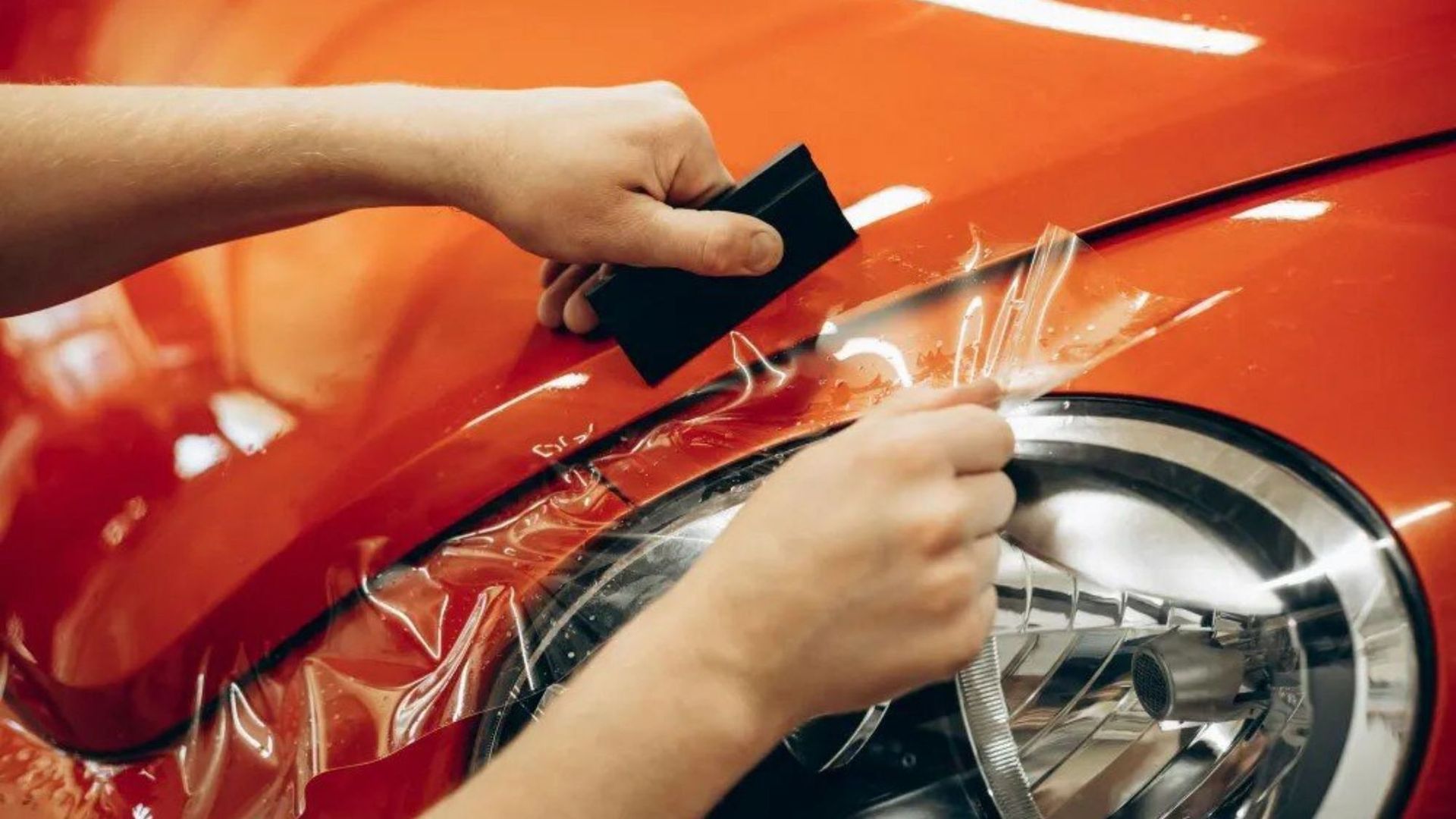
Hands applying clear film to a red car’s fender near the headlight.
October 23, 2026
Paintless dent repair can be performed without removing paint protection film in many situations, provided the technician can access the underside of the panel and the film has not stretched, torn, or lifted. For vehicle owners maintaining paint protection film in Little Rock, pairing non-invasive dent repair techniques with durable clear bra protection allows you to preserve original factory finishes and avoid the expense of re-wrapping body panels. Vehicle owners invest in thermoplastic polyurethane film primarily to block rock chips, scratches, and highway debris. While paint protection film (PPF) absorbs blunt surface energy, it cannot prevent deep sheet-metal depressions caused by runaway shopping carts, heavy hail strikes, or stray car doors. When an impact leaves a noticeable dent behind an intact layer of film, owners naturally wonder if the costly film must be peeled off and discarded before the metal can be manipulated back into position. Understanding the mechanics of paintless dent repair, how specialized tools interact with polyurethane, and when glue pulling versus backside pushing is safe helps drivers protect both their paint and their protective film investment.
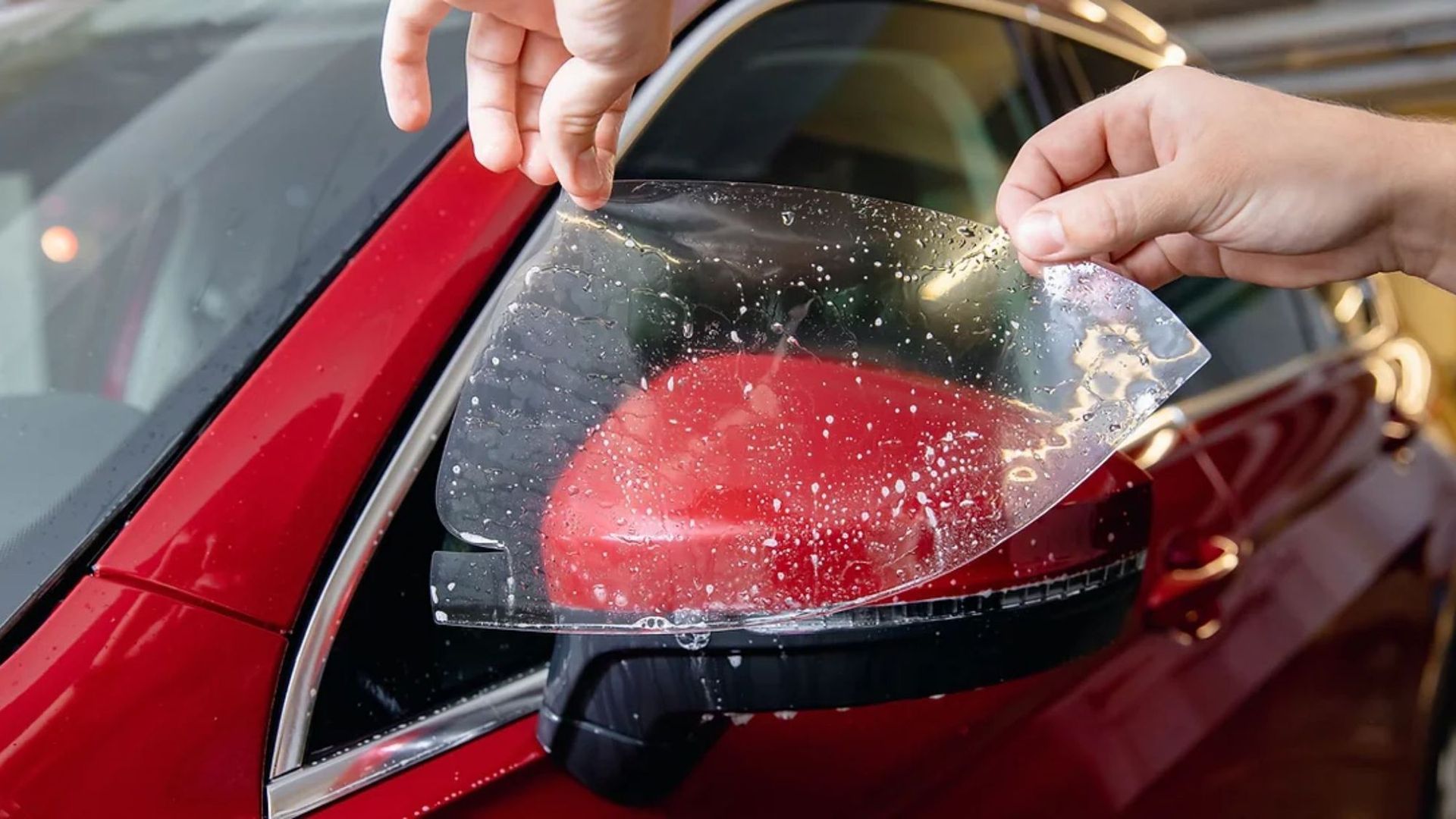
Hands peeling clear protective film from a red car headlight close-up
October 23, 2026
High-quality paint protection film does not interfere with parking sensors or vehicle cameras when installed correctly using precision techniques. For vehicle owners considering paint protection film in Little Rock, clear thermoplastic polyurethane film provides durable impact resistance for modern vehicles without disrupting sensitive advanced driver assistance systems (ADAS). Modern vehicles rely on an array of ultrasonic sensors, radar units, and high-definition cameras embedded into bumpers, grilles, and exterior mirrors. Because these safety systems safeguard lane-keeping, automated emergency braking, and parking assistance, car owners naturally worry that covering bumper panels with protective film might cause false alarms or distort camera feeds. Understanding the physics of automotive sensors, the optical properties of premium film, and the installation methods used around technical hardware ensures your vehicle remains fully protected without compromising a single driver-assist feature.
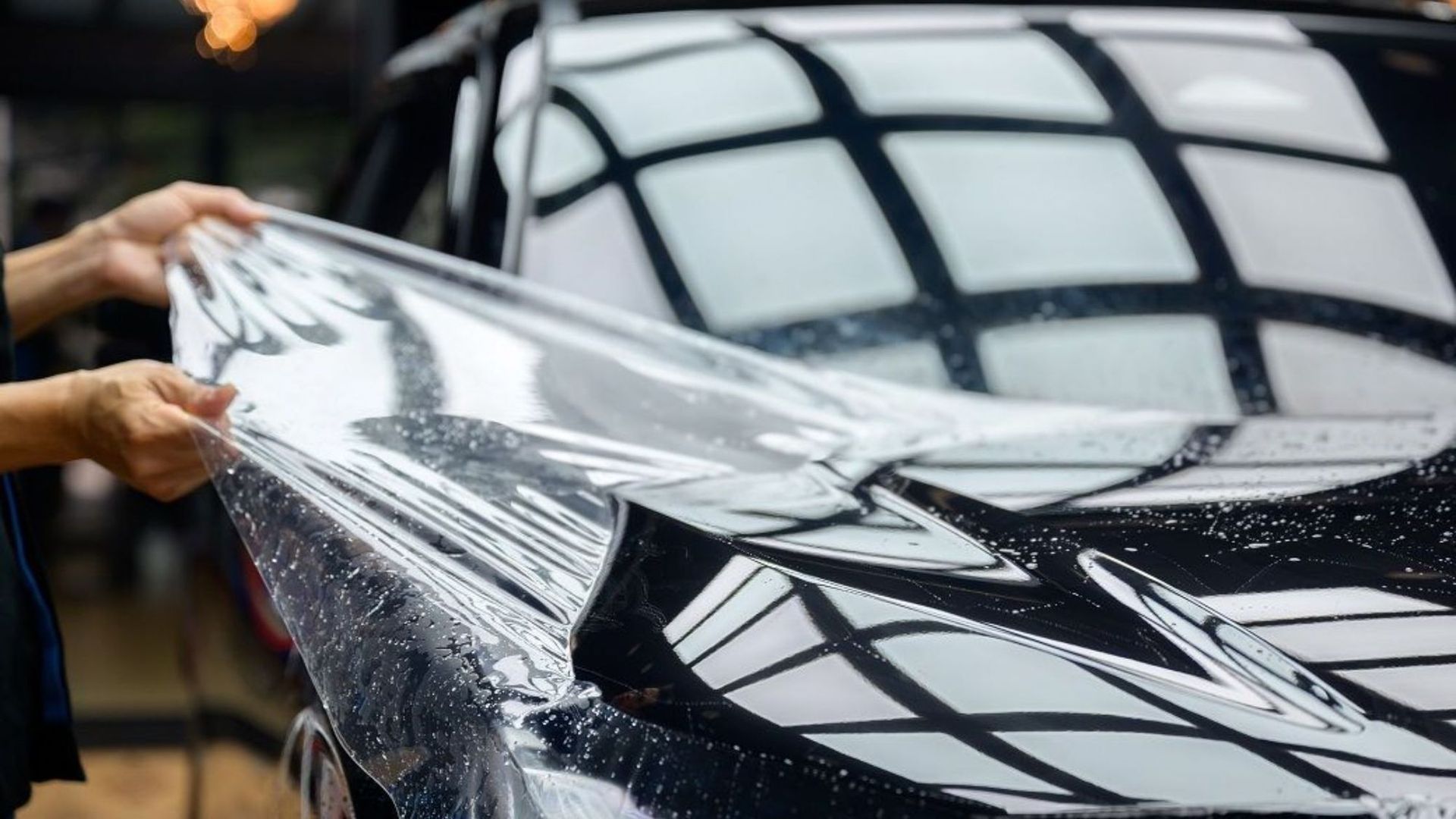
Hands stretching clear protective film over a glossy black car hood in a garage
October 23, 2026
Yes, ceramic coating can be applied directly over paint protection film to create the ultimate defense system for your vehicle exterior. For car owners investing in high-quality paint protection film in Little Rock, pairing clear urethane film with an advanced ceramic topcoat delivers physical impact resistance alongside extreme hydrophobic slickness. Paint protection film (PPF) excels at absorbing physical damage from gravel, highway debris, and minor scratches. However, standard polyurethane film has microscopic pores that can hold dirt, water spots, and road grime over time. Applying a specialized liquid ceramic coating over PPF seals these micro-pores, creating a glass-like barrier that repels water, prevents chemical etching, and keeps the film looking showroom-new. Understanding how these two technologies interact ensures you get maximum durability, effortless maintenance, and long-lasting optical clarity without compromising the self-healing abilities of your film.
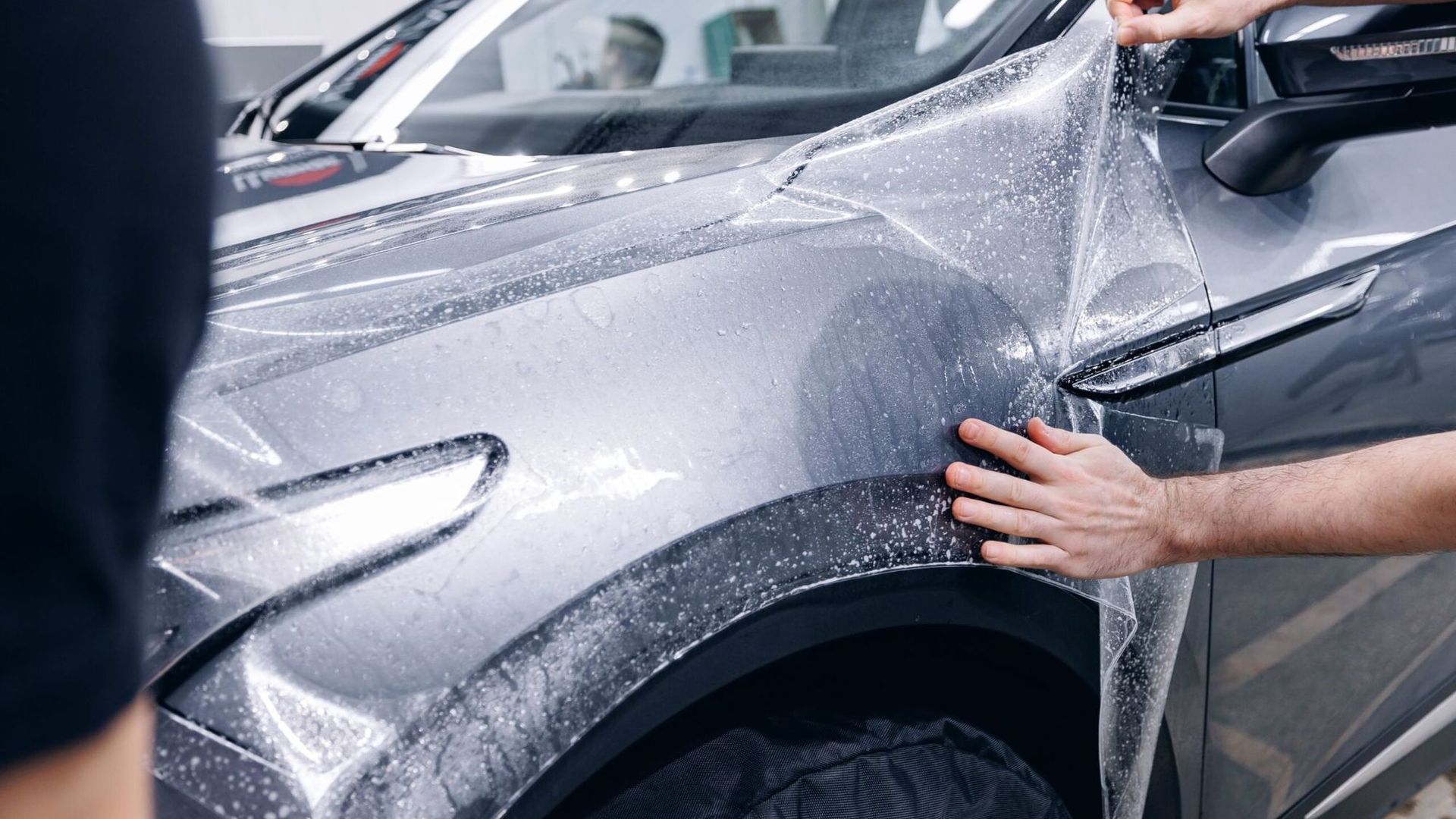
Hand inspecting a gray car’s front fender for dents or scratches
October 23, 2026
Yes, damaged paint protection film can be replaced on just one vehicle panel without having to re-wrap your entire vehicle. For vehicle owners maintaining high-quality paint protection film in Little Rock, a single-panel replacement offers an efficient way to fix localized damage while keeping the rest of your protective clear bra intact. Paint protection film (PPF) is designed in modular sections. Each body panel, such as a fender, door, hood, or bumper, receives its own custom-cut piece of film. If one panel absorbs road debris, a sharp scratch, or impact from an accident, an installer can safely peel away the compromised section and install a fresh sheet directly over the factory clear coat. Understanding how partial PPF replacement works can save you substantial time and money while preserving the appearance and resale value of your vehicle.
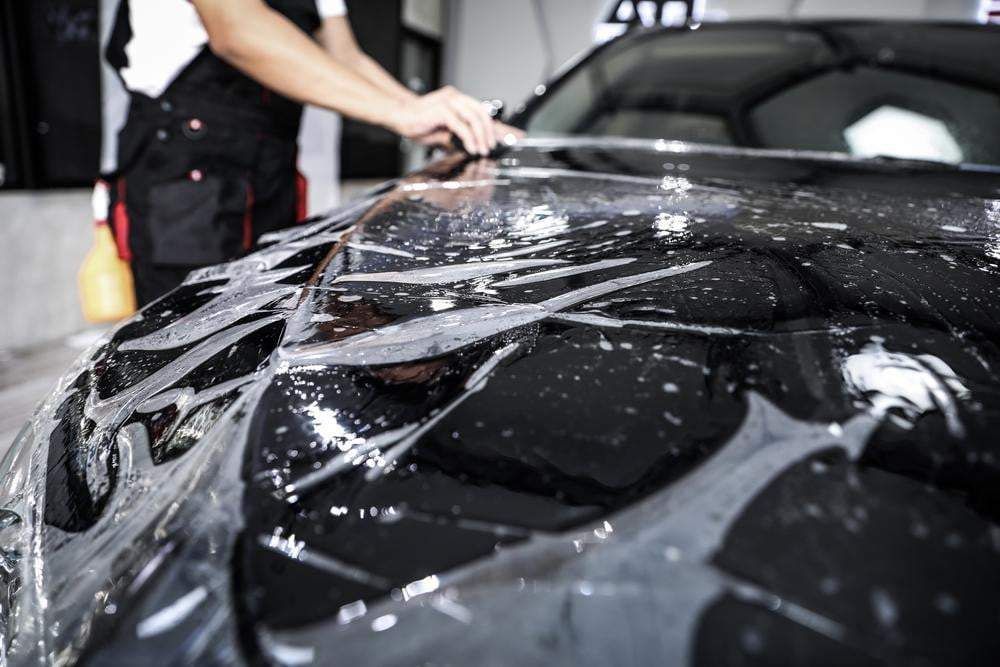
Person cleaning a black car hood with soap and water in a car wash
October 23, 2026
Explore clear, matte, and colored paint protection film options. Learn how each finish impacts your vehicle's appearance and protection. Read our guide.
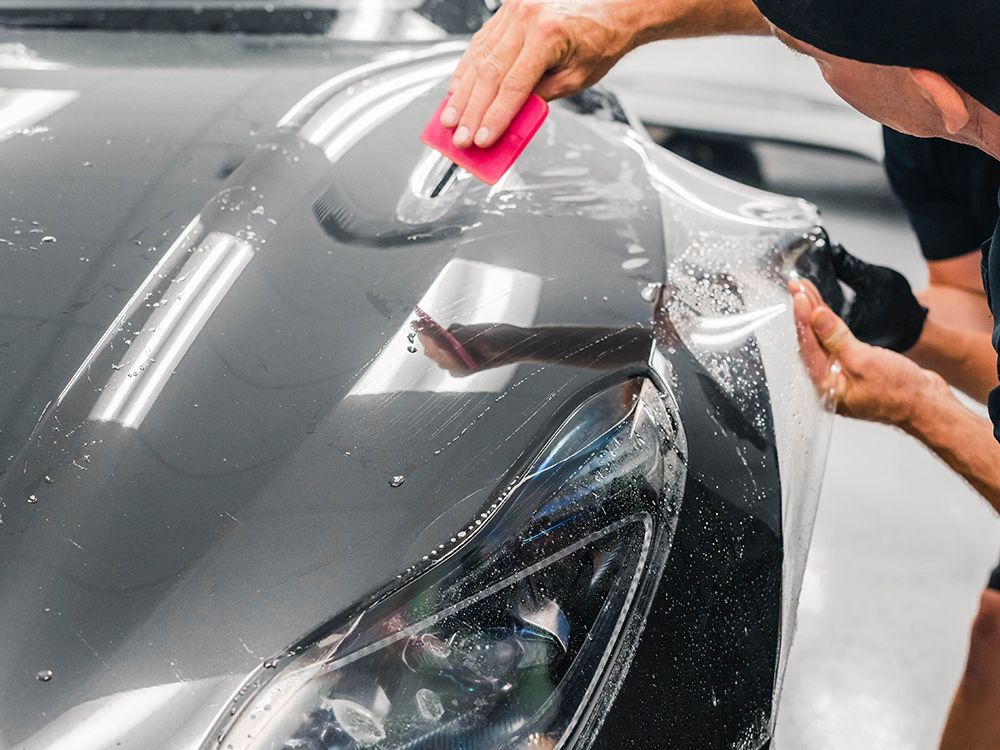
Person washing a gray car hood with a sponge and spray bottle in a car wash
October 23, 2026
Paint Protection Film Maintenance: Learn safe washing techniques, contaminant tips, and product rules to protect your investment. Learn more.
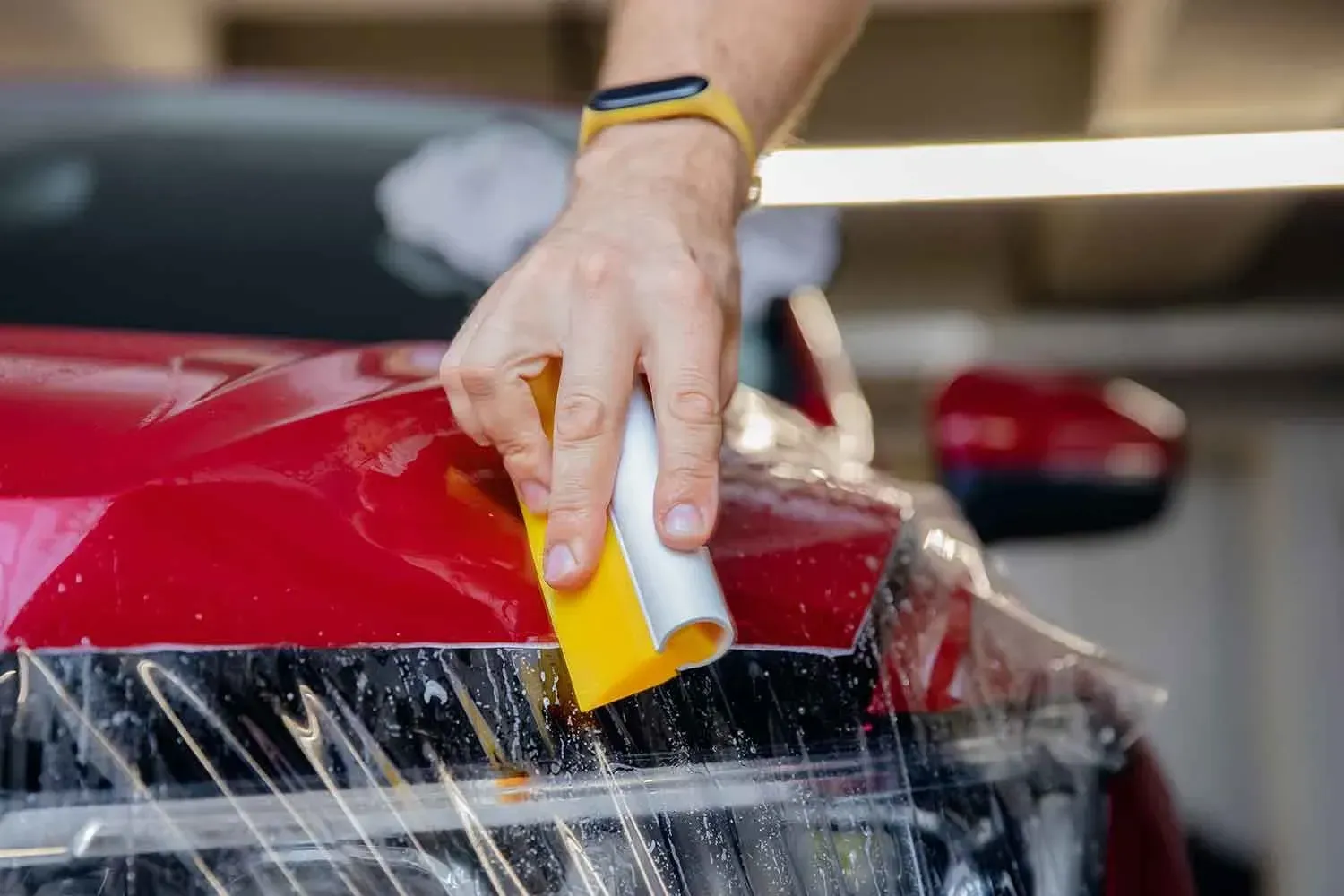
Hand washing a red car with a yellow sponge, water streaming over the hood
October 23, 2026
Is paint protection film worth it for daily drivers in Little Rock? Learn the costs, benefits, and road hazard protection. Read our guide today.
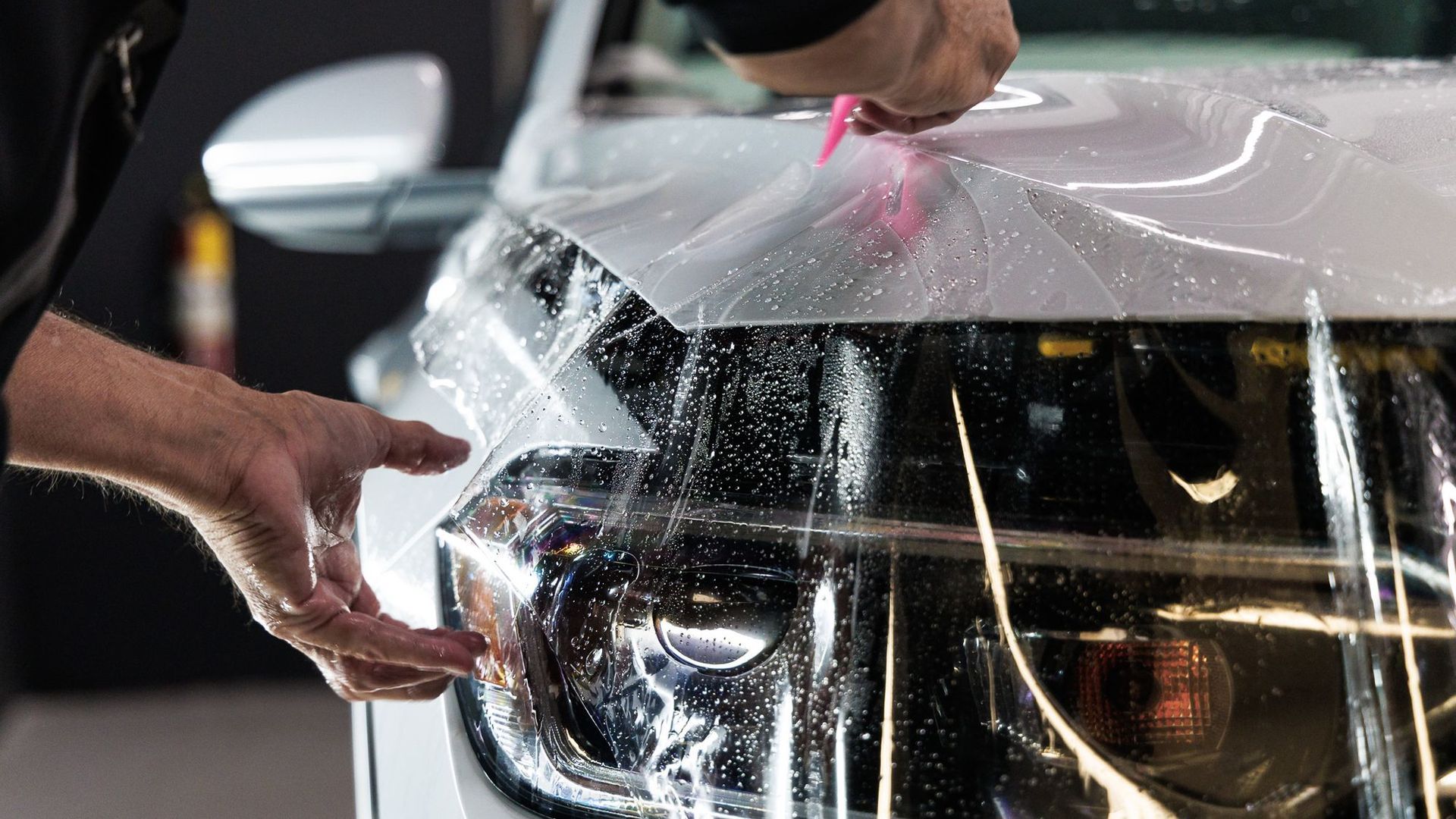
Hands applying a clear protective film to a car headlight in a workshop
October 23, 2026
Paint Protection Film: Learn how PPF and self-healing technology safeguard your vehicle's exterior from road hazards. Discover how it protects your car.
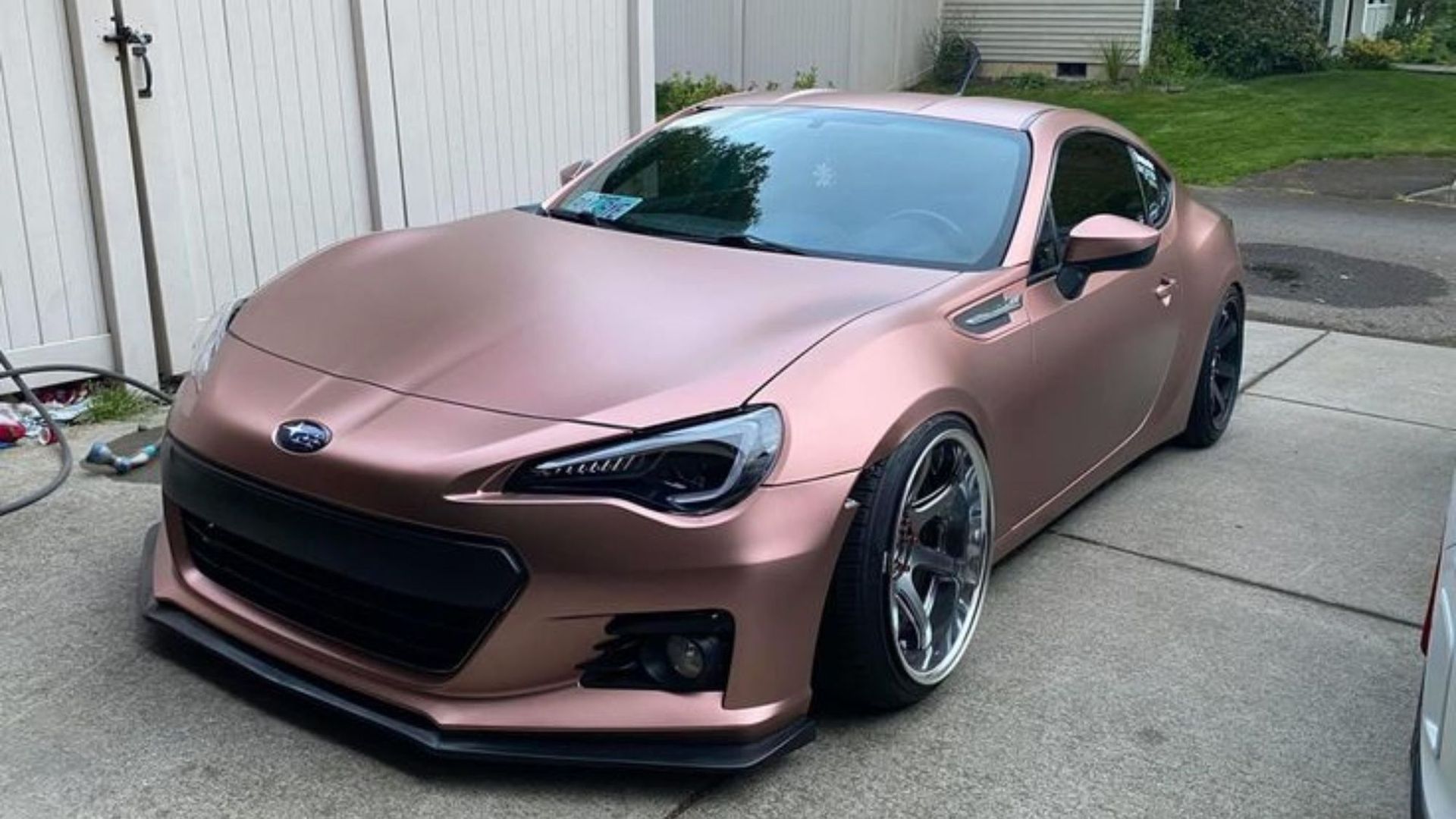
Rose gold sports coupe parked in a driveway beside a white garage, front-left view.
October 23, 2026
Window Tint Warranties: Understand what coverage to expect, including material failures & labor. Learn about manufacturer vs. shop warranties & climate impact.
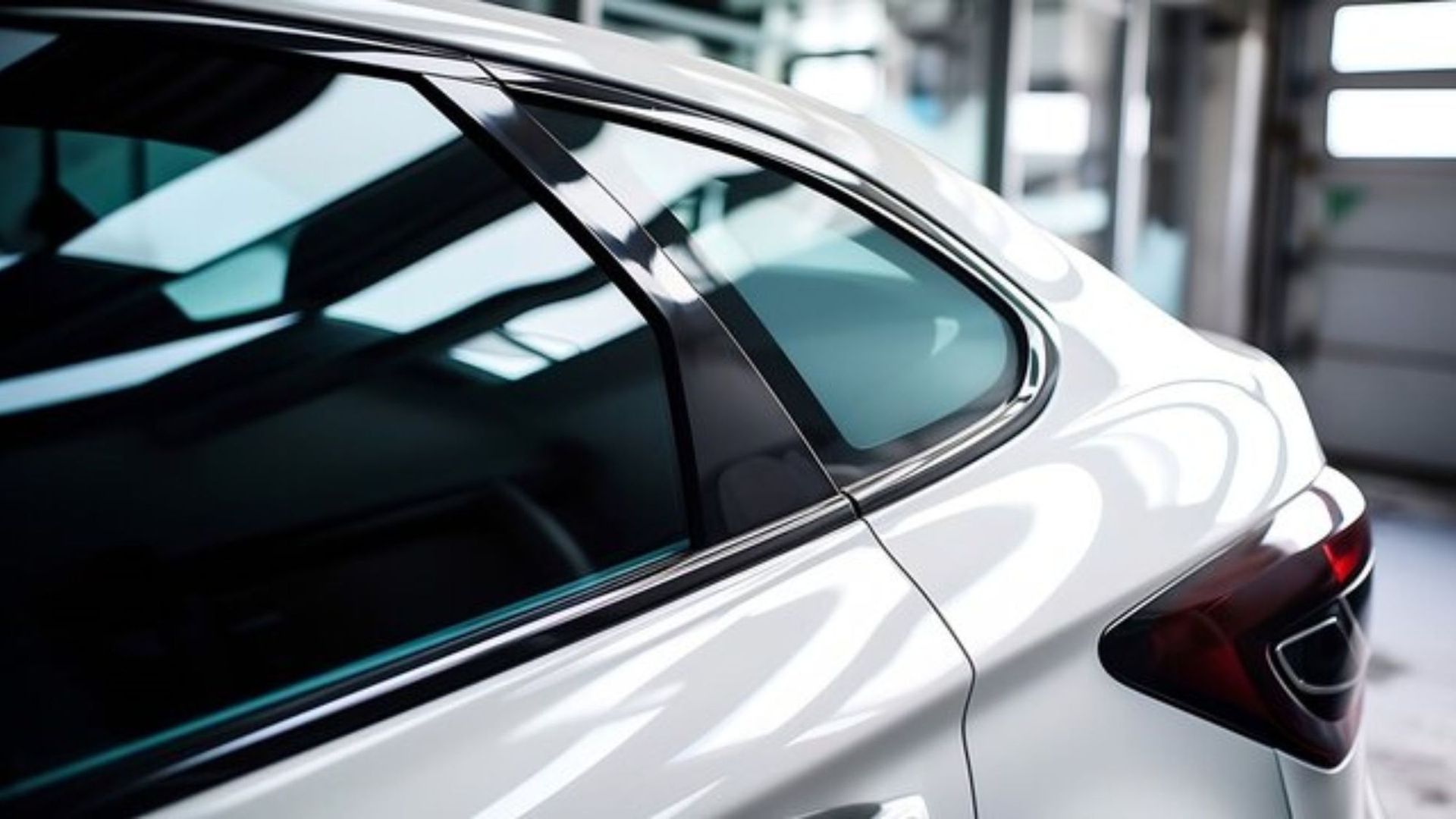
Close-up of a white sports car’s rear side window and taillight in a showroom
October 23, 2026
Protect your car's glass with professional window tint. Learn how Extreme Clean Auto Studio in Little Rock safeguards against UV rays and damage.
SHOW MORE