The Risks of Poorly Installed Window Tint: Why Professionalism Matters

Share this article

Resale Value

Vehicle Specific Applications

Lifetime Durability

A bad window tint job does more than just make your vehicle look cheap. It actively impairs your driving visibility, damages your car's underlying glass components, and wastes your hard-earned money. Many car owners looking for quality window tinting in little rock often find themselves dealing with bubbling, peeling, or blurry film because they opted for a cheap, uncertified installation. If window tint is installed incorrectly, the film will fail prematurely, requiring a costly removal and re-application process to restore your vehicle's safety and appearance.


When window film is applied by an untrained hand, the consequences range from cosmetic annoyances to severe safety hazards. This comprehensive guide details the exact warning signs of a failing installation, the mechanics behind these failures, and how the local Arkansas climate can accelerate the degradation of low-quality materials. By understanding these warning signs, you can protect your automotive investment and avoid the common pitfalls of a low-grade installation.

What Does a Bad Tint Job Look Like?

A bad tint job is immediately recognizable by visual imperfections such as persistent bubbling, peeling corners, purple discoloration, and a hazy or distorted view through the glass. In a high-quality installation, the film should look like an integrated part of the glass itself, with no visible gaps, creases, or trapped particles. If you suspect your vehicle has a poor window tint installation, look for these common warning signs.

1. Air Bubbles and Blisters

Air bubbles are the most frequent sign of an amateur installation. While tiny water pockets are normal during the first few days of curing, permanent air bubbles indicate that the glass was not cleaned properly or the adhesive failed to bond. Dirt particles trapped beneath the film create tiny pockets of air that will never flatten out.

2. Peeling and Curling Edges

Window film must be cut and aligned perfectly with the edges of your windows. If the film is cut too close to the window seal or extending past the glass edge, it will rub against the window frame every time you roll the window down. Over time, this friction causes the film to peel, curl, and collect debris.

3. Hazy or Blurry Visibility

High-quality window films should offer optical clarity. If the view through your windows looks distorted, wavy, or milky, the installer likely used low-grade adhesive or overheated the film during the shrinking process. This distortion can make driving at night or in rainy conditions incredibly dangerous.

4. Purple Discoloration

If your window film has turned a strange shade of purple, this is a classic indicator of cheap dyed film that has broken down under solar radiation. Premium carbon or ceramic films do not change color because they rely on advanced inorganic materials rather than organic dyes to block heat and light.

How Does Poor Window Tint Installation Impact Your Driving Safety?

An amateur tint job compromises your road safety by reducing your visibility, creating dangerous nighttime glare, and blocking crucial sightlines. Driving through the busy intersections of West Little Rock or navigating Interstate 630 during a heavy downpour requires absolute visual clarity. When window film is applied incorrectly, it can create several hazardous driving conditions that put you and your passengers at risk.


  • Impaired Night Vision: Cheap, dark films that lack optical clarity make it incredibly difficult to see pedestrians, cyclists, or road hazards after dark.
  • Distorted Light Halos: Badly cured adhesives scatter incoming light, turning oncoming headlights into distracting streaks or halos.
  • Obstructed Blind Spots: Peeling or bubbling film on your rear window or side mirrors can block your view when changing lanes or backing up.
  • Glass Shatter Risks: Professionally installed film helps hold shattered glass together in an accident, but poorly bonded film will peel away, offering zero protection.

The Financial Damage of Poor Window Tint Installation

An incorrect tint installation can cause hundreds of dollars in hidden damages to your vehicle's defroster lines, electrical systems, and glass surfaces. Trying to save a few dollars upfront often leads to a much larger bill to correct the mistakes. The primary financial risks of a bad installation include:

Damaged Rear Defroster Grids

Your rear window contains delicate metallic lines that heat up to clear frost and condensation. If an installer uses a razor blade carelessly or applies improper heat during removal, they can easily cut these lines. Fixing a broken defroster grid often requires replacing the entire rear windshield.

Scratched Window Glass

Amateur installers often use cheap carbon steel razor blades to prep the glass or trim the film directly on the window. These blades can leave deep, permanent scratches on your automotive glass. Master technicians only use specialty stainless steel or brass blades designed not to scratch glass.

Ruined Door Panel Electronics

Modern vehicles are packed with sensitive electronic modules inside the door panels. During the tinting process, installers use water and slip solutions to position the film. Inexperienced shops use excessive amounts of liquid without proper protection, allowing water to run down into the door panels and short-circuit window motors, lock actuators, or speakers.

Why Professional Window Tinting in Little Rock Matters

When investing in window tinting in little rock, you expect long lasting protection from the intense Southern heat without compromising your vehicle's aesthetics. The high humidity near the Arkansas River and the blazing summer sun can quickly expose any flaws in an amateur tint job. A master installation technician understands how to handle these regional environmental factors.


When evaluating a service provider, you should read through our customer testimonials to see how we have consistently helped other local drivers protect their vehicles. We are proud to share that we have 353 Google reviews and a perfect 5-star rating as of today, reflecting our dedication to quality workmanship. Professional shops operate in climate-controlled, dust-free bays to ensure that local pollen, dust, and humidity do not ruin the adhesive bonding process.


Whether you are parking your car in the open lots of the River Market District or commuting from the Heights, a premium ceramic tint installed by a specialist will keep your cabin cool and remain crystal clear for years.

Common Tinting Problems and How to Prevent Them

Most common tinting problems can be prevented by choosing a shop that follows strict preparation protocols and uses professional-grade materials. Understanding why these issues happen helps you identify a quality shop before they touch your vehicle. This knowledge ensures you make an informed decision and get the best value for your hard-earned money.


The table below highlights how professional installation processes prevent the most common failure points:

Feature Professional Installation DIY / Budget Installation
Material Quality Multi-layer Ceramic or Carbon Single-layer Dyed Polyester
Adhesive Type High-Bond Acrylic Water-Soluble Glue
Warranty Often Lifetime / Color-Stable 30-90 Days or None
Appearance Perfect Clarity, No Bubbles Prone to Dust and Creases
Heat Rejection 50% - 90%+ 10% - 20%
Longevity 10+ Years 1 - 3 Years

How Local Climate Affects Your Car Window Tint

The climate in Pulaski County plays a massive role in how your window tint cures and holds up over time. High humidity levels and intense summer temperatures put immense thermal stress on automotive window films. If an installer uses cheap materials, the extreme heat in parking lots around Chenal Valley will cause the adhesive to break down rapidly.


This thermal breakdown leads to the off-gassing of chemicals, which is what creates those unsightly, smelly bubbles on your windows. Furthermore, high humidity can extend the curing time of a quality tint job. A professional installer will always advise you on how long to keep your windows rolled up based on the current local weather conditions, ensuring the adhesive bonds perfectly.


If you commute daily through Hillcrest or leave your vehicle exposed to the sun near West Little Rock, choosing heat-resistant ceramic materials is essential to prevent early failure.

What is the Process of Fixing a Bad Tint Job?

Fixing a bad tint job requires a meticulous, multi-step process of softening the old adhesive, stripping the damaged film, cleaning the residue, and prepping the glass for a fresh application. To correct these issues safely, it is highly recommended to contact us so we can assess the condition of your window glass. You should never try to scrape old tint off yourself, as you risk ruining your windows permanently.

Step 1: Softening the Adhesive

The first step is to loosen the bond of the old adhesive using a specialized commercial steamer. Applying controlled heat and moisture is the safest way to peel the film without tearing it into tiny, unmanageable pieces.

Step 2: Stripping the Damaged Film

Once the adhesive is soft, the technician slowly pulls the old film away from the glass at a specific angle. This step requires extreme patience, especially on the rear window, to avoid peeling the delicate defroster grid lines off the glass.

Step 3: Deep Cleaning the Glass

Removing the plastic film is only half the battle; a thick layer of sticky, smelly adhesive residue is usually left behind. Specialists use non-abrasive scrub pads and specialized solvent cleaners to dissolve this glue without scratching the glass.

Step 4: Applying a Professional Window Tint Service

Once the glass is surgically clean, a professional technician will custom-cut premium ceramic or carbon film. Choosing a professional window tint service ensures that you avoid the hazards of DIY attempts and get a clean, warranted install. They will apply it using a precise balance of slip solution, heat-shrinking, and moisture extraction to ensure a flawless, bubble-free bond.

FAQs About Incorrectly Installed Window Tint

Can you fix a bad window tint job?

No, you cannot repair a bad window tint job once the adhesive has cured with bubbles, dirt, or creases. The only effective solution is to completely remove the failed film, thoroughly clean the adhesive residue off the glass, and apply a fresh sheet of high-quality film.

Why does window tint bubble after installation?

Window tint bubbles for two very different reasons. Temporary water bubbles are a normal part of the curing process and will evaporate within a few weeks. However, permanent bubbles are caused by trapped dirt, dust, or pocketed air from an improper installation, and these will never disappear.

Is it normal to have tiny bubbles in a new window tint?

Yes, it is normal to see tiny, cloudy moisture pockets immediately after installation. This is called "gassing out" or curing, as the water used during application evaporates through the semi-porous film. These water pockets should disappear within 2 to 6 weeks, depending on the local temperature and sun exposure.

How long does window tint take to dry in Arkansas?

In Arkansas, window tint typically takes 3 to 7 days to cure during the hot summer months, but it can take up to 3 to 4 weeks during the damp, cold winter season. Because of the local humidity, it is crucial to follow your installer's advice and keep your windows rolled up during this curing window.

Can a bad window tint damage my car's rear defroster?

Yes, cheap window tint itself does not directly damage the defroster, but the removal of a bad tint job can easily tear the delicate metallic heating grids. If an inexperienced installer tries to scrape off old film with a razor blade or pulls it off without proper steam, they will ruin your rear defroster.

Getting the Quality Your Vehicle Deserves

An incorrect window tint installation ruins your vehicle's visual appeal, damages critical electronics, and compromises your physical safety on the road. Avoiding cheap, fly-by-night operations is the best way to protect your automotive investment and avoid the headache of a costly removal process.


When you want to protect your vehicle from the harsh Arkansas sun, working with a reputable shop makes all the difference. For flawless, durable, and legally compliant window tinting in little rock, local car owners trust the skilled team at Extreme Clean Auto Studio to deliver pristine results that last for years.

Recent Posts

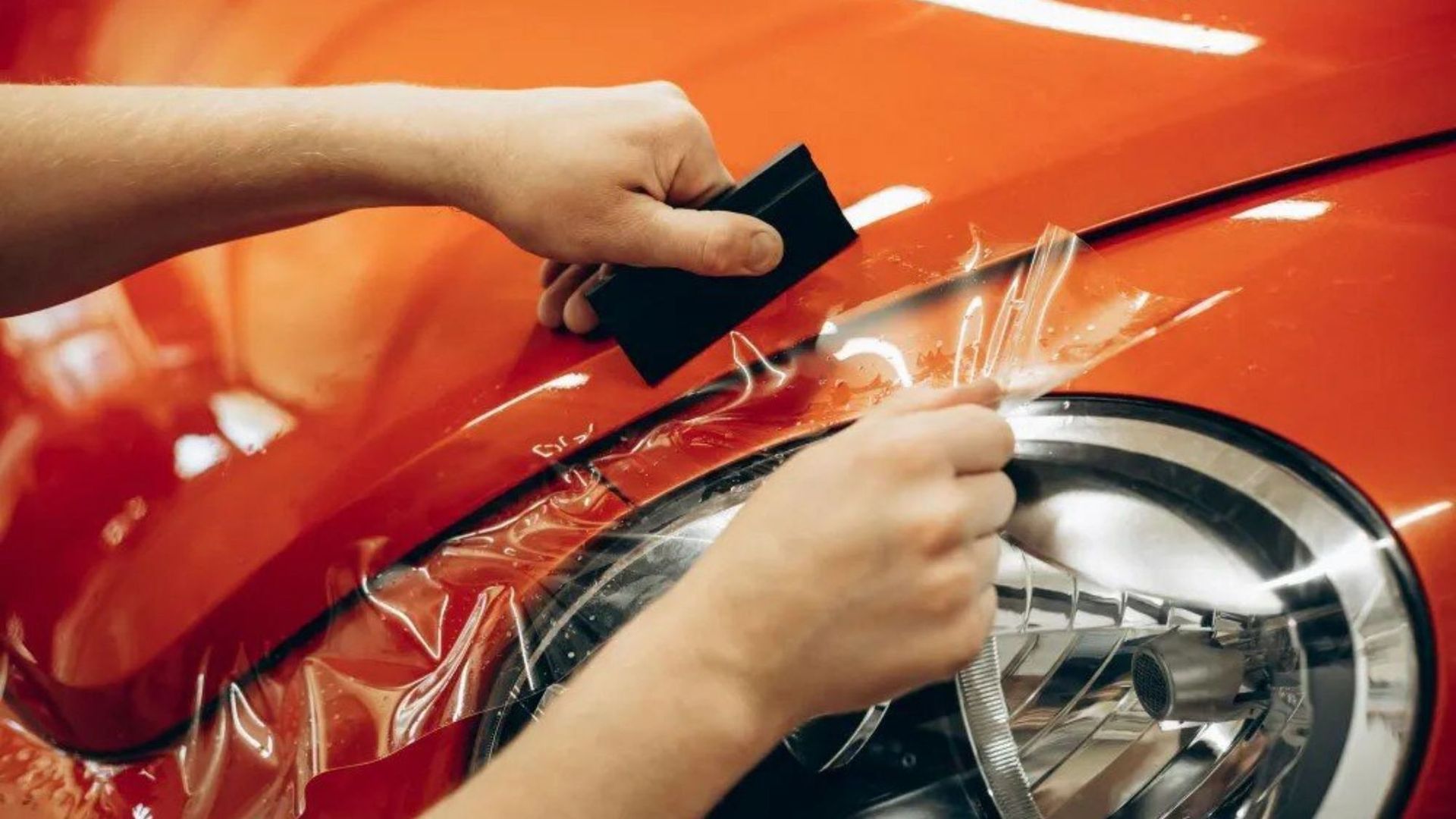
Hands applying clear film to a red car’s fender near the headlight.
October 23, 2026
Paintless dent repair can be performed without removing paint protection film in many situations, provided the technician can access the underside of the panel and the film has not stretched, torn, or lifted. For vehicle owners maintaining paint protection film in Little Rock, pairing non-invasive dent repair techniques with durable clear bra protection allows you to preserve original factory finishes and avoid the expense of re-wrapping body panels. Vehicle owners invest in thermoplastic polyurethane film primarily to block rock chips, scratches, and highway debris. While paint protection film (PPF) absorbs blunt surface energy, it cannot prevent deep sheet-metal depressions caused by runaway shopping carts, heavy hail strikes, or stray car doors. When an impact leaves a noticeable dent behind an intact layer of film, owners naturally wonder if the costly film must be peeled off and discarded before the metal can be manipulated back into position. Understanding the mechanics of paintless dent repair, how specialized tools interact with polyurethane, and when glue pulling versus backside pushing is safe helps drivers protect both their paint and their protective film investment.
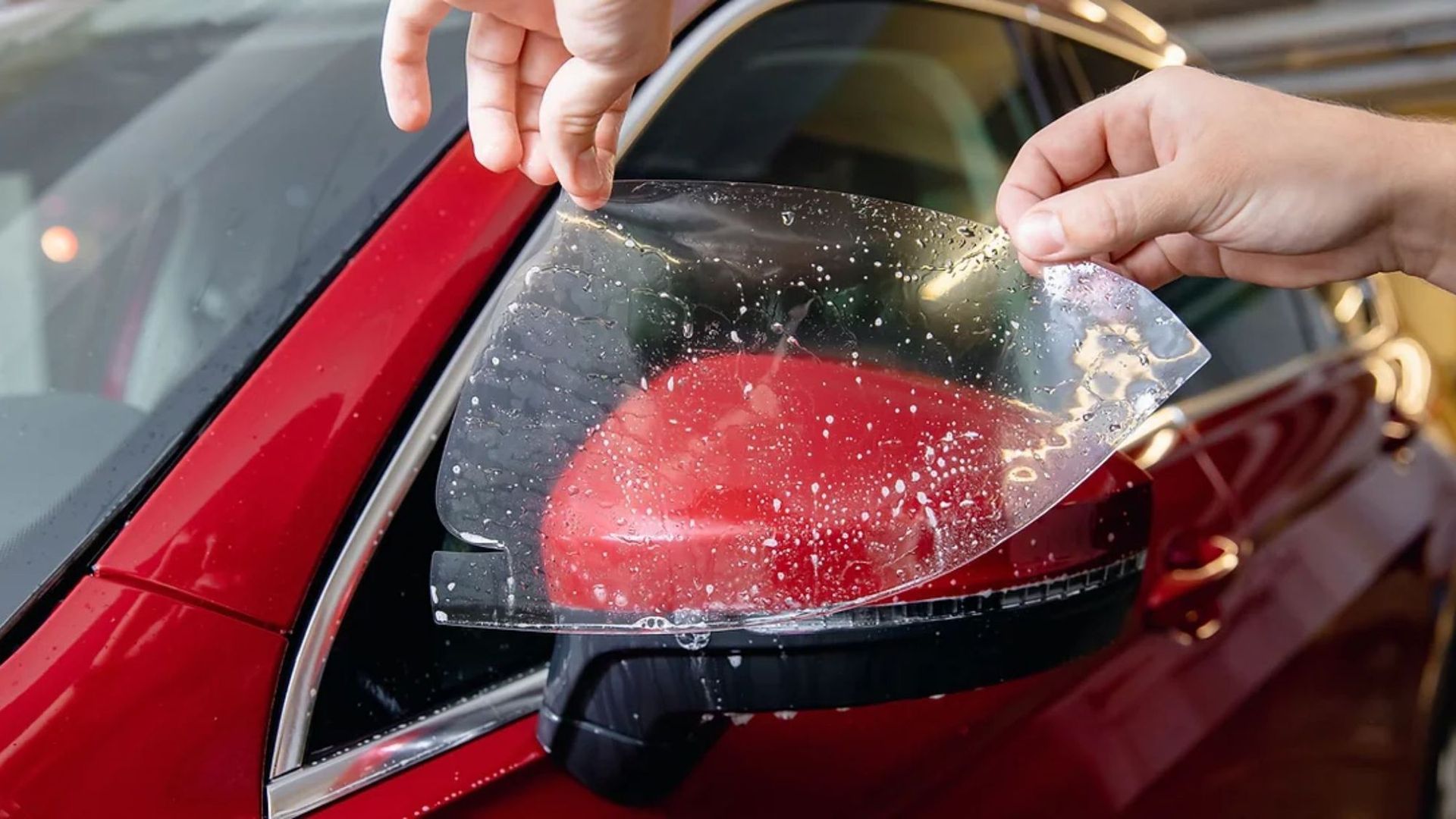
Hands peeling clear protective film from a red car headlight close-up
October 23, 2026
High-quality paint protection film does not interfere with parking sensors or vehicle cameras when installed correctly using precision techniques. For vehicle owners considering paint protection film in Little Rock, clear thermoplastic polyurethane film provides durable impact resistance for modern vehicles without disrupting sensitive advanced driver assistance systems (ADAS). Modern vehicles rely on an array of ultrasonic sensors, radar units, and high-definition cameras embedded into bumpers, grilles, and exterior mirrors. Because these safety systems safeguard lane-keeping, automated emergency braking, and parking assistance, car owners naturally worry that covering bumper panels with protective film might cause false alarms or distort camera feeds. Understanding the physics of automotive sensors, the optical properties of premium film, and the installation methods used around technical hardware ensures your vehicle remains fully protected without compromising a single driver-assist feature.
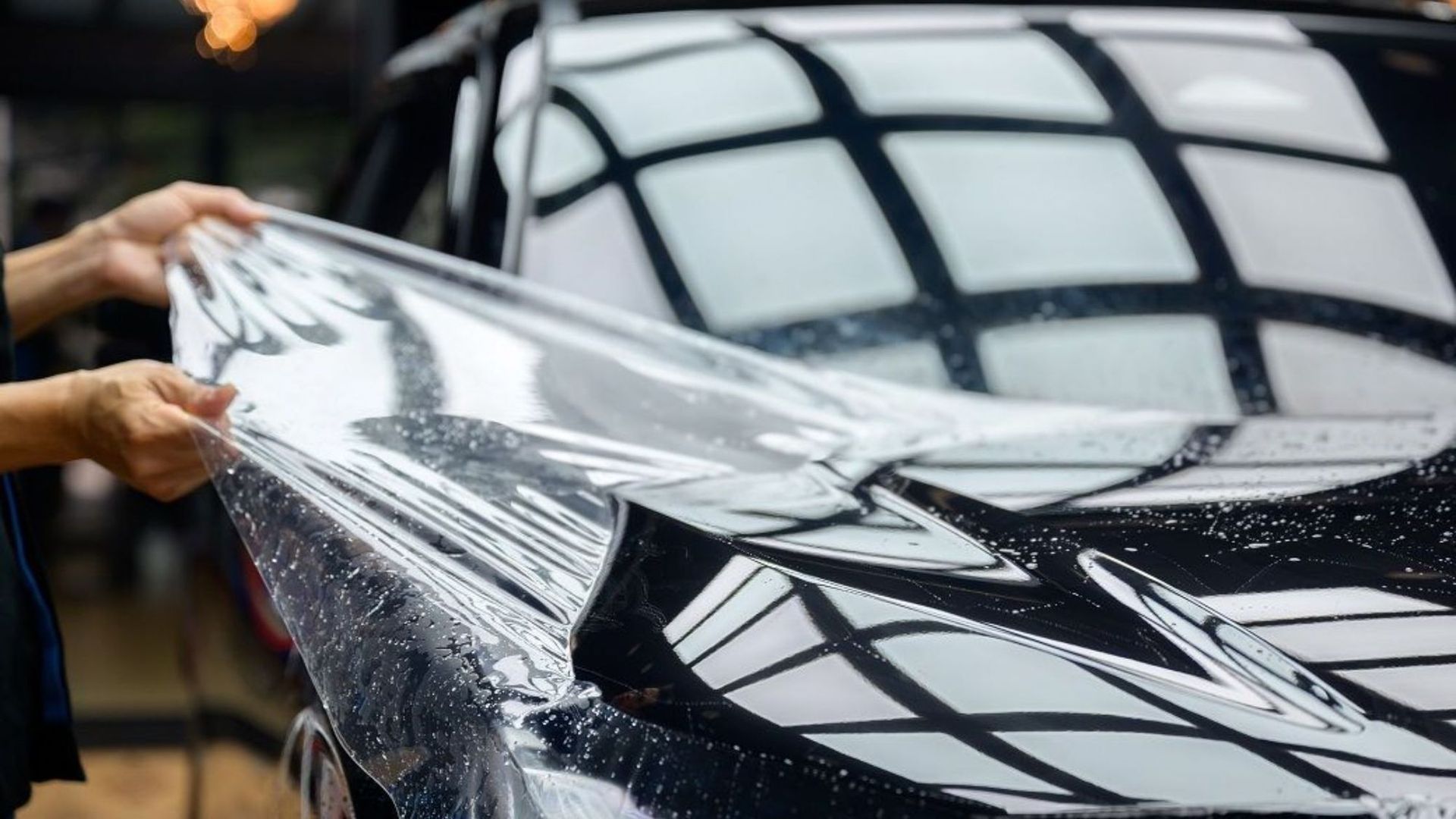
Hands stretching clear protective film over a glossy black car hood in a garage
October 23, 2026
Yes, ceramic coating can be applied directly over paint protection film to create the ultimate defense system for your vehicle exterior. For car owners investing in high-quality paint protection film in Little Rock, pairing clear urethane film with an advanced ceramic topcoat delivers physical impact resistance alongside extreme hydrophobic slickness. Paint protection film (PPF) excels at absorbing physical damage from gravel, highway debris, and minor scratches. However, standard polyurethane film has microscopic pores that can hold dirt, water spots, and road grime over time. Applying a specialized liquid ceramic coating over PPF seals these micro-pores, creating a glass-like barrier that repels water, prevents chemical etching, and keeps the film looking showroom-new. Understanding how these two technologies interact ensures you get maximum durability, effortless maintenance, and long-lasting optical clarity without compromising the self-healing abilities of your film.
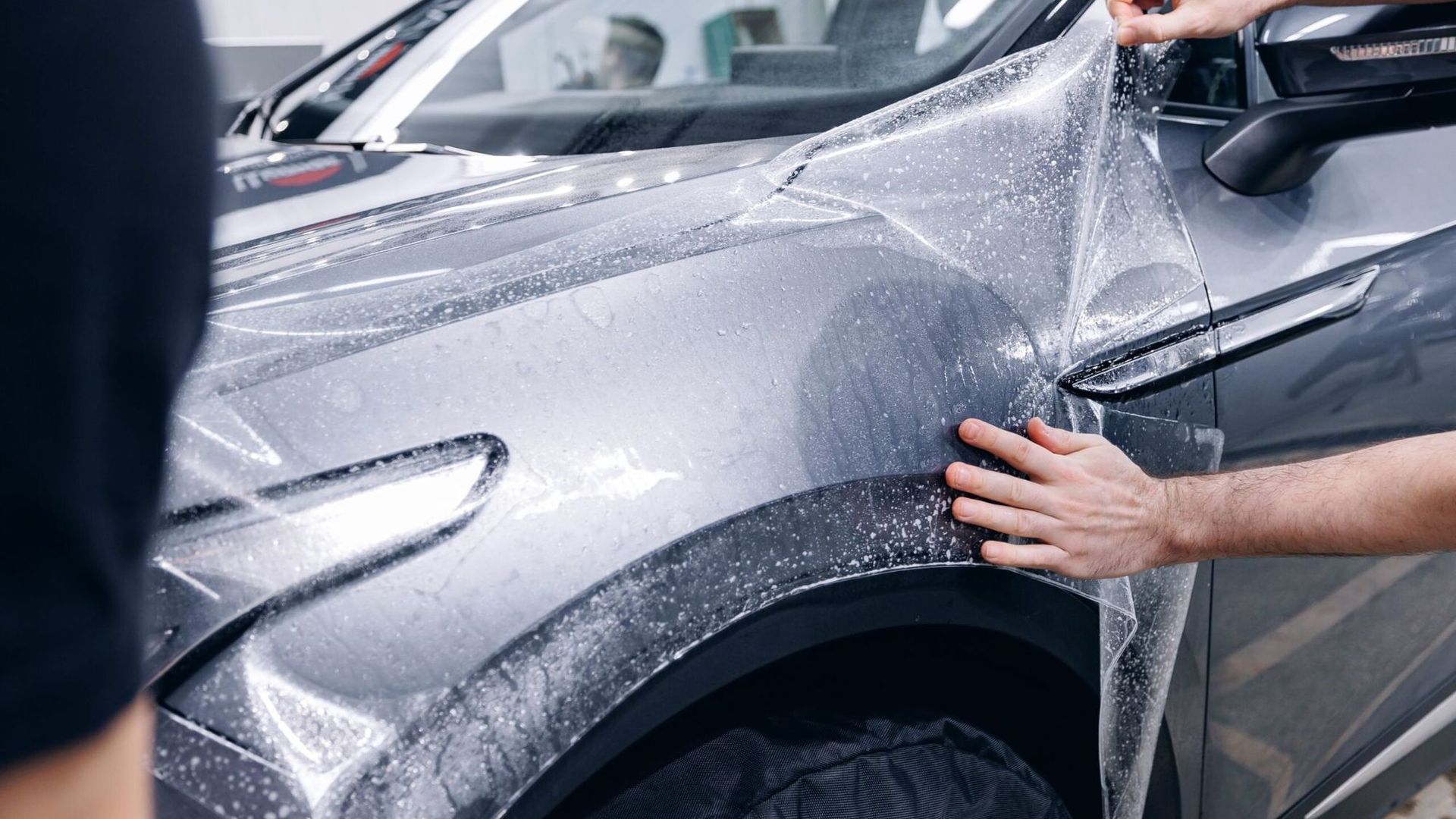
Hand inspecting a gray car’s front fender for dents or scratches
October 23, 2026
Yes, damaged paint protection film can be replaced on just one vehicle panel without having to re-wrap your entire vehicle. For vehicle owners maintaining high-quality paint protection film in Little Rock, a single-panel replacement offers an efficient way to fix localized damage while keeping the rest of your protective clear bra intact. Paint protection film (PPF) is designed in modular sections. Each body panel, such as a fender, door, hood, or bumper, receives its own custom-cut piece of film. If one panel absorbs road debris, a sharp scratch, or impact from an accident, an installer can safely peel away the compromised section and install a fresh sheet directly over the factory clear coat. Understanding how partial PPF replacement works can save you substantial time and money while preserving the appearance and resale value of your vehicle.
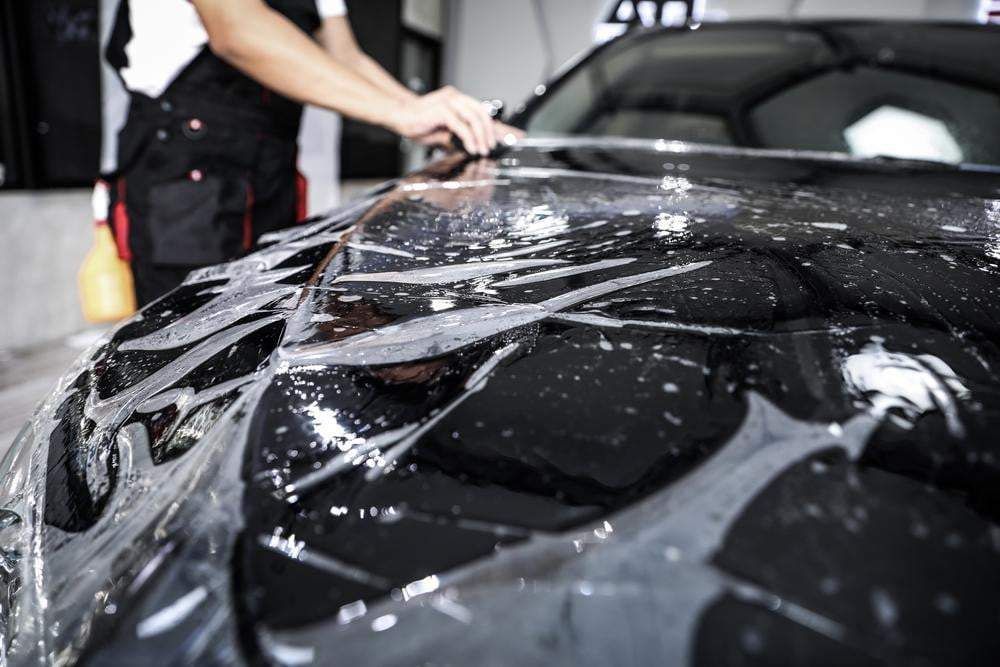
Person cleaning a black car hood with soap and water in a car wash
October 23, 2026
Explore clear, matte, and colored paint protection film options. Learn how each finish impacts your vehicle's appearance and protection. Read our guide.
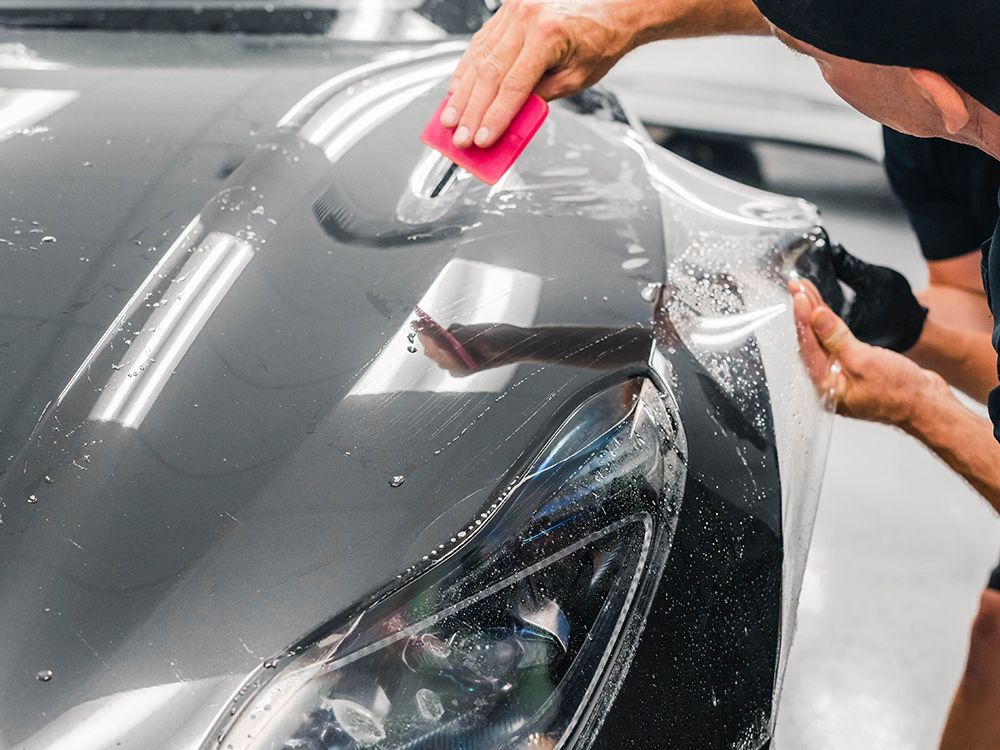
Person washing a gray car hood with a sponge and spray bottle in a car wash
October 23, 2026
Paint Protection Film Maintenance: Learn safe washing techniques, contaminant tips, and product rules to protect your investment. Learn more.
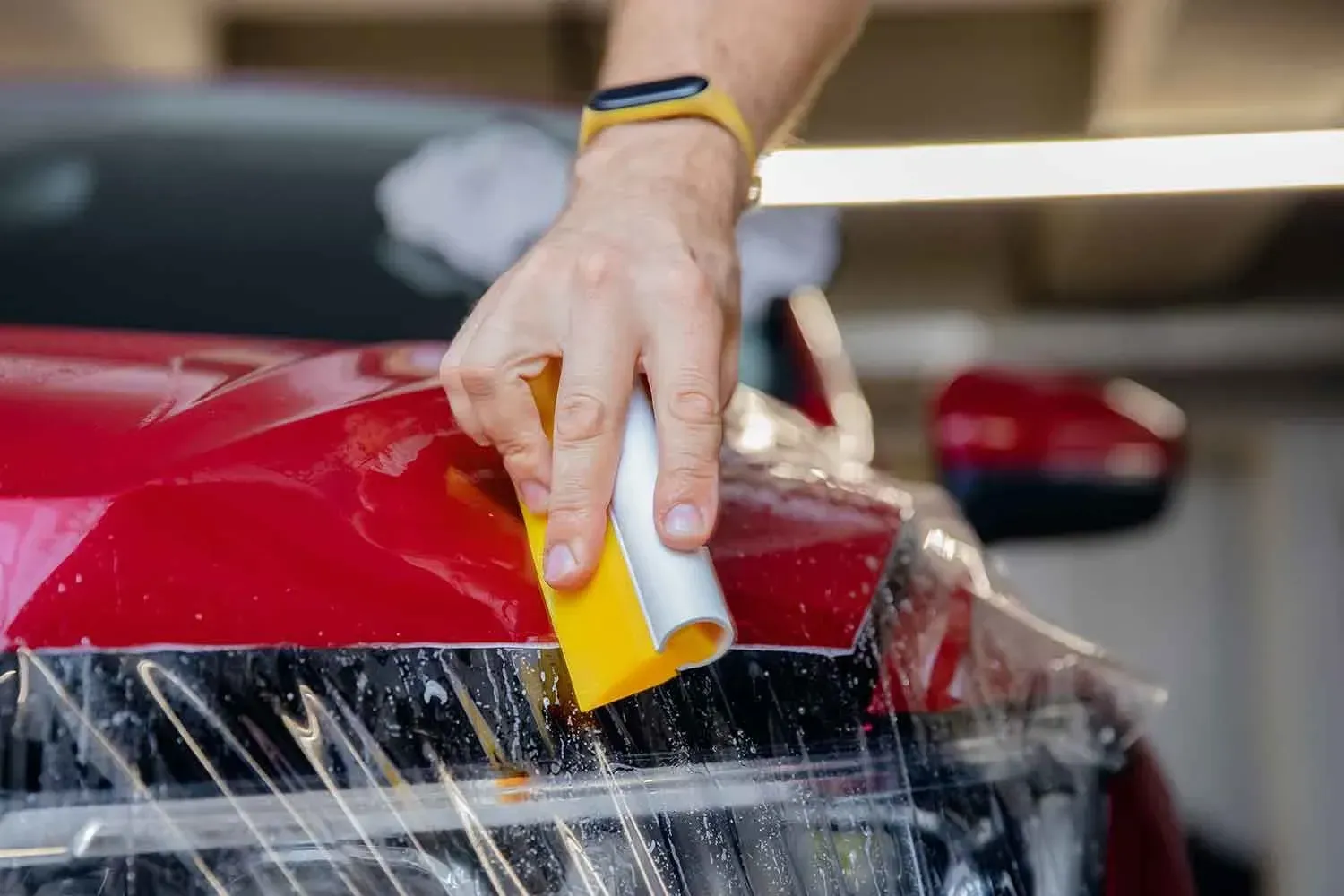
Hand washing a red car with a yellow sponge, water streaming over the hood
October 23, 2026
Is paint protection film worth it for daily drivers in Little Rock? Learn the costs, benefits, and road hazard protection. Read our guide today.
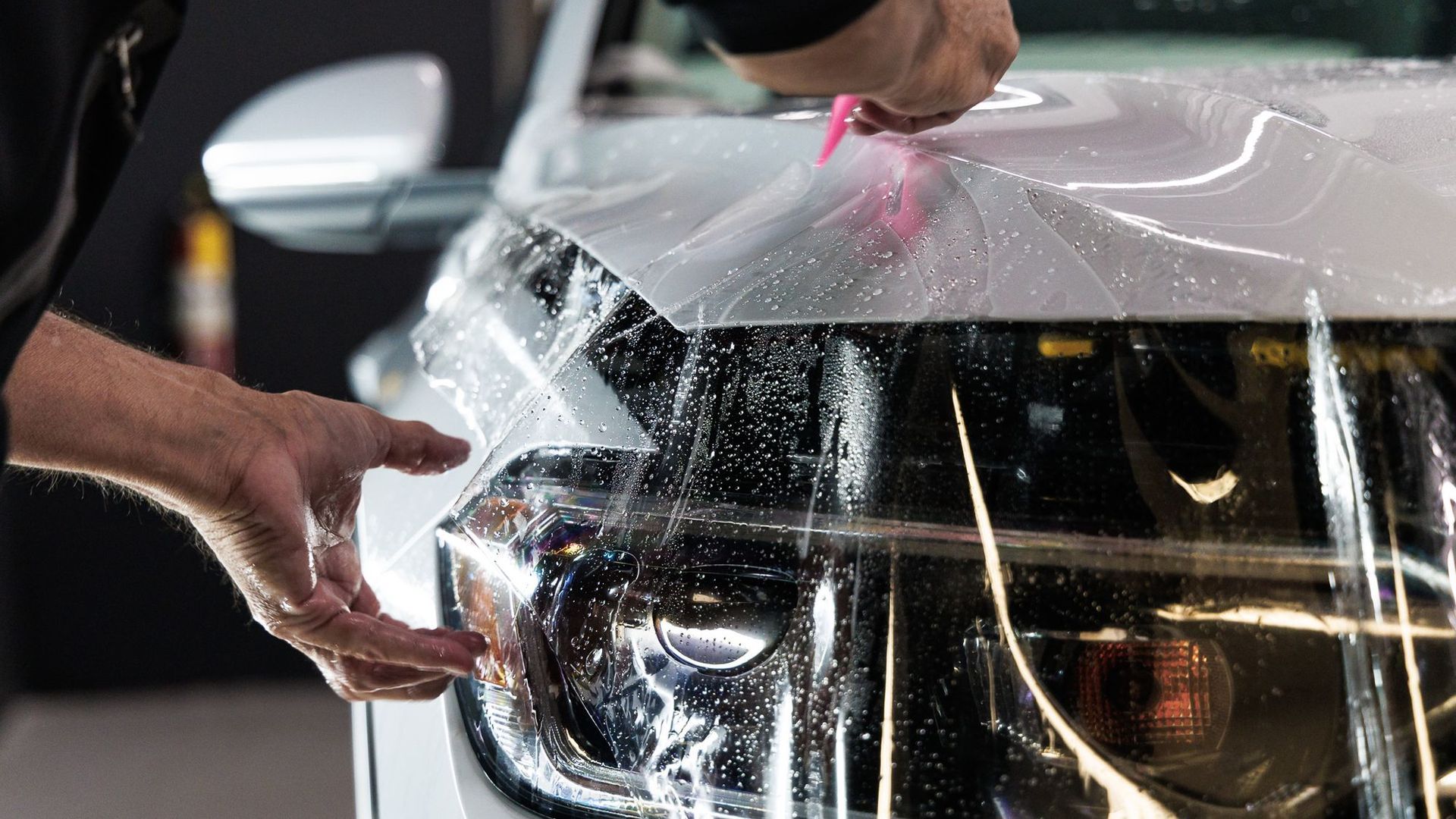
Hands applying a clear protective film to a car headlight in a workshop
October 23, 2026
Paint Protection Film: Learn how PPF and self-healing technology safeguard your vehicle's exterior from road hazards. Discover how it protects your car.
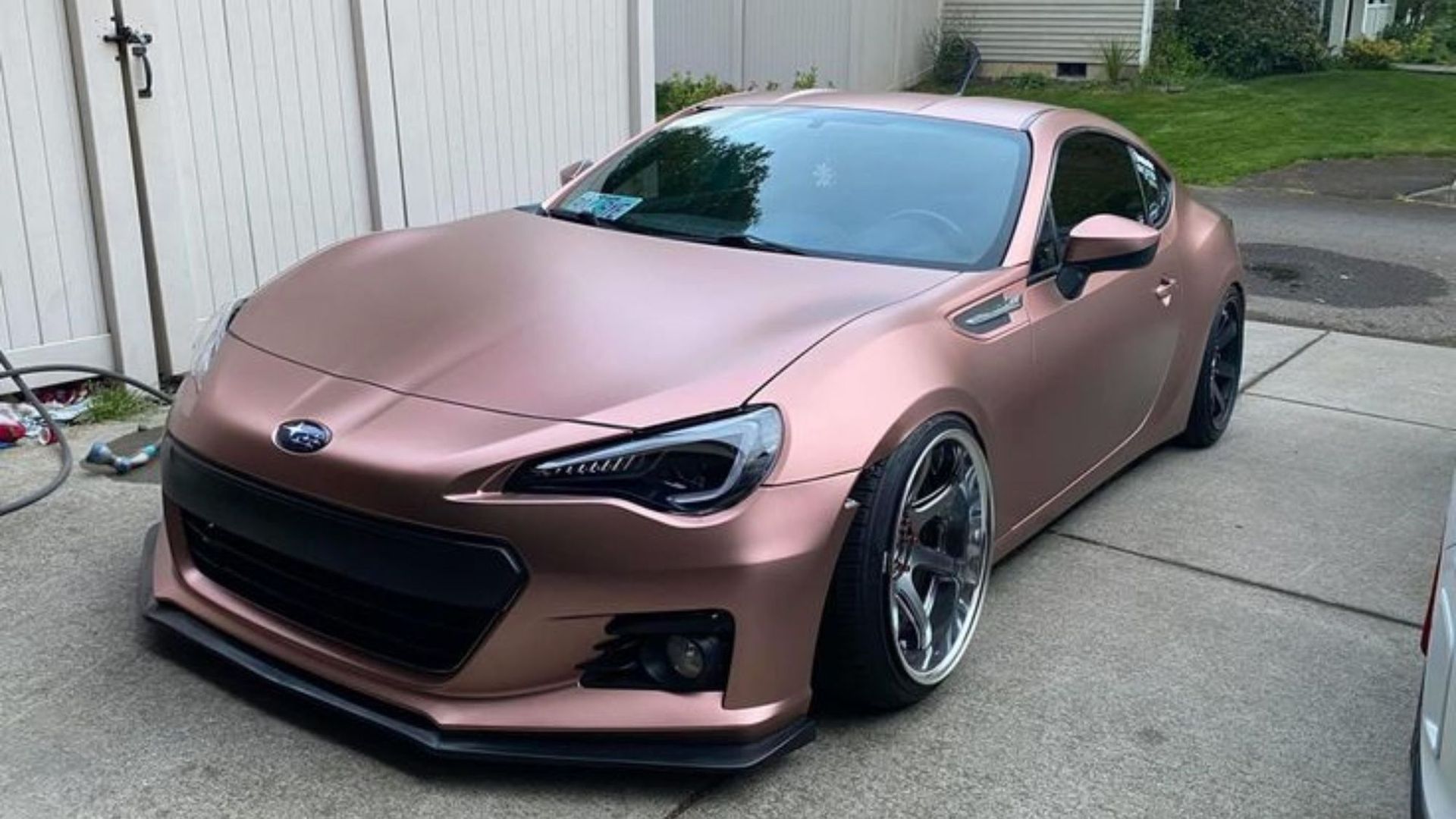
Rose gold sports coupe parked in a driveway beside a white garage, front-left view.
October 23, 2026
Window Tint Warranties: Understand what coverage to expect, including material failures & labor. Learn about manufacturer vs. shop warranties & climate impact.
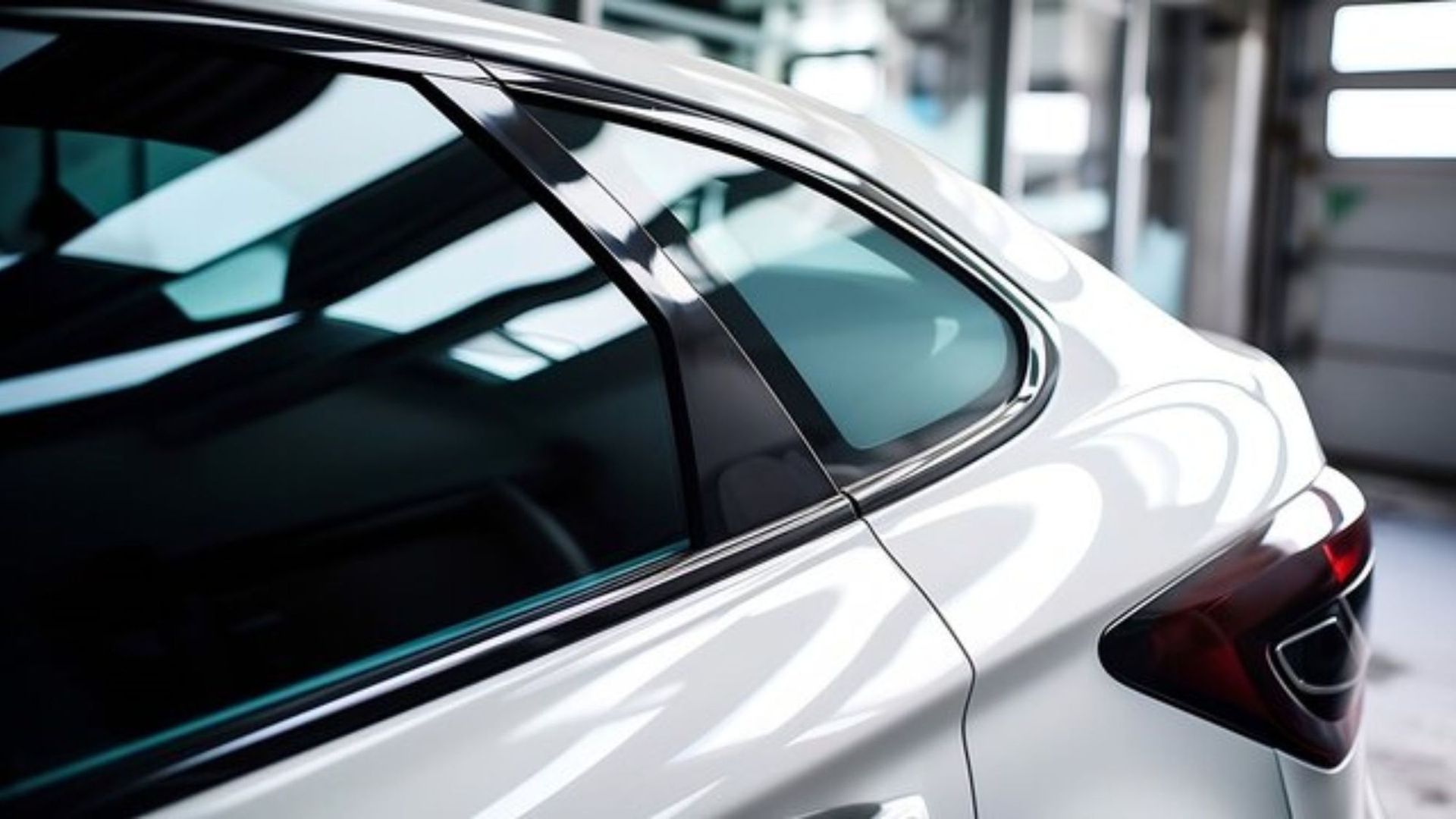
Close-up of a white sports car’s rear side window and taillight in a showroom
October 23, 2026
Protect your car's glass with professional window tint. Learn how Extreme Clean Auto Studio in Little Rock safeguards against UV rays and damage.
SHOW MORE