Why Do Little Rock Drivers Choose Ceramic Car Window Tinting for Better Comfort?

Share this article

Resale Value

Vehicle Specific Applications

Lifetime Durability

In Central Arkansas, the heat is more than just a seasonal inconvenience; it is a significant factor that dictates how we use our vehicles. Little Rock drivers are increasingly moving away from traditional dyed films in favor of advanced ceramic technology to combat the stifling humidity and intense solar radiation. Choosing window tinting in Little Rock that utilizes nano-ceramic particles provides a massive leap in thermal rejection, keeping the cabin cool even when parked near the River Market or during a long commute through West Little Rock. This guide explores how ceramic films specifically target infrared heat to provide a level of comfort that standard films simply cannot match.

Does ceramic window tint really keep a car cooler?

Yes, ceramic window tint is arguably the most effective tool available for maintaining a cool vehicle interior in high-heat climates. Unlike basic films that primarily block visible light, ceramic technology is engineered to filter out the infrared spectrum, which is the specific wavelength of solar energy that we feel as heat. When you choose ceramic car window tinting, you are installing a specialized layer that can reject up to 90% of infrared heat. This means that instead of the glass absorbing and radiating heat into your lap, the thermal energy is reflected back toward the exterior.


The difference in comfort is immediately noticeable for anyone traveling through busy corridors like I-630 or Chenal Parkway. In a vehicle equipped with a premium automotive tint film, the air conditioning system can reach a comfortable temperature much faster, and the interior surfaces, such as the steering wheel and leather seats—remain cool to the touch. This efficiency is a primary reason why local residents consider ceramic tint a necessary investment rather than a luxury, especially during the peak of an Arkansas summer.

What are the primary ceramic car window tinting benefits for comfort?

While standard tints provide privacy and a darker aesthetic, ceramic films focus on the science of thermal management. The comfort benefits extend beyond just the air temperature inside the cabin.


  • Infrared Heat Blocking: Ceramic particles specifically target the heat-carrying rays of the sun, preventing them from penetrating the glass.
  • Balanced Light Transmission: You can achieve high heat rejection even with lighter shades, which is perfect for drivers who want to maintain visibility during night driving in Hillcrest.
  • No Signal Interference: Unlike metallic films, ceramic is non-conductive, ensuring your GPS, Bluetooth, and mobile signals stay strong while navigating downtown Little Rock.
  • Skin Surface Protection: By blocking the "burning" sensation of direct sunlight, ceramic tint makes long drives to nearby suburbs like Sherwood or Maumelle much more pleasant.


Upgrading to a high-performance film is a strategic move for any vehicle owner. If you are looking to improve your daily drive, contact us to learn more about our options and view our 347 5-star Google reviews from satisfied local clients.

How does premium automotive tint film protect your vehicle's interior?

Protecting your vehicle's interior is a critical component of long-term comfort and value. The intense UV radiation in Central Arkansas acts like a slow-burning fire on your dashboard and upholstery, causing materials to become brittle and discolored.

Dashboard Preservation

Your dashboard is the largest horizontal surface in your car and absorbs the most direct sunlight. Without the protection of a premium automotive tint film, the heat can cause the plastic to expand and eventually crack. Ceramic films act as a shield, keeping the surface temperature of the dashboard significantly lower and preventing the chemical breakdown of the materials.

Upholstery Longevity

Whether your car has luxury leather or high-end fabric, UV-A and UV-B rays will eventually bleach the color and weaken the fibers. Ceramic films block 99% of these harmful rays, ensuring that your interior looks as fresh as the day you bought it. This is particularly valuable for residents who frequent outdoor areas like Murray Park or Pinnacle Mountain State Park, where vehicles are often left in the sun for hours.

Why is infrared heat-blocking tint essential for modern vehicles?

Modern vehicles, especially those with large glass surfaces like SUVs or luxury sedans, act as greenhouses. Infrared heat-blocking tint is essential because it addresses the core cause of cabin overheating rather than just masking it with a darker window.


  • Reduced AC Dependency: When the film blocks the heat, your air conditioning doesn't have to work at full capacity, which reduces noise and vibration in the cabin.
  • Electric Vehicle Efficiency: For EV owners in Little Rock, reducing the load on the climate control system can lead to a measurable increase in driving range per charge.
  • Consistent Temperatures: Ceramic film helps maintain a stable temperature throughout the cabin, preventing hot spots near the windows that can make passengers uncomfortable.


Selecting a film that specifically targets infrared energy ensures that you are getting the most advanced protection available. Our team at Extreme Clean Auto Studio specializes in matching the right film technology to your specific driving habits and comfort needs.

How does ceramic tint compare to carbon and dyed films?

Understanding the hierarchy of window films helps clarify why ceramic is the preferred choice for those prioritizing comfort. While dyed and carbon films have their place, they often fall short in extreme heat scenarios.

Dyed Window Film

Dyed films are the most affordable but offer the least amount of heat rejection. They work by absorbing solar energy into the glass, which can eventually radiate into the car. Over time, these films are prone to fading and losing their effectiveness.

Carbon Window Film

Carbon film is a step up, offering better heat rejection and a matte finish that doesn't fade. However, it still lacks the precision of nano-ceramic particles. It is a good mid-range option but may not provide enough relief for the hottest days in Pulaski County.

Ceramic Window Film

As the top-tier option, ceramic film provides the highest level of Total Solar Energy Rejection (TSER). It offers the best combination of clarity, heat rejection, and longevity, making it the superior choice for drivers who want the ultimate in-car environment.

Performance Metric Dyed Film Carbon Film Ceramic Film
Infrared Rejection 10% - 20% 40% - 50% 80% - 95%+
UV Protection 90% 99% 99.9%
Visible Clarity Moderate High Excellent
Color Stability Low High Highest
Price Point Low Moderate Premium

Local Factors: Why Little Rock Climate Demands Ceramic

Little Rock sits in a geographical position that experiences high humidity coupled with intense solar heat. This combination creates a "wet heat" that can make a car interior feel oppressive even if the AC is running. In urban environments like Midtown or the Heights, the asphalt and buildings trap heat, further increasing the ambient temperature around your vehicle.


When you're stuck in traffic on the I-430 bridge, the sun is reflecting off the water and the surrounding cars, hitting your glass from multiple angles. Without window tinting in Little Rock that features ceramic technology, your windows become heaters. Professional ceramic film installation ensures that your car remains a sanctuary of cool air, regardless of the temperature at War Memorial Stadium or the Little Rock Zoo.

Common Myths About High-End Ceramic Tint

Many drivers have questions about what makes ceramic tint different. Addressing these common myths can help you decide if the investment is right for you.

Myth 1: Ceramic Tint Must Be Dark to Work

The most impressive part of ceramic technology is that it doesn't need to be dark to block heat. You can choose a nearly clear film that still blocks more infrared energy than the darkest cheap dyed film. This is a great option for people who want protection without changing the look of their car.

Myth 2: All Ceramic Tints Are the Same

There are different grades of ceramic film. Some "entry-level" ceramics offer moderate performance, while premium series like those we install provide the highest possible infrared rejection. Always ask for the TSER rating of the specific film being used.

Myth 3: Ceramic Tint Is Only for Luxury Cars

While luxury car owners often choose ceramic, it is an equally smart investment for daily drivers, family SUVs, and work trucks. Anyone who spends significant time on the road in Arkansas will benefit from the improved comfort and health protection.

Frequently Asked Questions (People Also Ask)

Is ceramic window tint worth the extra cost?

For drivers in Little Rock, the answer is almost always yes. The superior heat rejection, lifetime durability, and protection of your vehicle's interior materials provide a long-term value that far outweighs the initial price difference compared to basic films.

How much cooler does ceramic tint make your car?

While results vary by vehicle size and glass area, most users report that their interior surface temperatures are 20 to 30 degrees cooler after installing ceramic film. This allows the cabin to reach a comfortable temperature in a fraction of the time it took before.

Can ceramic tint interfere with my car's sensors?

No. One of the main advantages of ceramic film is that it is non-metallic. This means it will not interfere with radio signals, GPS navigation, tire pressure monitoring systems, or mobile phone reception, which is a common problem with metallic "reflective" tints.

Does ceramic window tint help with glare?

Yes. Ceramic films are excellent at reducing the blinding glare from the sun and the harsh reflections from headlights at night. This significantly reduces eye strain during long drives along the Arkansas River or through the busy streets of downtown.

How long does ceramic tint last in Arkansas?

High-quality ceramic films are designed to last the entire lifetime of your vehicle. They are highly resistant to bubbling, peeling, and color shifting. Most professional installations come with a manufacturer-backed lifetime warranty, ensuring your comfort is protected for years to come.

Final Thoughts: Ceramic Tint for Comfort, Safety & Durability

Choosing the right protection for your vehicle is essential for navigating the unique climate of Central Arkansas. By opting for window tinting in Little Rock that utilizes advanced ceramic technology, you are prioritizing your comfort, safety, and the longevity of your vehicle’s interior. The ability of ceramic film to block infrared heat while maintaining perfect clarity makes it the ultimate upgrade for any driver. Whether you are commuting to the University of Arkansas at Little Rock or enjoying a weekend in the Chenal Valley area, the difference in cabin temperature is something you will appreciate every single day.


When you are ready to upgrade your driving experience, Extreme Clean Auto Studio is the trusted local provider you can rely on. With a perfect 5-star rating and 347 Google reviews, our team is dedicated to providing the highest quality premium automotive tint film installations in the region. We focus on precision, transparency, and delivering a product that keeps you cool and protected for as long as you own your vehicle.

Recent Posts

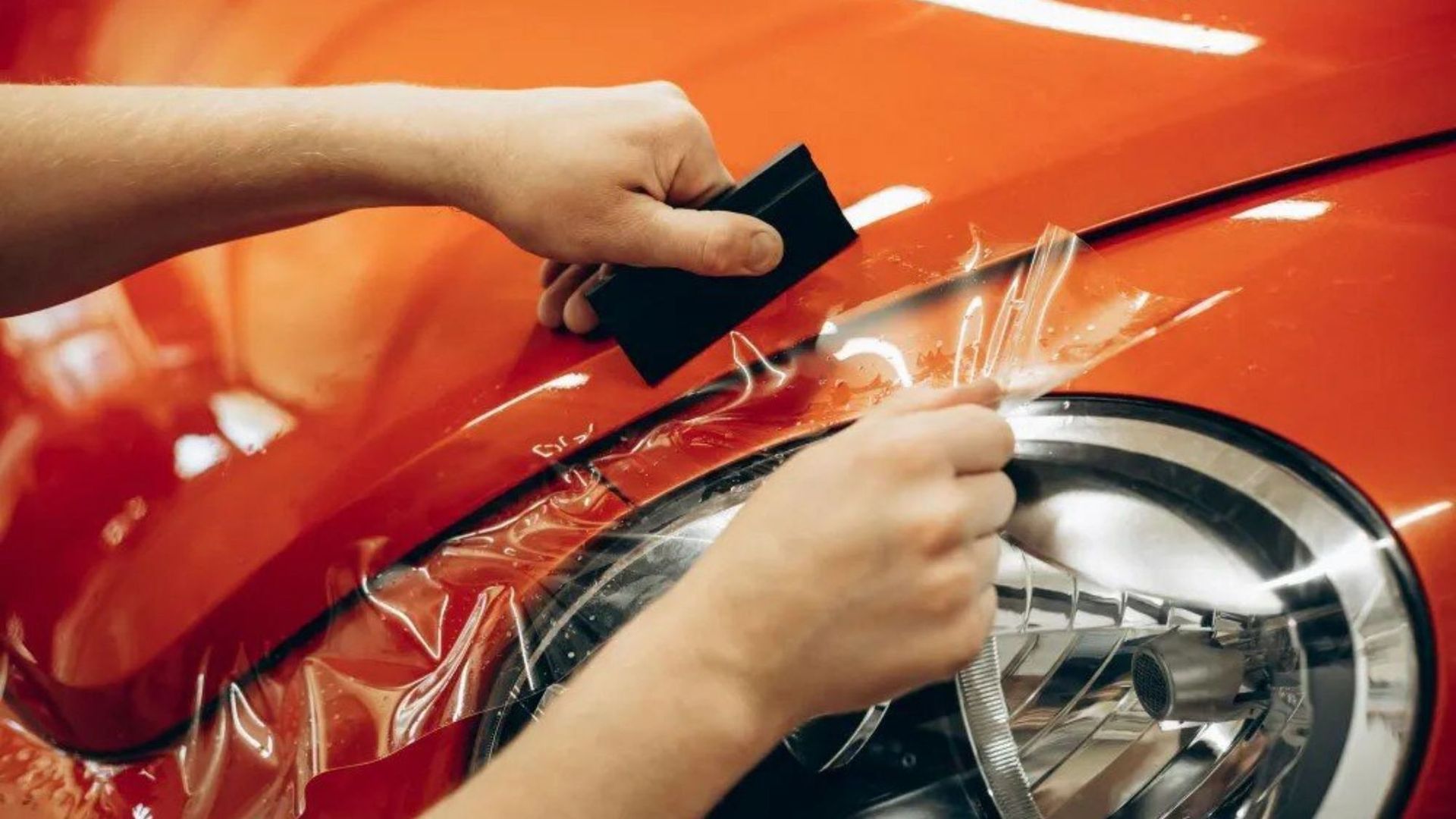
Hands applying clear film to a red car’s fender near the headlight.
October 23, 2026
Paintless dent repair can be performed without removing paint protection film in many situations, provided the technician can access the underside of the panel and the film has not stretched, torn, or lifted. For vehicle owners maintaining paint protection film in Little Rock, pairing non-invasive dent repair techniques with durable clear bra protection allows you to preserve original factory finishes and avoid the expense of re-wrapping body panels. Vehicle owners invest in thermoplastic polyurethane film primarily to block rock chips, scratches, and highway debris. While paint protection film (PPF) absorbs blunt surface energy, it cannot prevent deep sheet-metal depressions caused by runaway shopping carts, heavy hail strikes, or stray car doors. When an impact leaves a noticeable dent behind an intact layer of film, owners naturally wonder if the costly film must be peeled off and discarded before the metal can be manipulated back into position. Understanding the mechanics of paintless dent repair, how specialized tools interact with polyurethane, and when glue pulling versus backside pushing is safe helps drivers protect both their paint and their protective film investment.
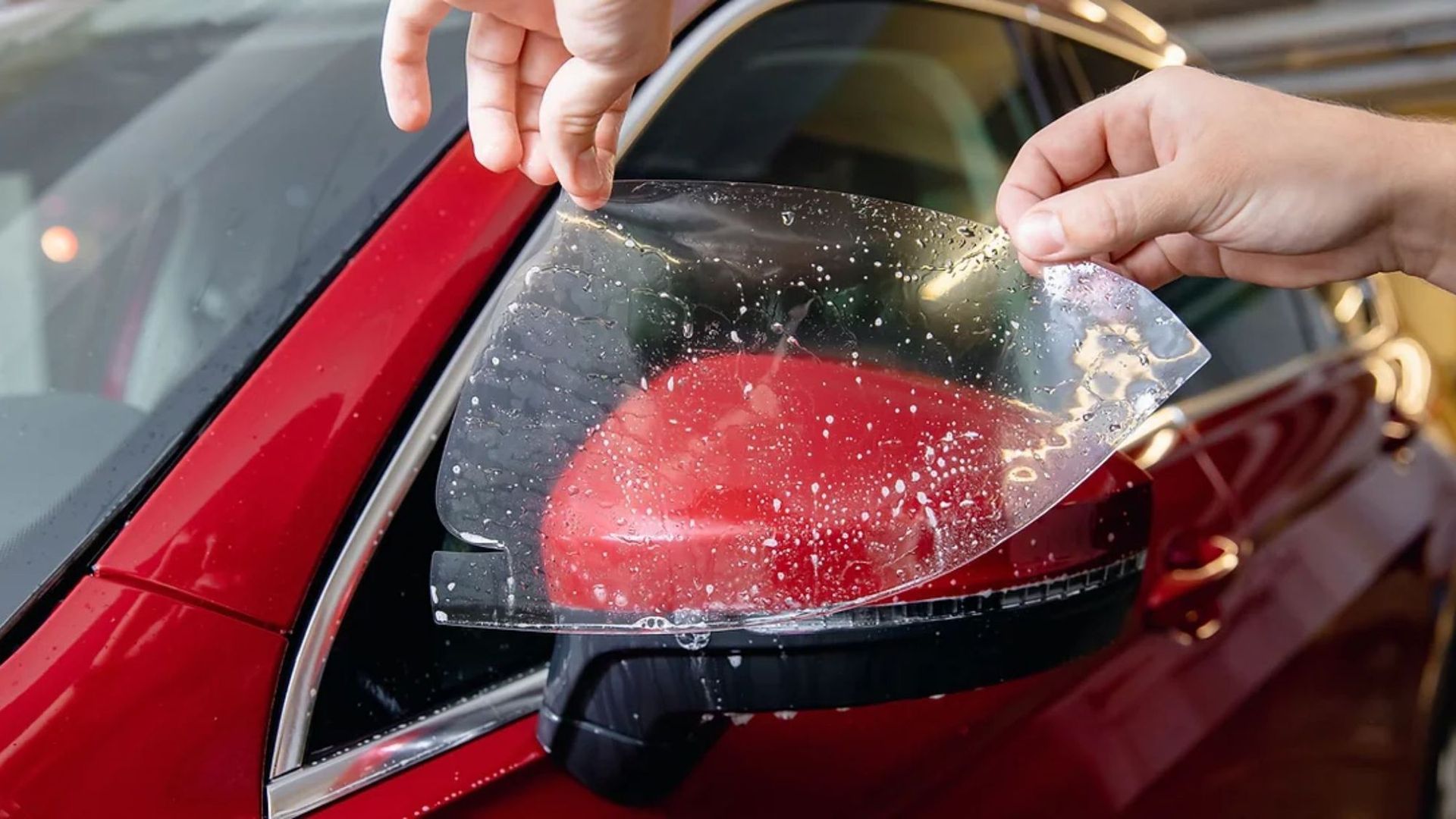
Hands peeling clear protective film from a red car headlight close-up
October 23, 2026
High-quality paint protection film does not interfere with parking sensors or vehicle cameras when installed correctly using precision techniques. For vehicle owners considering paint protection film in Little Rock, clear thermoplastic polyurethane film provides durable impact resistance for modern vehicles without disrupting sensitive advanced driver assistance systems (ADAS). Modern vehicles rely on an array of ultrasonic sensors, radar units, and high-definition cameras embedded into bumpers, grilles, and exterior mirrors. Because these safety systems safeguard lane-keeping, automated emergency braking, and parking assistance, car owners naturally worry that covering bumper panels with protective film might cause false alarms or distort camera feeds. Understanding the physics of automotive sensors, the optical properties of premium film, and the installation methods used around technical hardware ensures your vehicle remains fully protected without compromising a single driver-assist feature.
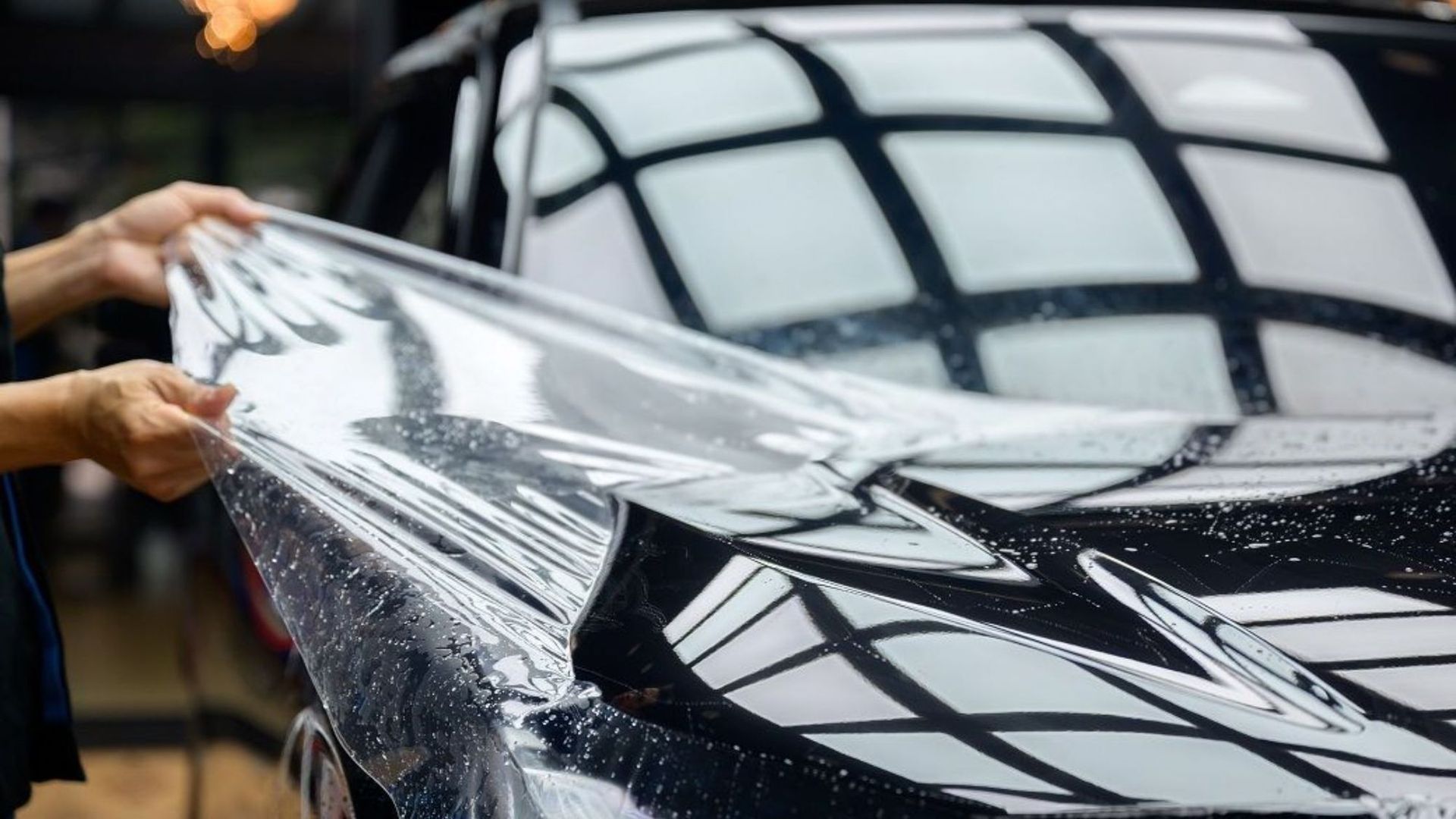
Hands stretching clear protective film over a glossy black car hood in a garage
October 23, 2026
Yes, ceramic coating can be applied directly over paint protection film to create the ultimate defense system for your vehicle exterior. For car owners investing in high-quality paint protection film in Little Rock, pairing clear urethane film with an advanced ceramic topcoat delivers physical impact resistance alongside extreme hydrophobic slickness. Paint protection film (PPF) excels at absorbing physical damage from gravel, highway debris, and minor scratches. However, standard polyurethane film has microscopic pores that can hold dirt, water spots, and road grime over time. Applying a specialized liquid ceramic coating over PPF seals these micro-pores, creating a glass-like barrier that repels water, prevents chemical etching, and keeps the film looking showroom-new. Understanding how these two technologies interact ensures you get maximum durability, effortless maintenance, and long-lasting optical clarity without compromising the self-healing abilities of your film.
Hand inspecting a gray car’s front fender for dents or scratches
October 23, 2026
Yes, damaged paint protection film can be replaced on just one vehicle panel without having to re-wrap your entire vehicle. For vehicle owners maintaining high-quality paint protection film in Little Rock, a single-panel replacement offers an efficient way to fix localized damage while keeping the rest of your protective clear bra intact. Paint protection film (PPF) is designed in modular sections. Each body panel, such as a fender, door, hood, or bumper, receives its own custom-cut piece of film. If one panel absorbs road debris, a sharp scratch, or impact from an accident, an installer can safely peel away the compromised section and install a fresh sheet directly over the factory clear coat. Understanding how partial PPF replacement works can save you substantial time and money while preserving the appearance and resale value of your vehicle.
Person cleaning a black car hood with soap and water in a car wash
October 23, 2026
Explore clear, matte, and colored paint protection film options. Learn how each finish impacts your vehicle's appearance and protection. Read our guide.
Person washing a gray car hood with a sponge and spray bottle in a car wash
October 23, 2026
Paint Protection Film Maintenance: Learn safe washing techniques, contaminant tips, and product rules to protect your investment. Learn more.
Hand washing a red car with a yellow sponge, water streaming over the hood
October 23, 2026
Is paint protection film worth it for daily drivers in Little Rock? Learn the costs, benefits, and road hazard protection. Read our guide today.
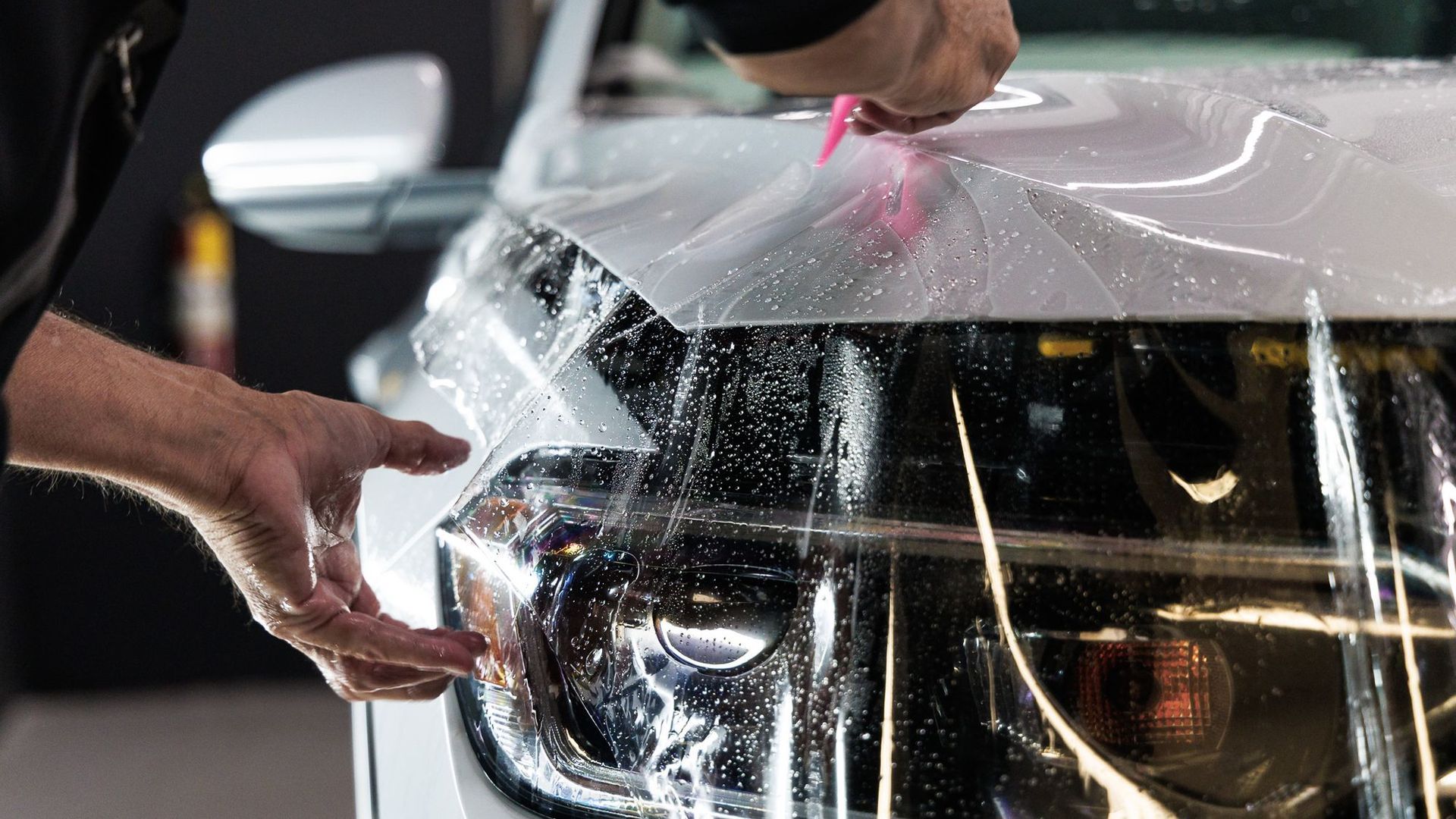
Hands applying a clear protective film to a car headlight in a workshop
October 23, 2026
Paint Protection Film: Learn how PPF and self-healing technology safeguard your vehicle's exterior from road hazards. Discover how it protects your car.
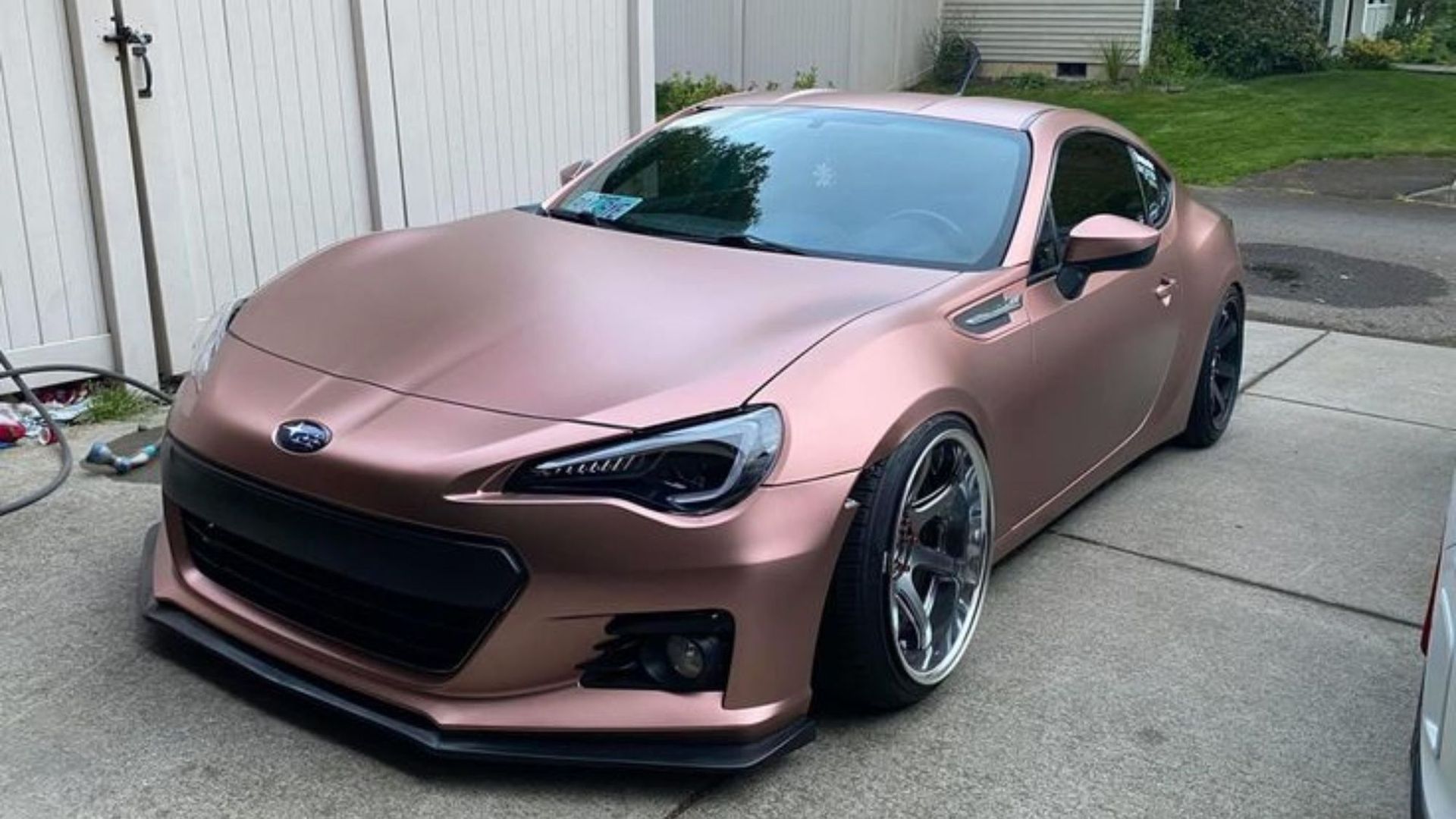
Rose gold sports coupe parked in a driveway beside a white garage, front-left view.
October 23, 2026
Window Tint Warranties: Understand what coverage to expect, including material failures & labor. Learn about manufacturer vs. shop warranties & climate impact.
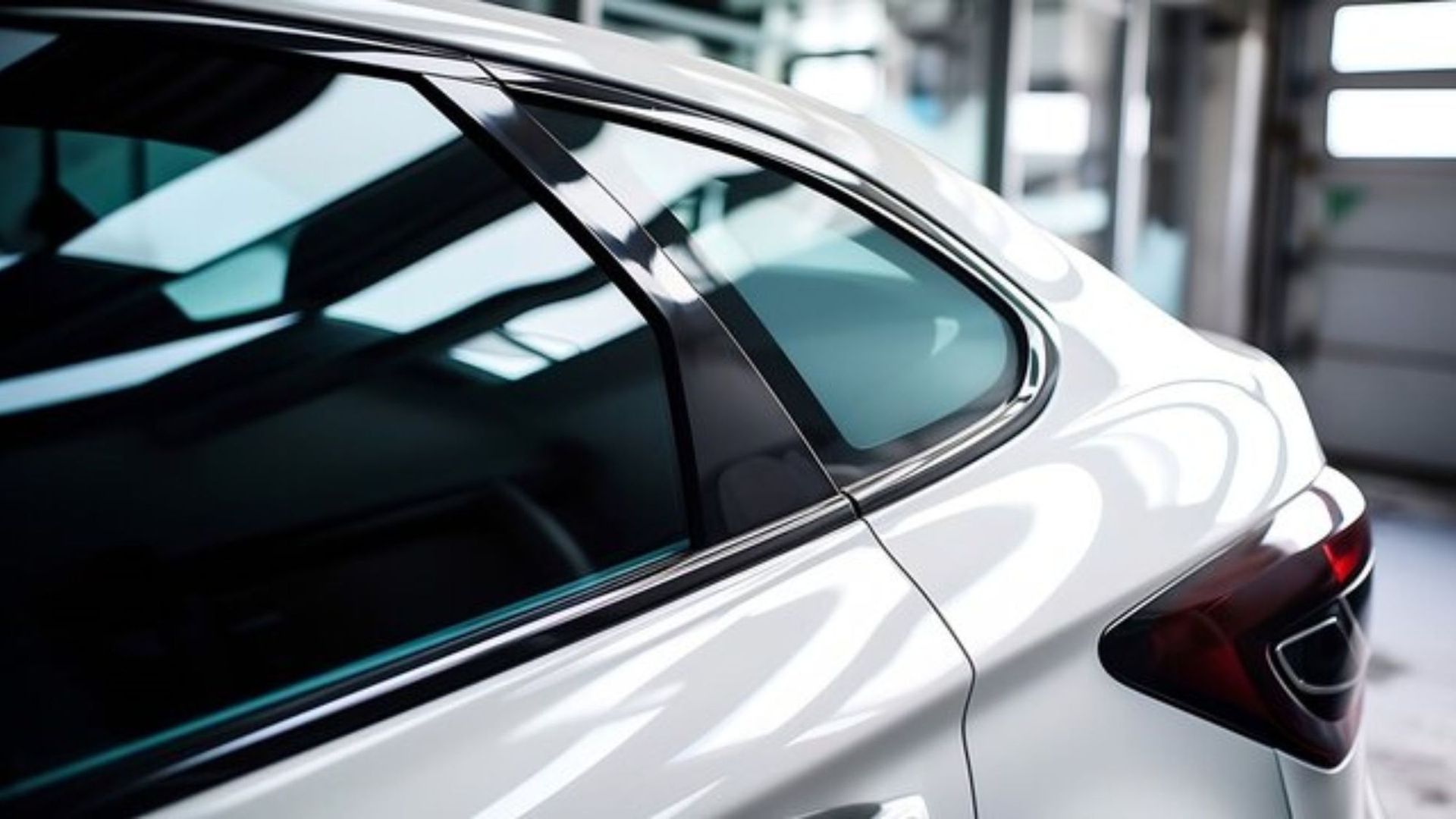
Close-up of a white sports car’s rear side window and taillight in a showroom
October 23, 2026
Protect your car's glass with professional window tint. Learn how Extreme Clean Auto Studio in Little Rock safeguards against UV rays and damage.
SHOW MORE