Can Ceramic Coating Be Applied Over Paint Protection Film?
.jpg)
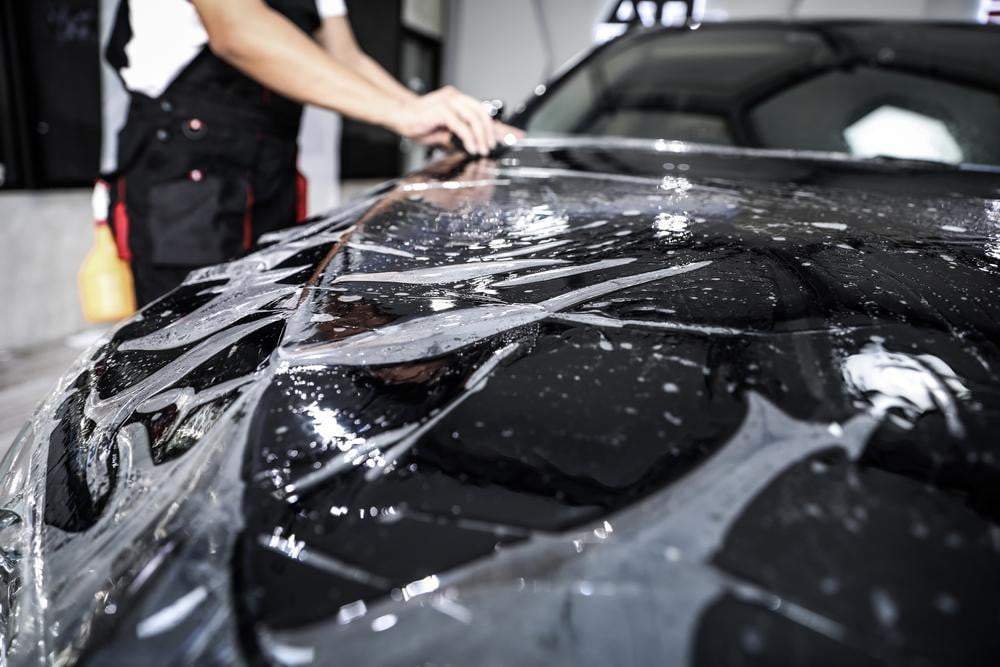
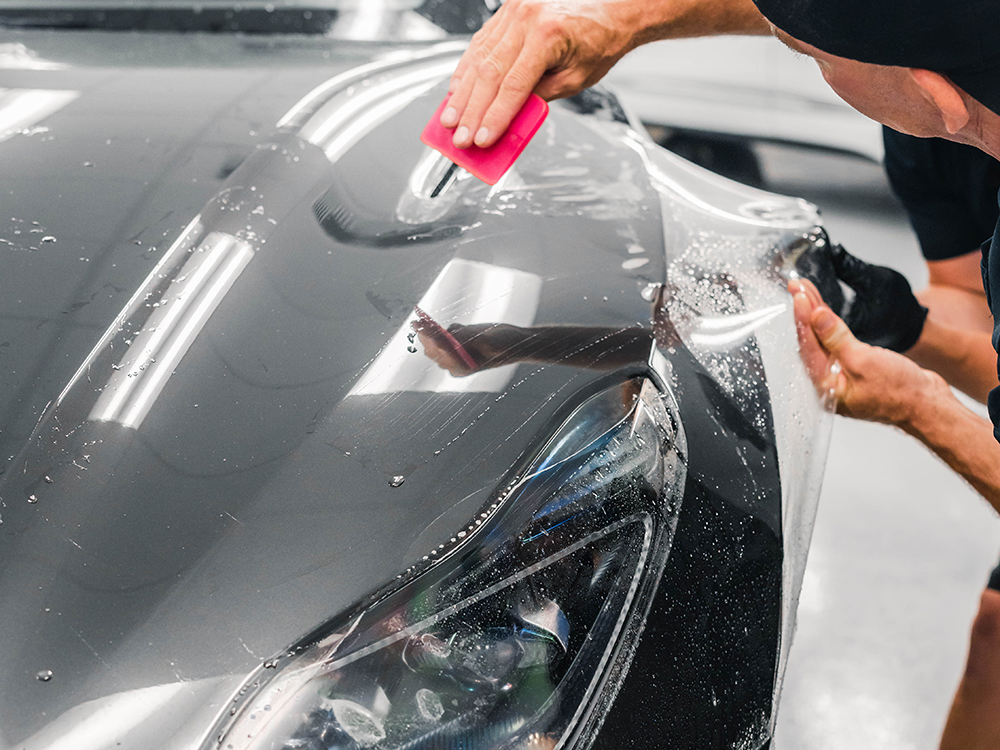
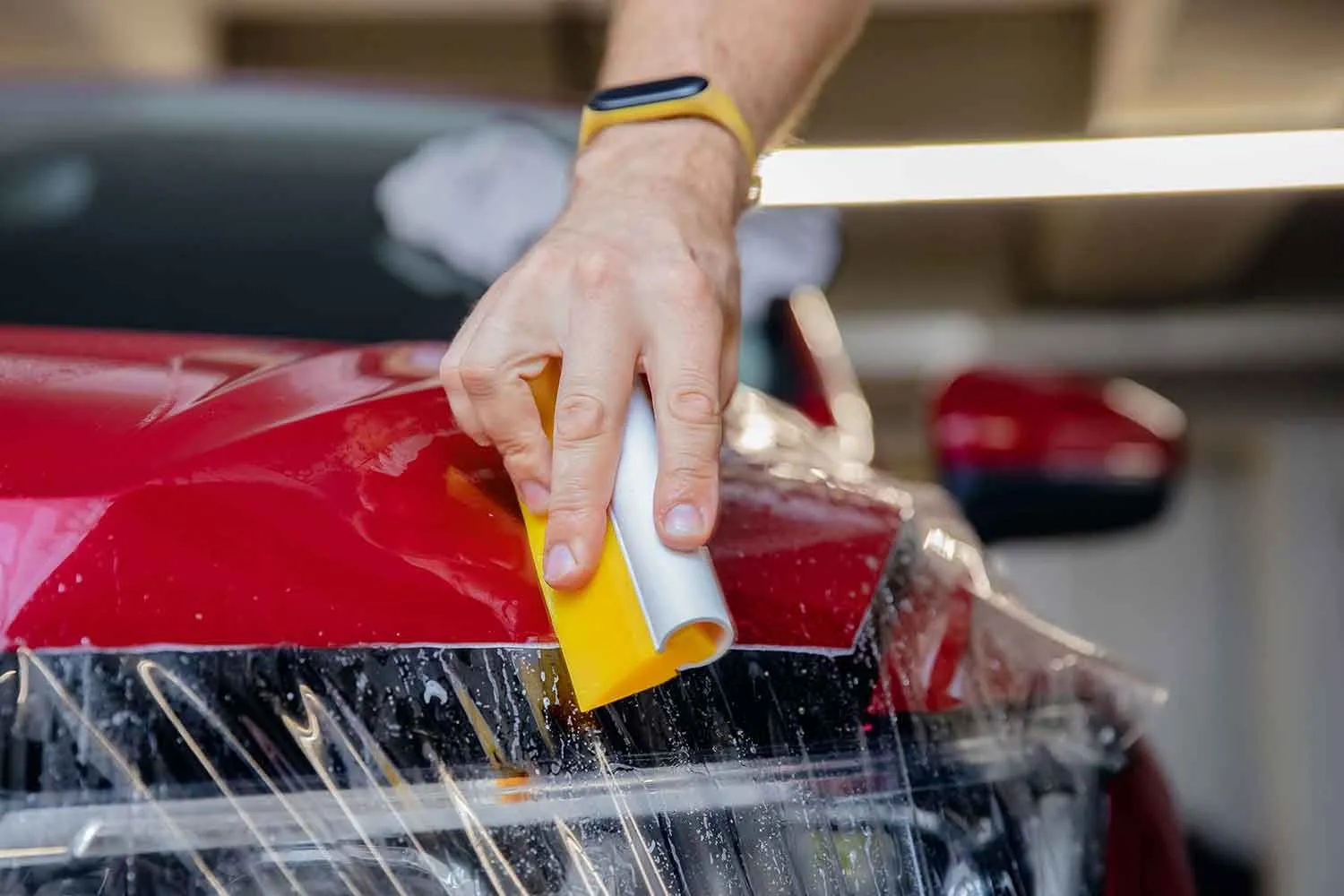
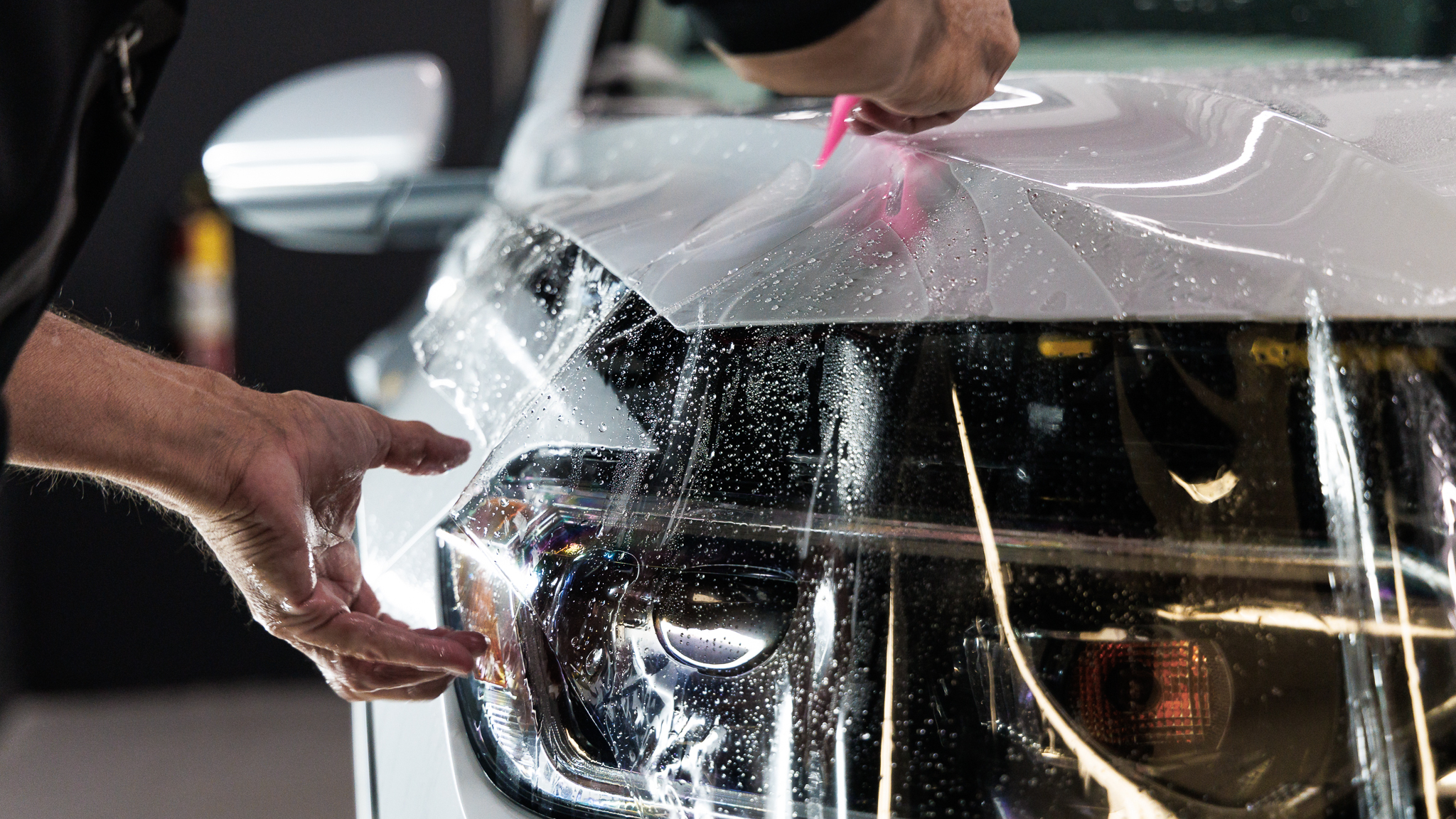
Yes, ceramic coating can be applied directly over paint protection film to create the ultimate defense system for your vehicle exterior. For car owners investing in high-quality paint protection film in Little Rock, pairing clear urethane film with an advanced ceramic topcoat delivers physical impact resistance alongside extreme hydrophobic slickness.
Paint protection film (PPF) excels at absorbing physical damage from gravel, highway debris, and minor scratches. However, standard polyurethane film has microscopic pores that can hold dirt, water spots, and road grime over time. Applying a specialized liquid ceramic coating over PPF seals these micro-pores, creating a glass-like barrier that repels water, prevents chemical etching, and keeps the film looking showroom-new.
Understanding how these two technologies interact ensures you get maximum durability, effortless maintenance, and long-lasting optical clarity without compromising the self-healing abilities of your film.
Can You Apply Ceramic Coating Over PPF?
You can apply ceramic coating over PPF, and automotive protection specialists consider it one of the most effective surface preservation strategies available. Because modern paint protection films are made from advanced thermoplastic polyurethane, they readily accept nanoceramic formulations designed specifically for flexible substrates.
A traditional ceramic coating bonds with paint clear coats at a molecular level through cross-linking silicon dioxide (SiO2) or silicon carbide (SiC) polymers. When applied over film, flexible ceramic coatings bond to the elastomeric top layer of the urethane. This forms a semi-permanent sacrificial shield that protects the underlying film from environmental oxidation, acid rain, and bird droppings.
Automotive enthusiasts and daily drivers choose this combination for several key reasons:
- It seals the porous surface of the urethane to keep road oils and dirt from embedding into the film.
- It dramatically enhances the surface slickness and hydrophobic water-beading performance of the vehicle.
- It prevents UV degradation, which stops clear bras from turning hazy, yellow, or cloudy after years of sun exposure.
- It shields the film from hard water mineral deposits and acidic bug etchings.
Applying this liquid layer does not alter the structural integrity of the film beneath it. Instead, it acts as a slick armor that preserves the film so the film can preserve your factory paint.
What Are the Key Benefits of Combining Ceramic Coating and PPF?
Combining ceramic coating and PPF provides complete two-tier protection by pairing physical impact absorption with advanced chemical and environmental resistance. While PPF stops high-velocity rock chips that ceramic coatings cannot stop, ceramic coatings provide the stain resistance, gloss depth, and self-cleaning attributes that bare film cannot achieve on its own.
Enhanced Hydrophobic Performance
Bare PPF provides decent water behavior, but a ceramic topcoat transforms the surface into an ultra-hydrophobic shield. Water forms tight, circular beads that roll off the vehicle under light air movement. This dynamic water behavior carries away loose dirt, dust, and pollen, drastically reducing the frequency and effort needed for routine car washes.
Superior Stain and Chemical Resistance
Arkansas roads expose vehicles to acidic bug splatter, tree sap, road tar, and industrial fallout. Thermoplastic polyurethane is naturally more susceptible to chemical staining than hard automotive clear coats. A ceramic layer provides a slick, non-porous chemical barrier that prevents organic acids from etching into the urethane.
Extended Film Longevity
Sun exposure emits ultraviolet radiation that gradually breaks down polyurethane over four to seven years. Nanoceramic coatings contain active UV inhibitors that reflect and block these damaging rays. Adding a ceramic layer significantly slows down the natural aging process of the film, helping it retain its elasticity, transparency, and protective capabilities for years longer.
Deeper Gloss and Optical Clarity
While modern films are virtually invisible, adding a ceramic coating enhances the reflective index of the surface. Coated paint protection film exhibits a deep, wet-look gloss that highlights metallic flake and intensifies paint depth. It eliminates the slight orange-peel texture sometimes found on older films, resulting in a mirror-like finish.
Does Ceramic Coating Interfere with PPF Self-Healing Properties?
Ceramic coating does not interfere with the self-healing properties of PPF, provided an installer uses an elastomeric, flexible ceramic formula. Premium paint protection films feature a specialized topcoat that flows back into place when exposed to heat, smoothing away shallow wash swirls and light scuffs.
Rigid ceramic coatings formulated strictly for hard glass or metal can hinder this self-healing flexibility if applied too thickly. However, modern ceramic coatings engineered for clear bras are formulated with elastic polymers. These flexible coatings flex and move in unison with the polyurethane underneath:
- When heat from direct sunlight, engine heat, or warm water hits the panel, the underlying polyurethane expands and self-heals normally.
- The flexible ceramic coating stretches alongside the film without cracking, crazing, or separating.
- Micro-scratches on the surface disappear as intended, leaving the slick ceramic qualities fully intact.
To preserve self-healing functionality, always choose ceramic products verified safe for polyurethane films rather than standard rigid clear coat formulas.
How Does Applying Paint Protection Film in Little Rock Benefit from a Ceramic Topcoat?
Applying paint protection film in Little Rock provides indispensable defense against unique regional driving conditions, and topping it with ceramic coating maximizes that investment. Central Arkansas drivers face a harsh mix of highway construction debris, high humidity, and intense southern sunlight that tests automotive exteriors daily.
Navigating construction zones along I-30, I-430, and I-630 exposes front bumpers and hoods to steady streams of loose gravel and asphalt chips. While your clear bra stops those high-speed impacts from pitting your original paint, Little Rock summers bring prolonged periods of high heat and humidity that accelerate clear coat staining.
- Heavy Pine Sap and Tree Fallout: Central Arkansas boasts dense tree canopies that shower parked vehicles with sticky pine sap and organic debris. A ceramic topcoat prevents sap from bonding to film pores, making cleanup simple with gentle soap.
- Severe Lovebug and Insect Splatter: Warm months bring dense insect swarms along river corridors and highways. Acidic bug residue etches into unshielded film within hours under direct sun, but a ceramic barrier stops acids from biting into the urethane.
- Summer Sun and Humidity: Prolonged UV exposure coupled with high humidity can accelerate film yellowing on ungaraged vehicles. Ceramic UV blockers shield the urethane structure, keeping your paint protection film in Little Rock clear and glossy for the long haul.
Layering these two protective solutions ensures your car handles both the physical hazards of daily highway commutes and the chemical challenges of southern weather.
PPF vs. Ceramic Coating vs. Coated Paint Protection Film
Understanding the differences between these protection systems helps car owners decide on the ideal level of coverage. The table below outlines how individual options compare to a combined setup.
What Is the Proper Process for Applying Ceramic Coating Over PPF?
Applying ceramic coating over PPF requires meticulous surface preparation, proper product compatibility, and strict attention to curing times. Skipping essential preparation steps can trap moisture or prevent the liquid coating from bonding cleanly to the urethane substrate.
- Observe the Film Curing Window
Never coat freshly installed film immediately. Installers must wait between 48 hours and 7 days after film installation before applying ceramic liquid. This window allows mounting solutions and slip water to evaporate completely from under film seams and edges. - Gentle Surface Decontamination
The wrapped vehicle receives a thorough wash using a pH-neutral, wax-free car shampoo. Technicians use a gentle iron remover and ultra-fine clay mitt if necessary to eliminate airborne rail dust and overspray without marring the film surface. - Isopropyl Alcohol Prep Wipe
A diluted isopropyl alcohol (IPA) or dedicated panel wipe solution is sprayed and buffed across every wrapped panel. This step strips away road oils, fingerprints, and polishing residues, leaving raw polyurethane ready for maximum molecular adhesion. - Precision Coating Application
Using a foam applicator block wrapped in a microsuede cloth, the installer spreads the ceramic liquid in tight, cross-hatch patterns across one section at a time. This cross-hatch technique guarantees complete, uniform coverage across curves and recessed seams. - Flashing and Leveling
Within several minutes of application, the carrier solvents evaporate, signaling the coating has flashed. The technician gently buffs the surface using clean, plush microfiber towels to eliminate high spots, streaks, and uneven residue. - Controlled Infrared or Ambient Curing
The vehicle remains in a climate-controlled bay away from rain, dew, and moisture for at least 24 to 48 hours. Installers often use infrared heat curing lamps to accelerate the cross-linking process and harden the protective bond.
Can You Put PPF Over an Existing Ceramic Coating?
You cannot install PPF directly over an existing ceramic coating because the film adhesive will not adhere properly to the slick surface. Ceramic coatings are specifically engineered to repel liquids, adhesives, and surface contaminants through extreme surface tension.
If an installer attempts to squeegee film over a freshly coated vehicle, several major issues occur:
- The acrylic adhesive on the film cannot anchor to the paint, causing large air pockets, edge bubbling, and lifting within days.
- Water and slip solution remain trapped beneath the urethane because the slick coating repels the liquid rather than allowing it to escape cleanly.
- High-speed highway wind catches the unbonded edges, causing the film to tear away from the panel.
If your vehicle already has a ceramic coating and you wish to add rock chip protection, a technician must first machine polish the high-impact panels using a light compound. This polishing step safely abrades away the ceramic layer down to the bare factory clear coat. Once the film is installed and fully dry, a fresh ceramic coating can be laid over the top of the new film.
How Do You Maintain Coated Paint Protection Film?
Maintaining coated paint protection film is significantly easier than caring for bare automotive clear coat, but proper washing habits are essential to protect the surface tension of the coating. Using harsh chemicals or aggressive scrubbing can shorten the lifespan of both layers.
Recommended practices for preserving your protected exterior include:
- Use the Two-Bucket Wash Method: Wash your vehicle using one bucket filled with soapy water and a separate bucket of clean water with a grit guard to rinse your wash mitt between panels.
- Choose pH-Neutral Soaps: Clean the exterior with dedicated, wax-free, pH-neutral automotive shampoos that leave no gloss-enhancing fillers behind.
- Avoid Automatic Friction Washes: Never take a protected car through an automated tunnel wash. Stiff nylon brushes and harsh recycled water scratch coatings and can lift film edges.
- Dry with Touchless Air or Quality Microfiber: Blow-dry panel crevices and body lines using a dedicated car dryer or leaf blower. For remaining drops, pat the panels dry using a high-GSM twist-loop microfiber towel.
- Apply a Ceramic Booster Periodically: Treat the panels every three to four months with a water-based ceramic detail spray or silica sealant to rejuvenate the hydrophobic topcoat.
- Clean Droppings Promptly: Although the ceramic layer shields against chemical etching, wipe off bird droppings and insect residue promptly with a soft towel and quick detailer.
Frequently Asked Questions
Will ceramic coating void my paint protection film warranty?
Applying an approved, film-safe ceramic coating will not void a manufacturer PPF warranty. Most leading film brands endorse ceramic topcoats and even produce their own proprietary coatings. However, using unapproved industrial coatings with harsh solvents could affect coverage, so always verify product compatibility with your installer.
How long does ceramic coating last on top of PPF?
A professional ceramic coating installed over PPF typically lasts between two and five years, depending on the chemical grade, vehicle storage, and washing frequency. Routine maintenance with ceramic refreshers helps maintain peak hydrophobic performance toward the upper end of that lifespan.
Can you wax paint protection film instead of ceramic coating it?
You can apply traditional paste wax or synthetic sealants to PPF, but ceramic coatings provide far superior longevity and clarity. Conventional waxes break down within a few months under summer heat, attract airborne dust, and can leave white residue along film edges and seams.
Should I coat the entire car if only the front end has PPF?
Yes, applying ceramic coating to the entire vehicle is the standard approach when a car has partial PPF coverage. Coating the entire exterior ensures uniform gloss, color depth, and hydrophobic performance across both film-covered panels and bare painted panels.
Does ceramic coating prevent water spots on clear bras?
Ceramic coating significantly reduces mineral water spots by causing water to bead tightly and run off the surface before it can evaporate. While no coating makes a car completely immune to hard water baking under direct sun, the ceramic layer prevents minerals from etching deep into the urethane.
Maximize Your Vehicle Protection
Investing in professional surface preservation keeps your vehicle looking flawless while shielding its factory paint from heavy highway abuse. Combining durable urethane with an advanced ceramic topcoat delivers unmatched impact defense, glass-like shine, and effortless washing performance.
When you want expert care for your vehicle, Extreme Clean Mobile Detailing provides dedicated service backed by a 5 star google rating. Whether you want to add slick hydrophobic defense over existing film or explore complete installation for your paint protection film in Little Rock, contact us to schedule your consultation and secure the ultimate exterior protection.
Get a quote
What happens next?
Fill out all the info and we will contact you via email within 24 hours or feel free to call or text.
BY APPOINTMENT ONLYSat: Closed
Sun: Closed

.jpg)
.jpg)
.jpg)