Can Paintless Dent Repair Be Performed Without Removing PPF?
.jpg)
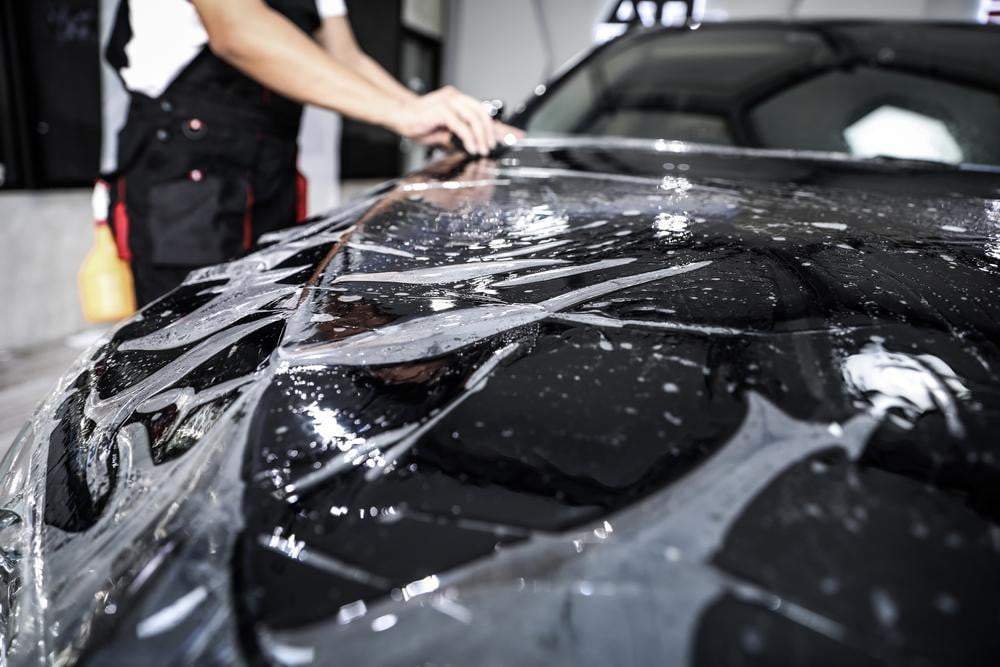
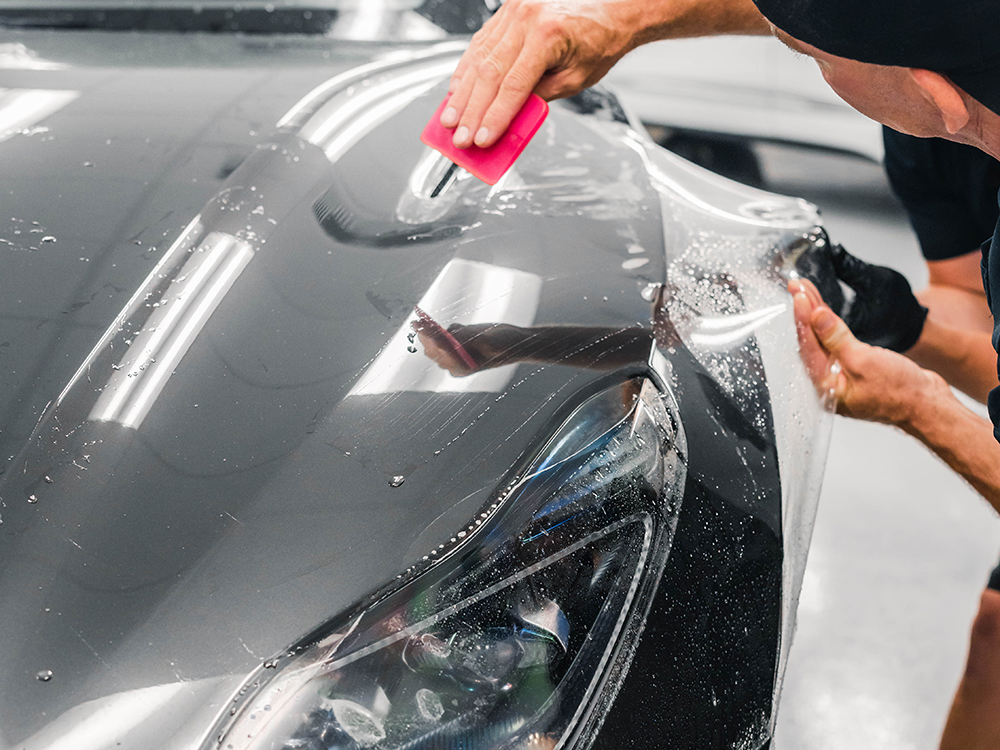
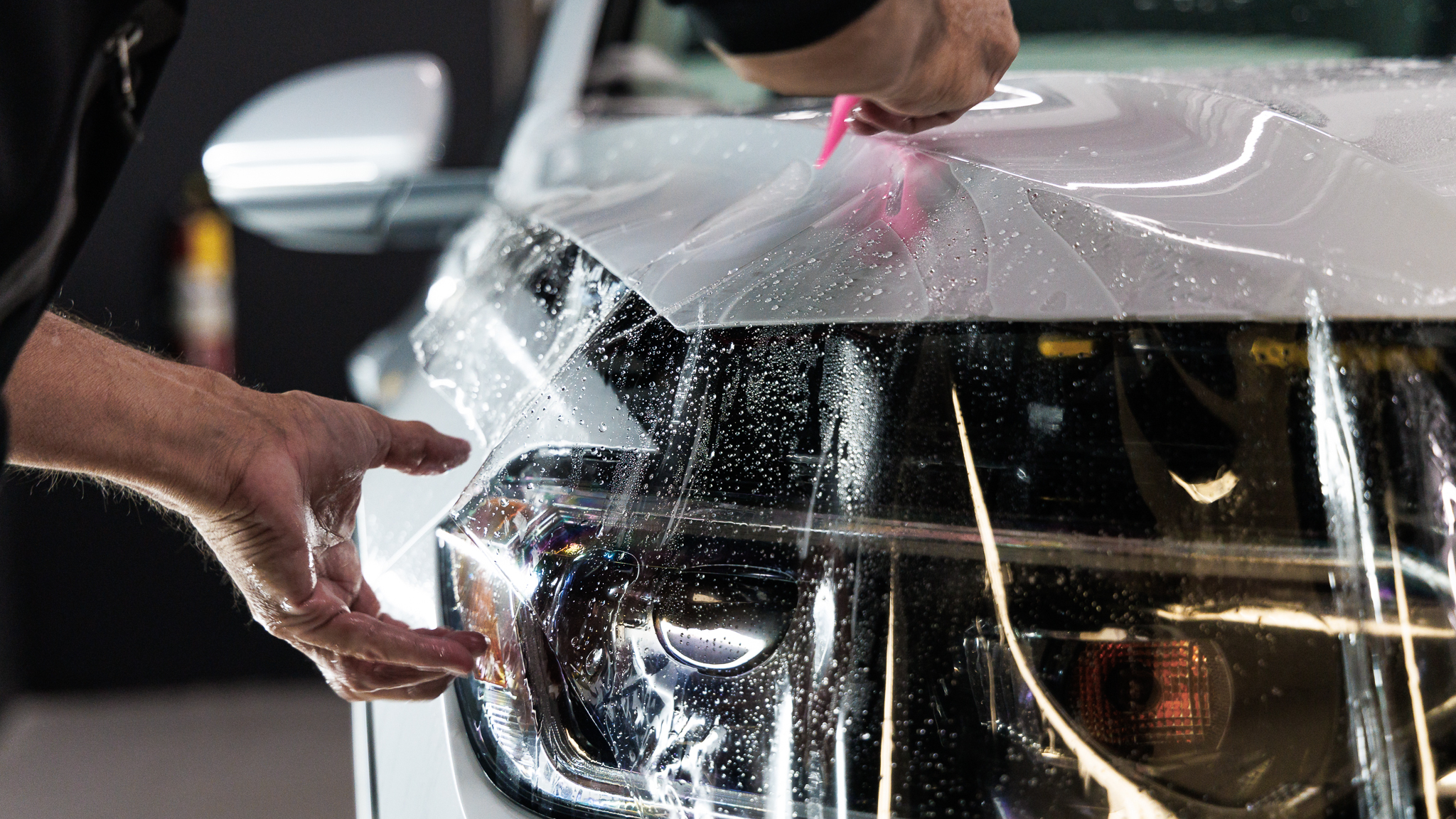
Paintless dent repair can be performed without removing paint protection film in many situations, provided the technician can access the underside of the panel and the film has not stretched, torn, or lifted. For vehicle owners maintaining paint protection film in Little Rock, pairing non-invasive dent repair techniques with durable clear bra protection allows you to preserve original factory finishes and avoid the expense of re-wrapping body panels.
Vehicle owners invest in thermoplastic polyurethane film primarily to block rock chips, scratches, and highway debris. While paint protection film (PPF) absorbs blunt surface energy, it cannot prevent deep sheet-metal depressions caused by runaway shopping carts, heavy hail strikes, or stray car doors. When an impact leaves a noticeable dent behind an intact layer of film, owners naturally wonder if the costly film must be peeled off and discarded before the metal can be manipulated back into position.
Understanding the mechanics of paintless dent repair, how specialized tools interact with polyurethane, and when glue pulling versus backside pushing is safe helps drivers protect both their paint and their protective film investment.
Can Paintless Dent Repair Be Performed Without Removing PPF?
Paintless dent repair can be performed without removing PPF when a skilled technician uses internal push techniques through factory access points to massage the metal from behind. Because standard paint protection film is an elastic, flexible polymer, it easily tolerates subtle mechanical movement beneath its adhesive layer as the dented metal returns to its original contour.
The feasibility of performing paintless dent repair with PPF depends entirely on two crucial variables: physical access to the back of the metal sheet and whether the technician must pull the dent from the exterior surface using hot-melt adhesive tabs.
When technicians access the rear of a door panel, fender, hood, or quarter panel, internal metal rods apply gentle, incremental pressure against the high and low spots. As the metal flexes outward, the elastic urethane layer above it moves in unison with the metal without tearing or losing adhesive tack.
Key factors that determine if PPF can remain in place during dent repair include:
- Open Backside Access: Clear pathways through window slots, engine bay inner liners, wheel well plastics, or taillight cavities allow internal PDR rods to contact the bare metal directly.
- Integrity of the Film: The protective film must be free of sharp punctures, deep gouges, or edge delamination directly over the dent zone.
- Metal Sharpness and Depth: Shallow, soft-edged dings are easily corrected beneath film, whereas sharp creases with stretched metal require higher precision that film can sometimes obscure.
- Adhesion Condition: High-quality film properly bonded to cured factory clear coat withstands metal reshaping without bubbling or creating air channels.
When Is Paintless Dent Repair Safe to Perform Over PPF?
Paintless dent repair is safe to perform over PPF when the dent has soft contours, the metal has not stretched past its elastic limit, and the technician works exclusively from the backside of the panel. Under these conditions, the underlying paint and topcoat film remain bonded, allowing the metal to return to factory alignment without cosmetic flaws.
Automotive technicians evaluate the severity of the damage, the panel location, and the proximity to body lines before deciding to proceed without film removal.
Soft Door Dings and Minor Hail Dimples
Parking lot door impacts and standard hail strikes typically produce rounded, shallow depressions without creasing the metal. Because these dents lack sharp ridges, backside PDR tools can gently roll the metal upward. The 8-mil urethane film flexes naturally throughout this process and remains securely adhered to the clear coat.
Impacts with Zero Film Punctures
PPF acts as a sacrificial cushion during impact. If an object dents the metal panel but leaves the polyurethane surface intact and unscratched, the film maintains its structural integrity. Working underneath undamaged film preserves the full self-healing and hydrophobic properties of the protective layer.
Open-Access Outer Panels
Panels such as hoods, front fenders, trunk lids, and exterior door skins often feature existing drain holes, removable weatherstripping, or access plugs. When tools reach the dent from behind without drilling new access points, the technician can complete the repair without disturbing the top-facing clear bra.
When Must Paint Protection Film Be Removed Before Dent Repair?
Paint protection film must be removed before dent repair if the dent requires glue pulling, if the metal contains a sharp crease, or if the film itself is cut, stretched, or lifted from the panel. In these scenarios, attempting PDR through the film risks stretching the polyurethane, pulling the film off the paint, or producing an uneven metal finish.
Specialized repair scenarios demand bare clear coat access to ensure proper metal reshaping.
- Glue Pulling Is Required: When a dent occurs over a double-walled structural pillar, roof rail, or enclosed quarter panel with zero backside access, technicians must glue plastic pulling tabs to the exterior surface. Applying hot glue to PPF and pulling with a slide hammer or mini-lifter will delaminate the film from the paint or tear the urethane completely.
- Sharp Body Line Creases: Dents that cross sharp stamped body lines stretch the metal at a concentrated focal point. Repairing sharp creases requires micro-level tool reading under high-contrast LED reflection boards. The optical thickness of film can distort light reflection, making it difficult for the technician to read the center of the crease with pinpoint accuracy.
- The Film Has Stretched or Bunched: When a heavy impact forces metal downward, the film over the dent can stretch beyond its memory point. Even if the metal underneath is pushed back to flat, the over-stretched film may remain loose, creating an unsightly cloudy wrinkle or air pocket.
- Torn or Punctured Polyurethane: If the impact that caused the dent sliced through the film, dirt and moisture will contaminate the adhesive. Leaving damaged film on the panel allows environmental moisture to corrode bare paint edges, necessitating panel replacement.
How Glue Pulling Differs from Backside Pushing on Protected Panels
Glue pulling and backside pushing represent the two primary repair methodologies in paintless dent repair, but they interact with exterior films in entirely different ways. The table below outlines how these techniques behave on panels protected with automotive clear bras.
What Steps Are Involved in Performing PDR on Protected Panels?
Performing PDR on protected panels requires careful surface evaluation, strategic heat control, backside tool access, and controlled metal manipulation. Taking methodical precautions prevents adhesive lifting while restoring panel symmetry.
- Assessing the Dent Under LED Line Boards
The technician positions a specialized PDR reflection board against the panel. The shadow lines cast onto the surface reveal the precise boundaries, depth, and tension crowns of the dent beneath the film. - Inspecting Film Adhesion and Elasticity
The technician inspects the perimeter of the dent for micro-wrinkles, stretched edges, or air pockets. Ensuring the film adhesive remains fully bonded confirms that backside pushing will not create cosmetic distortion. - Applying Controlled Thermal Softening
Before manipulating the metal, the technician gently warms the panel using a heat gun or infrared lamp. Warming the metal and urethane to approximately 120 to 140 degrees Fahrenheit relaxes the film adhesive and softens the metal tension, preventing stress fracturing during pushing. - Accessing the Panel Underside
The technician accesses the inner cavity by removing interior trim panels, sliding a window guard down the door glass channel, or unclipping plastic inner fender liners. - Executing Micro-Pushes from Behind
Using blunt-tip stainless steel or composite PDR rods, the technician applies small, rhythmic pushes to the lowest point of the dent. The technician slowly works from the outer perimeter toward the epicenter, pushing the low metal upward while monitoring surface line reflections. - Blending High Crowns and Final Heat Reset
If the impact pushed metal upward along the edges of the dent (known as crowns), the technician uses a polished knockdown punch wrapped in a soft rubber or Delrin cap to gently tap high points level without scratching the film. A final pass of warm air or sunlight activates the self-healing topcoat, removing any faint surface scuffs.
How Paint Protection Film in Little Rock Shields Panels from Hail and Road Hazards
Investing in paint protection film in Little Rock shields delicate vehicle panels against sudden hail storms, construction aggregate, and flying road debris that cause expensive cosmetic body damage. Modern vehicles feature lightweight aluminum and ultra-thin steel body panels that dent far more easily than older sheet metal.
Central Arkansas drivers regularly travel high-speed corridors along I-30, I-430, and I-630, where heavy truck traffic kicks up loose asphalt and gravel. While an unshielded rock strike chips clear coat down to bare metal, requiring costly repainting, a clear bra acts as a shock-absorbing barrier:
- Dispersing Kinetic Impact Energy: Thermoplastic polyurethane absorbs and redistributes the kinetic force of a flying stone or hailstone across a wider surface area, reducing the likelihood of a sharp metal puncture.
- Preventing Clear Coat Cracking: When severe hail strikes a car, the violent metal flex can cause an unshielded clear coat to spiderweb or chip. Urethane film holds the paint surface under uniform compression, keeping the original paint intact so PDR technicians can repair the panel without paint matching.
- Guarding Factory Clear Coat Values: Preserving the original factory paint is critical for luxury sedans, sports cars, and heavy-duty trucks. PDR performed under intact film allows vehicle owners to retain their original factory finish without reporting a repainted panel on vehicle history reports.
- Resisting Regional Weather Hazards: Severe spring thunderstorms and intense southern summer sun across Arkansas test automotive exteriors. High-grade urethane resists deep environmental staining while providing the mechanical elasticity needed for unexpected body repairs.
When exterior damage is successfully massaged out from behind, drivers avoid the downtime, expense, and diminished resale value associated with traditional body shop body filler and repainting.
What Happens to PPF After Dent Repair If Removal Was Required?
If paint protection film had to be removed to accommodate glue pulling or sharp crease work, a single new sheet of film must be installed after the dent repair is completed and the paint is polished. Installing PPF after dent repair ensures that high-impact areas regain their rock chip defense and hydrophobic slickness.
The post-dent restoration process involves specific steps to ensure long-term durability:
- Surface Decontamination and Polish: After the PDR technician finishes pushing or glue pulling, the panel clear coat must be machine polished. This removes faint micro-marring, knockdown tap marks, or glue residue, restoring a mirror-flat finish.
- Degreasing and Solvent Wipe: Installers wipe down the freshly repaired panel with isopropyl alcohol or a dedicated panel prep solution to remove polishing oils that could interfere with film adhesion.
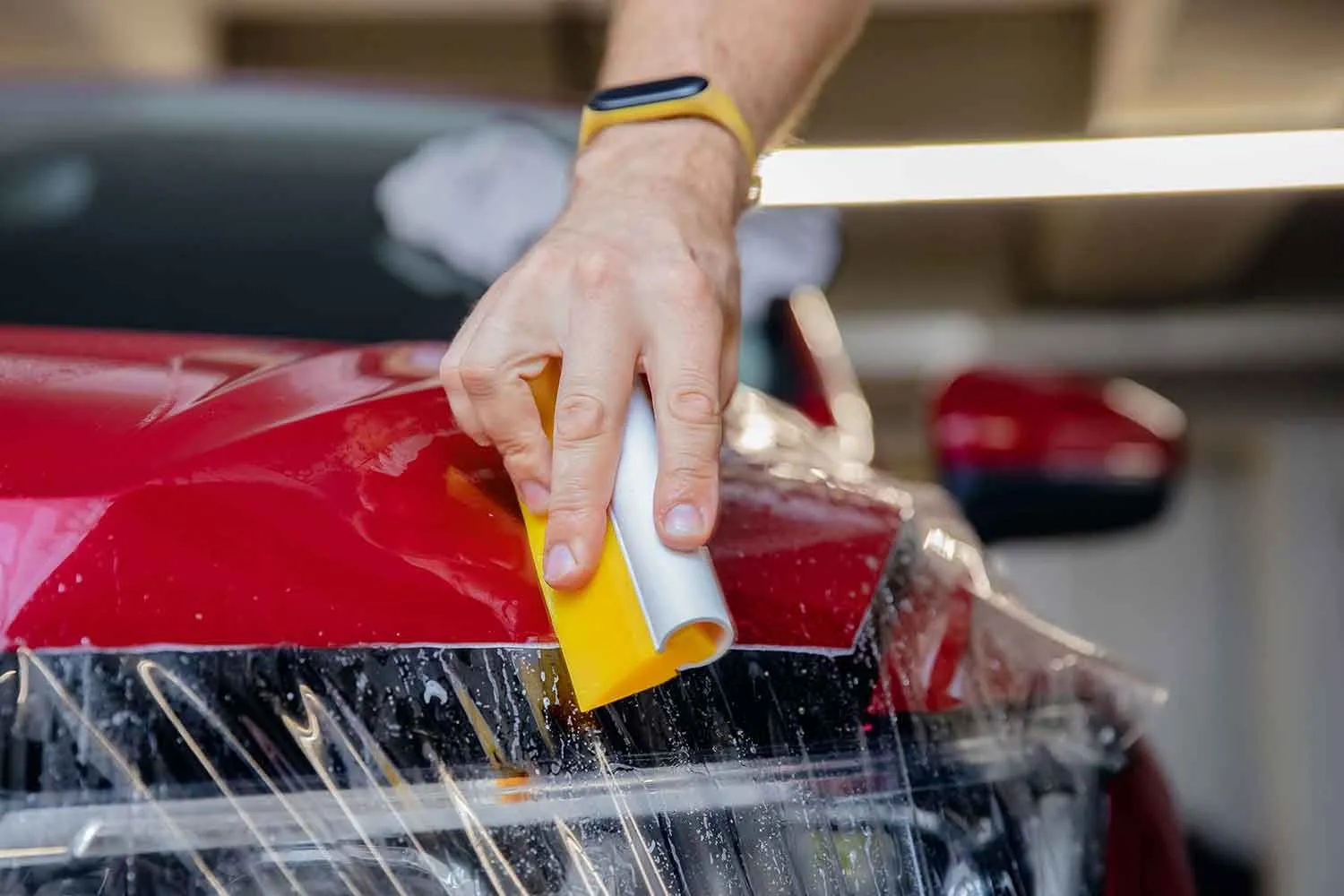
- Single-Panel Precision Re-Wrap: Rather than wrapping the entire vehicle, a technician cuts a custom digital template or hand-trims a bulk sheet specifically for the repaired fender, hood, or door.
- Matching Visual Sheen: Because modern films feature high optical clarity, installing a fresh sheet over the repaired section blends seamlessly with adjacent factory panels.
Can PDR Tools Scratch or Cloud Clear Bra Film?
PDR tools will not scratch or cloud clear bra film when the technician uses proper protective caps, smooth knockdown tips, and controlled working angles. However, careless tool usage or using unshielded sharp metal tips on high spots can mark the urethane surface.
To keep the film looking brand new throughout the repair process, professional technicians follow strict surface preservation protocols:
- Rubber and Polished Nylon Tips: Technicians equip blending hammers and knockdown punches with polished Delrin, Teflon, or silicone covers to prevent direct metal-to-urethane contact.
- Surface Lubrication: Applying a light mist of quick detailer or soapy slip solution onto the film before tapping down high crowns reduces friction and prevents surface scuffing.
- Activating Topcoat Self-Healing: If light rubbing marks appear on the film topcoat during tool blending, applying boiling water or gentle heat from a heat gun activates the elastomeric polymer memory, erasing the marks within seconds.
- Avoiding Aggressive Pressure on Creases: Technicians avoid dragging rigid metal tips across body lines where film is under heavy tension, preventing edge shear and film delamination.
Frequently Asked Questions
Will insurance pay for both PDR and PPF replacement?
Yes, comprehensive automotive insurance policies typically cover both paintless dent repair and the replacement of damaged paint protection film following hail storms or insured incidents. Providing your insurance adjuster with your original PPF installation invoice ensures the film replacement cost is factored into the claim estimate.
Can hail damage be repaired through PPF?
Hail damage can be repaired through PPF if the hail impacts left soft, shallow dimples and the technician can access the panel from underneath. If the hail strikes landed on boxed roof rails or structural pillars requiring glue pulling, the film on those specific panels must be removed before repair.
Does pushing a dent stretch or bubble the film?
Pushing a dent from behind will not stretch or bubble the film if the depression was soft and the metal had not exceeded its elastic memory. Because quality urethane film flexes alongside the metal, restoring the panel contour allows the film and its adhesive to lay flat against the paint.
Can you use hot glue tabs on top of PPF?
No, you should never place hot-melt glue tabs on top of paint protection film for dent pulling. The pulling force generated by a slide hammer or dent lifter concentrates intense vertical stress on the film adhesive, causing the film to stretch, bubble, or rip directly off the clear coat.
How long should I wait to install a new PPF after PDR?
You can install new PPF immediately after paintless dent repair is finished, provided the original clear coat remains intact and was not repainted. Because PDR preserves the factory-cured paint, there is no curing or outgassing window required before applying fresh film.
Restore Your Vehicle Finish with Seamless Protection
Paintless dent repair offers a fast, affordable method for removing minor body dings while keeping your protective clear bra intact. When performed by experienced technicians utilizing backside access, PDR restores your vehicle to factory condition without disturbing durable urethane barriers.
When you demand professional care and flawless surface preservation for your vehicle, Extreme Clean Mobile Detailing provides dedicated service backed by a 5 star google rating. Whether you need to inspect an impact dent under existing film or want to schedule a new installation for paint protection film in Little Rock, contact us to protect your automotive investment with confidence.
Get a quote
What happens next?
Fill out all the info and we will contact you via email within 24 hours or feel free to call or text.
BY APPOINTMENT ONLYSat: Closed
Sun: Closed

.jpg)
.jpg)
.jpg)