How Does Professional Window Tint Help Protect Your Vehicle’s Glass Over Time?
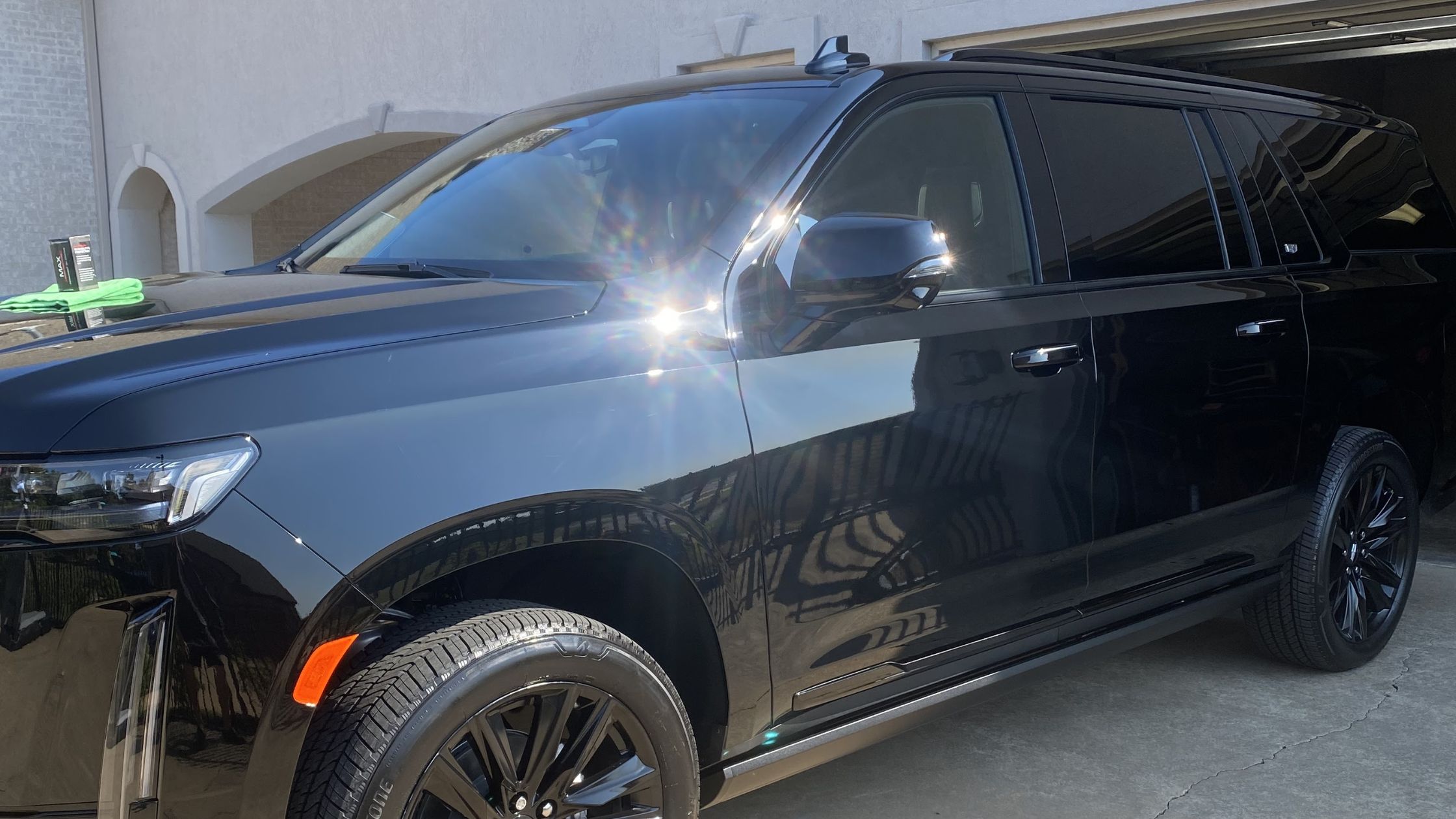
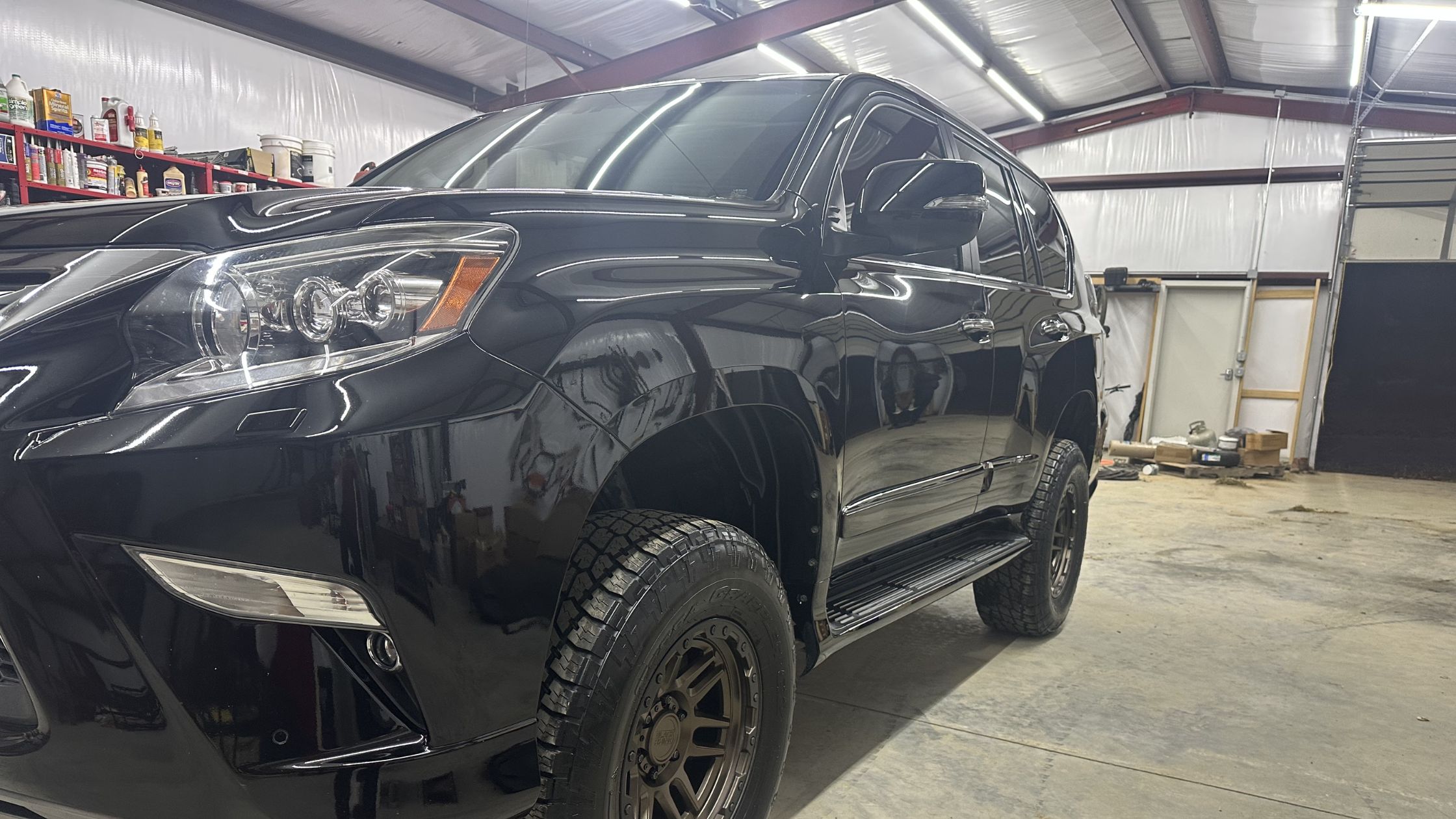
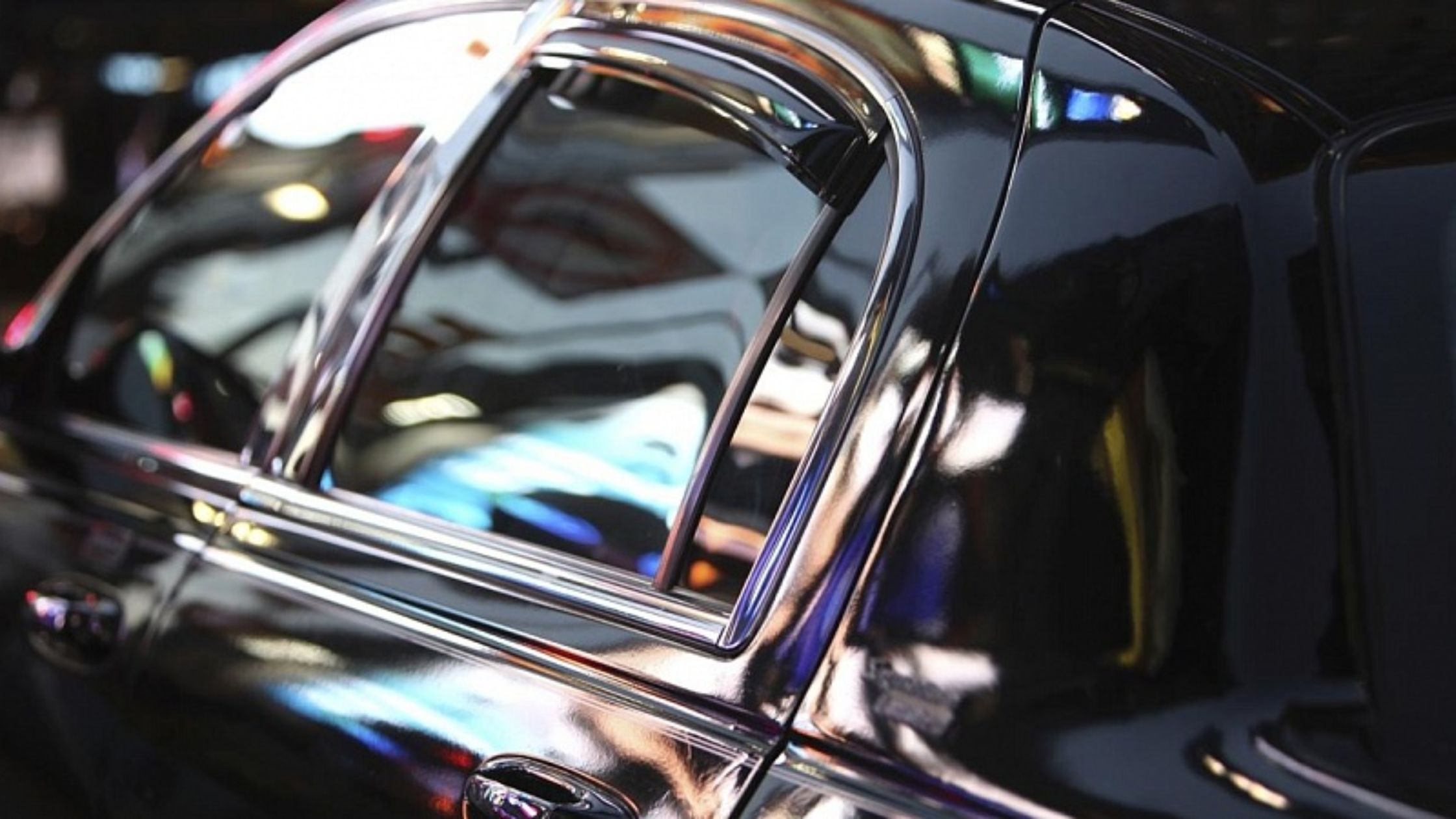
When you buy a vehicle, its glass surfaces are constantly exposed to environmental hazards, mechanical stress, and intense solar heat. Driving along Interstate 630 during a humid southern summer or leaving your vehicle parked near the bustling River Market District can steadily degrade your factory windows. While many car owners view window film as a cosmetic upgrade, its primary engineering purpose is to act as a shield. Investigating the top-rated tint shops in Little Rock is the first step in establishing a long-term defense system for your vehicle. Applying a professional-grade barrier prevents physical micro-wear, reduces thermal stress, and holds fragile glass together during unexpected road emergencies.
This comprehensive guide details the mechanical and chemical ways that high-performance film safeguards your automotive glass. You will learn how modern material science preserves optical clarity, stops micro-scratching, and mitigates the environmental threats unique to the Central Arkansas climate.
Does window tint make glass stronger?
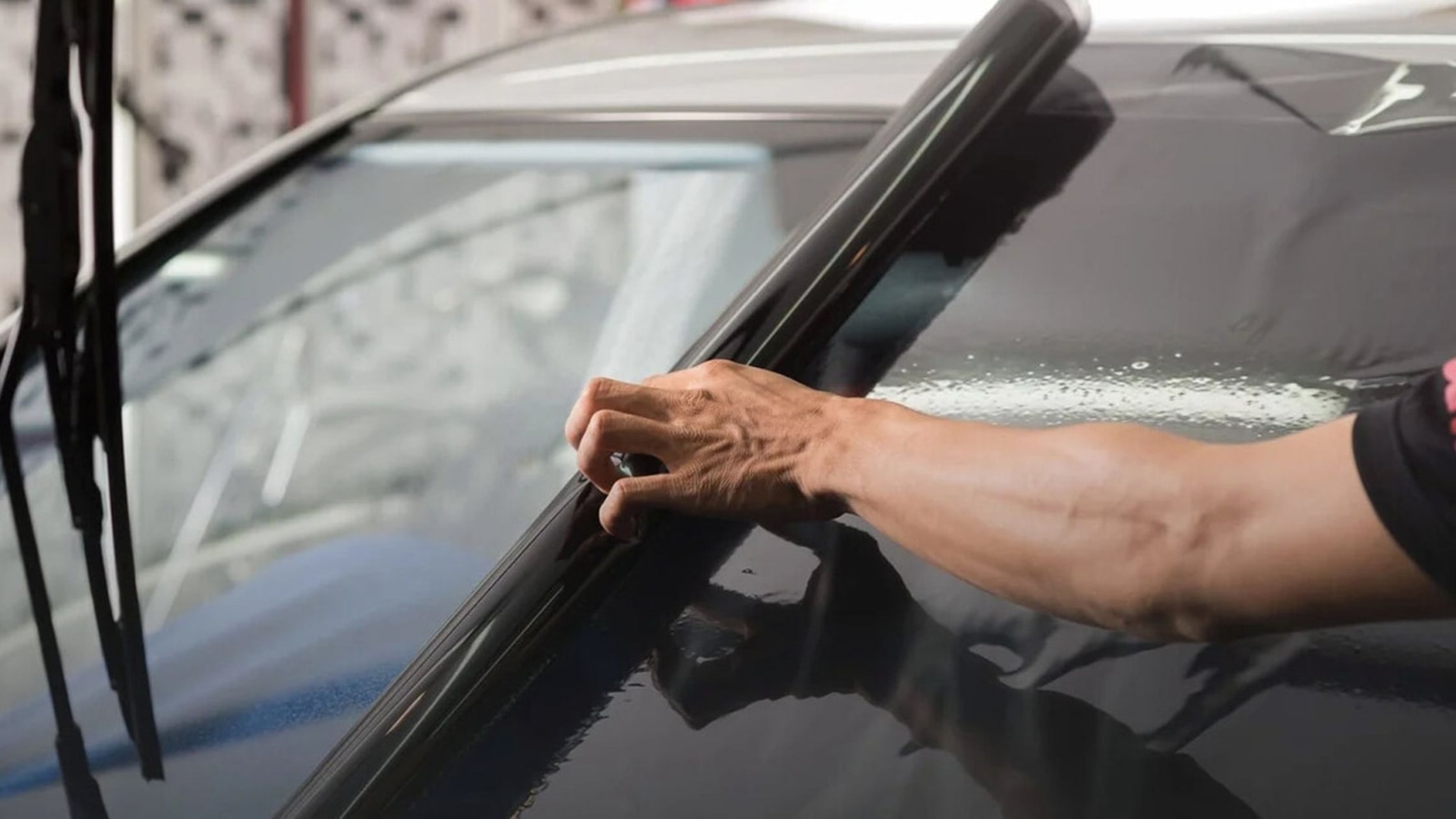
No, window tint does not increase the physical hardness of your glass, but it dramatically increases its structural integrity and shatter resistance. Standard automotive glass is designed to be tough, yet it remains vulnerable to blunt-force impacts and stress fractures. When a high-tensile polyester film is bonded to the inner surface of your window, it acts as a continuous structural support. This supportive layer absorbs and distributes physical energy across a much wider surface area during an impact.
Preventing Sudden Shattering Hazards
If a rogue rock from a construction truck on Cantrell Road hits an untreated side window, the glass will instantly shatter into thousands of tiny, sharp pieces. This safety glass is designed to break into small chunks rather than shards, but those flying chunks still pose a significant danger to passengers.
Applying a high-quality protective window film ensures that if the glass does break, the fragments remain firmly adhered to the adhesive layer. This keeps the physical window intact within its frame, preventing glass from spraying into the cabin and protecting your eyes and skin from injury.
Deterring Smash-and-Grab Theft
Thieves look for quick, silent entry points when targeting vehicles parked in public areas. An untreated side window can be shattered in less than two seconds with a simple spring-loaded punch tool.
When your vehicle is equipped with professional film, a criminal attempting a quick break-in will face a major obstacle. The shattered glass will remain held together by the tough polyester sheet, forcing the thief to repeatedly strike the window to force an opening, which creates noise and buys precious time.
Why Do Top Tint Shops in Little Rock Use Advanced Bonding Adhesives?
The overall strength and performance of your glass protection depend entirely on the quality of the mounting adhesive used during the installation process. The most respected tint shops in Little Rock rely on chemical bonding technologies that cure directly to the glass on a microscopic level. Cheap films use low-grade, pressure-sensitive adhesives that break down under heat, causing the film to lift, peel, and slide away from the window frame.
A professional installation utilizes structural adhesives that are engineered to withstand extreme temperatures without losing their grip. These premium adhesives fill the microscopic pores inherent in automotive glass, creating a completely flat, unified surface. This high-level chemical bond ensures that the film remains a permanent part of your window assembly for the entire lifespan of your vehicle.
Microscopic Structural Dynamics of Treated Glass
- Untreated Glass Surface: Standard automotive glass features natural microscopic peaks and valleys that easily trap dirt, grime, and environmental contaminants.
- Adhesive Interface Layer: Professional mounting adhesive flows directly into these microscopic pores, completely filling the voids and leveling the glass.
- High-Tensile Polyester Shield: A completely flat, durable film layer bonds directly to the cured adhesive interface, forming a unified structural assembly.
The Sputtering Process and Chemical Stability
To understand why professional films hold up so well, you must look at how they are manufactured. High-end films use a process called sputtering, where metallic or ceramic particles are deposited onto optical-grade polyester at an atomic level.
This advanced manufacturing method ensures that the protective barrier will not delaminate, discolor, or bubble over time. It creates a chemically inert shield that handles the intense physical wear associated with daily rolling and cleaning.
Edge-Filing and Seal Matching
How the film is finished along the top edge of your roll-up windows determines its resistance to physical peeling. Amateur installers leave a wide gap at the top, which allows dirt and moisture to slowly seep under the film edge.
Experienced local technicians use micro-edge filing techniques to shave the film perfectly flush with the glass edge. This creates a seamless, virtually invisible transition that prevents your window gaskets from catching and lifting the film over years of use.
How Does Glass Protection Prevent Road Wear and Environmental Damage?
Your vehicle's glass is under constant bombardment from tiny physical particles and chemical contaminants. Over time, these microscopic threats dull the surface, create distracting glare, and permanently weaken the structural properties of your windows.
Mitigating Micro-Abrasion from Road Dust
As you drive through neighborhoods like Hillcrest or the Heights, wind-borne road dust, pollen, and microscopic sand particles strike your windshield and side glass. This continuous abrasion creates thousands of microscopic pits on the outer surface of your glass.
While window film is installed on the interior of the glass, its presence changes how light refracts through these exterior micro-pits. By eliminating harsh interior glare and stabilizing the light path, film keeps your field of vision clean and clear despite years of exterior wear.
Shielding Inner Glass from Physical Scratching
The interior surfaces of your car windows are subjected to a surprising amount of daily physical abuse. Cargo sliding in the back seat, seatbelt buckles snapping against the glass, and pets scratching at the window can leave deep, permanent gouges.
Layered Interior Scratch Protection System
- Direct Physical Threat: High-impact objects like claws, cargo, or buckles make direct contact with the interior window area.
- Sacrificial Silicone Hardcoat: An ultra-hard, scratch-resistant outer layer absorbs the immediate friction and stops abrasions in their tracks.
- Polyester Core Foundation: A heavy-duty polyester core absorbs the kinetic energy of the impact, protecting the underlying assembly.
- Micro-Bonded Adhesive: Premium mounting adhesive absorbs physical vibrations and maintains a permanent, uniform bond.
- Factory Automotive Glass: The soft, vulnerable factory glass remains completely untouched and perfectly pristine underneath.
Modern films are manufactured with an ultra-hard, scratch-resistant silicone topcoat. This protective layer acts as a sacrificial barrier that absorbs daily wear and tear, keeping your soft factory glass perfectly pristine underneath.
Stopping Chemical Etching and Hard Water Spots
Acid rain, industrial fallout, and mineral-heavy lawn sprinklers can cause permanent chemical damage to untreated glass. The minerals in hard water bond chemically with the silica in glass, leaving white, cloudy spots that cannot be washed away.
Applying a protective film creates a non-porous interior barrier that prevents interior condensation from causing similar chemical etching. This keeps your inner glass dry, clean, and completely free of foggy deposits.
The Science of Automotive Glass Protection and Longevity
To truly appreciate how modern film protects your vehicle, it helps to understand the engineering behind solar energy control. Solar radiation consists of three distinct bands of light: ultraviolet (UV), visible light, and infrared (IR). Each band affects your vehicle's interior and glass surfaces differently.
How Premium Film Controls the Solar Spectrum
- Ultraviolet Radiation Mitigation: Premium films utilize chemical absorbers that completely filter out 99% of harmful UV-A and UV-B rays, protecting your skin and stopping interior fading.
- Visible Light Balancing: Specialized pigments filter out intense, blinding glare while preserving optical clarity, delivering a highly comfortable driving experience.
- Infrared Heat Rejection: Microscopic carbon or ceramic particles block up to 98% of near-infrared heat waves, keeping your cabin cool even in direct sunlight.
Ultraviolet Radiation Mitigation
Ultraviolet rays are the most destructive component of the solar spectrum. UV-A and UV-B rays break down the organic polymers found in your vehicle's leather, vinyl, plastics, and fabrics, leading to premature cracking and fading.
A high-quality automotive glass protection film uses specialized chemical absorbers to filter out 99% of these harmful rays. This chemical shield prevents the dashboard from drying out and cracking, preserving your vehicle's physical interior value for decades.
Infrared Heat Rejection
Infrared light is the invisible band of solar energy that we feel as heat. When infrared light passes through untreated glass, it is absorbed by your dark dashboard, seats, and steering wheel, transforming your cabin into an oven.
Advanced ceramic and carbon films utilize microscopic nanoparticles that are specifically tuned to block up to 98% of near-infrared heat waves. By stopping this heat at the glass surface, the film prevents your vehicle's cabin from experiencing extreme thermal spikes.
Glare Reduction and Eye Comfort
Bright sunshine reflecting off local concrete roads or metallic buildings can cause blinding glare, forcing you to squint and strain your eyes. This glare is not just uncomfortable; it is a major safety hazard during your morning and evening commutes.
Window film acts as a permanent pair of polarized sunglasses for your vehicle. It filters out distracting visible light while maintaining high optical clarity, ensuring that you can navigate busy intersections safely in all lighting conditions.
What Are the Key Structural Benefits of Window Tint Services in Little Rock?
Investing in professional window tint services Little Rock specialists offer provides a wide range of structural, aesthetic, and functional benefits. Protecting your vehicle’s glass is a holistic process that enhances both the longevity of your car and your physical comfort during long drives.
The table below illustrates the measurable differences between operating a vehicle with factory-untreated glass versus glass treated with premium protective film.
How Does the Central Arkansas Climate Threaten Unprotected Glass?
The climate in Central Arkansas is notoriously tough on automotive materials. Vehicles parked daily in open driveways across Chenal Valley or exposed to the elements near Pinnacle Mountain State Park must endure a brutal combination of intense heat, high relative humidity, and freezing winter temperatures.
Intense Heat Cycles and Thermal Fractures
During a typical Little Rock summer, ambient temperatures can easily exceed ninety-five degrees. When your car is parked in direct sunlight, the glass windows can reach temperatures of over one hundred and forty degrees.
This extreme heat causes the glass to expand microscopically. If your vehicle is untreated, rapid shifts between the hot sun and blast-chilled air conditioning can create localized stress points, eventually leading to sudden thermal fractures along the edges of the window.
High Humidity and Condensation Stress
The high humidity levels of the Arkansas River Valley mean that moisture constantly clings to your vehicle's surfaces. When warm, humid air hits a cold, air-conditioned windshield, heavy condensation forms on both sides of the glass.
This moisture can seep into the micro-gaps along the bottom window seals of your doors. Over time, standing moisture degrades raw factory seals, whereas a professionally sealed and tinted window prevents moisture from penetrating the delicate inner window tracks.
Freezing Winters and Ice Stripping
While summers are blistering, Arkansas winters routinely bring freezing rain, sleet, and sub-zero temperatures. Scraping ice off untreated vehicle windows with hard plastic scrapers is a common winter chore that can leave permanent scratches on the glass.
Having a high-quality protective film installed on the interior of your windows strengthens the overall glass assembly. This added resilience allows the glass to handle the physical pressure of winter ice scraping without developing stress cracks or localized weak points.
What Maintenance Habits Preserve Your Protective Film?
Once your professional film is installed, simple maintenance habits will ensure that the protective barrier remains flawless for the entire lifetime of your vehicle. Proper care prevents physical degradation and maintains high optical clarity.
Allowing the Adhesive to Fully Cure
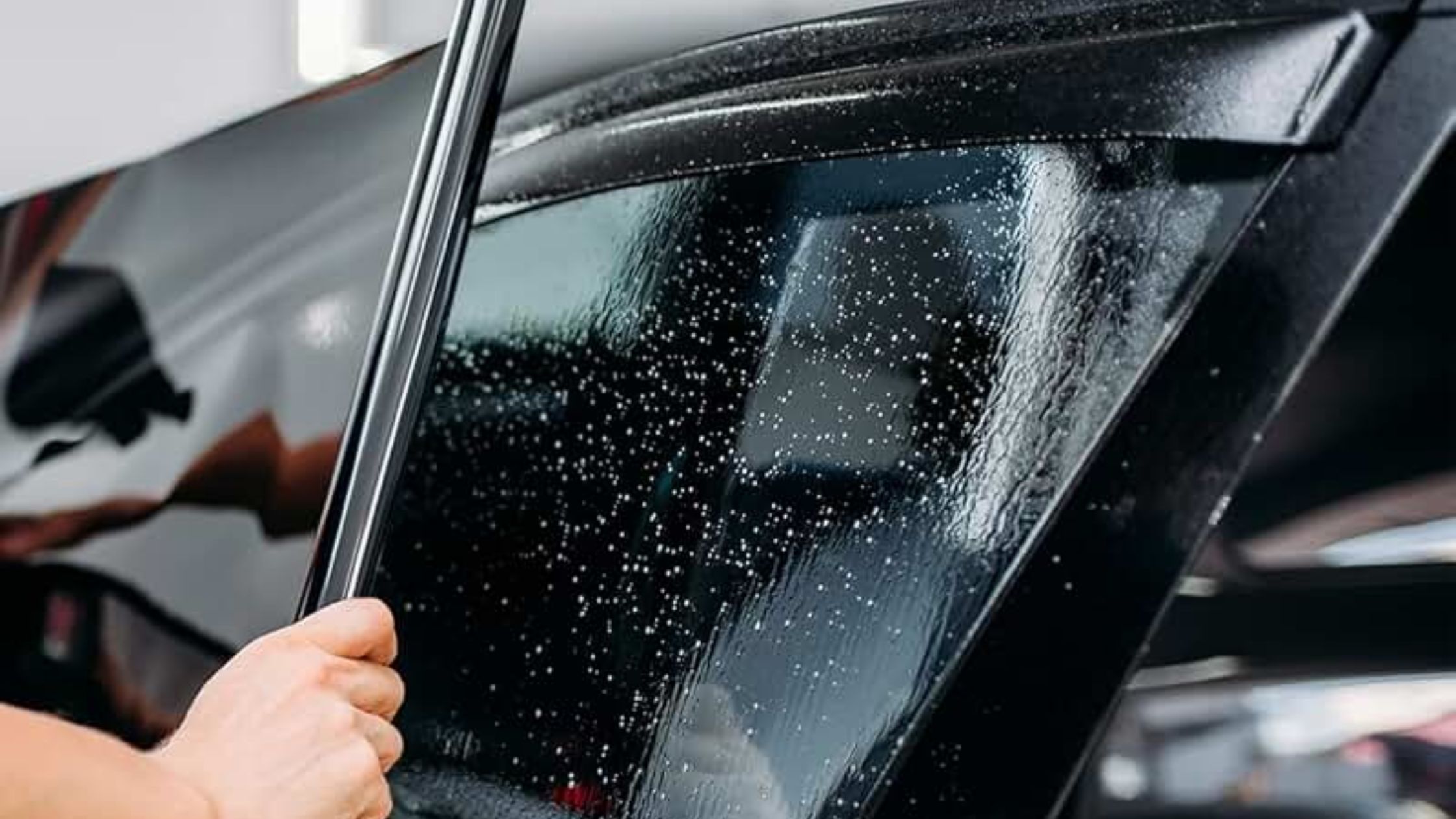
Immediately after installation, a small amount of mounting solution remains trapped between the film and the glass. This moisture must evaporate completely for the structural adhesive to form its final chemical bond.
- Keep the windows rolled up: Do not roll your side windows down for three to five days to prevent the rubber gaskets from scraping the fresh film.
- Ignore temporary water bubbles: Do not press, squeeze, or attempt to pop the tiny water pockets that appear during the first few days, as they will naturally evaporate.
- Avoid washing the interior glass: Leave the interior surfaces completely untouched until the curing period is fully complete.
Cleaning with Film-Safe Products
Standard household glass cleaners often contain aggressive chemicals that can slowly destroy the protective silicone topcoat of your film over time.
- Never use ammonia-based cleaners: Ammonia chemically attacks the polyester sheet, causing it to become brittle, cloudy, and prone to cracking.
- Use soft microfiber towels: Avoid rough paper towels or newspaper, which contain abrasive wood fibers that leave micro-scratches on the film surface.
- Choose specialized tint cleaners: Clean your windows using a soft cloth dampened with distilled water or a mild, ammonia-free glass cleaner.
Frequently Asked Questions About Automotive Glass Protection
Does window tint stop windows from shattering?
Yes, professional window tint does stop windows from shattering into loose, flying pieces during an impact. The high-tensile polyester film is bonded to the inner surface of the glass with a strong chemical adhesive. If an object strikes and breaks the window, the film acts as a tough backing sheet that keeps all the broken glass fragments bound tightly together.
Can window tint get scratched easily by pets or cargo?
No, premium window films do not scratch easily because they are manufactured with a highly durable, scratch-resistant hard coat. This specialized outer layer is designed to absorb the daily wear and tear of pets, passengers, and cargo. However, sharp metallic objects or aggressive scraping can still cause damage, so reasonable care is always recommended.
Does glass tinting reduce windshield glare on Interstate 630?
Yes, professional tinting significantly reduces the bright, blinding glare that drivers face on Interstate 630. By filtering out harsh visible light and stabilizing light refraction, the film prevents eye strain and ensures you have a clear, comfortable view of the road during sunrise and sunset.
How long does automotive glass protection last in humid climates?
When high-quality ceramic or carbon film is installed by a certified professional, the glass protection will last for the entire lifetime of your vehicle. Premium films utilize stable, inorganic compounds and moisture-resistant adhesives that do not degrade or bubble under the high humidity and intense heat of the Central Arkansas climate.
Is it legal to have protective window film on my front windshield in Arkansas?
Arkansas state law allows non-reflective window film to be applied only along the top five inches of your front windshield, known as the AS-1 line. For the remaining glass surfaces, the law requires a minimum of 32% Visible Light Transmission (VLT) on all side and rear windows for passenger cars, ensuring excellent heat rejection while remaining fully compliant with local safety regulations.
Finding a Trusted Partner for Professional Glass Protection
Preserving the structural integrity, visual clarity, and cabin comfort of your vehicle requires an investment in premium engineering and precise craftsmanship. Settling for cheap materials or rushing through the installation process in an open, dusty environment will always lead to peeling film, ruined visibility, and zero thermal protection. When you are ready to secure a durable, high-performance solution that shields your glass, cools your cabin, and protects your family, partnering with certified local experts is the absolute best choice.
Navigating the landscape of various tint shops in Little Rock can be overwhelming, but focusing on cleanliness, preparation, and material quality will lead you to the right provider. If you are ready to secure high-performance automotive glass protection for your sedan, truck, or SUV, you can contact us to secure an appointment with our specialists. At Extreme Clean Mobile Detail, we are deeply committed to providing the highest quality automotive care to our local community. We are proud of our reputation as a trusted local service provider, backed by our 361 Google reviews and our perfect 5-star Google rating as of today. Let us help you safeguard your vehicle with a flawless, durable finish that is built to endure the elements for years to come.
Get a quote
What happens next?
Fill out all the info and we will contact you via email within 24 hours or feel free to call or text.
BY APPOINTMENT ONLYSat: Closed
Sun: Closed

.jpg)
.jpg)
.jpg)
.jpg)