How Do Different Window Tint Shades Affect Driving Comfort and Appearance?

Deciding on the perfect window film for your car requires a careful balance between elevated cabin comfort and high-end visual style. Many local vehicle owners seeking professional window tinting in little rock face the challenge of choosing a shade that rejects intense Southern heat without compromising nighttime visibility. Selecting an incorrect tint darkness can make driving in low-light conditions dangerous, degrade your vehicle's clean lines, and even lead to expensive traffic citations. This comprehensive guide will help you understand how different film percentages perform under real-world conditions so you can make an informed decision for your vehicle.
Modern window films do much more than simply darken your automotive glass. Premium installations utilize advanced material science to block solar energy, filter out harmful ultraviolet radiation, and enhance your vehicle's overall security. By exploring how various shade levels affect both your daily drive and your car's aesthetic appeal, you can choose an upgrade that delivers long-lasting satisfaction and full legal compliance.
What Is the Best Tint Percentage for Driving Comfort?
The best overall window tint percentage for driving comfort is a 35% Visible Light Transmission (VLT) film. This medium shade provides a balanced combination of daytime glare reduction, moderate privacy, and excellent nighttime driving visibility.
Light Tint Shades (50% to 70% VLT)
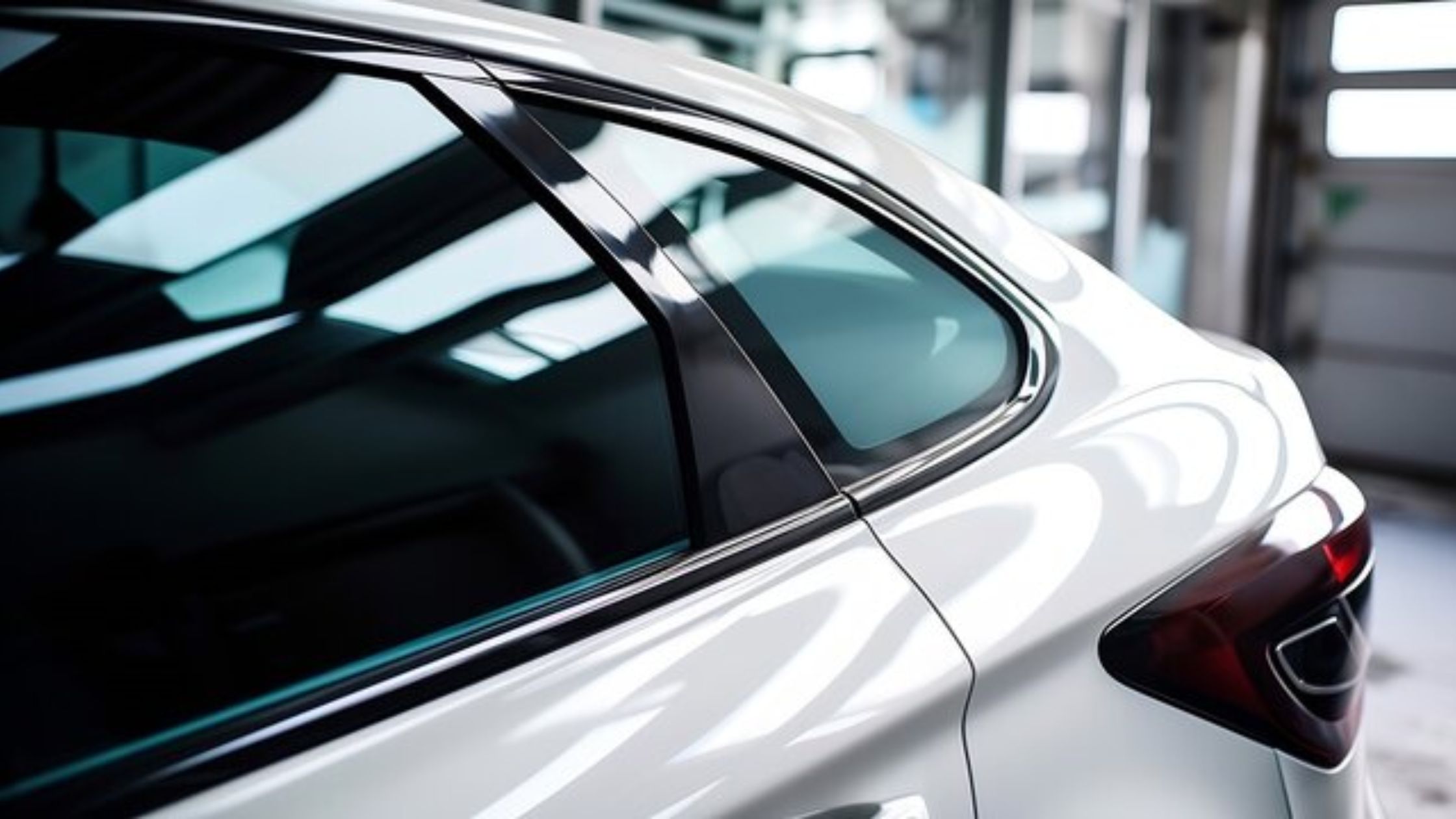
Light tint shades are designed for drivers who want the functional benefits of solar protection without changing the factory look of their glass. A 50% or 70% VLT film is virtually transparent, making it the ideal choice for front windshields and side windows where maximum optical clarity is required. These films rely on advanced nano-ceramic particles to block infrared heat and ultraviolet rays while keeping your cabin feeling open and airy.
Drivers who frequently travel at night or have difficulty seeing in low-light conditions benefit greatly from lighter shades. They maintain perfect outward visibility during heavy downpours on Interstate 630 or along dimly lit roads in Pulaski County.
Medium Tint Shades (35% VLT)
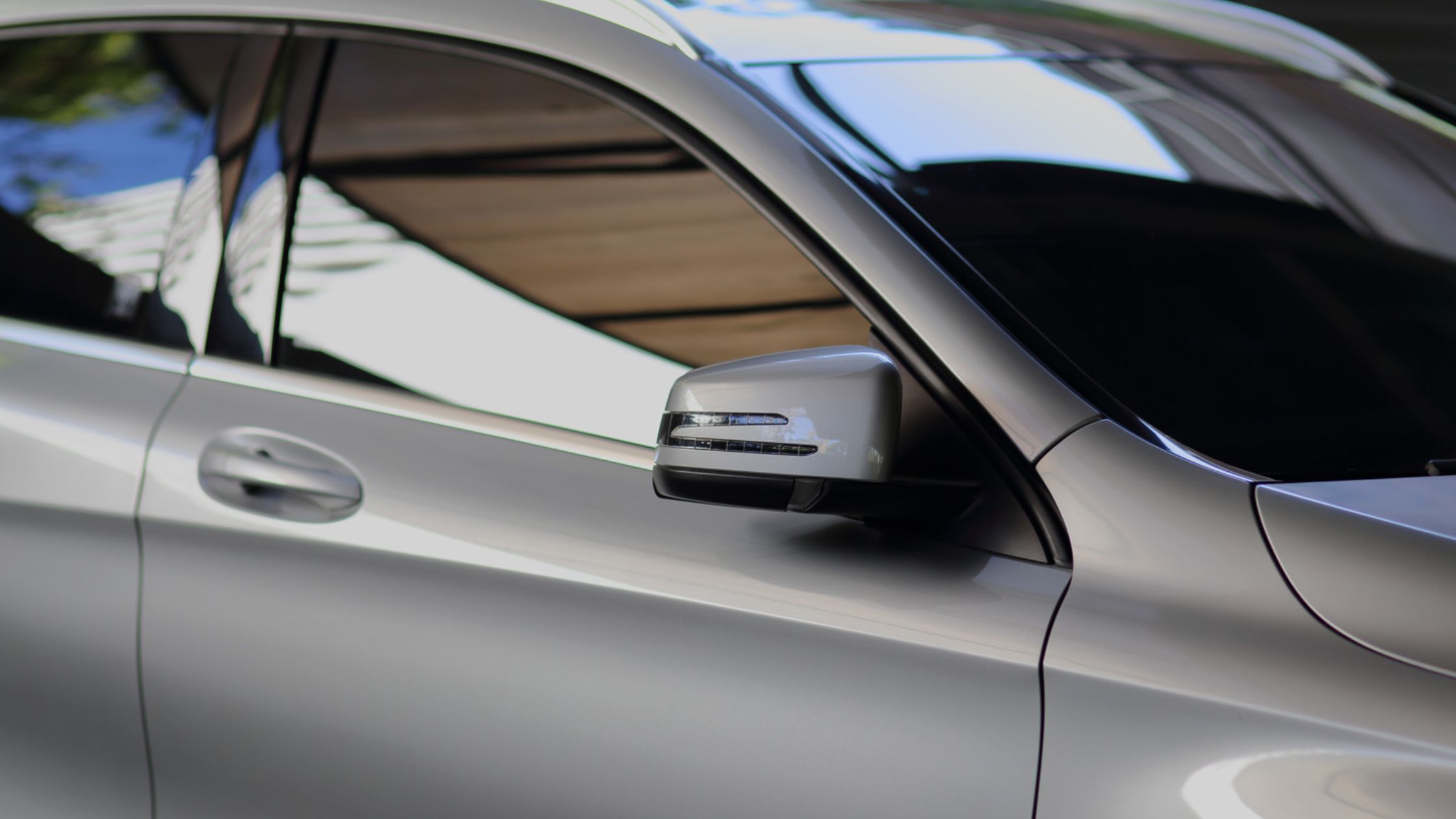
A 35% VLT film represents the sweet spot for the average daily commuter. This shade darkens the glass enough to hide loose valuables in your seats while still allowing law enforcement and other drivers to make eye contact with you. It significantly reduces eye strain caused by the blinding afternoon sun or the harsh glare of oncoming headlights.
Choosing a medium shade ensures that your vehicle looks sophisticated without appearing overly aggressive. It provides a clean, executive look that complements any vehicle color.
Dark Tint Shades (15% to 20% VLT)
Dark shades are highly popular for rear passenger doors and rear windshields because they offer a high level of personal privacy. From the outside, it is incredibly difficult to see into a vehicle equipped with a 20% VLT film, even during bright daylight hours. This level of darkness is highly effective at keeping the rear cabin cool for kids or pets.
However, dark shades require extra caution during night driving. Reversing into a tight parking space in downtown areas or maneuvering through dark suburban streets can become challenging without rollback windows or high-definition backup cameras.
Very Dark Tint Shades (5% VLT)
Commonly referred to as limo tint, a 5% VLT film allows only a tiny fraction of ambient light to pass through the glass. This shade is perfect for transport vans, limousine services, and rear cargo areas where total privacy and security are mandatory. It creates a bold, solid black appearance that completely blocks the view of any onlookers.
Driving with a 5% film on your front side windows is illegal in almost every state due to safety hazards. At night, a limo tint makes it nearly impossible to spot unlit obstacles, pedestrians, or lane markings.
How Do Window Tint Shades Impact Your Vehicle Appearance Enhancement?
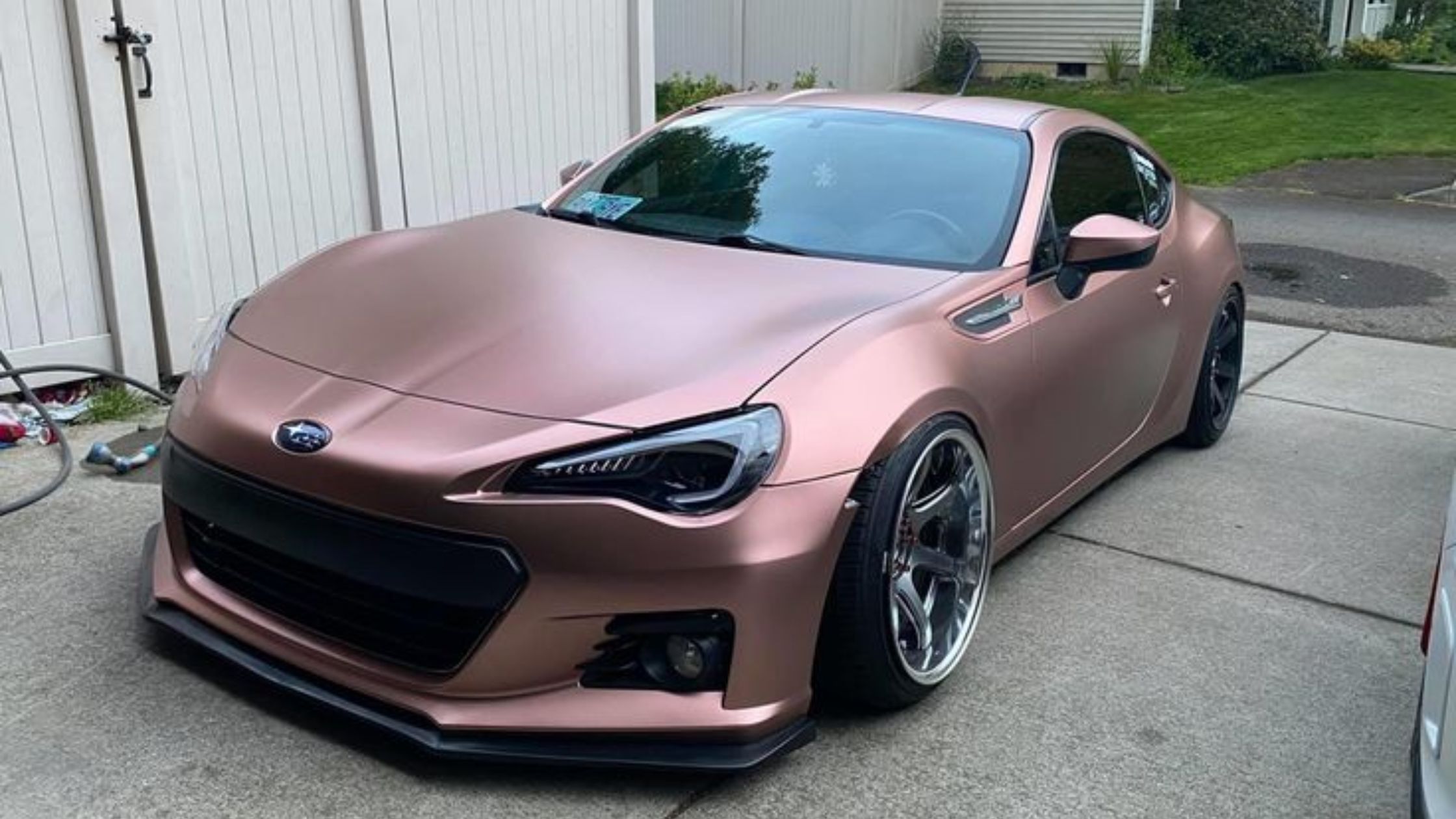
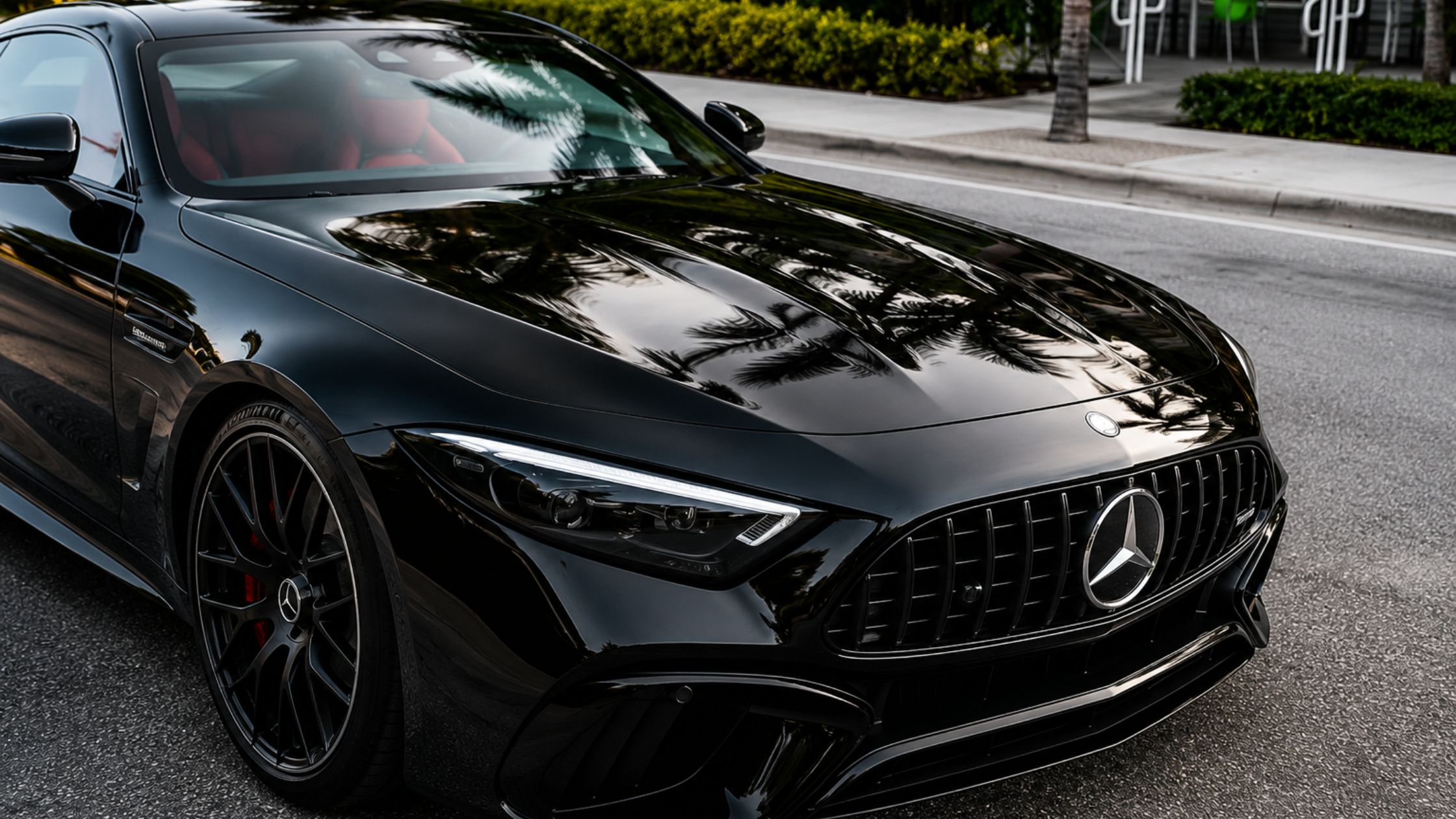
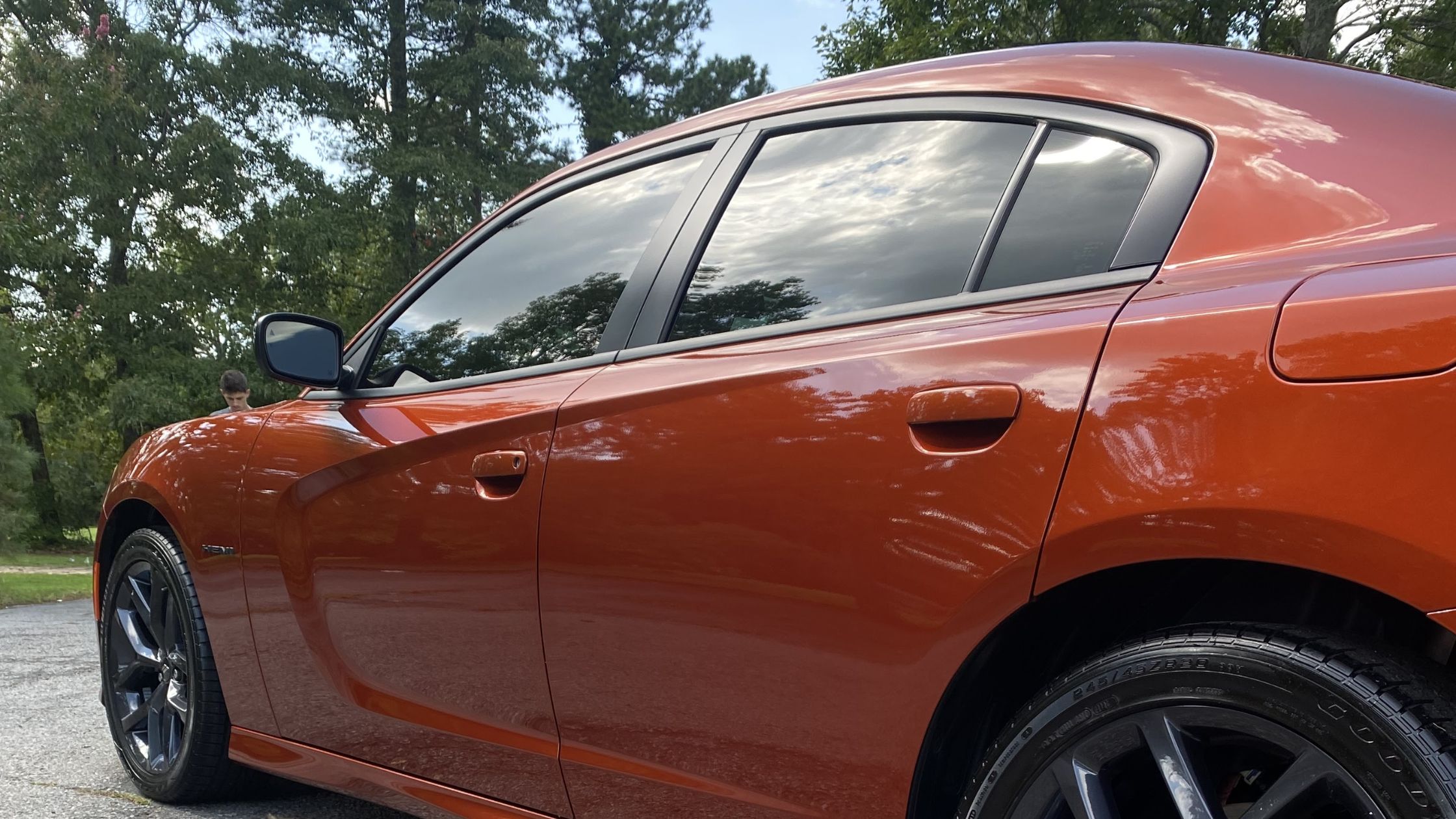
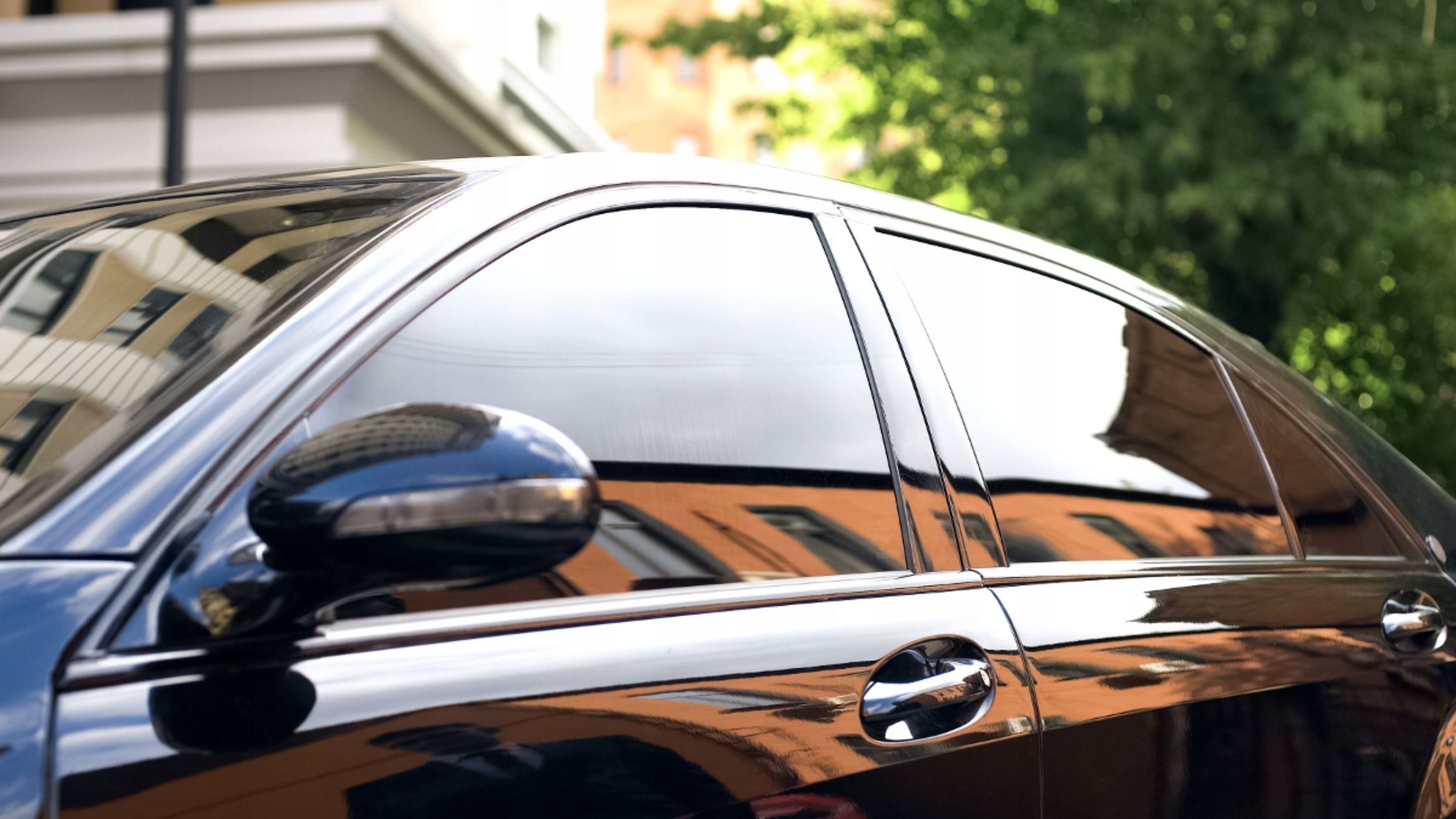
Window film serves as a powerful tool for vehicle appearance enhancement by creating a sleek, uniform aesthetic that highlights the natural body lines of your car. Choosing a premium ceramic or carbon film prevents the cheap, purple-toned look that often results from low-grade dyed materials.
Achieving a Balanced Visual Profile
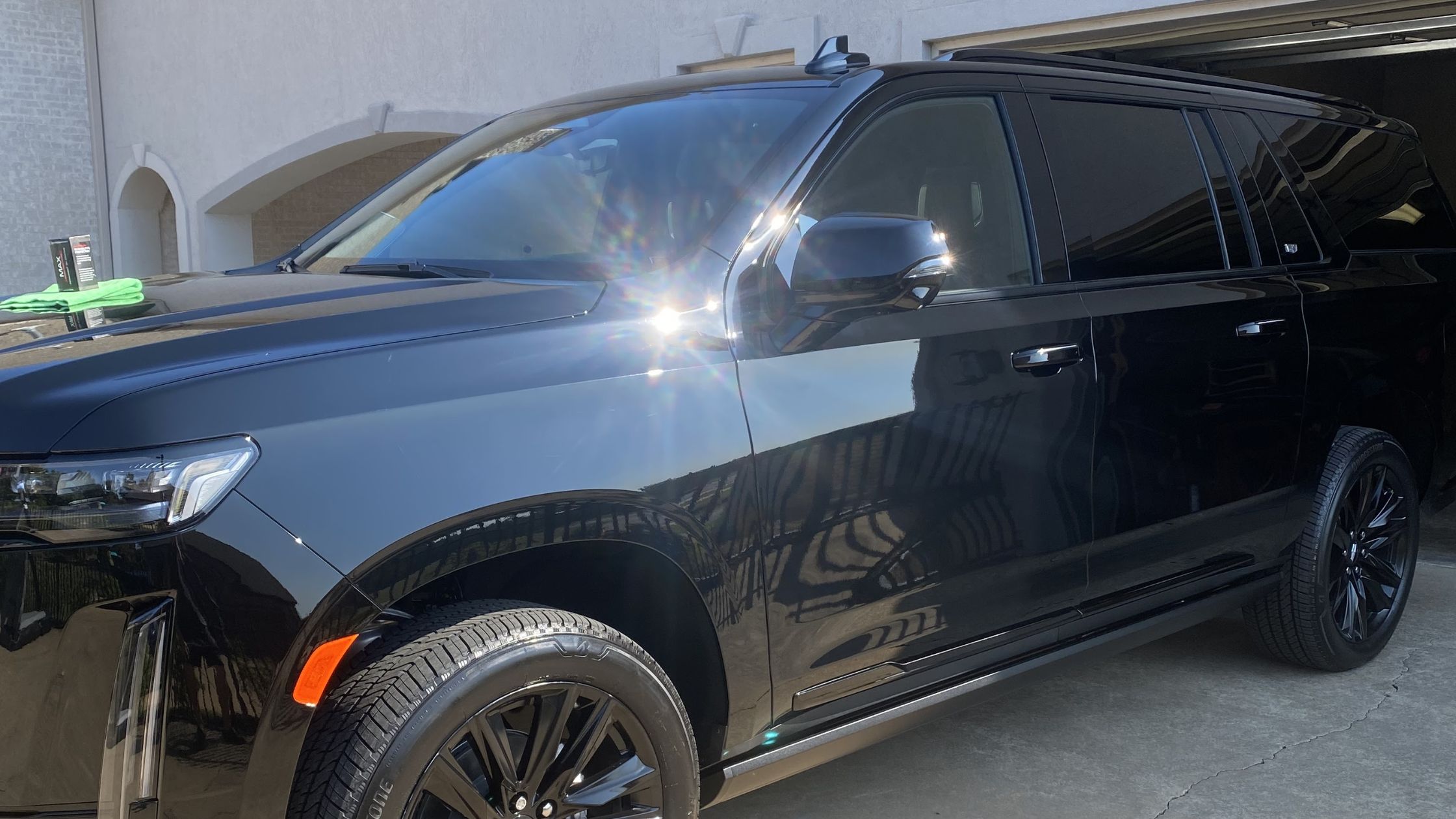
When selecting your window film, matching the front and rear window shades creates a clean, continuous profile. Many luxury sedans utilize a single, uniform shade across all side windows to maintain a balanced look. This approach avoids the stark visual split that occurs when the front windows are significantly lighter than the rear glass.
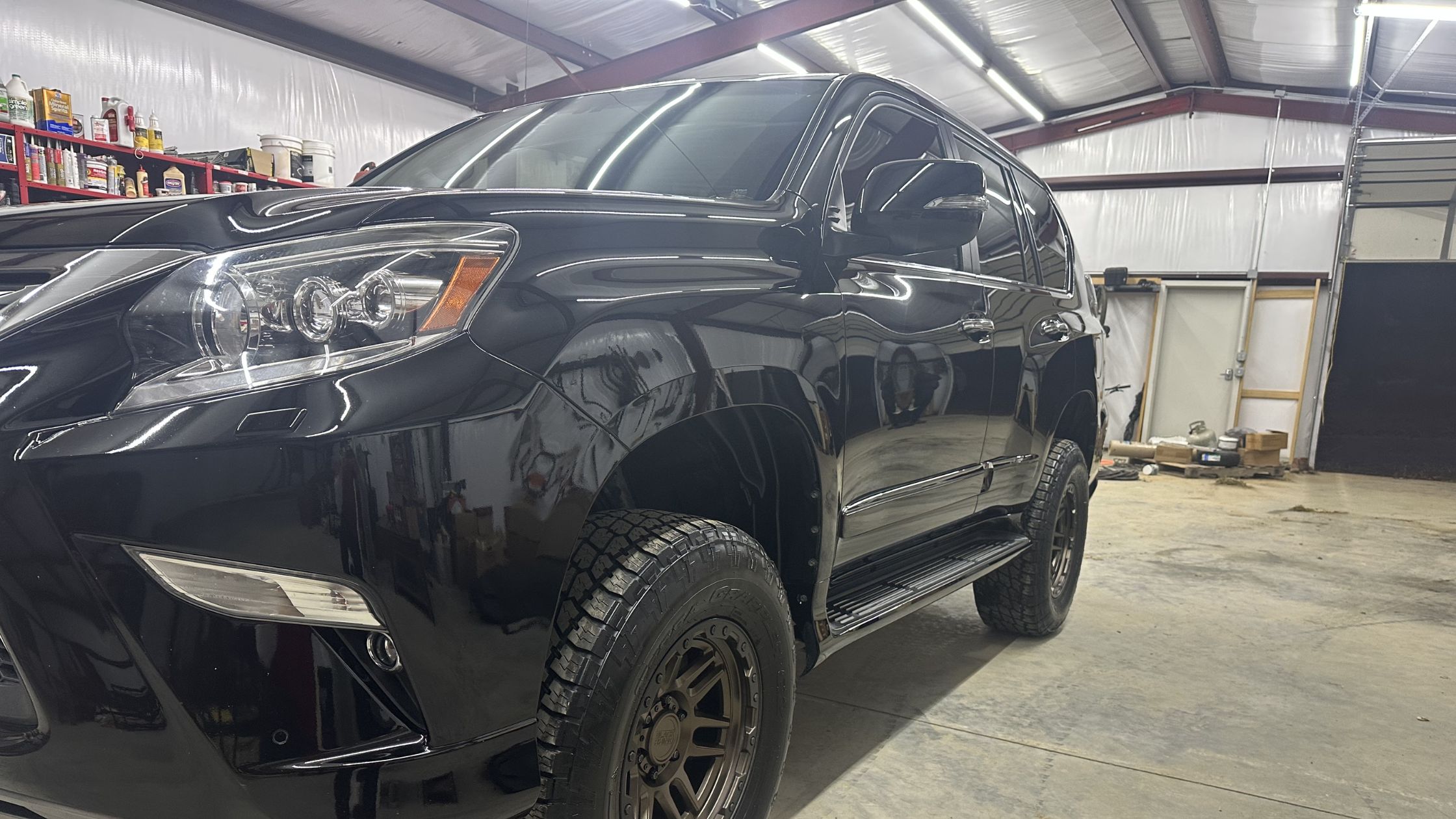
For multi-purpose vehicles like SUVs and crossovers, a staggered setup is often necessary to comply with state laws while maximizing privacy in the rear cabin. Experienced technicians can select complementary percentages that transition smoothly from front to back.
Preventing Color Distortion and Haze
Low-quality films often possess a high level of light reflection, giving the glass a cheap, mirrored appearance. High-end ceramic films feature a deep, warm charcoal or black finish that matches factory glass perfectly. These premium materials provide maximum solar protection without creating an artificial color cast when looking out from the cabin.
Understanding Your Window Tint Shade Options and VLT Percentages
Understanding how to read VLT percentages is essential when exploring your window tint shade options before an installation. The VLT percentage refers to the specific amount of visible light that can pass through both the window film and the automotive glass.
Demystifying Visible Light Transmission (VLT)
A lower VLT percentage indicates a darker film, while a higher VLT percentage means more natural light is allowed inside. For example, a 70% VLT film looks almost invisible to the naked eye, whereas a 5% VLT film is completely blacked out. When choosing the right tint darkness, you must consider how the film will interact with your vehicle's factory glass, which often has a subtle, built-in tint of 70% to 80% from the manufacturer.
The table below outlines how various VLT percentages perform across critical driving and aesthetic categories:
Why Is Window Tinting in Little Rock Subject to Strict Arkansas Laws?
Understanding the legal limits of window tinting in little rock is essential to avoid costly fines and safety hazards on the road. Arkansas state law regulates how dark your vehicle's glass can be to ensure that drivers maintain proper road visibility while letting law enforcement officers see inside the cabin during traffic stops.
When researching options for window tinting in little rock, local vehicle owners must balance their personal comfort with the strict guidelines enforced by the Arkansas State Police. If your window film blocks too much light, you could face hefty traffic citations while driving down Interstate 630 or cruising through the River Market District. Staying within the legal boundaries ensures a stress-free ownership experience.
Specific Arkansas Tint Darkness Limits
Arkansas law differentiates between passenger cars (sedans) and multi-purpose vehicles (SUVs, trucks, and vans). For passenger cars, the limits are highly specific:
- Windshield: Non-reflective tint is allowed only on the top 5 inches of the glass (the windshield eyebrow).
- Front Side Windows: Must allow more than 25% of light to pass through.
- Back Side Windows: Must allow more than 25% of light to pass through.
- Rear Windshield: Must allow more than 10% of light to pass through.
For multi-purpose vehicles like SUVs and pickup trucks, the law offers slightly more flexibility for the rear cabin:
- Windshield: Non-reflective tint is allowed on the top 5 inches of the glass.
- Front Side Windows: Must allow more than 25% of light to pass through.
- Back Side Windows: Can be as dark as 10% VLT.
- Rear Windshield: Can be as dark as 10% VLT.
Reflectivity and Certification Rules
Arkansas law prohibits any window film that has a metallic, mirrored, or highly reflective appearance. This rule is designed to prevent solar glare from blinding other motorists on busy local highways. Furthermore, Arkansas requires a small compliance sticker to be placed between the film and the glass on the driver's side window to identify the installation as legal.
How Does Arkansas Climate Influence the Best Tint for Your Car?
The intense solar heat and high relative humidity in Pulaski County significantly influence how window films perform. During the peak summer months, cabin temperatures inside a vehicle parked in West Little Rock or the Heights can easily soar past 140 degrees Fahrenheit.
Why Ceramic Technology Beats Dark Dyed Film
Many drivers mistakenly believe they must select a dark, illegal tint shade to block the sun's heat. However, modern ceramic films utilize advanced non-conductive ceramic particles to block up to 99% of infrared heat. This means a legal, light-shaded 50% ceramic film will actually block far more heat than a cheap, illegal 5% dyed film.
Investing in high-grade ceramic technology allows you to enjoy a comfortable, cool cabin while keeping your windows completely legal and safe for night driving. It lightens the load on your vehicle's air conditioning system, improving fuel efficiency during your daily commute through Hillcrest or downtown.
Protecting Your Interior from Intense UV Radiation
The local Arkansas sun emits powerful ultraviolet rays that cause rapid fading and cracking of leather seats and vinyl dashboards. Regardless of the shade percentage you choose, a professional-grade window film acts as a protective shield by blocking 99.9% of harmful UV rays.
Reading through authentic customer testimonials highlights our track record of maintaining 353 Google reviews and a perfect 5-star rating as of today. Selecting the right combination of shade and material technology ensures that your vehicle's interior remains pristine for years to come.
FAQs About Window Tint Shades and Comfort
Is a 35% tint dark enough to provide privacy?
Yes, a 35% tint provides a moderate level of privacy that satisfies most daily drivers. It obscures the view of your vehicle's interior from a distance, making it difficult for passersby to see inside clearly. However, outlines and passengers will still be visible under direct sunlight or close inspection.
Can you see through 20% tint at night?
Yes, you can see through 20% tint at night, but your outward visibility will be noticeably reduced. In well-lit urban areas with plenty of streetlights, driving with 20% rear windows is comfortable. However, in rural areas or dark parking lots, you may need to rely heavily on your backup camera or roll down your side windows to see clearly when reversing.
Does a lighter window tint block solar heat effectively?
Yes, a lighter window tint can block solar heat exceptionally well if it is made from premium nano-ceramic materials. Traditional dyed films rely on darkness to block heat, but ceramic films block invisible infrared heat waves. This allows a nearly clear 70% ceramic film to outperform a very dark dyed film in terms of thermal comfort.
What happens if my window tint is darker than the Arkansas legal limit?
If your window tint is darker than the 25% VLT limit for front side windows in Arkansas, you can be pulled over and issued a traffic citation. Law enforcement officers carry digital tint meters that slide over the glass to measure light transmission instantly. You will likely face a fine and be required to remove the illegal film at your own expense.
How does window film affect a curved rear windshield?
A curved rear windshield requires a highly skilled technician to shrink the film precisely using a specialized heat gun before application. If an installer uses cheap materials or poor techniques, the film may develop optical distortion or bubbled pockets along the defroster lines. Professional shops use high-grade, shrinkable polyester films to ensure perfect clarity across the entire curved surface.
Getting the Quality Your Vehicle Deserves
Choosing the perfect combination of window film shade, material quality, and legal compliance is a crucial step in preserving your vehicle's long-term comfort and resale value. While cheap, uncertified tint jobs often lead to bubbling, peeling, and poor night vision, investing in a professional-grade installation ensures a lifetime of visual clarity and heat rejection. By selecting a legal, high-performance ceramic film, you can upgrade your daily drive through West Little Rock or the River Market District without worrying about safety hazards or traffic tickets.
If you want to receive custom guidance or see physical samples of these films, you can contact us to discuss your vehicle. Our experienced staff is always available to help you navigate state laws and choose the ideal materials for your specific driving habits.
When you want to balance premium style, interior cooling, and perfect road safety, working with a certified local studio makes all the difference. For flawless, durable, and legally compliant window tinting in little rock, local car owners trust the certified expertise of Extreme Clean Auto Studio to deliver pristine, bubble-free results that stand the test of time.
Get a quote
What happens next?
Fill out all the info and we will contact you via email within 24 hours or feel free to call or text.
BY APPOINTMENT ONLYSat: Closed
Sun: Closed

.jpg)
.jpg)
.jpg)
.jpg)