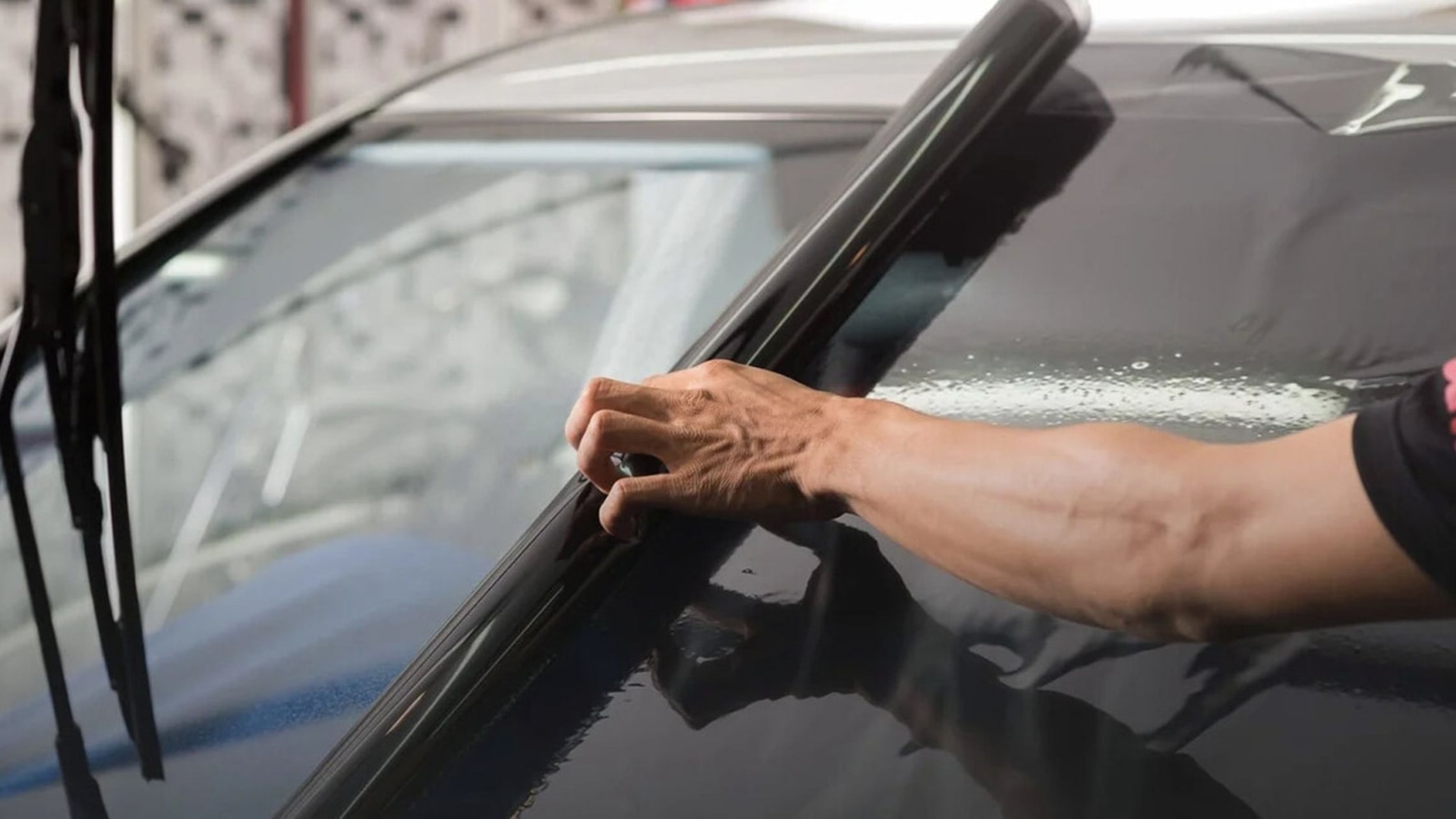
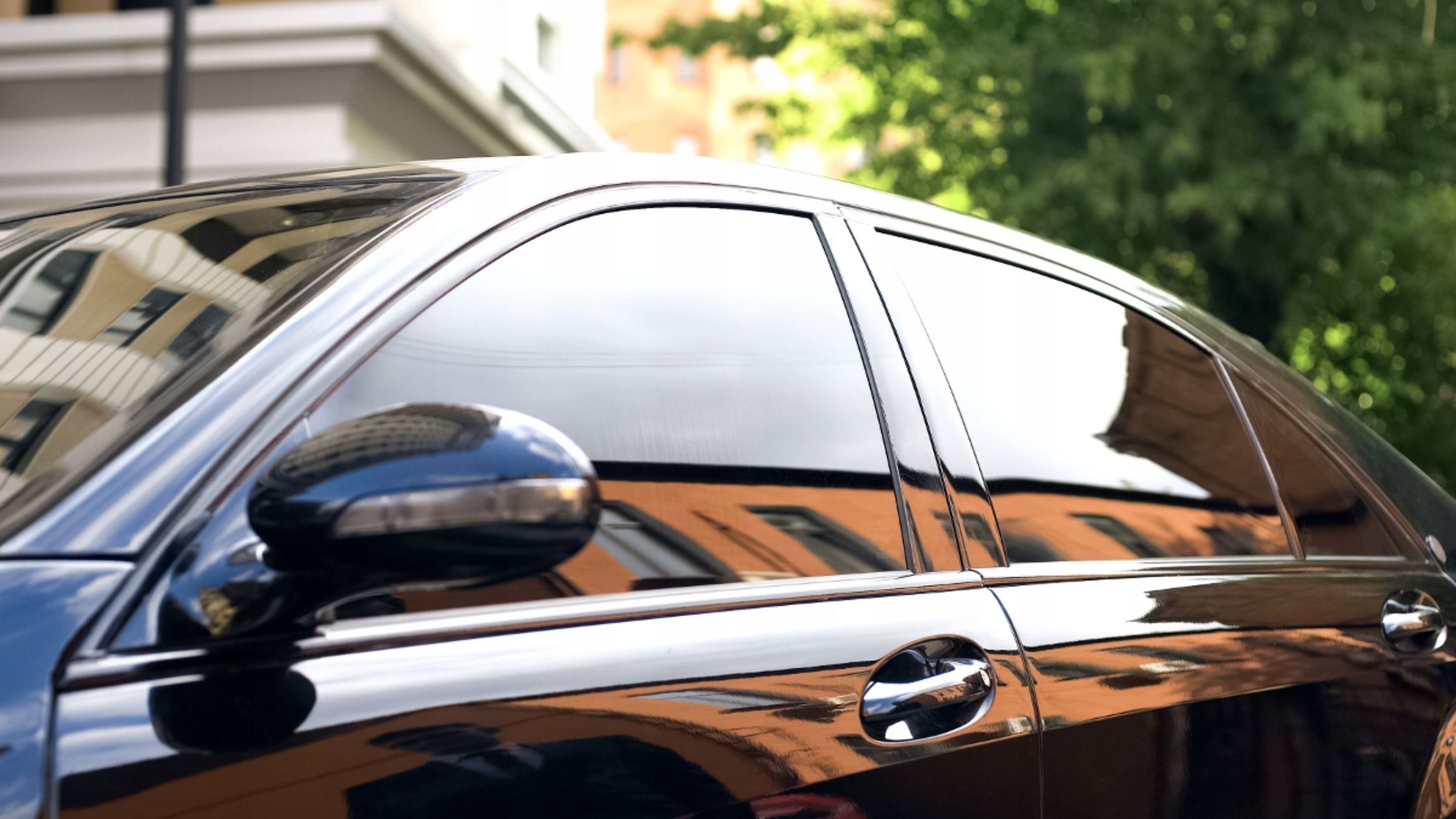
How Does Car Window Tinting Help Reduce Heat Inside Vehicles in Little Rock?
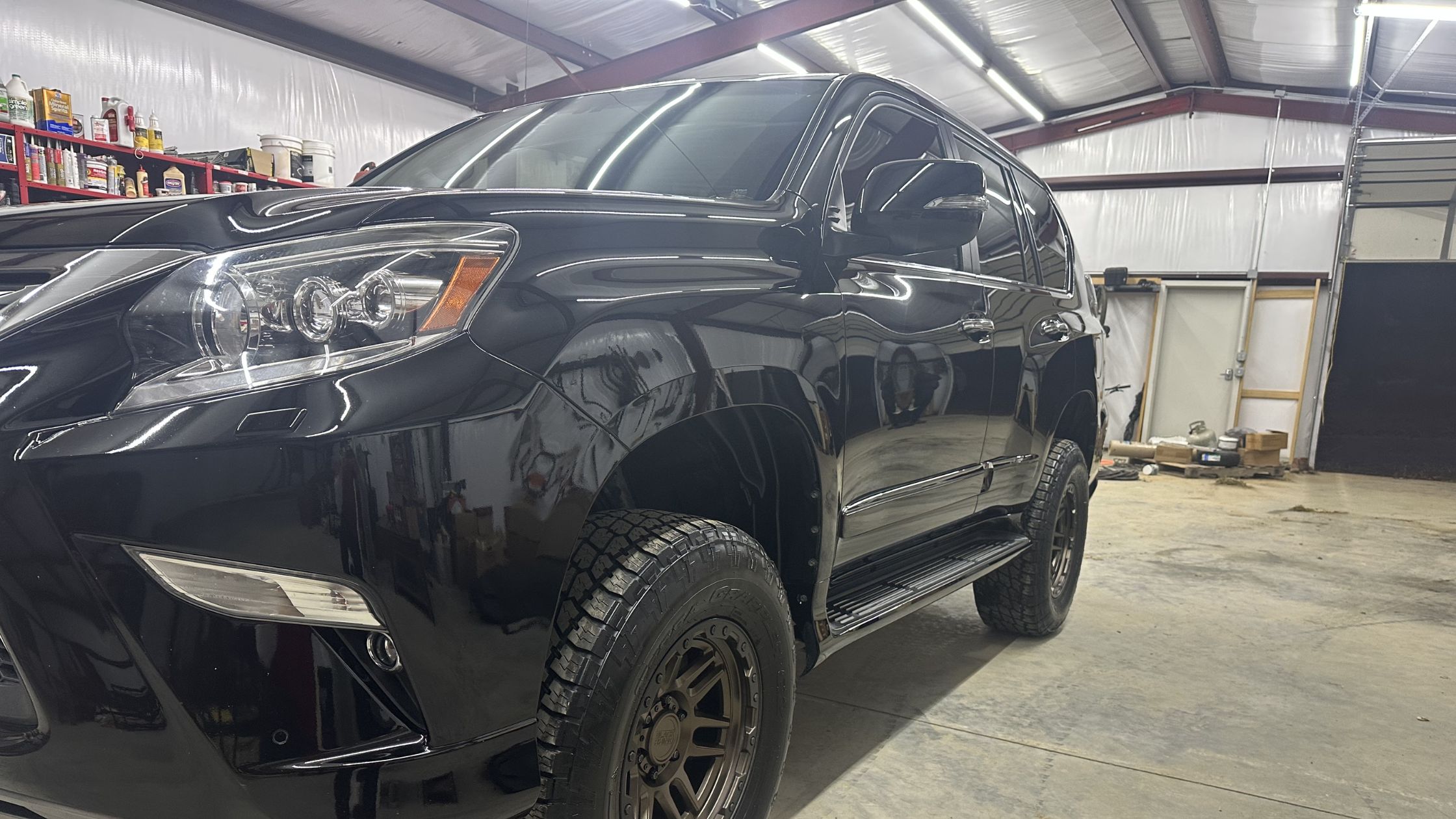
Little Rock summers are notoriously intense, often pushing vehicle interior temperatures well above 130 degrees Fahrenheit within minutes of parking. Car window tinting functions as a thermal barrier by using specialized polyester films to reject solar energy before it penetrates the glass. By reflecting and absorbing infrared radiation, window tinting in Little Rock helps maintain a manageable cabin temperature, protects your upholstery from fading, and significantly reduces the strain on your air conditioning system. This upgrade is not just about aesthetics; it is a functional necessity for anyone commuting through the Heights or parking near the River Market during the peak of July.
Does window tint help with heat in cars?
Yes, window tint is one of the most effective ways to lower the internal temperature of a vehicle. High-quality films are engineered to block specific wavelengths of solar energy, primarily infrared radiation, which is the main source of heat. When solar energy hits an untinted window, the glass absorbs some heat while the rest passes through, warming the seats, dashboard, and air inside. Window tint reflects a large portion of this energy back toward the exterior, keeping the interior surfaces significantly cooler to the touch.
Implementing window tinting in Little Rock is a strategic move for residents who frequently travel along I-630 or park in exposed lots near the Arkansas State Capitol. The heat reduction is immediate and measurable, often lowering the surface temperature of leather seats by 20 to 30 degrees. This creates a much more comfortable environment for drivers and passengers alike, especially during the humid afternoons common in Pulaski County.
How does heat-reducing car window tint actually work?
Thermal rejection in window films relies on advanced material science to manage solar energy. Most modern tints use multiple layers of polyester combined with dyes, metals, or ceramic particles to filter out heat.
Solar Energy Rejection
Solar energy consists of visible light, ultraviolet (UV) rays, and infrared (IR) radiation. While visible light allows us to see, IR radiation is what we feel as heat. Heat-reducing films are designed with a high Total Solar Energy Rejection (TSER) rating. This percentage indicates how much of the total solar spectrum the film blocks. A film with a high TSER ensures that even if it is a lighter shade, it can still provide superior heat protection compared to a darker, lower-quality dyed film.
Absorption vs. Reflection
Different types of film handle heat in two distinct ways. Dyed films primarily absorb heat, holding it within the glass until it eventually dissipates outward or inward. Metallic and ceramic films, however, are highly reflective. They bounce the solar energy away from the vehicle entirely. This is why many drivers near the Chenal Valley area prefer ceramic options; they offer the highest level of reflection without interfering with cell signals or GPS systems.
What are the benefits of UV-blocking window film?
Beyond just cooling the air, window films serve a critical role in blocking 99% of harmful ultraviolet rays. UV radiation is responsible for both skin damage and the deterioration of your car’s interior materials.
- Skin Protection: Prolonged exposure to UV rays through side windows can lead to skin aging and increased cancer risks.
- Interior Longevity: UV rays break down the chemical bonds in plastic, vinyl, and leather, leading to cracks and fading.
- Glare Reduction: Films help filter out the blinding sun that reflects off the Arkansas River or glass buildings downtown.
- Shatter Resistance: In the event of an accident or a break-in attempt, the film helps hold the glass fragments together.
Why is ceramic car tint in Little Rock the best option for summer?
Ceramic tint represents the pinnacle of window film technology because it contains non-conductive, non-metallic ceramic particles. These particles are small enough to allow visible light through while being incredibly effective at blocking infrared light.
In a climate like ours, where humidity can make the heat feel even more oppressive, ceramic car tint in Little Rock provides a level of comfort that standard films cannot match. It does not turn purple over time and offers a crystal-clear view, even at night. Because it doesn't contain metal, it won't block your phone's connection while you're navigating through the busy Midtown shopping districts or commuting from North Little Rock.
How does window tint improve fuel efficiency?
When your car is cooler, you don't have to run the air conditioning at maximum capacity. The AC system is powered by the engine (or the battery in EVs), so reducing its workload directly impacts your fuel consumption or range.
- Faster Cool-Down: A tinted car reaches a comfortable temperature much faster after being parked in the sun.
- Consistent Temperature: Once the cabin is cool, the tint helps keep it that way, meaning the compressor doesn't have to kick in as often.
- Lower Engine Load: Less demand on the alternator and compressor means better gas mileage during city driving in areas like Hillcrest.
Is window tinting legal in Arkansas?
Arkansas has specific laws regarding how dark your window tint can be, which is measured by Visible Light Transmission (VLT). It is important to stay within these legal limits to avoid fines and ensure safety during nighttime driving.
VLT Limits in Arkansas
- Sedans: 25% VLT is allowed on the front side, back side, and rear windows.
- SUVs and Vans: 25% VLT is allowed on the front side windows; any darkness can be used on the back side and rear.
- Windshield: A non-reflective tint is allowed along the top 5 inches or the AS1 line.
Professional installers in Central Arkansas are well-versed in these regulations. They can provide a "compliance sticker" that is often required to prove your tint meets state standards. This is especially helpful if you frequently travel through different jurisdictions like Sherwood, Maumelle, or Bryant, where local law enforcement may be more observant of vehicle modifications.
Does window tinting add value to your vehicle?
A well-maintained car with professional window tint often has a higher resale value. Prospective buyers in the Little Rock market understand the value of heat protection and a preserved interior.
- Condition of Materials: A car that has been tinted since it was new will likely have a pristine dashboard and seats.
- Aesthetic Appeal: Tint provides a sleek, finished look that many buyers find attractive.
- Privacy and Security: Darker windows keep valuables out of sight, which is a significant selling point for urban dwellers.
Protecting your investment is a smart financial move. If you are planning to upgrade your vehicle's protection, contact us for more details on how to book your appointment and ensure your vehicle is ready for the next heatwave with a service backed by 347 5-star reviews.
Comparison of Window Tint Materials
Local Factors: Why Little Rock Drivers Need Tint
The geography of Central Arkansas contributes to a unique "urban heat island" effect. Areas with lots of pavement, such as the shopping centers around West Little Rock or the industrial zones near the Bill and Hillary Clinton National Airport, retain heat much longer than the surrounding rural areas.
When you are stuck in traffic on the I-430 bridge during a summer afternoon, the sun beats down on your vehicle from multiple angles. Without high-quality window tinting in Little Rock, the glass acts like a magnifying glass, trapping heat inside and making your commute unbearable. Professional film installation ensures that your car remains a sanctuary of cool air, regardless of how high the heat index climbs at War Memorial Park or the Zoo.
Common Myths About Car Window Tinting
There are several misconceptions that often prevent people from getting the protection they need. Understanding the reality behind these myths can help you make a more informed decision.
Myth 1: Darker Tint Always Blocks More Heat
While darkness helps with privacy and glare, heat rejection is determined by the materials in the film. A high-quality light ceramic tint can actually block more heat than a very dark, cheap dyed tint.
Myth 2: Tint Will Bubble and Turn Purple
This only happens with low-quality, "DIY" kits or bargain-basement films. Professional-grade films are designed to resist UV degradation and use stable pigments or ceramic particles that never change color.
Myth 3: You Can't Clean Tinted Windows
You can clean them, but you must avoid ammonia-based cleaners. Simple soap and water or a specialized window film cleaner will keep the film looking new for years without damaging the adhesive or the scratch-resistant coating.
Frequently Asked Questions (People Also Ask)
How much does it cost to tint a car in Little Rock?
The price varies depending on the size of the vehicle and the type of film used. Basic dyed films are the most affordable, while premium ceramic films cost more due to their superior heat-rejection properties and lifetime warranties. On average, expect to pay more for a full SUV than a small coupe.
How long does the installation take?
A professional installation typically takes between 2 to 4 hours. This depends on whether old tint needs to be removed and the complexity of the window curves. Most shops in the Little Rock area recommend leaving your windows up for 3 to 5 days after installation to allow the adhesive to cure fully.
Can I tint my windows in the winter?
Yes, you can tint windows year-round. While the curing process might take slightly longer in colder or more humid weather, the climate-controlled shops in Central Arkansas ensure a perfect application regardless of the season. Getting it done in the winter means you are fully prepared for the first hot day of spring.
Will window tint help with night driving glare?
Yes, window tint significantly reduces glare from trailing headlights in your rearview and side mirrors. This reduces eye strain and makes it safer to navigate the dimly lit roads in areas like Cammack Village or the rural outskirts of the city.
Does car tinting protect my electronics?
Heat is the enemy of electronics. By keeping the interior of your car cooler, window tint helps protect your touchscreen displays, dash cams, and any mobile devices you might leave in the center console from overheating and failing.
Conclusion
Car window tinting is an essential upgrade for any driver in Central Arkansas looking to combat the punishing summer sun. By understanding how different films like ceramic car tint in Little Rock work to reject infrared heat and UV rays, you can choose a solution that fits your lifestyle and protects your vehicle for the long term. From improving fuel efficiency to preserving your interior's value, the benefits extend far beyond just a cooler cabin.
When you are ready to experience the difference that professional-grade film can make, Extreme Clean Auto Studio is here to help. As a trusted local service provider with 347 5-star Google reviews as of today, we specialize in high-performance installations that are tailored to the specific needs of Little Rock drivers. We pride ourselves on providing clear, honest advice and top-tier craftsmanship to ensure your vehicle stays cool, comfortable, and protected all year round.
Get a quote
What happens next?
Fill out all the info and we will contact you via email within 24 hours or feel free to call or text.
BY APPOINTMENT ONLYSat: Closed
Sun: Closed

.jpg)
.jpg)
.jpg)
.jpg)