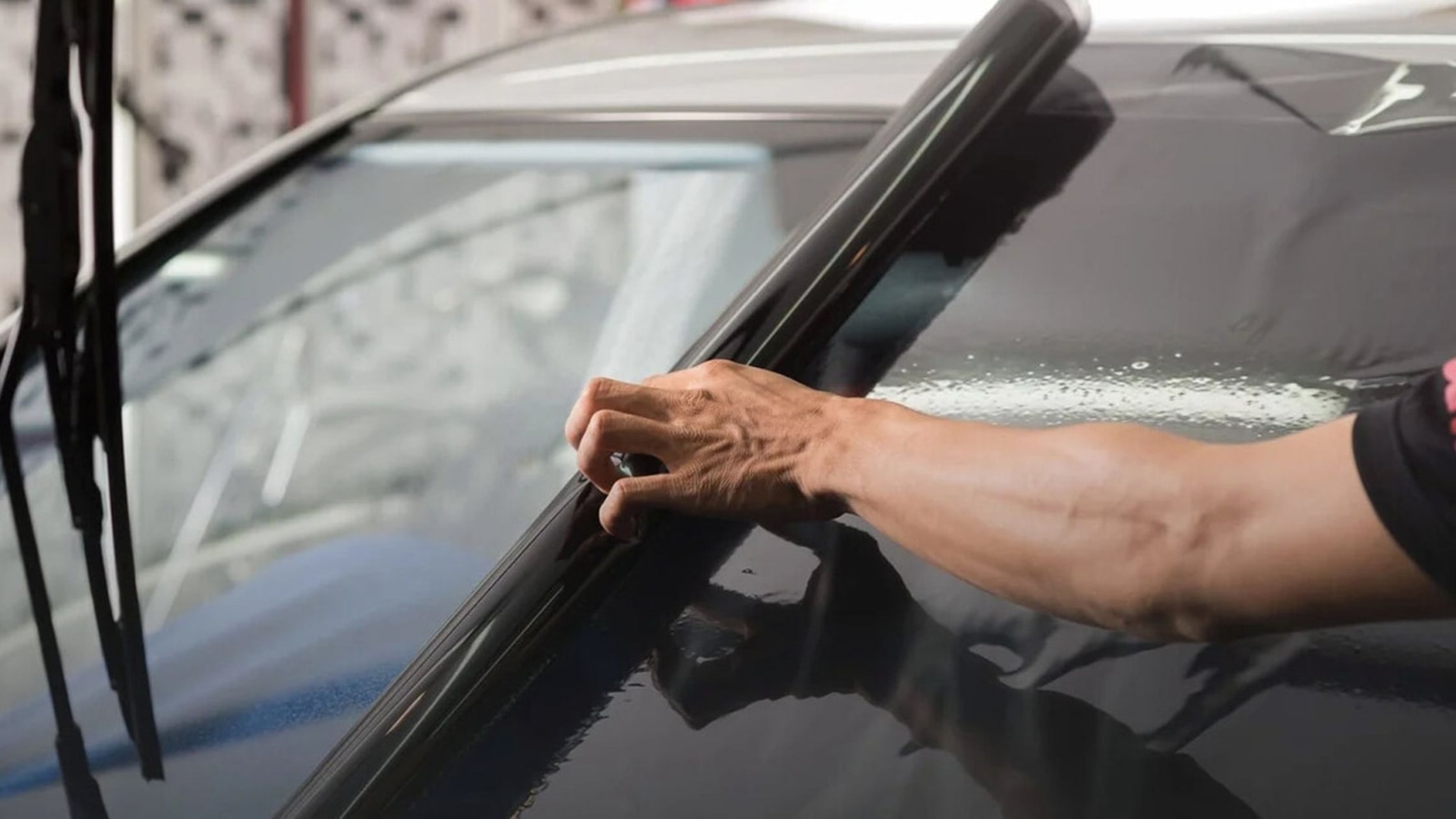
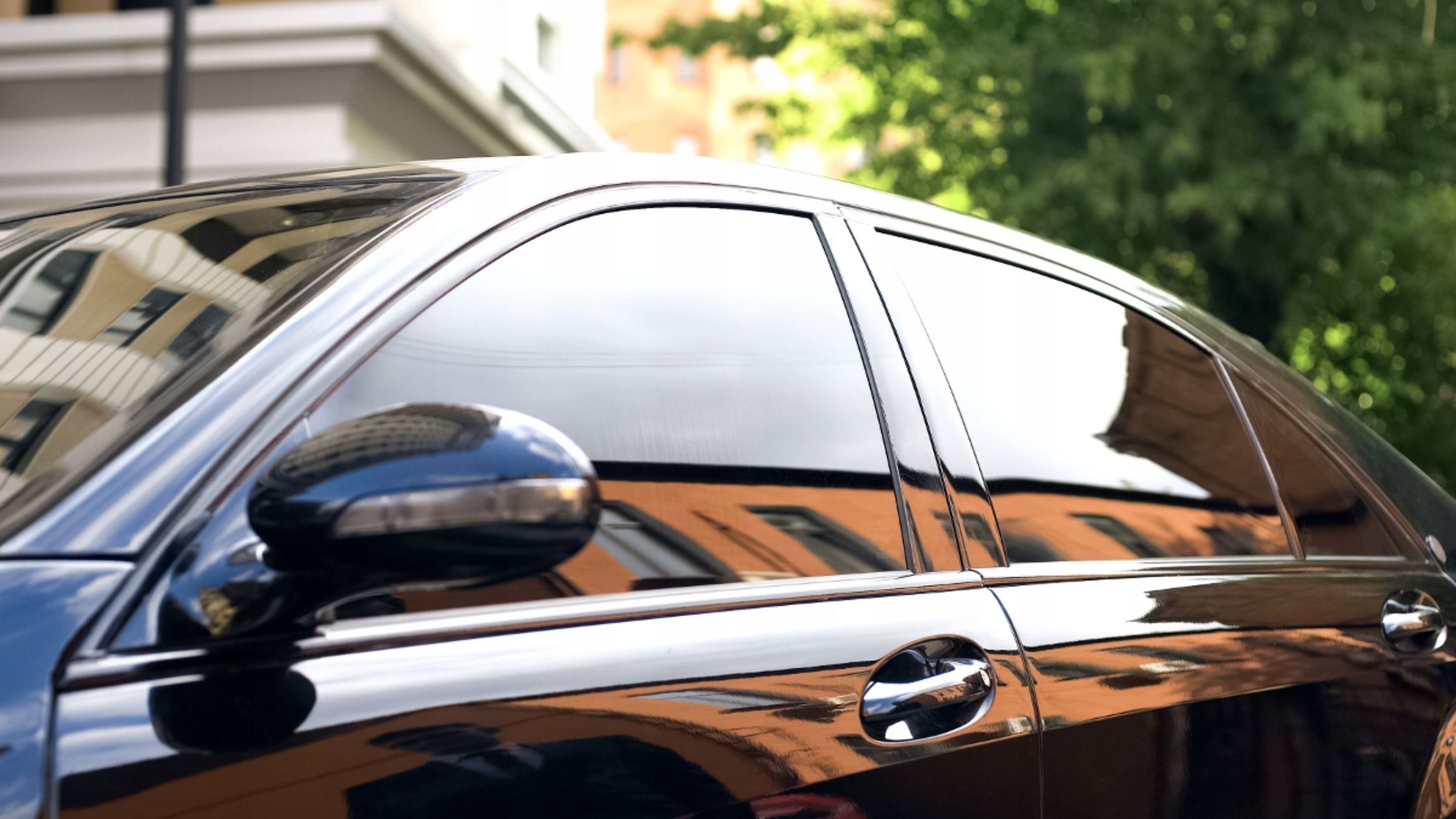
Are Cheap Window Tint Films Causing Bubbles and Peeling on Your Car?
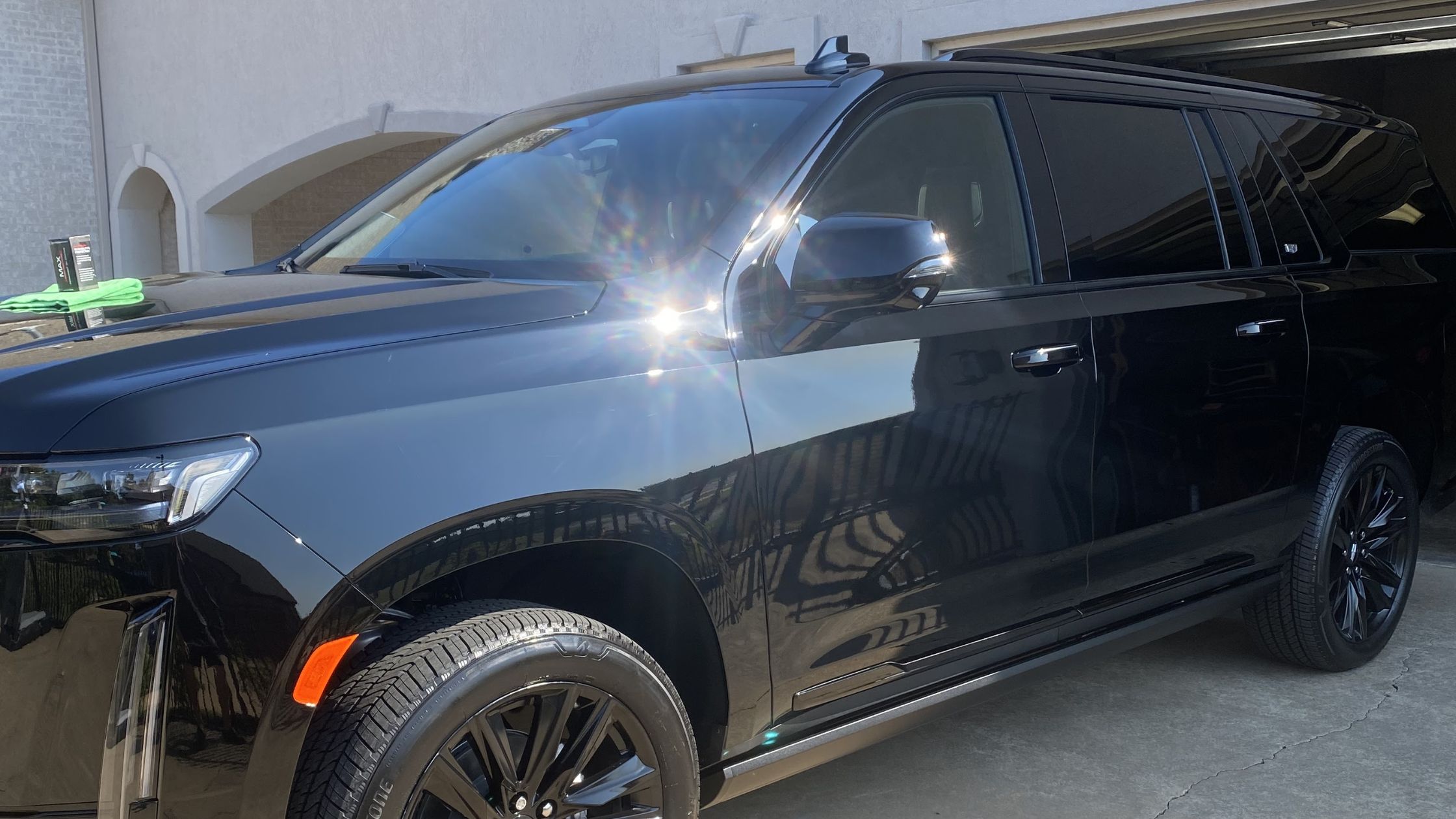
If you have noticed unsightly purple bubbles or jagged peeling edges on your vehicle's glass, you are likely dealing with the failure of a low-quality window film. In Central Arkansas, where temperatures frequently soar, these failures are often accelerated by intense solar heat and improper application techniques. High-quality window tinting in Little Rock is designed to withstand these environmental pressures, but bargain-tier dyed films often succumb to adhesive breakdown within just a few seasons. When the adhesive fails, air and moisture become trapped between the film and the glass, creating a distorted view that is both unattractive and potentially dangerous for your visibility on the road.
Why does window tint bubble and peel?
Window tint bubbles and peels primarily because of adhesive failure caused by poor-quality materials, improper installation, or excessive heat exposure. Most "cheap" tints are simple dyed polyester sheets with a low-grade adhesive that cannot handle the thermal expansion and contraction of glass. Without a UV-resistant top coat, the polyester itself begins to shrink and curl at the edges, leading to the jagged peeling that catches on your window seals every time you roll them down.
Is professional car window tinting better than DIY kits?
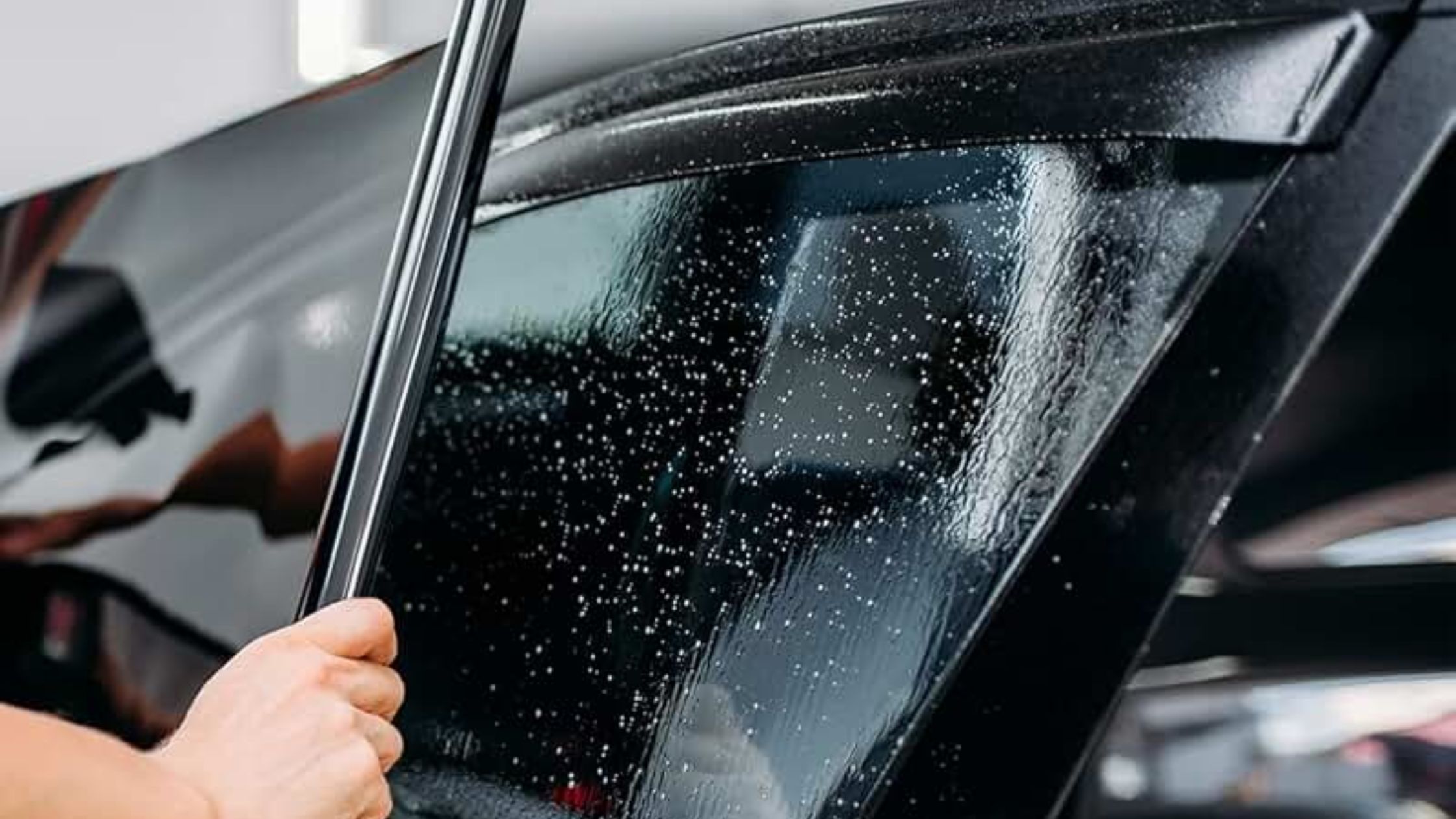
Professional car window tinting is significantly superior to DIY kits because it combines high-performance film technology with a controlled environment and specialized tools. Applying tint in a driveway or garage in neighborhoods like Hillcrest or The Heights exposes the adhesive to airborne dust, pollen, and debris that inevitably lead to contamination bubbles. Professional installers work in dust-free bays and use de-ionized water solutions to ensure the glass is surgically clean before the film ever touches the surface.
Furthermore, a professional car window tinting service provides access to "shrinkable" films that can be heat-molded to the complex curves of modern automotive glass. DIY films are often stiff and difficult to manipulate, which frequently results in "fingers" or creases at the edges of the window. By working with an expert, you ensure that every square inch of the film is perfectly bonded to the glass, eliminating the risk of premature lifting.
What is the difference between durable automotive tint film and cheap dyed film?
The primary difference lies in the construction of the film layers and the stability of the inorganic pigments or ceramic particles used to block heat. Cheap dyed films rely on a layer of ink that absorbs heat, which eventually causes the film to fade to a translucent purple and lose its structural integrity.
- Adhesive Strength: High-performance films use cross-linked chemical adhesives that form a permanent bond with the glass.
- Heat Management: A durable automotive tint film reflects heat rather than just absorbing it, keeping the film cooler and more stable.
- UV Stability: Premium films are saturated with UV inhibitors that protect the adhesive layer from being "cooked" by the sun.
- Multi-Layer Design: Professional films often feature a scratch-resistant hard coat that prevents the film from being marred by window tracks or cleaning tools.
When your vehicle is parked near the Arkansas State Capitol or commuting along I-630, the quality of your film is the only thing standing between a comfortable cabin and a bubbling mess. Investing in a higher tier of film ensures that your windows look as good five years from now as they did on the day of installation.
How do you fix bubbling or peeling window tint?
The only effective way to fix bubbling or peeling tint is to completely remove the failed film and replace it with a professional-grade alternative. Once a film has begun to bubble, the adhesive has been chemically altered and cannot be "squeezed" back into place. Attempting to pop the bubbles with a needle or heat gun will only result in a sticky, distorted surface that is even harder to clean.
Removing old tint is a labor-intensive process that requires specialized steamers and solvent cleaners to dissolve the residual glue without damaging the rear defroster lines. This is a critical step for drivers in Central Arkansas who want to ensure their vehicle remains in peak condition. If you are struggling with a bad tint job, you can contact us to schedule a professional removal and re-tinting session that is backed by our reputation for excellence.
Why is bubble-free window tint installation so difficult for beginners?
A bubble-free window tint installation requires a level of precision and environmental control that most non-professionals simply cannot achieve. Even a microscopic speck of dust from the Arkansas River Valley air can act as a seed for a bubble, growing larger as the film cures in the sun.
- Surface Decontamination: Professionals use clay bars and specialized scrapers to remove invisible contaminants like sap and industrial fallout.
- Precision Squeegeeing: Using the correct pressure and overlapping strokes is essential to drive out 100% of the mounting solution.
- Edge Tucking: The film must be cut and tucked precisely beneath the window gaskets to prevent air from entering the edges.
- Heat Shrinking: Contouring the film to the glass using a high-output heat gun requires a steady hand to avoid melting the polyester.
Missing even one of these steps can lead to a failure within weeks. By trusting an expert who understands the nuances of local climate and humidity, you avoid the frustration of a botched application.
Does heat in Little Rock make window tint fail faster?
Yes, the specific climate of Central Arkansas is particularly harsh on automotive films. The combination of high humidity and intense direct sunlight creates a "greenhouse effect" inside your car, stressing the bond between the glass and the film. In areas with high pavement density like Midtown or near the Park Plaza Mall, the ambient heat remains high even after the sun sets, giving the adhesive no time to cool down and recover.
Using a durable automotive tint film is the only way to counteract these local environmental stressors. Higher-quality films are tested in high-heat environments to ensure they can survive years of Arkansas summers without losing their clarity or adhesion. When you see a car with purple, bubbling windows driving down Broadway Street, you are seeing the direct result of a film that wasn't built for our local weather.
Comparison of Professional Tint vs. Budget Tint
Local Factors: Why Quality Matters for Little Rock Drivers
The urban landscape of Little Rock contributes to an environment where vehicle surfaces are constantly bombarded by UV rays and radiant heat. Whether you are parking at the University of Arkansas at Little Rock or grabbing lunch in Hillcrest, your car is likely sitting in direct exposure for hours at a time. A low-quality film will begin to "gas out" under these conditions, leading to the rapid formation of bubbles.
Furthermore, the humidity from the nearby Arkansas River can slow down the curing process of cheap adhesives, making them more likely to shift or peel if you roll your windows down too early. A professional bubble-free window tint installation accounts for these atmospheric variables, using specific drying times and mounting solutions that work in harmony with our local climate. This ensures that your investment stays crisp and clear through every season.
Common Myths About Window Tint Failure
There are several misunderstandings about why tint fails and how to prevent it. Knowing the facts can help you avoid making a mistake with your next installation.
Myth 1: Bubbles Are Normal After Installation
While small moisture bubbles (haze) are normal for the first few days as the film cures, large air bubbles or bubbles containing dust are a sign of a poor installation. If bubbles persist after two weeks in the Arkansas sun, they are likely permanent defects.
Myth 2: Windex Is Safe for Cleaning Tint
Ammonia-based cleaners like original Windex will eat through the protective top coat of your film and dissolve the adhesive at the edges. Always use a damp microfiber cloth or a dedicated ammonia-free tint cleaner to maintain the life of your film.
Myth 3: Any Shop Can Do a Good Job
Many "shops" in the area operate without climate-controlled bays or experienced technicians. The difference between a master tinter and a beginner is visible in the gaps at the top of the window and the cleanliness of the film near the gaskets.
Frequently Asked Questions (People Also Ask)
Why is my window tint turning purple?
Window tint turns purple because the yellow and red dyes in the film have broken down due to UV exposure, leaving only the blue/purple pigment behind. This is a classic sign of a low-quality dyed film that lacks UV inhibitors. Once a film turns purple, it has lost its ability to block heat and should be replaced with a professional-grade ceramic or carbon film.
Can you fix bubbles in the window tint without replacing it?
Generally, no. If the bubbles are caused by air or dust, the adhesive has already been compromised. If they are moisture bubbles from a recent installation, they may disappear on their own within 14 days. However, if the bubbles are "dry" and have been there for months, the only solution is to remove the old film and start over with a fresh application.
How do I know if my tint is high quality?
High-quality tint will have a consistent color, no visible distortion when looking through it at an angle, and will typically come with a manufacturer's warranty card. If your tint was very inexpensive and the shop didn't offer a lifetime warranty against fading or bubbling, it is likely a lower-tier product.
Will bubbling tint damage my car windows?
The bubbles themselves won't damage the glass, but the adhesive breakdown can make the windows very difficult to clean. If the film is left to deteriorate for too long, the glue can harden and become extremely difficult to remove, increasing the risk of damage to your rear window's defroster grid during the removal process.
How long should window tint last in Little Rock?
With a high-quality professional installation using ceramic or carbon film, your window tint should last the entire lifetime of your vehicle. Cheaper dyed films in our climate typically start to show signs of failure (bubbling or fading) within 2 to 4 years.
Conclusion
Bubbling and peeling window tint are more than just an eyesore; they are a sign that your vehicle's protection has failed. By understanding the difference between cheap, temporary films and high-performance window tinting in Little Rock, you can make a choice that saves you time and money in the long run. Professional-grade materials and expert application are the only ways to guarantee a result that stays clear, cool, and beautiful regardless of how hot the Arkansas summer becomes.
If you are tired of looking through distorted, bubbling windows, Extreme Clean Auto Studio is here to provide the solution. As a trusted local service provider with 347 5-star Google reviews, we specialize in high-precision, bubble-free window tint installation that stands the test of time. Our team uses only the most durable automotive tint film to ensure your vehicle is protected from the elements while looking its absolute best. We pride ourselves on our reputation for excellence and are dedicated to serving the Little Rock community with the highest standards of automotive care.
Get a quote
What happens next?
Fill out all the info and we will contact you via email within 24 hours or feel free to call or text.
BY APPOINTMENT ONLYSat: Closed
Sun: Closed

.jpg)
.jpg)
.jpg)
.jpg)