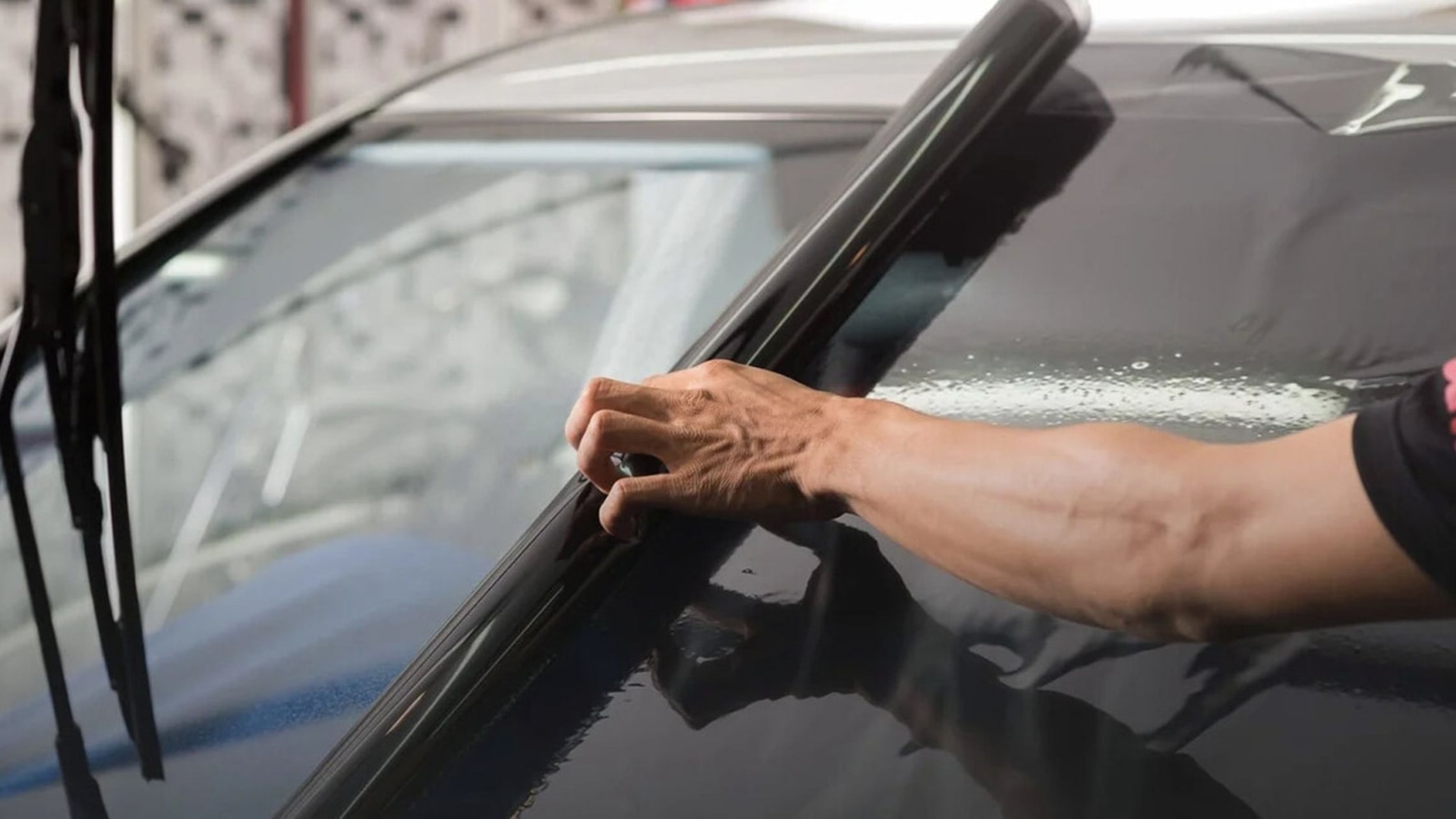
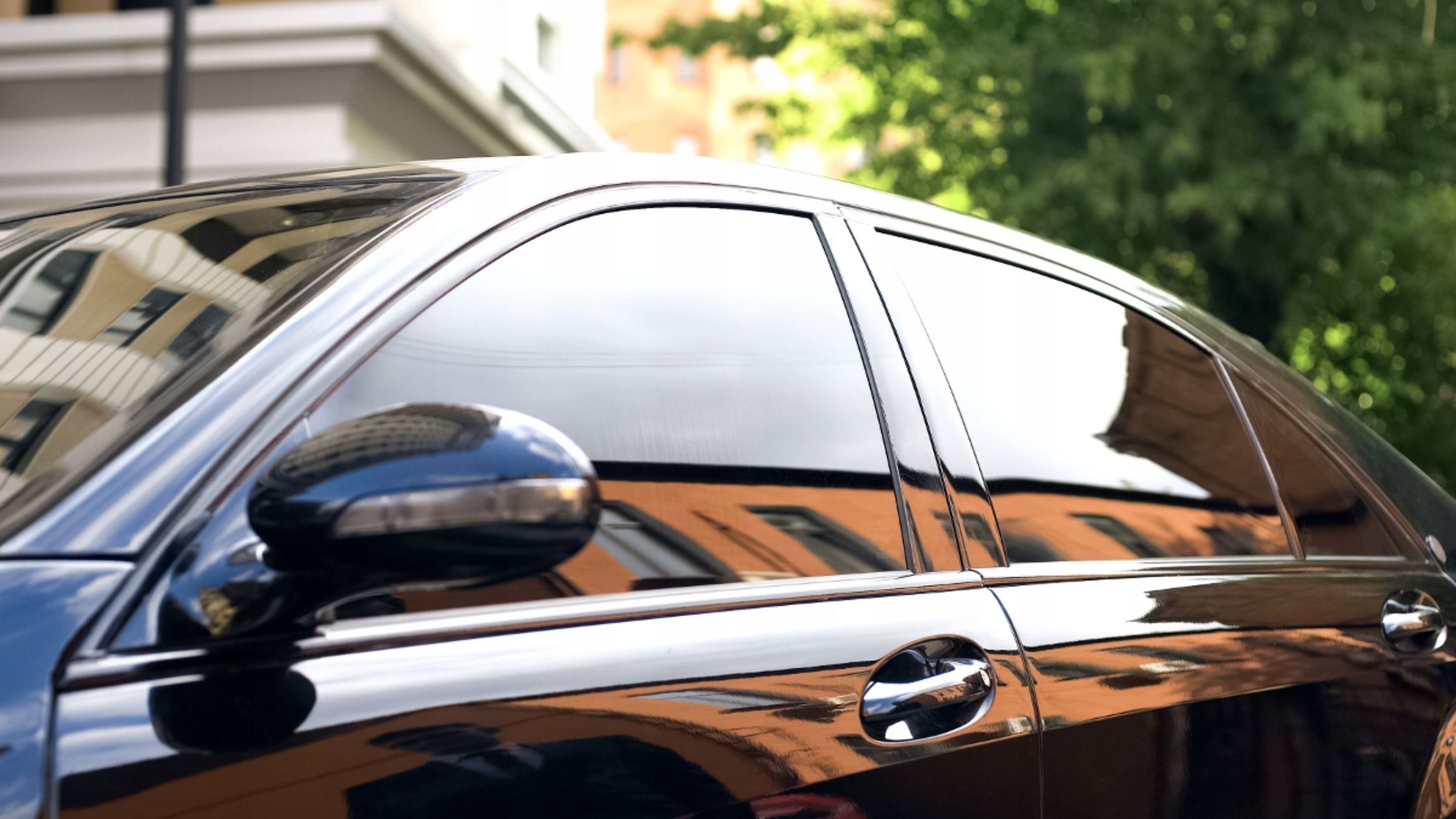
How Do You Know If a Tint Shop in Little Rock Uses High-Quality Window Film?
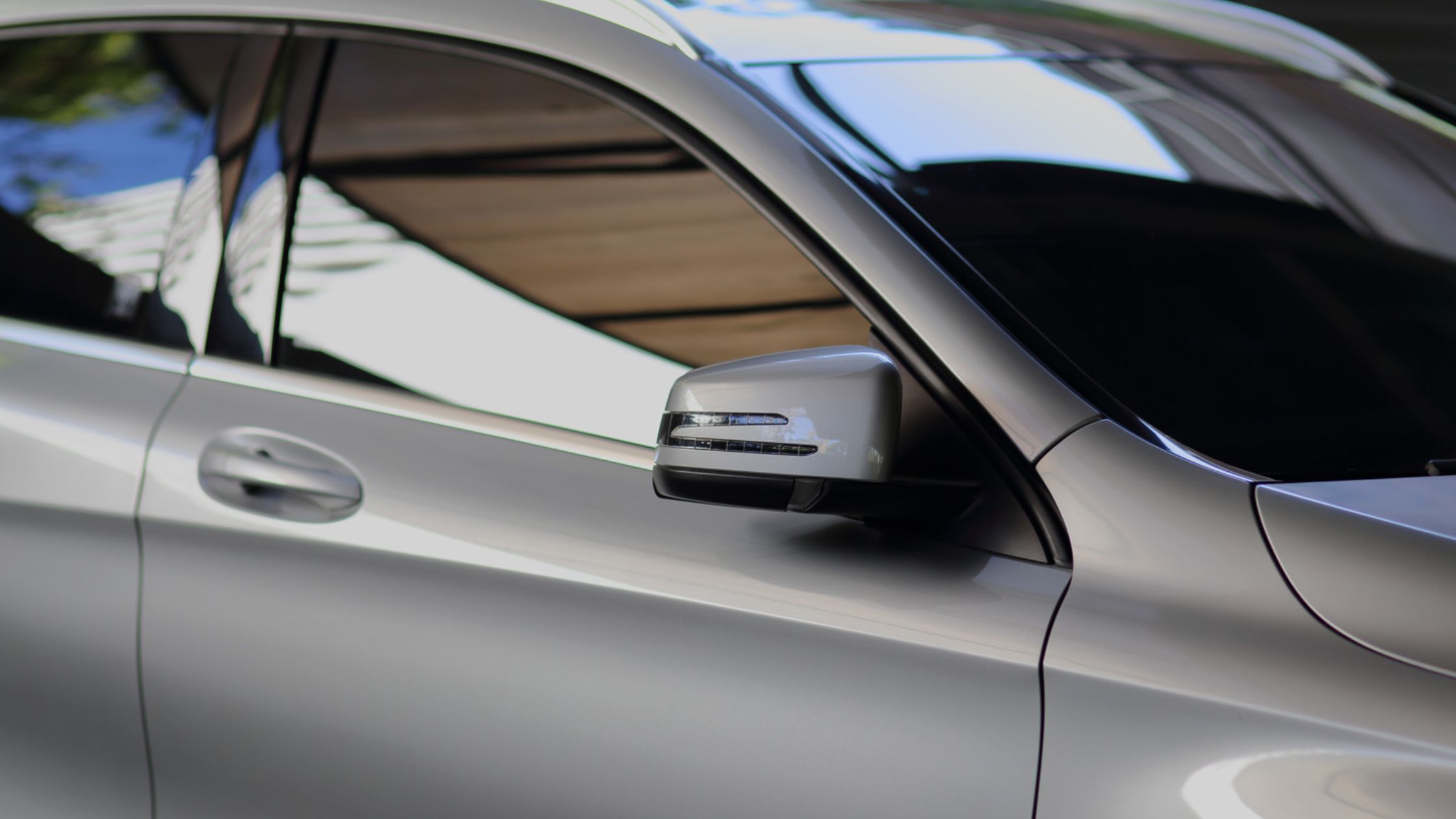
Commuting along Interstate 630 or parking near the River Market District in the middle of an Arkansas summer quickly reveals the value of high-quality glass protection. The intense heat and relentless ultraviolet radiation can turn your car cabin into an oven, making window tinting a necessity rather than a luxury. However, navigating the numerous tint shops in Little Rock to find a provider that uses genuine, high-performing materials can be incredibly challenging. Selecting a low-grade service often results in bubbling, purple-hued glass that impairs your vision and fails to block solar heat. This guide details exactly how to evaluate local shops, identify premium products, and ensure your investment stands up to the local climate.
What is the difference between cheap and high-quality window tint?
The primary difference between cheap and high-quality window tint lies in the materials used during manufacturing, which directly affect heat rejection, optical clarity, and long-term durability. Cheap tint is made of a simple dyed polyester layer that absorbs heat instead of reflecting it, eventually fading to a purple shade and bubbling over time. High-quality premium window film utilizes advanced carbon, ceramic, or multi-layered sputter technologies that actively reject solar heat, block 99% of harmful ultraviolet rays, and maintain crystal-clear visibility for the lifetime of the vehicle.
Raw Materials and Heat Rejection Technology
Low-grade window tints rely almost entirely on organic dyes embedded within a thin polyester sheet. These dyes quickly break down when exposed to the intense solar radiation typical of Central Arkansas summers. As the dye molecules decompose, the film loses its original color, shifting to an unsightly purple or clear hue.
In contrast, professional window tint Little Rock specialists install films infused with inorganic carbon particles or non-conductive ceramic nanoparticles. These advanced materials do not rely on dyes to block heat. Instead, they act as a microscopic shield that reflects and absorbs infrared radiation without interfering with your mobile device signals, GPS navigation, or radio reception.
Optical Clarity and Distortion
High-quality films are manufactured using optical-grade polyester, ensuring that your view of the road remains perfectly clear and free of haze. Cheap films often exhibit a cloudy, milky, or wavy appearance, especially when looking through the glass at an angle or under direct sunlight. This optical distortion can cause severe eye strain during long drives down Cantrell Road or on weekend trips to Pinnacle Mountain State Park.
Adhesive Quality and Lifespan
The adhesive layer is what bonds the film directly to your vehicle's glass windows. Budget window films use cheap, pressure-sensitive adhesives that degrade rapidly under high temperatures and humidity. When the adhesive fails, it releases toxic gases, which form the classic bubbles you see on poorly tinted vehicles.
Premium films feature advanced chemical adhesives engineered to withstand extreme temperature fluctuations. These adhesives remain chemically stable, ensuring the film remains perfectly flat, secure, and bubble-free for decades.
How Do You Identify Premium Brands at Tint Shops in Little Rock?
You can identify premium brands by asking the shop to specify the exact manufacturer of their films, requesting official manufacturer specification sheets, and verifying that the shop is an authorized dealer. True premium window film manufacturers offer transfers of nationwide lifetime warranties, meaning the manufacturer itself guarantees the film will not bubble, peel, or fade.
Navigating the various options at tint shops in Little Rock requires a basic understanding of industry certifications. Reliable service centers are proud of the products they carry and will happily display their authorized dealer certificates on their showroom walls. If a shop cannot provide proof of official dealer status or glosses over the brand name of their film, they are likely using generic, bulk-roll materials sourced from low-cost overseas suppliers.
Technical Performance Metrics to Request
Before committing to an installation, ask the shop for the manufacturer’s technical data sheet. A high-quality shop will easily provide these metrics and explain what they mean for your daily drive. You should pay close attention to three specific metrics:
- Total Solar Energy Rejection (TSER): This represents the percentage of total solar energy (ultraviolet, visible, and infrared) that the film prevents from entering your vehicle. High-quality ceramic films typically offer a TSER rating of 50% to 70% or higher.
- Infrared Rejection (IRR): Infrared light is the primary source of the heat you feel burning your skin. Premium films block up to 98% of these infrared rays, keeping your cabin remarkably cool.
- Visible Light Transmission (VLT): This measures how dark the tint is. High-quality film lines offer consistent heat rejection performance even in lighter shades, allowing you to stay cool without violating local tint laws.
Factory-Backed Lifetime Warranties
Always ask if the warranty is backed by the film manufacturer or merely by the shop itself. A shop-only warranty is useless if the business closes or relocates away from West Little Rock. A true manufacturer-backed warranty is tied to the film's unique roll number and is honored by any authorized dealer across the country. This level of coverage ensures that if your film ever fails, you can have it replaced free of charge at any certified location.
What are the red flags of a low-quality automotive tint shop Little Rock residents should avoid?
The most critical red flag of a low-quality automotive tint shop Little Rock car owners must avoid is a dirty, cluttered, or outdoor installation environment. Window tinting requires an incredibly clean, dust-free, and climate-controlled indoor space to prevent airborne particles from becoming trapped under the film during the application process.
An Uncontrolled Installation Environment
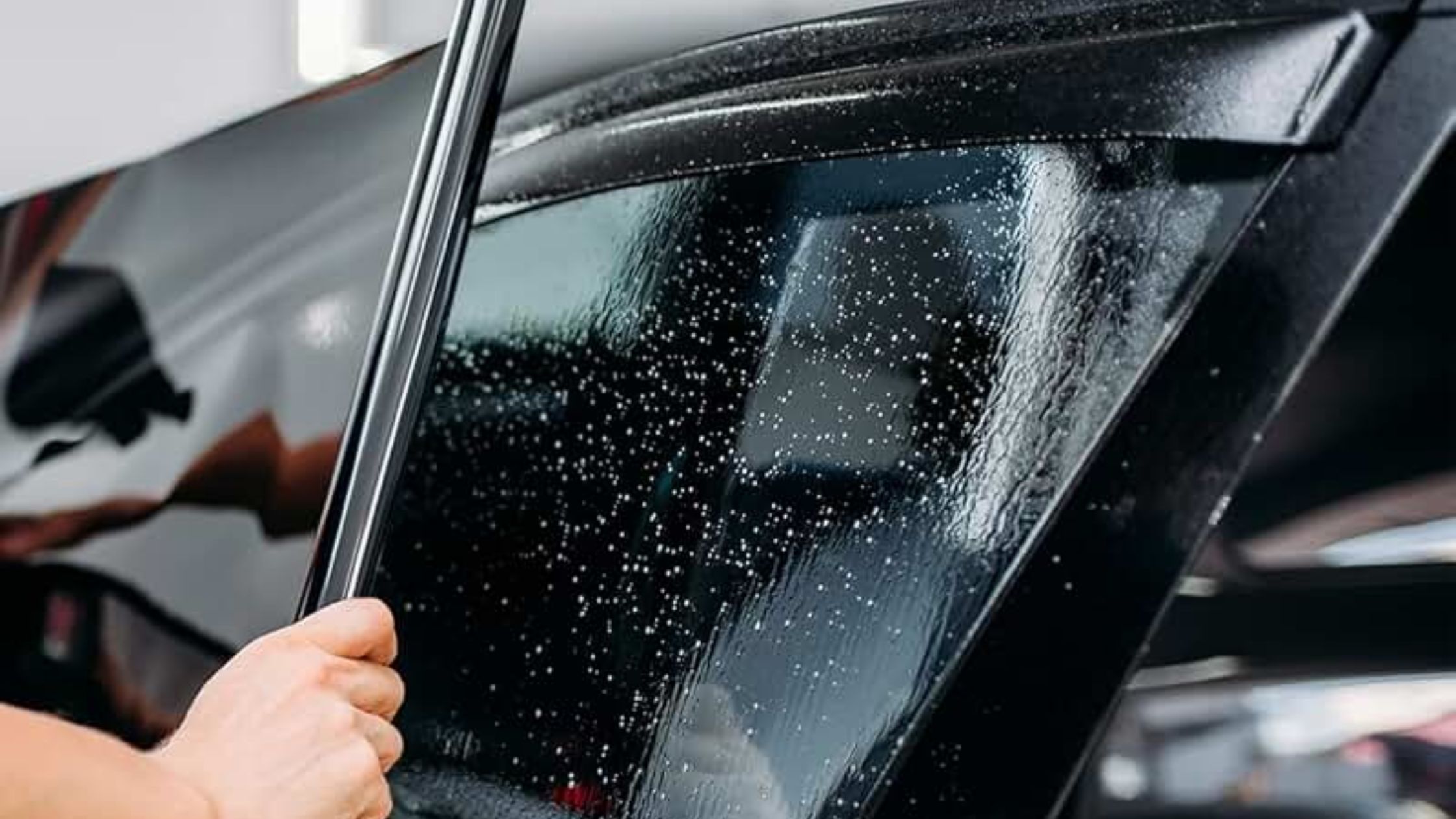
If you visit a facility and notice that the tinting is performed in an open garage bay with the doors wide open, or worse, outdoors under a carport, you should look elsewhere. Wind blowing through the bay will carry microscopic pollen, dust, and road debris directly onto the wet glass. Once the film is squeegeed down, these particles become permanently trapped, creating unsightly white specs and potential failure points in your new tint.
Extremely Low Pricing
While everyone loves a good deal, exceptionally low pricing is a major warning sign. If a shop offers to tint your entire sedan for a price that seems too good to be true, they are saving money somewhere. This usually means they are using low-grade dyed films, employing inexperienced apprentices, or rushing through the critical glass preparation steps. High-quality raw materials and skilled labor require fair pricing to ensure a flawless, long-lasting result.
Lack of Professional Business Practices
A reputable, high-quality service center will operate like a professional business. Watch out for these operational red flags:
- No written estimates or detailed invoices: Every transaction should be accompanied by clear, written documentation specifying the exact film series installed.
- No physical samples on display: Quality shops have interactive heat-demonstration displays that let you feel the difference between various film levels.
- Vague answers to technical questions: An experienced installer should be able to explain the differences in film technologies, curing times, and maintenance requirements clearly.
- Refusal to discuss local laws: Shady shops may install illegally dark tint without warning you of the legal and financial consequences.
How Does Central Arkansas Weather Impact the Longevity of Window Film?
The climate in Central Arkansas is notoriously tough on automotive materials, characterized by blistering summer heat, high relative humidity, and intense sun exposure. Driving around neighborhoods like Hillcrest, the Heights, or Chenal Valley exposes your vehicle to prolonged hours of intense solar radiation, which can quickly destroy inferior window films.
The Role of High Humidity
Little Rock experiences high humidity levels throughout much of the year, particularly during the summer months. Humidity can severely impact the curing process of newly installed window tint. High-quality films are paired with advanced moisture-resistant adhesives that cure securely even in humid conditions. Cheap adhesives, however, can absorb excess atmospheric moisture during the curing phase, leading to haziness, water pockets, and premature adhesive breakdown.
Extreme Temperature Fluctuations
Arkansas weather is known for dramatic temperature shifts, sometimes swinging dozens of degrees in a single day. These temperature changes cause the glass windows of your vehicle to expand and contract microscopically. High-quality polyester films have the elasticity required to expand and contract alongside the glass without losing their bond. Low-grade, brittle films cannot handle this physical stress, which leads to cracking, peeling along the edges, and bubbling.
Constant UV Exposure
Commuting daily past the William J. Clinton Presidential Library or parking near the Midtown shopping districts means your car is constantly bombarded by solar energy. Ultraviolet radiation is the leading cause of interior fading, cracking of leather seats, and degradation of dashboard plastics. Premium ceramic and carbon films filter out 99% of these destructive UV rays, preserving your vehicle's interior value while protecting your skin from sun damage during your daily drive.
What Are the Legal Window Tint Limits in Arkansas?
Understanding local tint regulations is essential before upgrading your vehicle's glass. Arkansas state law is very specific regarding how dark your window tint can be, and choosing a high-quality shop ensures your vehicle remains fully compliant while still maximizing heat rejection. Tint darkness is measured by Visible Light Transmission (VLT), which is the percentage of light that can pass through the window.
For passenger cars, the legal limits are quite strict:
- Windshield: Non-reflective tint is allowed only along the top five inches of the glass (the AS-1 line).
- Front Side Windows: Must allow at least 32% of light to pass through.
- Rear Side Windows: Must allow at least 32% of light to pass through.
- Back Windshield: Must allow at least 32% of light to pass through.
For multi-purpose vehicles, such as SUVs and vans, the rules are slightly different. While the front side windows must still meet the 32% VLT requirement, the rear side windows and the back windshield can be tinted as dark as you prefer, even down to a 5% "limo tint" level.
The table below illustrates how different film technologies perform relative to these legal limits and heat rejection needs.
Frequently Asked Questions
How long should high-quality window tint last in Little Rock?
When professionally installed, a high-quality carbon or ceramic window tint should last for the entire lifespan of your vehicle. These premium materials are engineered with stable inorganic compounds that do not degrade under intense solar heat or high humidity. Most premium lines are backed by a lifetime warranty, ensuring that if any bubbling, peeling, or color-changing occurs, the film will be replaced at no cost to you.
Why does cheap window tint turn purple and bubble?
Cheap window tint turns purple because the organic dyes used to color the polyester break down under exposure to solar ultraviolet rays, leaving behind a purple residue. The bubbling is caused by the failure of cheap, heat-sensitive adhesives. As the sun heats the glass, the low-grade adhesive releases gases that become trapped under the film, creating bubbles that cannot be repaired.
Can you roll down your windows immediately after getting them tinted?
No, you must wait at least three to five days before rolling down your windows after a professional installation. The adhesive requires time to cure completely and bond to the glass, a process that can be slowed down by the humid air of Central Arkansas. Rolling the windows down too early can scrape the film off its tracks, leading to peeling edges and ruining the installation.
Does ceramic tint really block more heat than standard carbon tint?
Yes, ceramic window tint blocks significantly more heat than standard carbon tint because of its ability to filter out infrared light. While carbon films are excellent for blocking ultraviolet rays and providing privacy, ceramic nanoparticles are specifically engineered to block up to 98% of infrared heat waves. This results in a much cooler cabin temperature and less reliance on your vehicle's air conditioning system.
Is mobile window tinting as effective as shop-applied tint?
Mobile window tinting can be highly effective, provided the technician has a completely enclosed, clean, and climate-controlled mobile trailer or garage space to work within. Applying window film in the open air, a driveway, or an open parking lot is highly discouraged. Airborne dust, pollen, and wind-borne debris will inevitably get trapped under the film, resulting in a flawed installation with physical contamination.
Finding the Best Professional Window Tint in Little Rock
Achieving a flawless, bubble-free window tint installation that stands up to the punishing Arkansas climate requires a combination of top-tier materials and meticulous craftsmanship. Cheap films and rushed applications will quickly degrade, leaving you with reduced visibility, zero heat protection, and an unsightly vehicle. When you are ready to bypass sub-par installations and experience the difference that premium window film can make, partnering with the top tint shops in Little Rock is the logical next step.
Investing in your vehicle's comfort and protection means working with local experts who prioritize preparation, clean environments, and verified material quality. If you want to experience pristine glass clarity, maximum heat rejection, and absolute peace of mind during your daily commutes, please feel free to contact us to schedule an appointment. At Extreme Clean Mobile Detail, we are proud to serve our local community with unmatched precision, utilizing only the finest techniques and materials. We are proud of our reputation as a trusted local service provider, backed by our 363 Google reviews and our perfect 5-star Google rating as of today. Let us help you keep your vehicle cool, protected, and looking its absolute best for years to come.
Get a quote
What happens next?
Fill out all the info and we will contact you via email within 24 hours or feel free to call or text.
BY APPOINTMENT ONLYSat: Closed
Sun: Closed

.jpg)
.jpg)
.jpg)
.jpg)