Can Damaged PPF Be Replaced on Just One Vehicle Panel?
.jpg)
Yes, damaged paint protection film can be replaced on just one vehicle panel without having to re-wrap your entire vehicle. For vehicle owners maintaining high-quality paint protection film in Little Rock, a single-panel replacement offers an efficient way to fix localized damage while keeping the rest of your protective clear bra intact.
Paint protection film (PPF) is designed in modular sections. Each body panel, such as a fender, door, hood, or bumper, receives its own custom-cut piece of film. If one panel absorbs road debris, a sharp scratch, or impact from an accident, an installer can safely peel away the compromised section and install a fresh sheet directly over the factory clear coat.
Understanding how partial PPF replacement works can save you substantial time and money while preserving the appearance and resale value of your vehicle.
Can You Replace PPF on Only One Damaged Panel?
You can replace PPF on only one panel, and doing so is standard practice in the automotive restyling and surface protection industry. Because automotive films do not bond to adjacent panels as a unified, continuous sheet, removing one piece does not compromise the structural integrity or adhesion of neighboring sections.
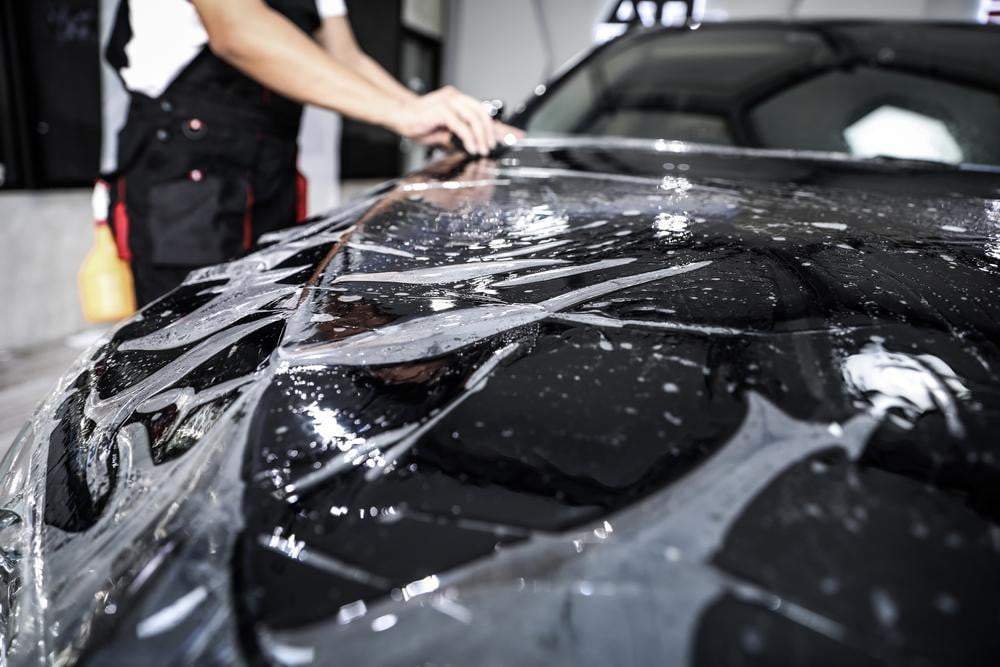
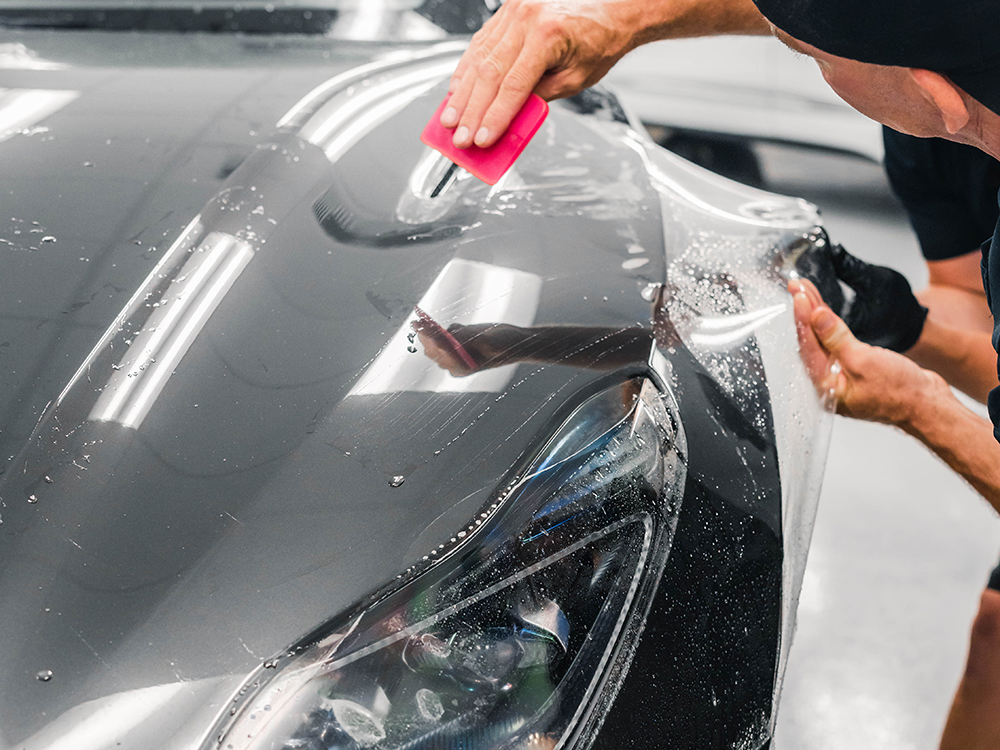
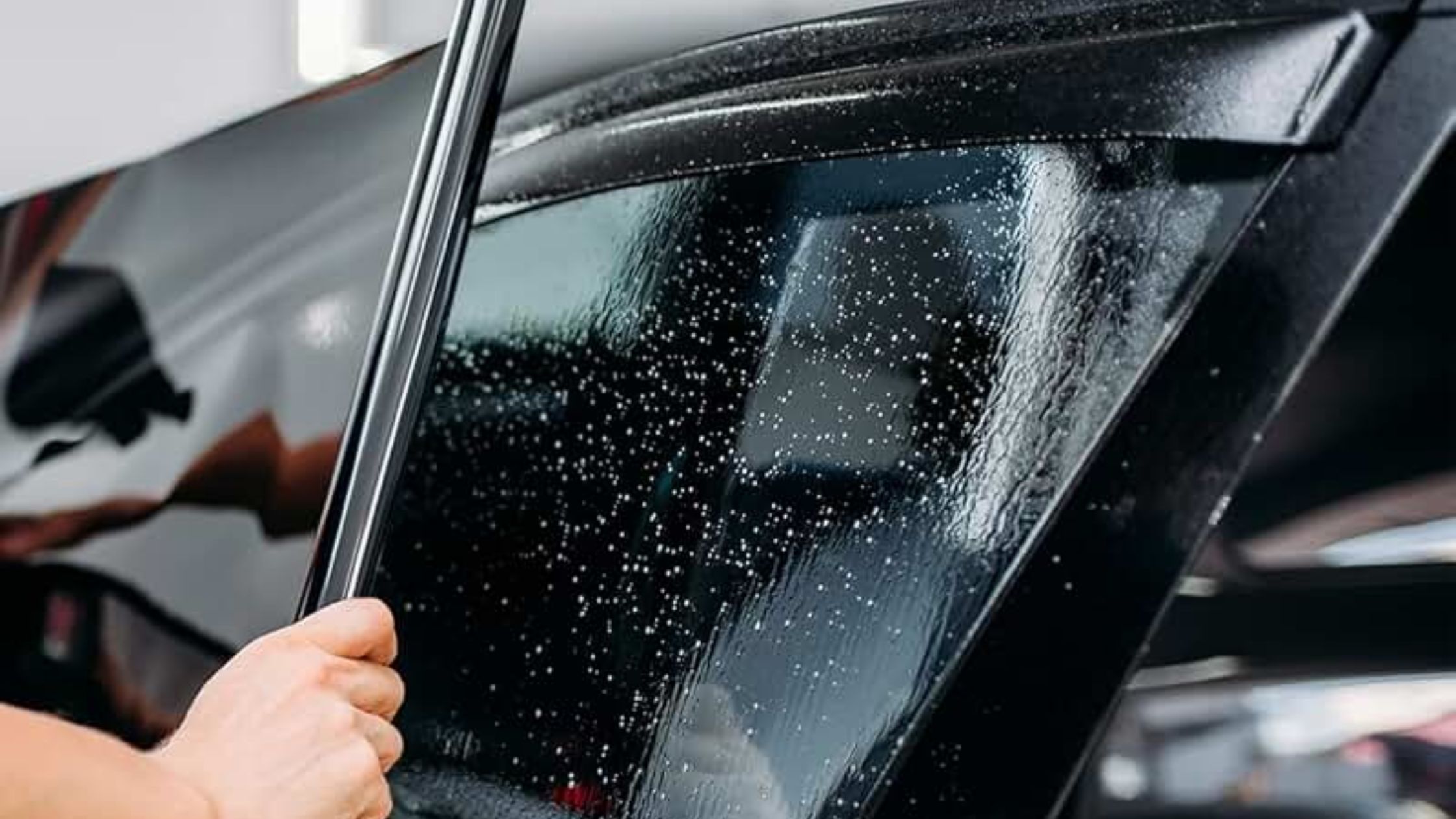
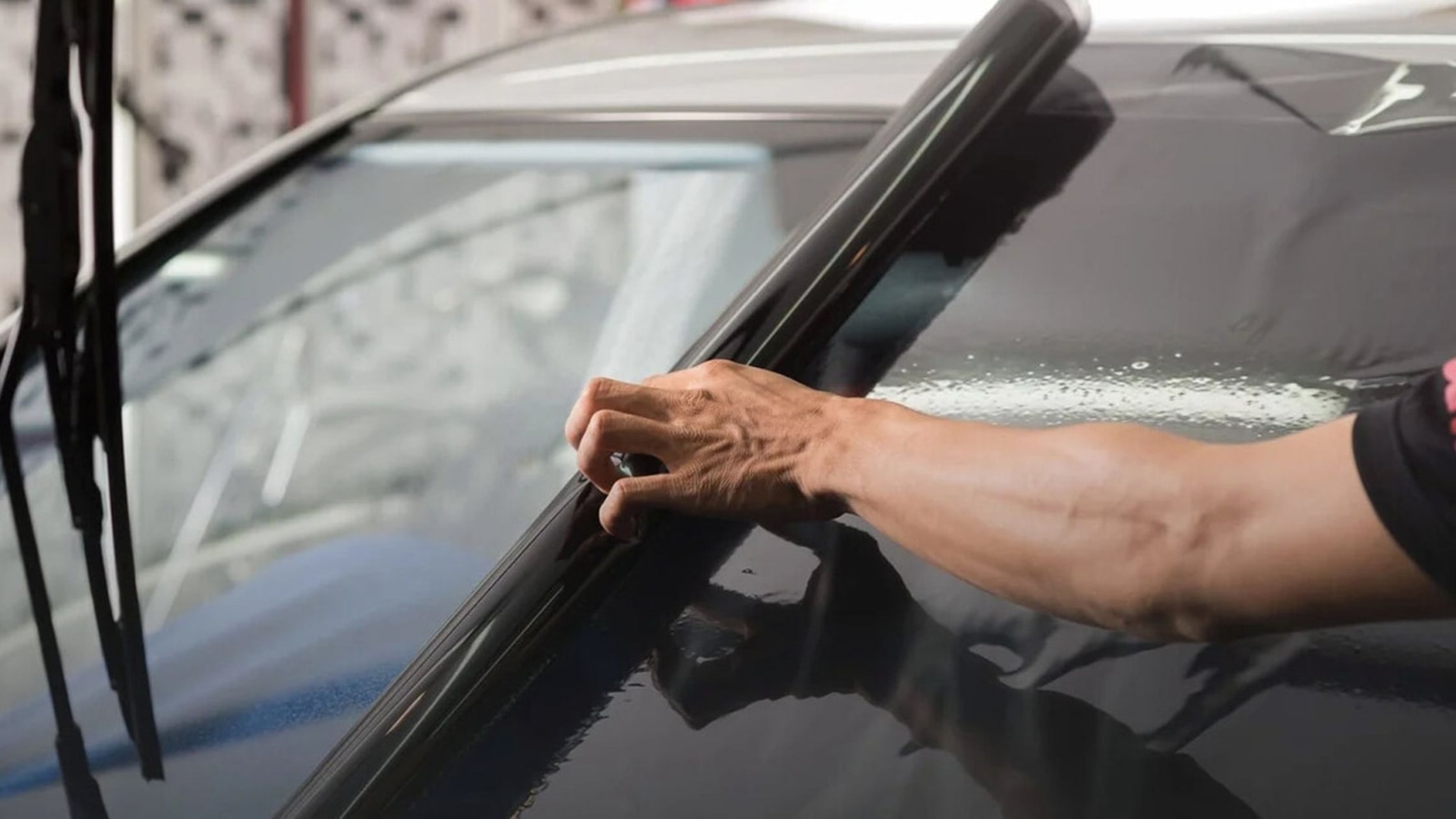
A professional installer cuts or plots film to match the exact edges and contours of individual panels. During a single-panel PPF replacement, the technician isolates the damaged panel, lifts the damaged urethane, cleans the underlying paint, and installs a new section cut to identical specifications.
Common situations that call for single-panel replacement include:
- Stone strikes that penetrate the self-healing top layer on a front bumper
- A minor parking scrape on an isolated door panel or rear quarter panel
- Branch or brush scratches on an exterior mirror cover or front fender
- A replacement body panel installed following collision repairs
- Heavy insect etching or mineral staining confined to the hood
Replacing a single piece allows you to address visible defects promptly before moisture or dirt gets trapped under lifted film edges.
When Can Damaged Paint Protection Film Be Repaired Instead of Replaced?
Damaged paint protection film can only be repaired without replacement if the damage is limited to light surface scratches, wash swirls, or shallow marring in the self-healing topcoat layer. If the film has ripped, punctured, torn, lifted at the edges, or allowed road debris to contact the clear coat, the entire piece must be replaced.
Modern automotive films feature elastomeric polyurethane polymers. This technology allows light blemishes to vanish when exposed to ambient heat, direct sunlight, or warm water. However, that self-healing capability has definite structural limits.
When Film Can Be Saved
- Light swirl marks: Everyday wash marks typically self-heal once the vehicle sits in direct sun or receives gentle heat application.
- Shallow scuffs: Surface-level scuffs that have not penetrated through the topcoat usually disappear with hot water or a controlled heat gun pass.
- Surface water spots: Fresh mineral deposits can often be removed with specialized PPF cleaners or light, film-safe polishing.
When Panel Replacement Is Required
- Punctures or tears: Sharp rocks or metal debris that pierce the film destroy the barrier and will not heal.
- Delamination or edge peeling: Once dirt accumulates beneath lifted film edges, the adhesive loses tack and will no longer seat properly.
- Deep gouges: A scrape that cuts deep into the polyurethane layer cannot be buffed or heated smooth.
- Yellowing or degradation: If an older film on a high-exposure panel begins to oxidize or cloud, it must be removed and replaced.
When true structural damage occurs, damaged paint protection film repair requires stripping that specific piece to prevent moisture intrusion and clear coat contamination.
How Does Replacing Paint Protection Film in Little Rock Differ by Panel?
Replacing paint protection film in Little Rock differs across body panels based on surface complexity, edge wrapping requirements, and the amount of road abuse each area receives. High-impact areas demand far more intricate alignment and coverage than flat horizontal or vertical surfaces.
Arkansas drivers regularly encounter loose gravel, highway road construction on I-430 and I-630, and heavy summer humidity. These factors influence how specific body sections wear and how technicians approach panel-specific installations.
Front Bumpers
Front bumpers are the most complex panels on modern vehicles. They feature tight curves, fog light cutouts, parking sensors, and low-profile air splitters. Replacing a bumper piece requires precise templating to ensure seamless edges that resist high-speed wind pressure and tire kickback.
Hoods and Fenders
Hoods represent large, continuous surfaces where optical clarity matters most. When replacing a hood section, installers pay close attention to stretching tension to avoid distortion or adhesive distortion lines that catch the eye under bright sunlight.
Doors and Rocker Panels
Rocker panels sustain heavy sandblasting from front tire spray, while doors are prone to parking lot dings. Rocker replacements usually require an extra adhesion promoter along bottom pinch welds to keep road spray from lifting the lower edge.
What Is the Step-by-Step Single-Panel PPF Replacement Process?
The single-panel PPF replacement process involves controlled removal, surface decontamination, precision film alignment, and final edge curing. Following exact steps ensures the original paint remains unblemished and the new film adheres permanently.
- Inspection and Assessment
The technician examines the damaged area under high-intensity inspection lights to ensure the underlying paint suffered no denting, cracking, or clear coat fracture. - Controlled Film Removal
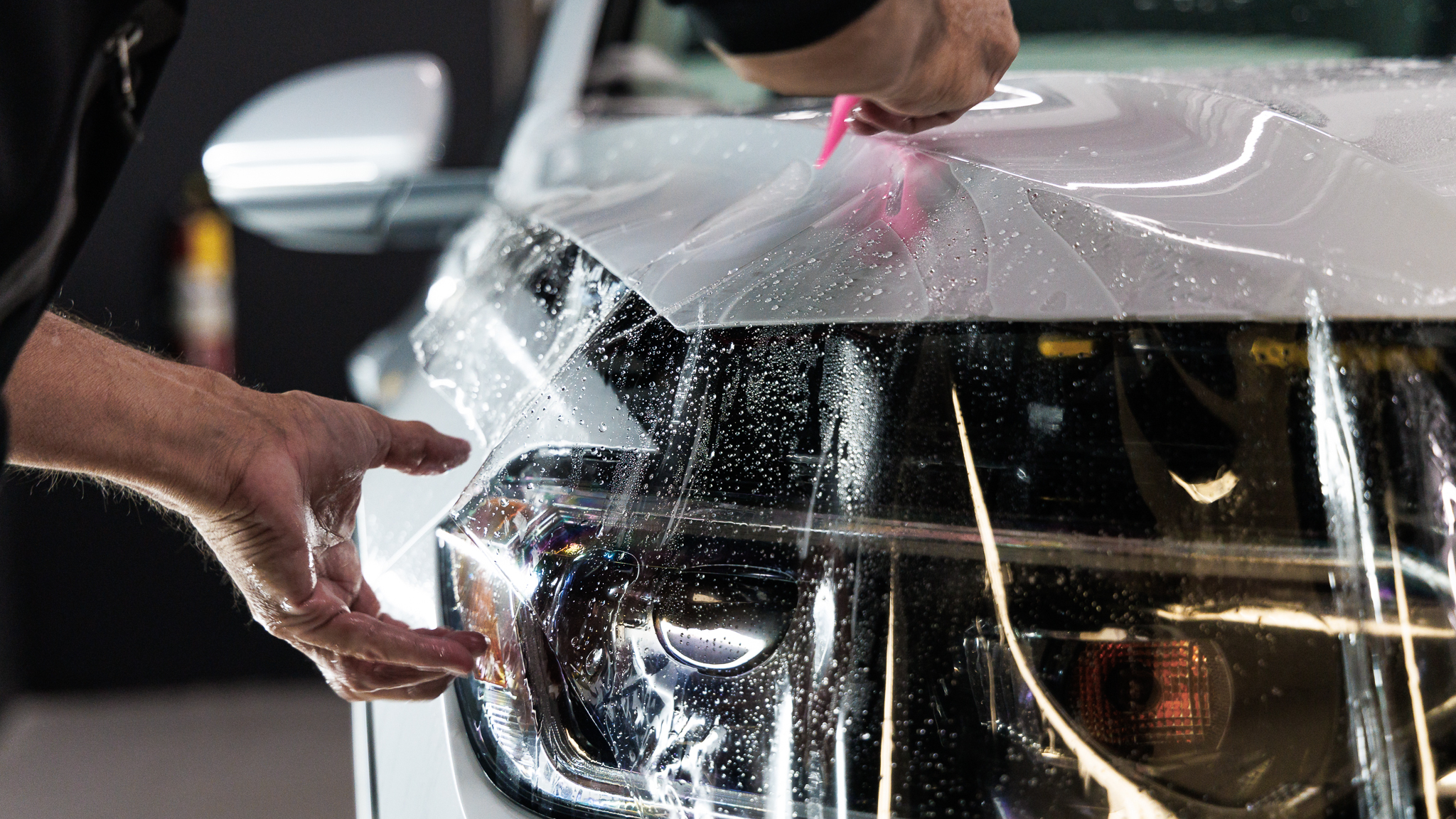
The installer applies steady steam or infrared heat to soften the acrylic adhesive. Peeling the film back slowly at a 45-degree angle reduces adhesive transfer and protects factory paint. - Adhesive and Surface Decontamination
Any adhesive residue is removed with a paint-safe solvent. The bare panel undergoes a thorough wash, clay bar decontamination, and an isopropyl alcohol wipe-down to remove all oils. - Paint Correction (If Necessary)
If minor clear coat imperfections exist beneath the old film, the technician performs localized light machine polishing to maximize gloss before the new layer goes on. - Precision Film Cutting
Using computerized digital plotting templates or precision bulk installation techniques, a fresh sheet of premium urethane is cut to match the panel dimensions precisely. - Slip Solution Application and Squeegee Work
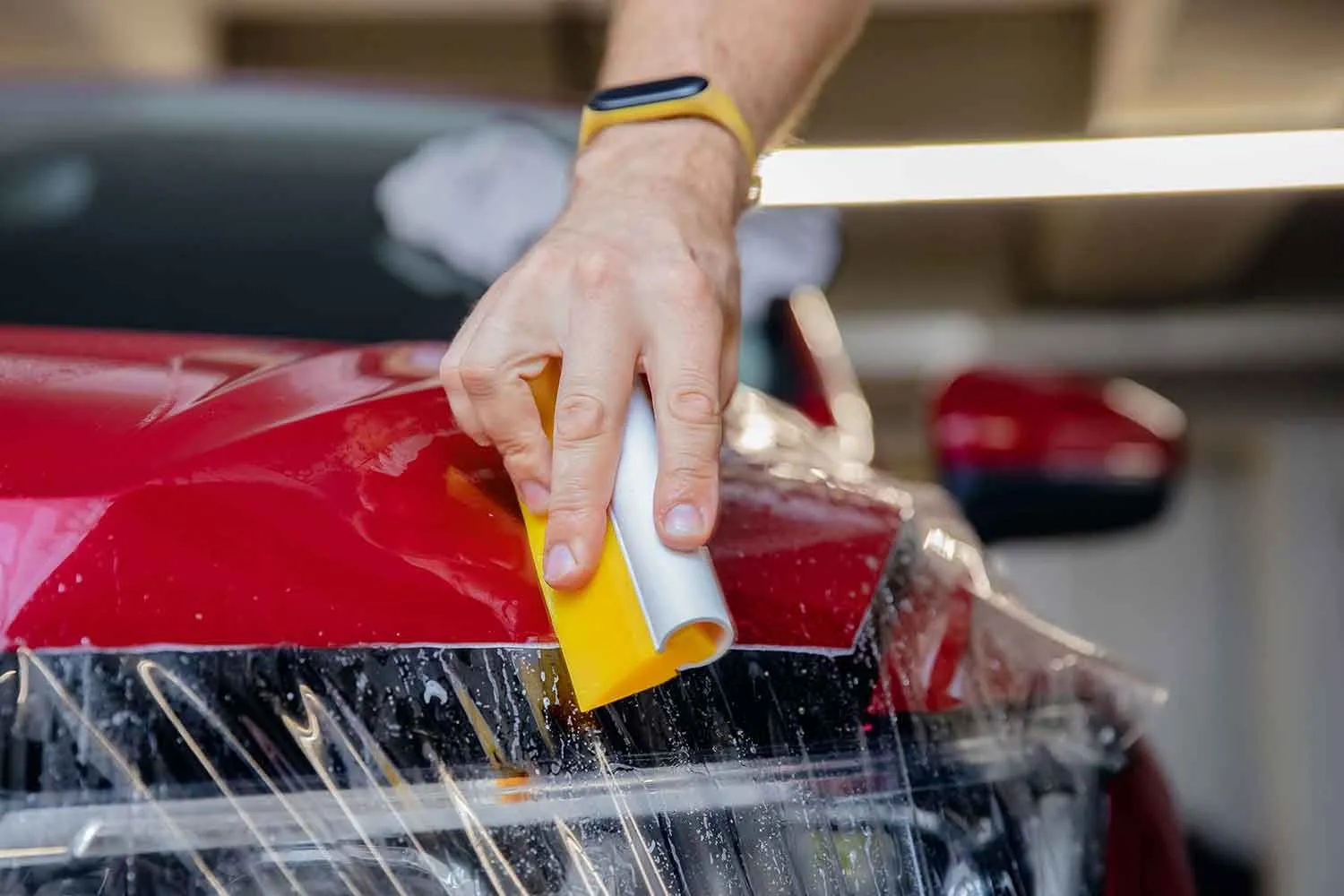
The panel and film receive a specialized slip solution. The technician squeegees out the solution from the center outward, locking the adhesive to the paint without air pockets. - Edge Wrapping and Final Inspection
Edges are wrapped around panel seams wherever feasible. A controlled heat pass seals the perimeter, followed by a final inspection under multi-angle lighting.
Will a Single New PPF Panel Match the Older Film on Adjacent Panels?
A new PPF panel will match the rest of your vehicle seamlessly if the surrounding film is relatively new, properly maintained, and made from a comparable high-gloss urethane. However, if the existing installation is several years old or heavily weathered, subtle optical variations can occur.
Several factors determine whether you will notice a transition between old and new panels:
- Film Age and UV Exposure: Older generations of film can slowly lose their peak gloss over four to six years, making a brand-new panel look slightly richer or deeper by comparison.
- Brand and Chemistry Differences: Different manufacturers use proprietary topcoats. Pairing a hydrophobic, ceramic-infused film next to a standard non-coated film can create slight differences in water beading and surface sheen.
- Surface Maintenance History: Vehicles regularly washed, garage-kept, and treated with film-safe sealants show almost no noticeable contrast when a single panel is replaced.
- Paint Color: Gloss differences are virtually invisible on light silver, grey, or white vehicles. Darker shades like metallic black or deep navy reveal subtle gloss variations more easily.
To ensure an unnoticeable transition, detailers often thoroughly decontaminate and polish adjacent panels to restore their original shine before mounting the new piece.
Single-Panel PPF Replacement vs. Full Vehicle Re-Wrap
Choosing between a partial PPF replacement and a complete re-wrap comes down to film condition, vehicle coverage, and budget. The table below outlines how these two approaches compare.
What Factors Determine the Cost of Replacing One Section of PPF?
The cost of replacing one section of PPF is determined primarily by panel surface area, body shape complexity, removal difficulty, and film material tier. Because each vehicle design presents distinct installation challenges, single-panel projects vary.
Key cost components include:
- Panel Size: A large hood or roof requires significantly more square footage of raw film than an exterior mirror cover or door cup.
- Labor Complexity: Complex front fascias with dozens of vents, parking sensors, and sharp bends take considerably longer to squeegee and tuck than flat door slabs.
- Old Adhesive Removal: If degraded or substandard film was installed previously, removing hardened adhesive safely without damaging factory paint requires extra labor hours.
- Paint Prep Needs: If road debris penetrated through the film to mark the clear coat, minor spot polishing or touch-up work adds to total project time.
- Film Quality: High-performance films featuring self-healing topcoats and built-in ceramic hydrophobic layers carry higher material costs than baseline clear bras.
How Can You Prevent Lifting and Peeling on a Newly Replaced Panel?
You can prevent lifting and peeling on a newly replaced panel by allowing the adhesive to cure fully, avoiding high-pressure washes near edges, and keeping the car dry during the initial bonding period. The first week after single-panel installation is critical for long-term durability.
Helpful guidelines for caring for fresh film include:
- Wait at least 48 to 72 hours before washing the vehicle to let all residual moisture evaporate from under the edges.
- Keep pressure washer wands at least 18 to 24 inches away from wrapped panel margins.
- Never aim a high-pressure spray nozzle directly at a film seam or edge.
- Avoid automatic drive-through car washes with stiff spinning brushes that can catch edge seams.
- Park indoors or in shaded areas during initial curing to avoid extreme heat cycling while moisture settles.
- Apply only dedicated, PPF-safe quick detailers or ceramic sprays once the manufacturer's curing window closes.
Following these simple habits ensures the new piece bonds just as securely as the factory-original installation.
Frequently Asked Questions
Can you remove PPF from one panel without harming the factory paint?
Yes, a professional can remove PPF from a single panel without damaging factory paint when proper heat and angle techniques are used. Applying controlled steam or warm air softens the adhesive, allowing the film to release cleanly without pulling a clear coat.
Will insurance cover a single-panel PPF replacement after an accident?
Yes, many comprehensive and collision insurance policies cover the replacement of protective film if the vehicle had verifiable PPF installed prior to an accident. Providing receipts and professional installation documentation to your adjuster helps streamline this coverage.
How long does it take to replace paint protection film on one panel?
Replacing paint protection film on one panel typically takes between two and six hours, depending on the panel size and the amount of old adhesive to remove. Simple panels like fenders or doors take less time than intricate front bumpers.
Can you put new PPF directly over old, scratched PPF?
No, you should never install new PPF over an existing layer of film. Stacking films traps contaminants, creates cloudiness, prevents proper adhesive bonding, and interferes with the self-healing properties of the new material.
How soon after panel replacement can I wash my vehicle?
You should wait at least 48 to 72 hours before washing your vehicle after single-panel installation. This waiting window gives the mounting solution enough time to dry completely and ensures the adhesive bonds securely around all edges.
Protect Your Investment with Professional Panel Service
Replacing damaged paint protection film on a single panel is an effective, budget-friendly way to keep your vehicle protected without paying for a full-body re-installation. Addressing rock chips, parking scrapes, and torn edges early keeps road salt, moisture, and road contaminants from attacking your underlying clear coat.
When you need dependable service for your vehicle, Extreme Clean Mobile Detailing provides dedicated care backed by a 5 star google rating. Whether you need an isolated panel re-wrapped or want to inspect existing film wear, contact us to schedule an assessment and keep your paint protection film in Little Rock looking spotless.
Get a quote
What happens next?
Fill out all the info and we will contact you via email within 24 hours or feel free to call or text.
BY APPOINTMENT ONLYSat: Closed
Sun: Closed

.jpg)
.jpg)
.jpg)