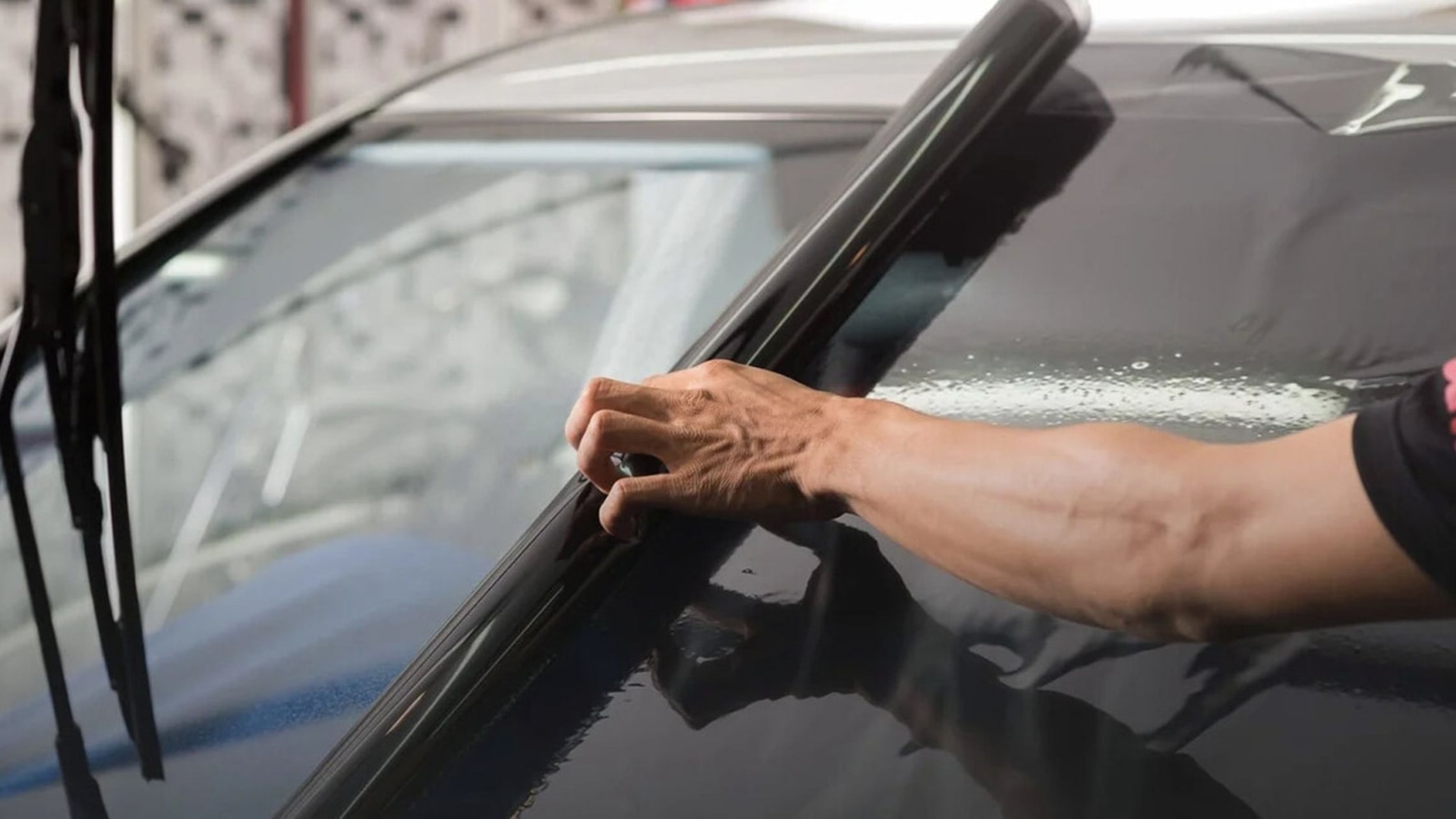
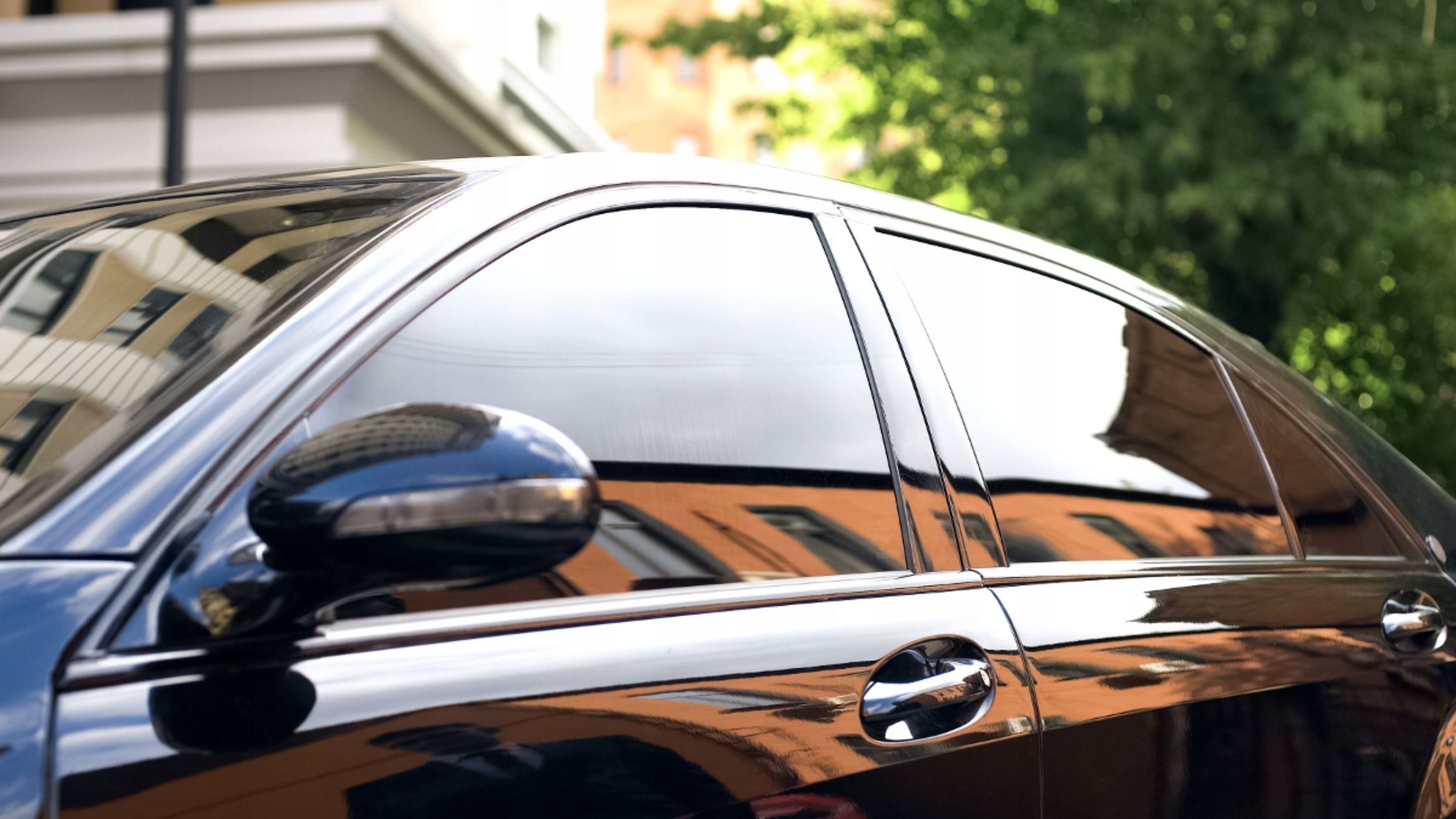
How Should You Maintain Paint Protection Film After Installation?
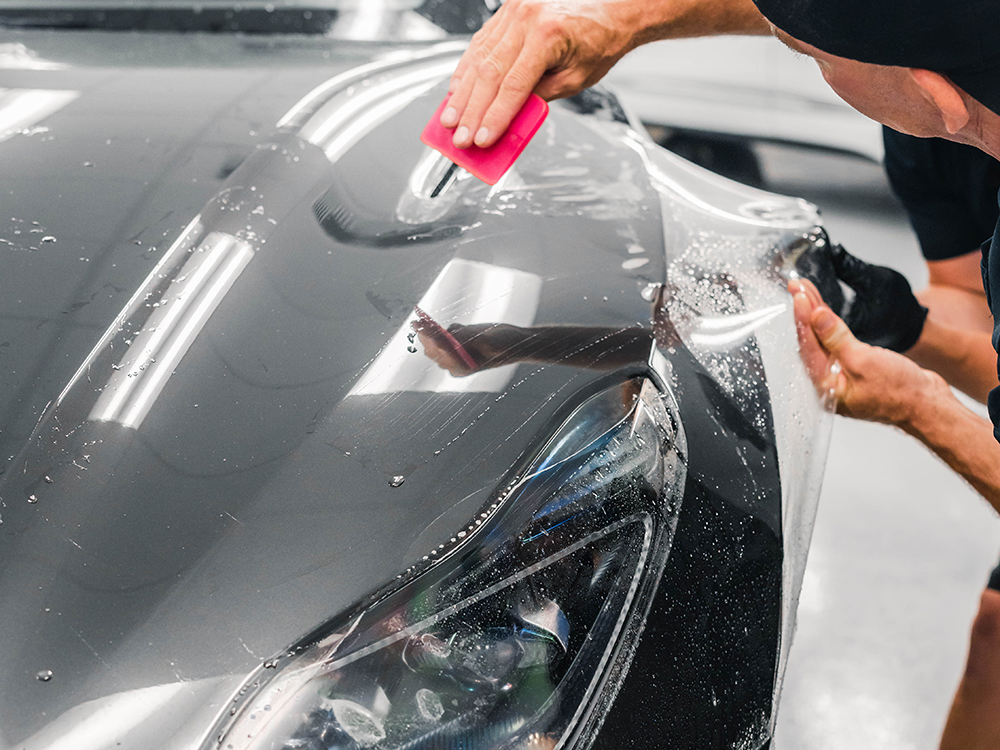
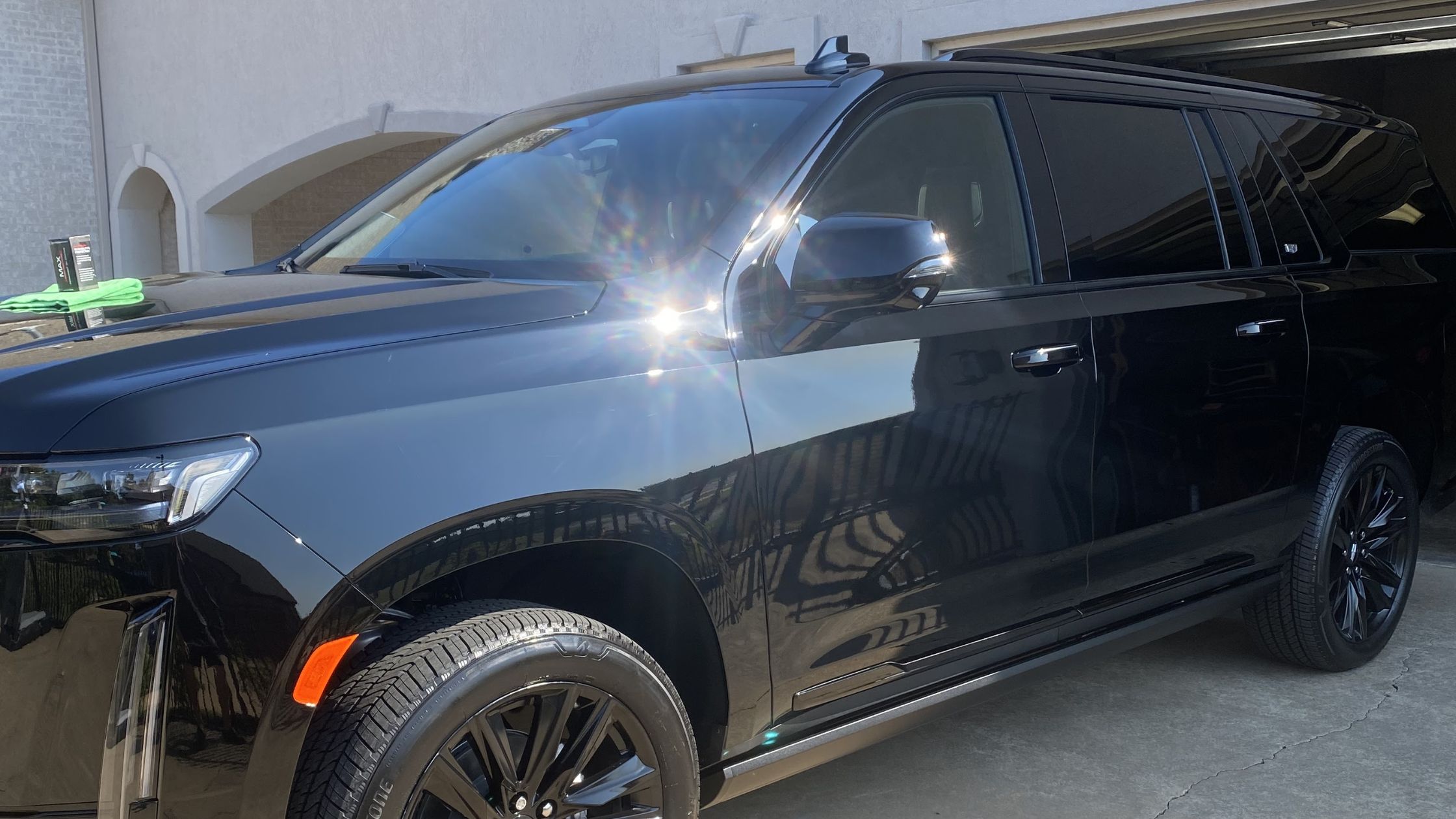
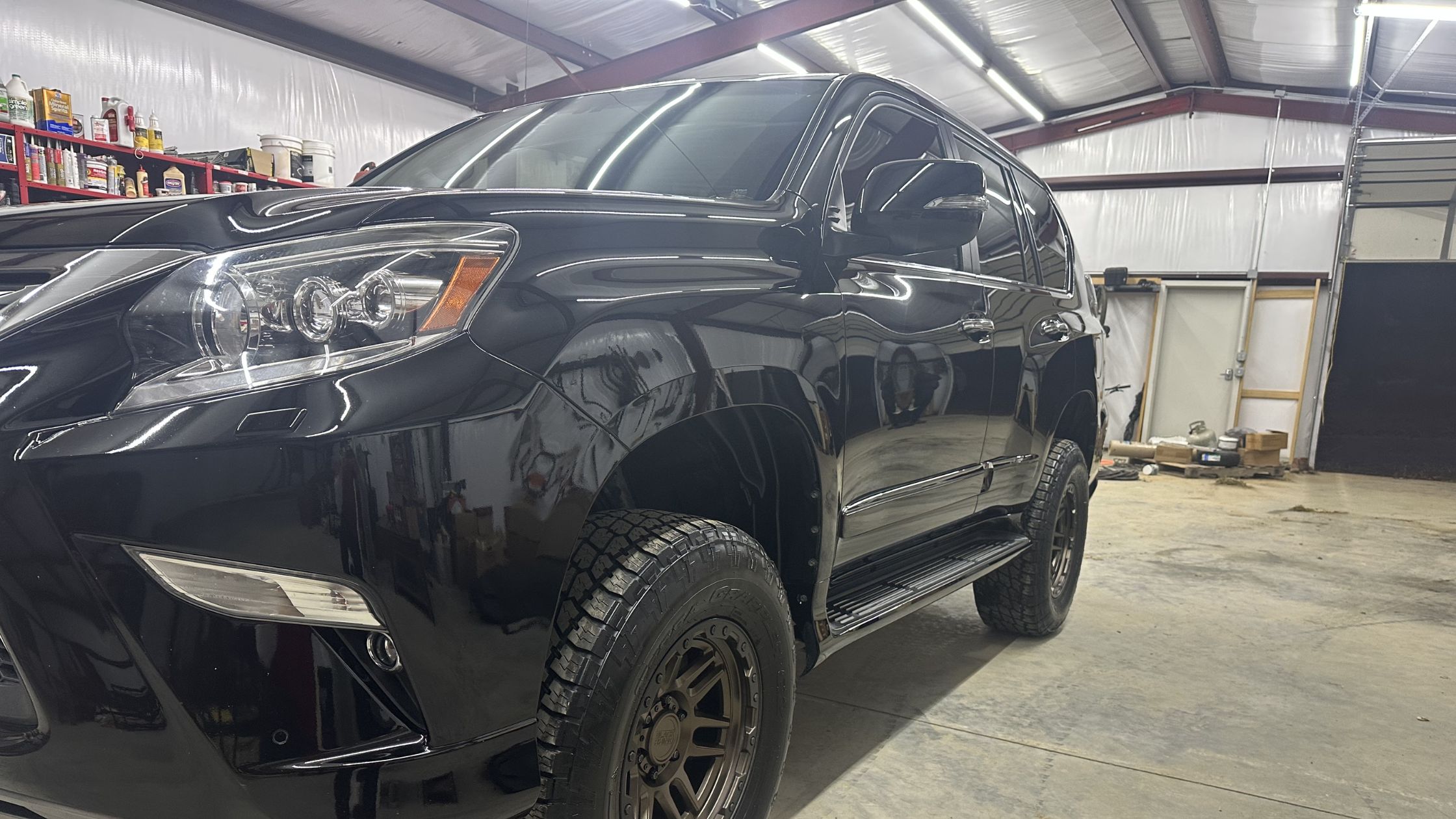
Properly caring for your newly installed clear bra helps preserve its appearance, self-healing capability, and protective performance against Central Arkansas road hazards. Investing in premium paint protection film in Little Rock equips your vehicle with a durable thermoplastic polyurethane shield, but improper washing or aggressive chemical exposure can compromise the film's surface or edges. Following a gentle care routine helps protect your investment against road debris, sticky tree sap, and intense summer heat across Pulaski County.
This complete aftercare guide outlines step-by-step cleaning procedures, essential curing guidelines, product recommendations, and preventative care strategies tailored to local driving conditions.
How Long Does Paint Protection Film Take to Cure After Installation?
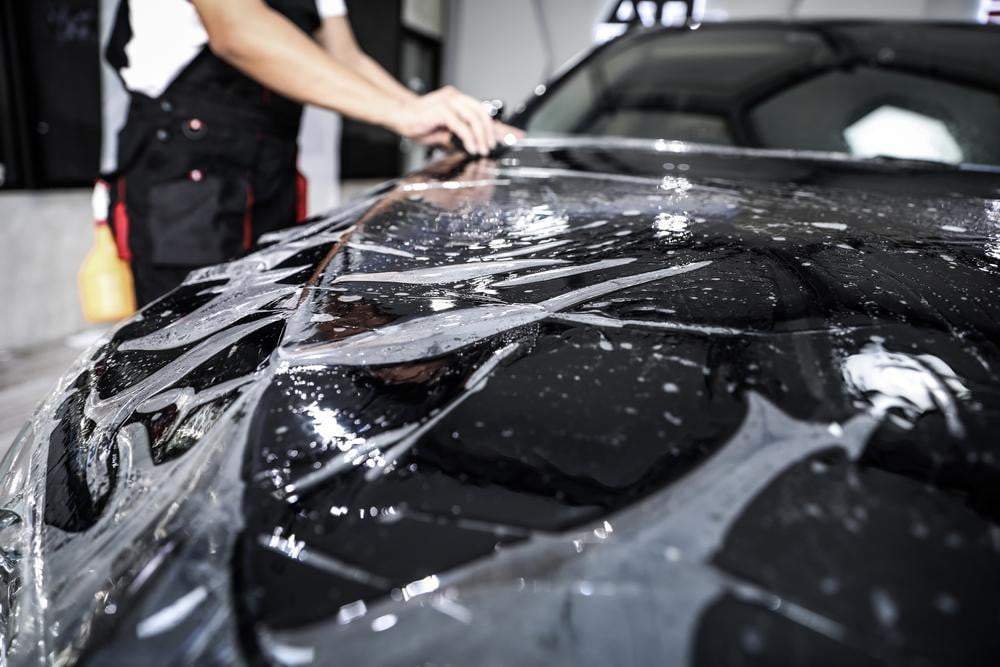
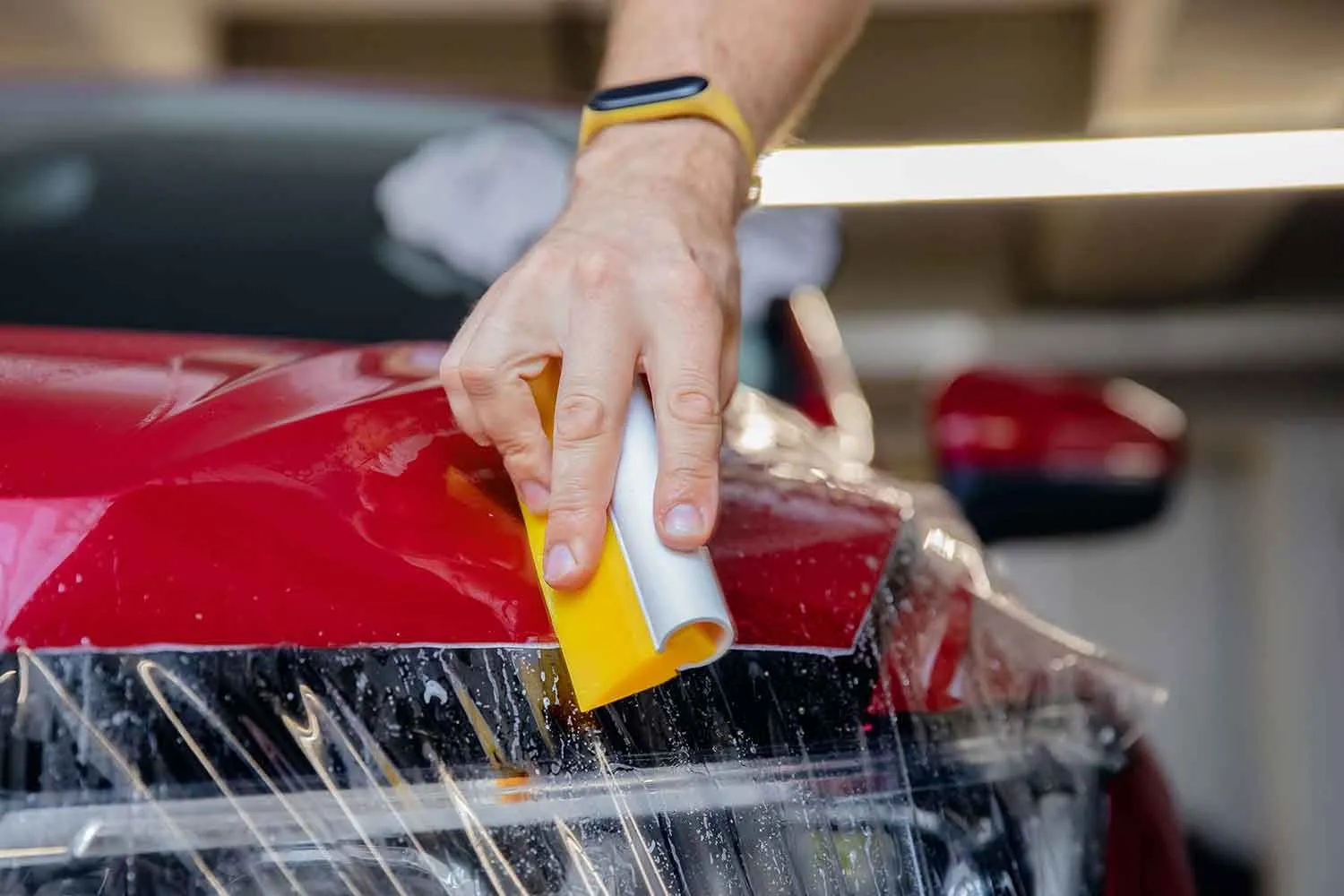
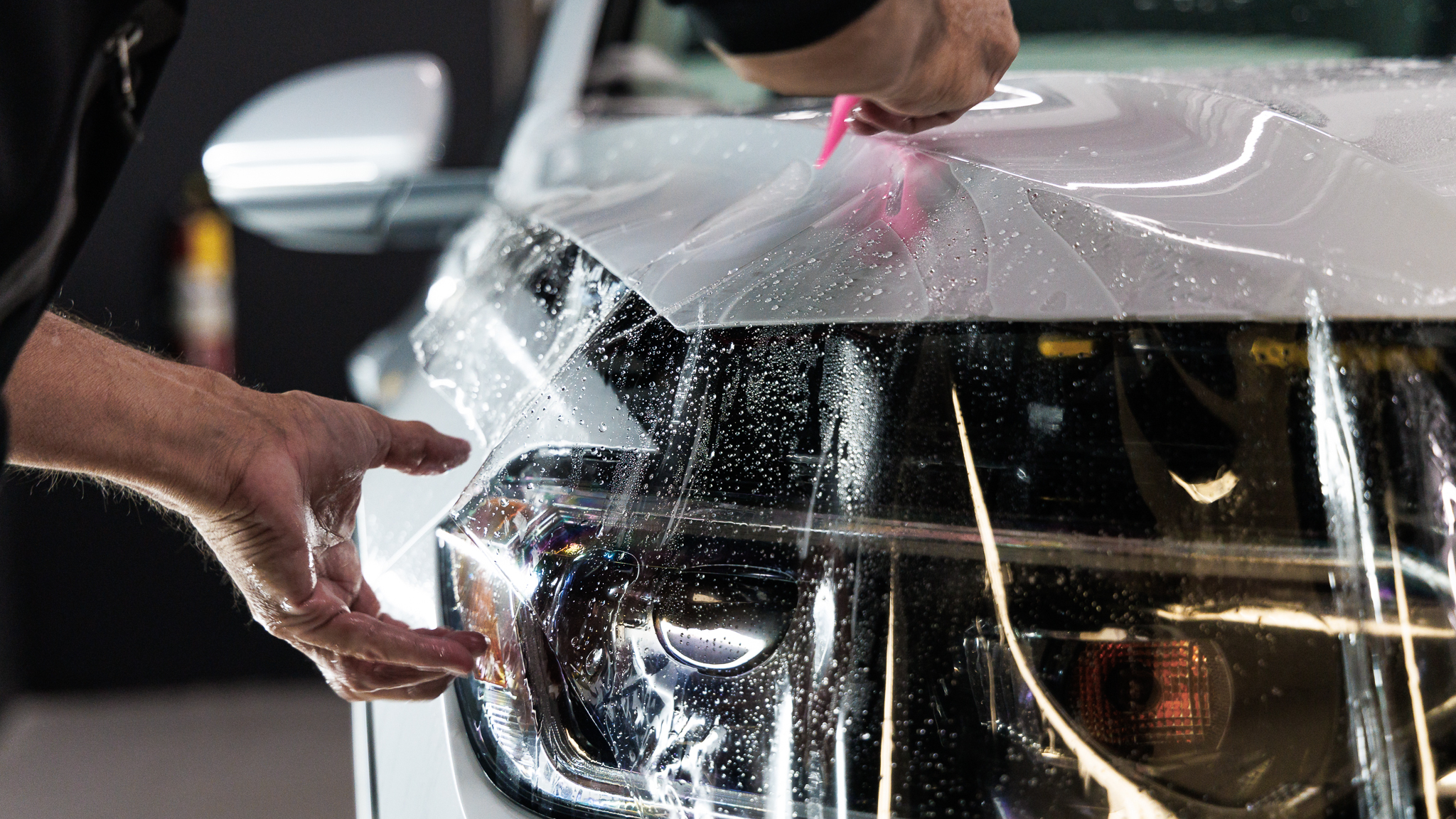
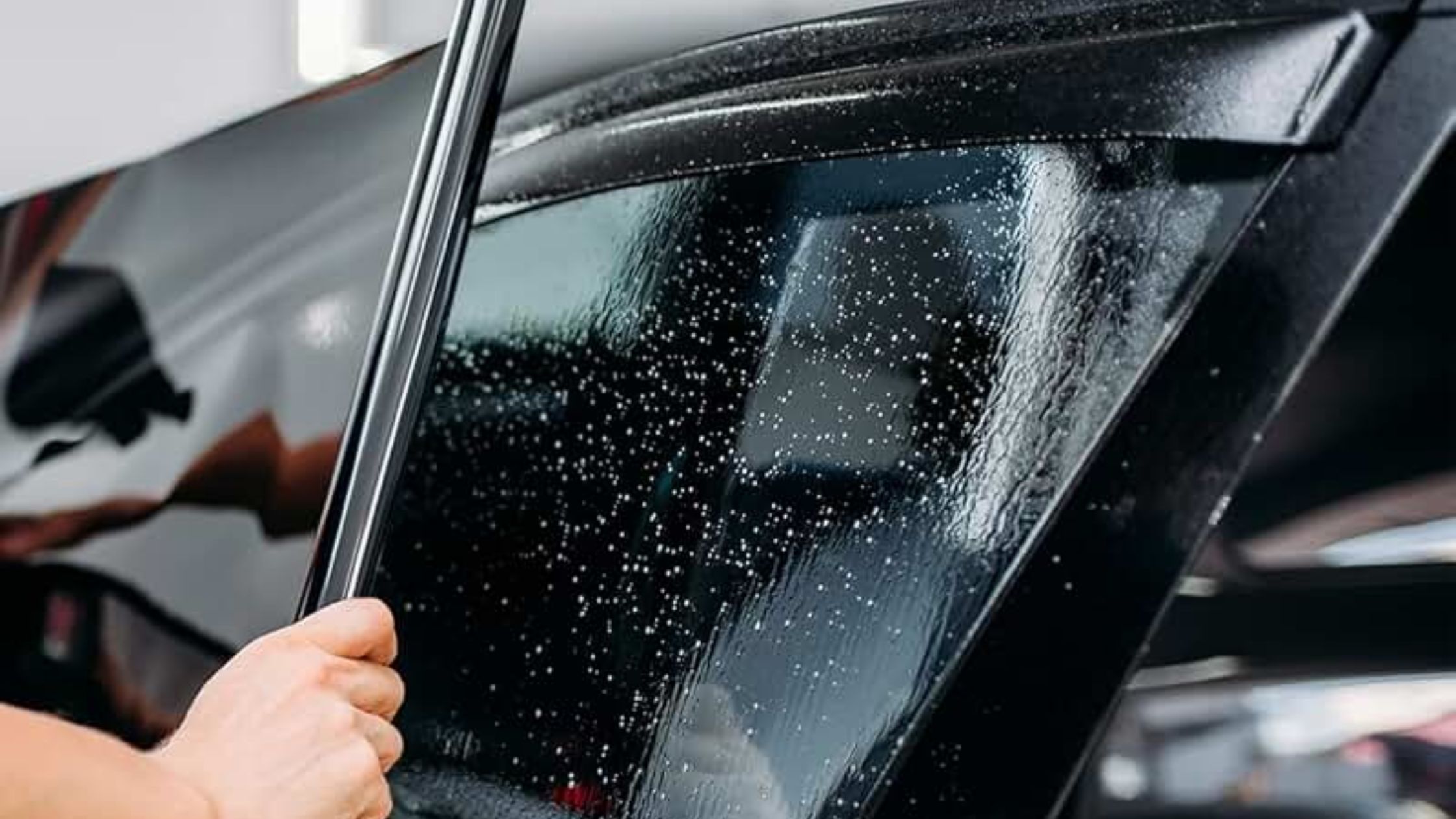
Paint protection film needs time to settle and bond after installation, but the exact curing period depends on the film, temperature, humidity, and installation conditions. Follow the specific aftercare instructions supplied by Extreme Clean for your vehicle rather than relying on one fixed timeline.
Small water bubbles, minor haziness, or moisture pockets may appear beneath freshly installed film. These can improve as trapped installation moisture evaporates, but you should contact the installer if they persist or if an edge begins to lift.
- Wait Before Washing: Do not wash the vehicle until the installer says the film is ready.
- Avoid Touching Panel Edges: Refrain from pressing down on small moisture pockets or picking at wrapped panel borders while the adhesive matrix cures.
- Follow Parking Guidance: Temperature affects curing, so follow the installer’s recommendations about sun, heat, and parking conditions.
- Delay Chemical Applications: Do not apply waxes, ceramic top coats, or quick detailers until the installer confirms the film is ready.
If you have questions about film behavior during the initial curing phase, calling (+1) 501-517-3368 connects you directly with our team for guidance or an inspection.
Why Is Proper Maintenance Essential for Paint Protection Film in Little Rock?
Maintaining paint protection film in Little Rock requires consistent attention because regional environmental factors actively attack exterior vehicle surfaces year-round. While protective film acts as a sacrificial barrier against physical impacts, failing to clean off organic contaminants allows acids to etch into the clear top coat.
Drivers traveling daily through heavy commuter corridors like Cantrell Road or Chenal Parkway encounter aggressive road grime, oil fallout, and airborne construction dust. Routine cleaning preserves the film's elastomeric memory, keeping self-healing properties active while maintaining high optical clarity.
Environmental Stressors Across Central Arkansas
Central Arkansas climate conditions present distinct challenges that require proactive exterior care.
- Heavy Spring Pollen: High pollen accumulation in wooded districts like Hillcrest and The Heights forms sticky residues that bond tightly to clear film if left unwashed.
- Acidic Organic Contaminants: Bird droppings and insect splatter contain concentrated acids that can stain the film top coat under intense sun exposure.
- Extreme Summer Heat: High humidity and ambient temperatures exceeding 90 degrees in July and August accelerate chemical etching from unwashed contaminants.
- Corrosive Road Debris: De-icing chemicals applied during winter cold snaps on Interstate 40 bridge decks can dull unprotected film top coats.
What Are the Best PPF Maintenance Instructions for Safe Washing?
Following structured PPF maintenance instructions helps you clean accumulated surface dirt without causing edge lifting or micro-marring. Hand washing using proper multi-bucket techniques remains a safe method for preserving automotive clear bra materials.
Always wash your vehicle in shaded areas when exterior panel surfaces are cool to the touch. Washing hot panels causes soapy water to evaporate prematurely, leaving stubborn mineral spots across the protective film.
The Two-Bucket Hand Wash Technique
Using two distinct buckets equipped with bottom grit guards prevents dirt from being recirculated back onto the film surface.
- Bucket Setup: Fill one bucket with fresh water for rinsing and a second bucket with clean water mixed with pH-neutral automotive shampoo.
- Pre-Rinse Phase: Thoroughly rinse the vehicle with low-pressure water to remove loose gravel, dust, and road grit before touching the surface with a mitt.
- Top-Down Washing: Gently wipe panels starting from the roof down to lower rocker panels using a plush microfiber wash mitt.
- Frequent Mitt Rinsing: Dip the wash mitt into the rinse bucket against the grit guard after scrubbing each panel before picking up fresh soap.
- Final Gentle Rinse: Flood the panels with free-flowing low-pressure water to rinse away all remaining soap suds cleanly.
To get professional advice on selecting safe shampoos that will not degrade your protective layer, contacting (+1) 5015173368 offers quick access to knowledgeable local detailers.
Safe Pressure Washing Guidelines
Pressure washers are effective tools for rinsing off heavy mud, but improper technique can instantly tear or lift film edges.
- Maintain a Safe Distance: Keep concentrated pressure away from wrapped seams and edges.
- Use a Wide Fan Pattern: Avoid narrow pinpoint nozzles that concentrate force in one area.
- Protect Film Edges: Do not direct water sideways beneath wrapped film borders.
- Follow Product Guidance: Use the pressure and distance recommended by the installer or film manufacturer.
How Should You Clean and Maintain Different Film Types?
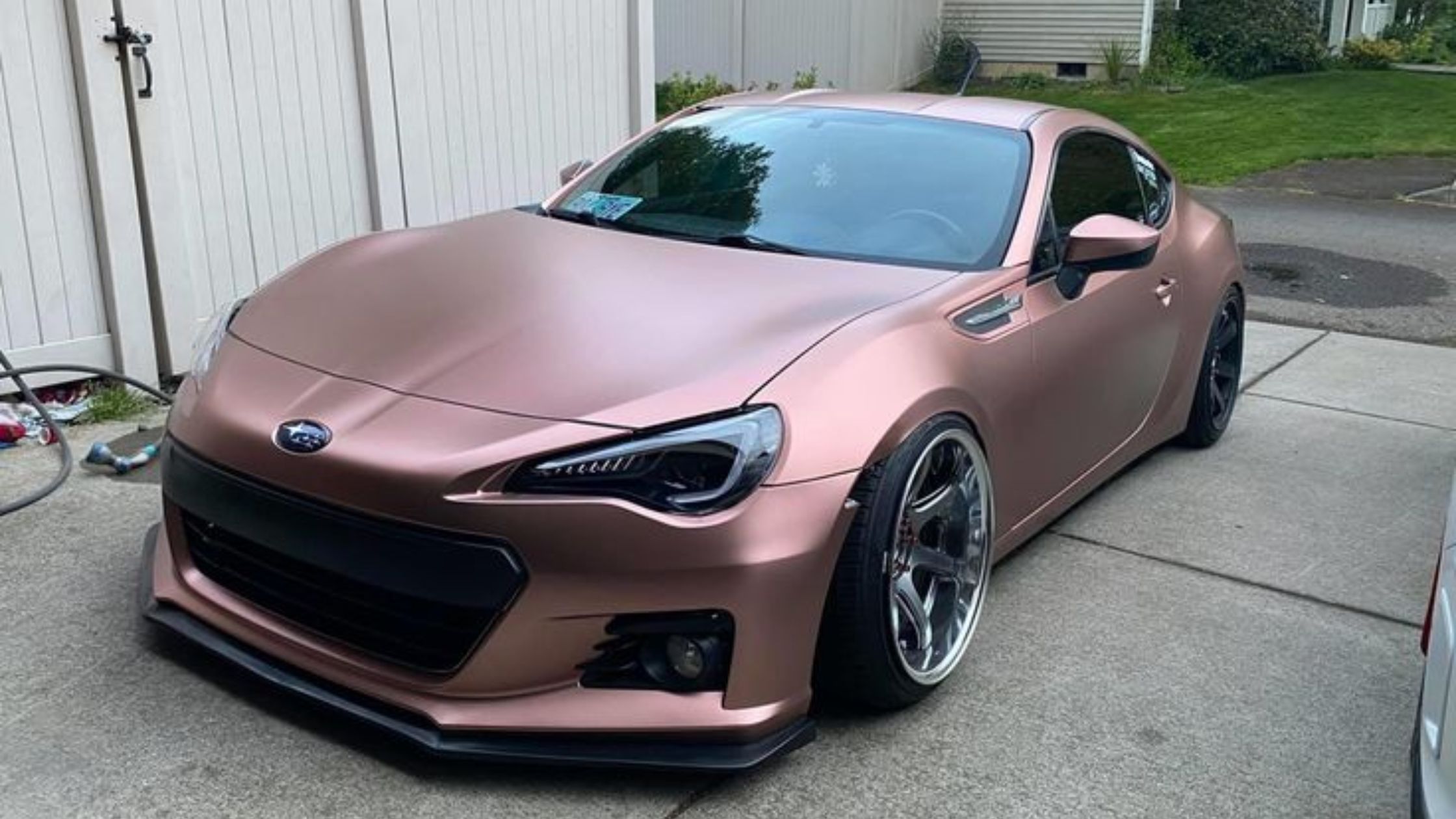
Understanding proper washing paint protection film techniques requires recognizing the functional differences between standard clear film, matte finishes, and ceramic-coated films. Each surface texture requires specific maintenance products to preserve visual appearance.
What Is the Recommended Clear Bra Aftercare Routine for Removing Contaminants?
Executing a timely clear bra aftercare routine prevents stubborn environmental pollutants from causing permanent top coat discoloration. Prompt spot cleaning stops aggressive acids from baking into polyurethane layers under direct sunlight.
Carrying a dedicated spot-cleaning kit inside your vehicle allows you to address unexpected bird droppings or tree sap immediately after parking near local parks like Pinnacle Mountain State Park or the River Market District.
Removing Bug Splatter and Bird Droppings
Insect residue and bird dropping acids represent the highest risk for film staining during Arkansas summers.
- Softening Contaminants: Saturate the affected area with a pH-neutral, film-safe cleaner or warm water and allow the residue to soften before wiping.
- Gentle Wiping: Gently wipe away softened residue using a clean, high-pile microfiber towel without applying heavy downward pressure.
- Avoiding Dry Scrubbing: Never scrub dried bug guts or bird droppings with dry towels, bug sponges, or abrasive pads.
- Post-Cleaning Rinse: Flush the cleaned spot with fresh water to ensure no acidic residue remains on the film.
Managing Tree Sap and Tar Drops
Parking beneath hardwood trees in neighborhoods like The Heights can leave sticky sap deposits that harden quickly.
- Use a Film-Safe Cleaner: Apply a product approved by the film manufacturer or installer rather than experimenting with strong solvents.
- Targeted Application: Let the approved cleaner soften the sap before wiping gently with a plush microfiber towel.
- Rinse the Area: Rinse with fresh water after the contaminant has been removed.
Vehicle owners seeking guidance on safe contaminant removal methods can reach out at (+1) 5015173368 to consult directly with local surface technicians.
What Products and Tools Should You Never Use on a Clear Bra?
Using improper detailing tools or harsh chemicals can damage the self-healing top coat, cause cloudiness, or loosen adhesive borders. Gentle care helps the film retain its appearance and performance. Extreme Clean's SunTek PPF is backed by a 10-year manufacturer warranty covering cracking, yellowing, blistering, and delaminating, subject to the applicable terms.
- Abrasive Buffing Compounds: Never use cutting polishes, heavy rubbing compounds, or aggressive rotary buffer pads on clear film surfaces.
- Petroleum Distillates: Avoid solvent-based bug removers, heavy degreasers, or kerosene products that break down polyurethane layers.
- Automatic Brush Car Washes: Never drive through automated car washes equipped with spinning bristle brushes that catch edges and scratch surfaces.
- Powdered Laundry Detergents: Avoid household dish soaps or powdered detergents that strip protective top coats and dry out acrylic adhesives.
- Abrasive Drying Towels: Refrain from using coarse bath towels or dirty chamois leather that trap dirt particles and scratch clear coats.
How Does Heat-Activated Self-Healing Work on Scratches?
The top layer of modern clear bra materials consists of an advanced elastomeric polymer matrix that possesses shape memory capabilities. When light wash swirls or fine towel scratches occur, ambient thermal energy forces the polymers back into their smooth original alignment.
- Ambient Heat: Warm conditions may help the film's top coat reduce light wash marks over time.
- Warm Water: Follow the film manufacturer's instructions before using warm water to encourage self-healing.
- Heat Gun Caution: While professional installers use heat guns for instant scratch removal, DIY users should avoid hot air tools to prevent burning the film.
Frequently Asked Questions
These answers provide practical guidance for routine PPF care while reinforcing the importance of following the installer and film manufacturer's instructions.
Can you wash a car with a clear bra through an automated car wash?
Gentle hand washing is the preferred method because brush-style automated washes can trap grit against the film or catch exposed edges. Before using any automated wash, follow the care recommendations provided for the installed SunTek film.
How do you dry paint protection film without scratching it?
The safest way to dry clear bra is using a touchless electric leaf blower or compressed air system to blow water out of crevices and off flat panels. If drying manually, use clean, ultra-soft plush microfiber drying towels using a gentle dab-and-wipe motion rather than dragging heavy towels across panel surfaces.
Do you need to wax paint protection film after installation?
Traditional wax is not always necessary. If you want additional gloss or water repellency, use only products confirmed as compatible with the installed film. Extreme Clean also offers ceramic coating options that can be combined with PPF.
What should you do if an edge starts lifting on your clear film?
If you notice a small section of film lifting along a panel seam, do not attempt to trim it yourself with razor blades or pull it back further. Clean the area with fresh water, avoid spraying high-pressure water near the spot, and take the vehicle to a professional installer for heat re-sealing or pattern trimming.
How often should you clean paint protection film in Central Arkansas?
Wash the vehicle often enough to prevent dirt and contaminants from building up. The right schedule depends on mileage, parking conditions, weather, and exposure to bugs, bird droppings, pollen, or tree sap. Remove contaminants promptly using a film-safe method.
Maintaining Uncompromising Exterior Defense Across Little Rock
Preserving your vehicle's finish through daily commutes across Central Arkansas requires a consistent, gentle care routine. Proper maintenance helps high-performance paint protection film in Little Rock continue protecting covered panels and self-healing light surface scratches for years to come.
Partnering with a certified, detail-focused team gives your clear bra access to professional inspection and suitable maintenance treatments. Extreme Clean Mobile Detail provides SunTek PPF, ceramic coatings, and automotive care designed for local driving demands.
If you want to maintain your vehicle's protective layer with experienced local specialists, feel free to contact us to schedule your aftercare or detailing appointment. Our team can recommend care based on your installed film and vehicle.
Get a quote
What happens next?
Fill out all the info and we will contact you via email within 24 hours or feel free to call or text.
BY APPOINTMENT ONLYSat: Closed
Sun: Closed