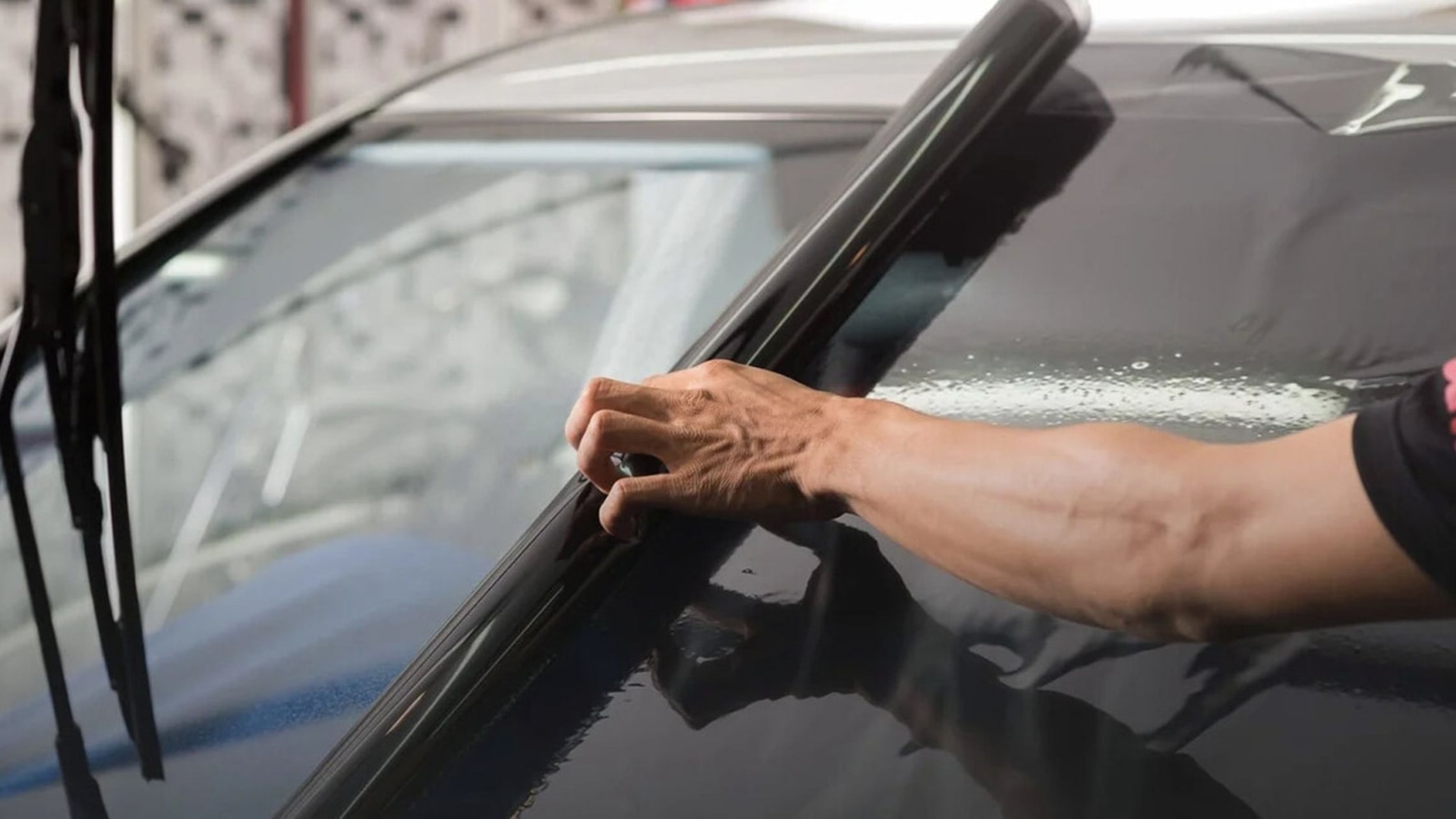
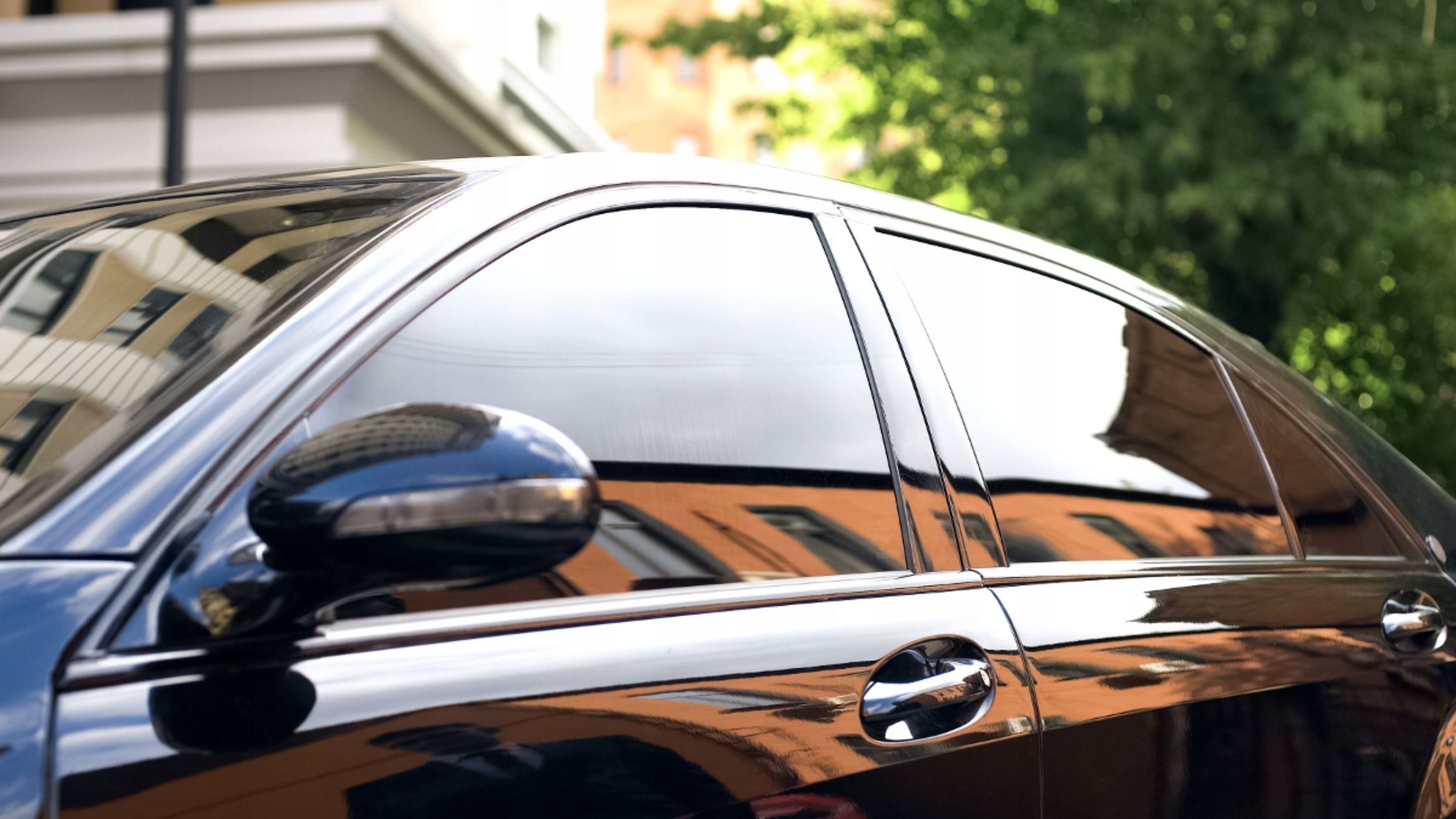
Is Paint Protection Film Worth It for Daily Drivers in Little Rock?
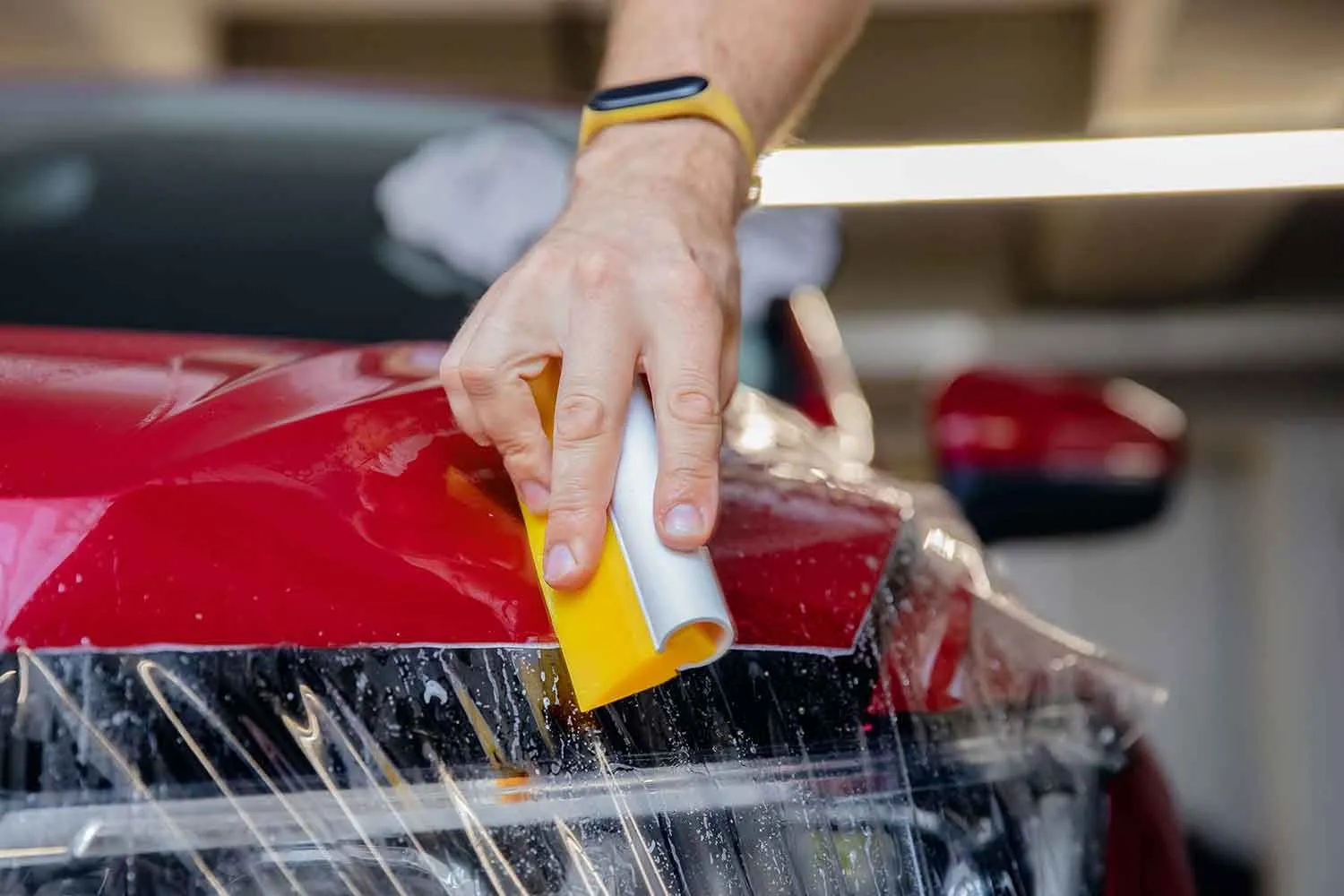
Navigating daily road conditions across Central Arkansas puts your vehicle clear coat through continuous stress from flying gravel, tire spray, and environmental fallout. Drivers commuting along Interstate 30 and Interstate 40 face constant hazards that turn minor highway drives into costly surface repair bills. Investing in high-grade paint protection film in Little Rock provides a durable, invisible surface barrier designed to absorb kinetic energy before gravel impacts reach factory paint.
This detailed guide evaluates the true return on investment for daily commuters, analyzing local environmental stressors, physical paint defenses, cost comparisons, and total value retention for vehicles in Pulaski County.
Is Getting Paint Protection Film in Little Rock Worth It for Daily Drivers?
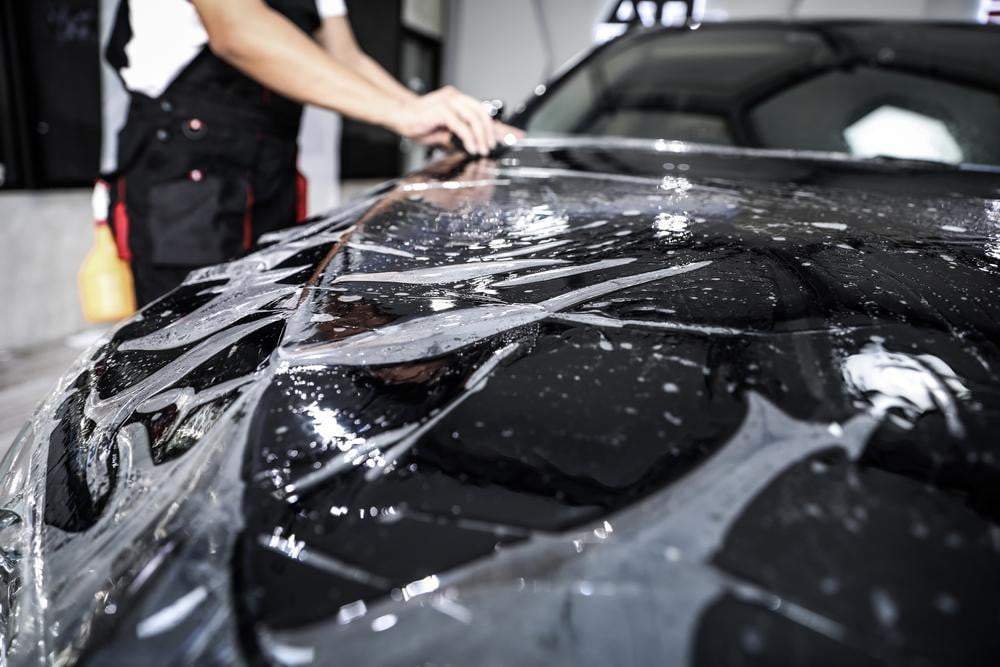
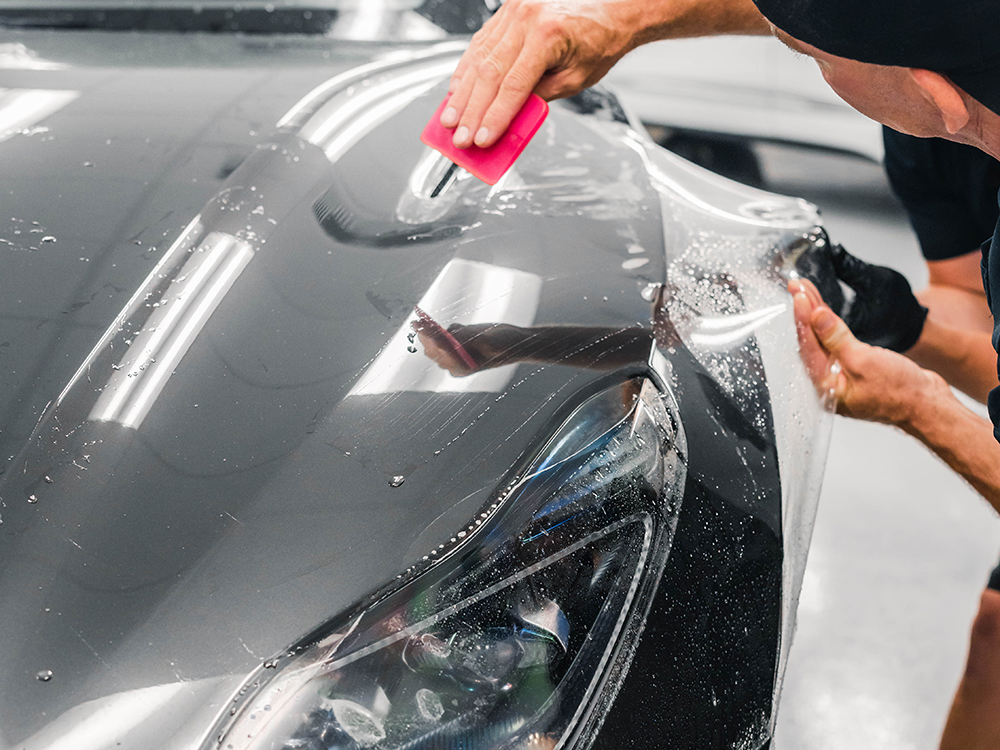
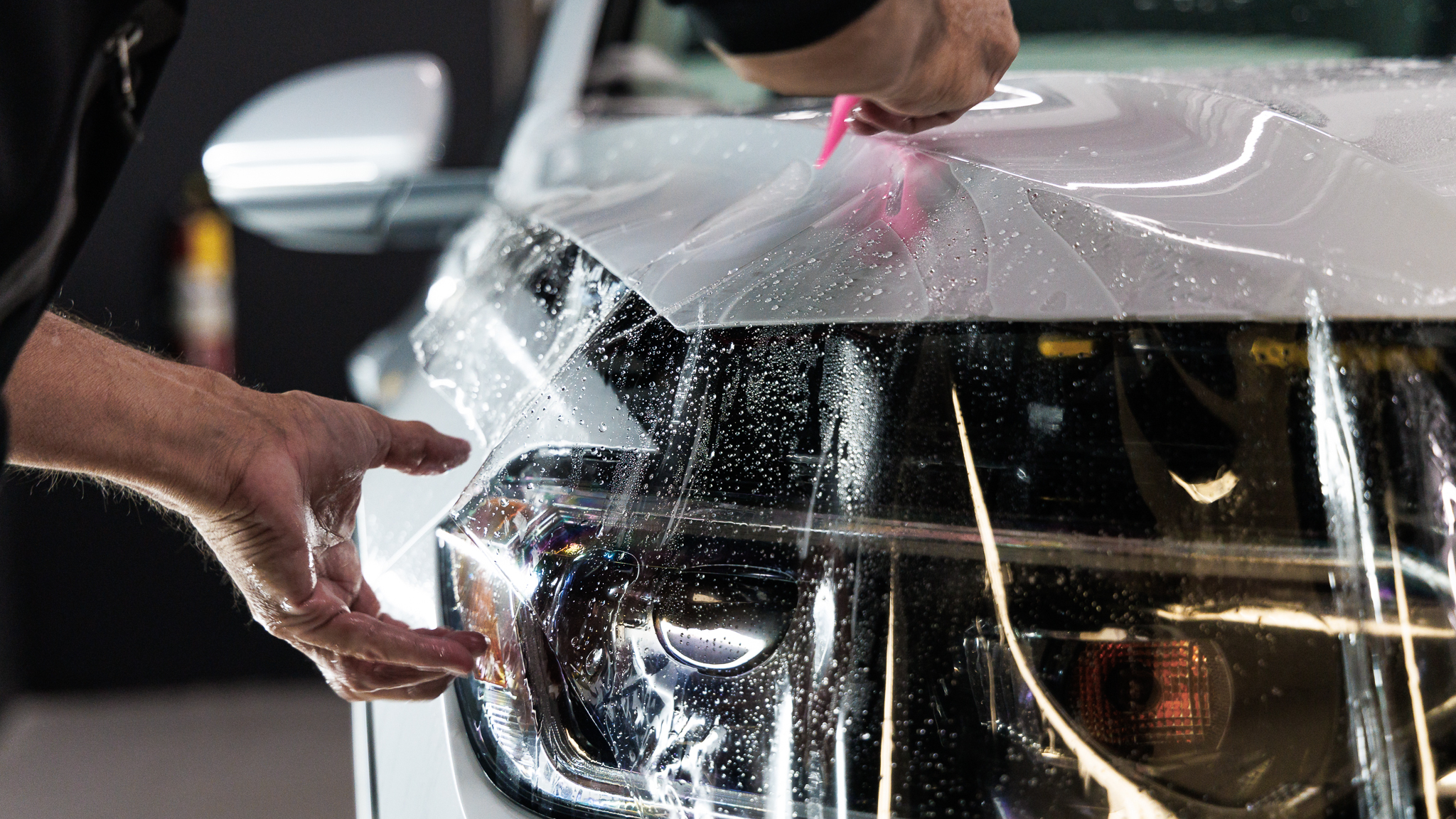
Applying paint protection film in Little Rock can be a worthwhile investment for vehicle owners who drive regularly through highway traffic. Modern clear bra materials help absorb impacts from gravel and protect covered factory paint from rock chips, minor abrasions, bug splatter, bird droppings, swirl marks, and road debris.
For drivers who travel daily through high-traffic corridors like Cantrell Road or Chenal Parkway, factory clear coats remain exposed to abrasive road debris. Repairing accumulated chips or repainting damaged panels can become costly over a vehicle's lifetime. Installing an impact-resistant barrier helps preserve the appearance of covered factory paint and may support resale appeal.
If you are evaluating custom coverage options for your commuter vehicle, calling (+1) 501-517-3368 puts you in direct contact with our team to discuss your vehicle and paint condition.
The True Cost of Unprotected Daily Driving
Every mile traveled behind commercial vehicles or through active construction zones increases the probability of permanent clear coat damage. Factory clear coats are remarkably thin, often measuring less than the thickness of a sticky note.
- High-Velocity Impacts: Highway traffic propels sharp road gravel into front bumpers, gouging through clear coat layers into primer.
- Chemical Oxidation: Organic acids from bird droppings and insect splatter etch permanently into clear coats within hours of sun exposure.
- Micro-Marring: Friction from automatic brush car washes and dust buildup creates widespread swirl marks that dull paint reflection.
- Depreciation Costs: Vehicles with chipped hoods, pitted bumpers, and mismatched repainted panels lose significant appraisal value at trade-in.
Why Factory Clear Coat Needs Extra Physical Armor
Modern automotive manufacturers use eco-friendly waterborne paints that are significantly softer and more susceptible to scratching than older solvent-based paints.
While modern paint finishes look brilliant when leaving the showroom floor, they lack the physical elasticity required to bounce off sharp flying debris without chipping. Clear bra installation bridges this gap by bonding a heavy-duty, energy-absorbing polyurethane layer over vulnerable panel surfaces.
How Does Daily Commuting in Central Arkansas Damage Unprotected Vehicle Paint?
Driving through the Greater Little Rock metropolitan area presents a unique combination of mechanical road hazards and aggressive environmental stressors. Regional geography and active infrastructure expansion create severe driving conditions that attack exterior paint year-round.
Navigating daily routes requires constant surface vigilance, making paint protection for daily drivers an essential line of defense against local conditions.
Impact Hazards on Major Little Rock Highways
Highway infrastructure projects create constant gravel spray and loose asphalt debris across primary commuter corridors.
- Interstate 30 Bridge Work: Ongoing highway widening creates dense gravel zones, loose concrete dust, and heavy truck traffic spraying debris into trailing vehicles.
- Interstate 40 Truck Corridors: Commercial traffic can send loose gravel and road debris toward windshields, hoods, and side mirrors at highway speeds.
- I-630 West Little Rock Routes: Dense stop-and-go commuter traffic creates frequent close-following situations where front bumpers absorb continuous tire debris.
- Gravel Access Roads: Rural and suburban connectors in nearby areas like Bryant, Benton, and Maumelle kick up loose stones along vulnerable lower rocker panels.
Environmental Threat Factors Across Pulaski County
In addition to mechanical impacts, regional climate conditions in Central Arkansas severely degrade unprotected automotive surfaces.
- Heavy Pollen Accumulation: High spring pollen counts across wooded neighborhoods like Hillcrest and The Heights form sticky acidic residues that etch clear coat surfaces.
- Tree Sap Residue: Parking beneath hardwoods near local parks like Pinnacle Mountain State Park or the Big Dam Bridge drops stubborn sap that hardens onto paint.
- Extreme Summer UV Radiation: High summer heat and intense solar rays accelerate clear coat oxidation, leading to premature paint dullness and surface peeling.
- Industrial Airborne Contaminants: Commercial corridors along Roosevelt Road emit airborne particulates that bond to unprotected paint, forming rough surface pitting.
To discuss how local climate factors impact your specific vehicle make and model, calling (+1) 5015173368 provides quick, knowledgeable assistance tailored to your driving routine.
What Are the Key Benefits of PPF in Little Rock for Everyday Commuters?
Installing protective film provides physical defense that goes beyond cosmetic appeal. By covering vulnerable panels in self-healing polyurethane, vehicle owners can reduce common paint damage while maintaining the vehicle's visual clarity.
Understanding the direct benefits of PPF in Little Rock helps vehicle owners select coverage packages that directly target their primary driving hazards.
Self-Healing Technology Against Road Debris
The primary advantage of premium clear bra materials lies in their advanced elastomeric top coat, which possesses shape memory properties.
- Automatic Scratch Erasure: Minor wash swirls, towel scratches, and light scuffs melt away automatically when exposed to engine heat or summer sunlight.
- Impact Energy Absorption: Thick thermoplastic polyurethane flexes under mechanical force, bouncing sharp stones away without tearing or puncturing.
- Optically Clear Finish: High-tier modern films do not distort paint clarity or orange peel texture, maintaining maximum color depth and gloss.
- Stain and Chemical Resistance: Highly resistant top coats prevent discoloration from harsh bug splatter, road tar, and bird droppings.
Preserving Paint Value and Resale Pricing
Maintaining original factory paint is the single most important factor in preserving a vehicle's long-term resale value.
Dealership appraisers and private buyers often inspect exterior condition closely. A cleaner front end with fewer rock chips or repainted panels may make a vehicle more appealing when it is sold or traded.
What Is the True Financial Value of Clear Bra Installation Compared to Repainting?
Analyzing the value of clear bra installation requires weighing upfront installation costs against the long-term expense of paint restoration and vehicle depreciation.
While clear bra application represents an upfront investment, it can reduce paint damage that might otherwise lead to body-shop visits, transportation costs, or concerns about repainted panels.
The High Hidden Costs of Bodyshop Repainting
Many drivers assume they can simply repaint their front bumper or hood once damage accumulates. However, aftermarket body repairs carry substantial financial and aesthetic drawbacks.
- Mismatched Paint Shades: Matching metallic or pearl factory paint colors on aged panels is notoriously difficult, leading to noticeable color variance under sunlight.
- Loss of Factory Seal: Dismantling factory bumper assemblies, grille clips, and parking sensors risks breaking OEM tabs and introducing cabin squeaks.
- Carfax Report Penalties: Bodyshop repair records often appear on vehicle history reports, raising red flags for prospective buyers regarding past accident damage.
- Downtime and Transportation Expenses: Body-shop repairs can leave a vehicle unavailable while panels are prepared, painted, and cured, potentially creating additional transportation costs.
Long-Term Value Retention for Daily Commuters
Applying protective film creates predictable, fixed maintenance costs while protecting your vehicle's equity.
Over years of daily driving, the film takes the wear that would otherwise reach the covered paint. When the underlying finish is sound and the film is professionally removed, the protected panels may show less visible road wear and remain more appealing to prospective buyers.
If you want a detailed estimate comparing coverage options for your daily driver, reaching out at (+1) 5015173368 connects you directly with our surface preservation technicians.
Which Areas of a Daily Driver Need Paint Protection Film in Little Rock?
Daily commuters do not always require complete full-body wraps to achieve effective surface defense. Targeting high-impact vulnerability zones delivers maximum physical protection while keeping budget considerations balanced.
Professional installers offer scalable packages designed to shield panels that face direct forward impact during highway travel.
Partial Front End Package
The partial front configuration shields the absolute minimum leading edges exposed to high-speed road debris.
- Front Bumper Cover: Protects the low-hanging plastic assembly that receives continuous gravel pepper.
- Leading Edge of the Hood: Shields the forward portion of the hood where road debris commonly strikes.
- Partial Front Fenders: Covers forward-facing fender tips aligning with the front headlight housings.
· Side Mirror Covers: Guards painted mirror housings from flying rocks flung by passing trucks.
Full Front End Package
The full front installation is the recommended standard for daily drivers commuting across Central Arkansas.
- Entire Hood Panel: Covers the complete hood edge-to-edge, eliminating visible film seam lines across the panel.
- Full Front Fenders: Wraps both front fender panels completely back to the front door seams.
- Front Bumper: Protects the bumper contours that face direct road debris.
- Mirror Caps: Covers the painted mirror caps against common forward-facing impacts.
Track and High-Impact Commuter Package
Designed for commuters who travel extensive highway mileage or rural gravel connector roads daily.
- Front Bumper: Covers the primary forward-facing bumper surface.
- Full Hood and Full Fenders: Extends protection across the complete front panels.
- Mirror Caps: Protects the painted mirror housings.
- A-Pillars and Rocker Panels: Adds coverage to high-impact areas beyond the standard Full Front package.
How Does PPF Compare to Ceramic Coating for Daily Drivers?
A common point of confusion for car owners is distinguishing between protective films and liquid ceramic coatings. While both products offer outstanding exterior enhancement, they perform fundamentally different protective functions.
Understanding these structural differences ensures daily commuters choose the right protective system for their specific vehicle needs.
Mechanical Defense vs. Chemical Hydrophobicity
Protective film is a physical sheet of thermoplastic polyurethane that creates a flexible barrier against stones, minor abrasions, and road debris.
Ceramic coatings are liquid polymers that bond to the vehicle's surface. They improve gloss, water repellency, and resistance to environmental contamination, but they do not provide the same impact protection as PPF.
The Ultimate Dual-Layer Protection Strategy
For total daily driver defense, combining a clear bra with a ceramic top coat yields superior results.
- Primary Impact Layer: Thermoplastic polyurethane absorbs stones, road debris, and deep physical scratches.
- Secondary Hydrophobic Layer: A ceramic coating applied over the film repels water, mud, insect acids, and road grime.
- Simplified Maintenance: The ceramic layer prevents road film from sticking to clear bra top coat, keeping the film cleaner longer.
- Maximum Visual Gloss: The combined system provides extreme optical depth, intense hydrophobic water beading, and total physical defense.
How Do You Maintain Clear Bra Protection on a Daily Commuter?
Proper maintenance helps your protective film remain clear, self-healing, and securely bonded throughout its service life.
Following straightforward care techniques prevents premature lifting along panel edges and preserves top coat performance.
Initial Curing Care
Immediately following installation, the mounting solution beneath the film requires time to evaporate and the adhesive needs time to settle. The exact timeframe varies, so follow the aftercare instructions supplied by the installer.
- Avoid Washing Too Soon: Wait for the period recommended by the installer before washing the vehicle or using high-pressure water.
- Allow Moisture Evaporation: Small water bubbles or light haziness beneath the film are normal and dissipate naturally as moisture evaporates through the breathable polyurethane.
- Follow Parking Guidance: Temperature and humidity affect curing, so follow the installer’s recommendations for parking and exposure.
- Leave Seams Alone: Never press down on curing moisture pockets or pick at wrapped panel edges during the initial curing phase.
Safe Routine Maintenance Practices
Washing your protected vehicle correctly prevents edge lifting and maintains hydrophobic top coat properties.
- Use Gentle Hand Wash Methods: Employ the two-bucket wash technique with microfiber mitts and grit guards to isolate trapped grit.
- Maintain a Safe Pressure Distance: Avoid directing concentrated high-pressure water at film edges, and follow the installer or film manufacturer's care guidance.
- Select Balanced Auto Shampoos: Use pH-neutral automotive soaps free from aggressive solvents, heavy degreasers, or petroleum distillates.
- Avoid Abrasive Compounds: Never use heavy cutting polishes, rotary buffers, or aggressive rubbing compounds on clear bra surfaces.
Frequently Asked Questions
These answers address the most common concerns daily drivers have before choosing paint protection film in Little Rock.
Does clear bra yellow over time on vehicles parked outdoors in Arkansas?
Modern premium clear bra films are engineered to resist yellowing. Extreme Clean's SunTek PPF is backed by a 10-year manufacturer warranty covering yellowing, cracking, blistering, and delaminating, subject to the warranty terms.
Will paint protection film damage my factory paint when it is removed?
Professional removal is designed to protect sound original factory paint. A technician should inspect the film and paint condition first, then use suitable heat and removal techniques to reduce the risk of damage.
How long does a standard clear bra installation take to complete?
Installation time varies according to the vehicle, paint condition, selected film, and coverage package. A Full Front installation generally requires less time than Track Pack or Full Coverage, but the team should confirm the schedule for your specific vehicle.
Can you wash a daily driver with PPF through an automated car wash?
Brush-style automated washes can trap grit against the film and may catch exposed edges, so gentle hand washing is the preferred option. If using an automated wash, follow the installer or film manufacturer's recommendations for the specific product.
Can a clear bra be applied over existing rock chips and paint scratches?
A clear bra can technically be applied over existing rock chips, but it will not make existing physical damage disappear. Trapped air around deep rock chips can create small silvery air pockets beneath the film. Professional detailers perform machine paint correction and touch-up prep prior to installation to ensure maximum surface smoothness.
Safeguarding Your Daily Commute Across Little Rock
Navigating daily road hazards across Central Arkansas does not have to leave covered vehicle panels exposed. Installing high-performance paint protection film in Little Rock provides long-term peace of mind by helping protect your daily driver from rock chips, minor abrasions, bug splatter, bird droppings, swirl marks, and road debris.
Choosing a certified, detail-oriented installation team is essential for achieving clean film lines, carefully finished edges, and dependable durability. Extreme Clean Mobile Detail provides SunTek PPF, ceramic coatings, and customized auto care for vehicles driven throughout Little Rock and Central Arkansas.
If you are ready to protect your vehicle against daily highway wear, feel free to contact us to explore personalized coverage packages for your car.
Get a quote
What happens next?
Fill out all the info and we will contact you via email within 24 hours or feel free to call or text.
BY APPOINTMENT ONLYSat: Closed
Sun: Closed