How Long Does Professional Window Tint Last on Vehicles in Little Rock?
When you invest in glass protection for your car, you want to know how long that investment will protect you from the intense Arkansas sun. Driving along Interstate 630 or parking near the River Market District during a sweltering southern summer can quickly ruin cheap glass coverings. If you are researching top-rated tint shops in Little Rock, understanding the expected lifespan of different materials is the best way to avoid wasting your hard-earned money. A high-quality installation can protect your vehicle interior for over a decade, while low-grade alternatives often fail within a single season. This comprehensive guide outlines what determines the lifespan of your vehicle glass film and how to ensure you receive a durable, high-performing solution.
How many years does a professional window tint last?
A professional window tint installation typically lasts between five years and the entire lifetime of the vehicle. The exact duration depends heavily on the specific material of the film, the quality of the adhesive, and the installation environment. Premium ceramic and carbon products are engineered with stable inorganic compounds that do not break down, allowing manufacturers to back them with nationwide lifetime warranties. Cheap polyester films, on the other hand, rely on organic dyes that degrade rapidly, usually failing within one to three years of daily exposure.
Material Selection and Longevity
The chemical composition of your film is the single greatest factor in determining its long-term survival. Modern manufacturing processes have introduced incredibly stable materials that resist the damaging effects of solar radiation.
- Ceramic and Carbon Films: These high-performance materials do not contain organic dyes. They utilize microscopic ceramic nanoparticles or carbon structures to filter heat, meaning they will not fade to purple or peel away over time.
- Basic Dyed Films: These budget-friendly options use organic dyes to block light. The ultraviolet rays from the sun break down these chemical dyes, causing rapid color fading and bubbling within a couple of summers.
The Role of Professional Installation
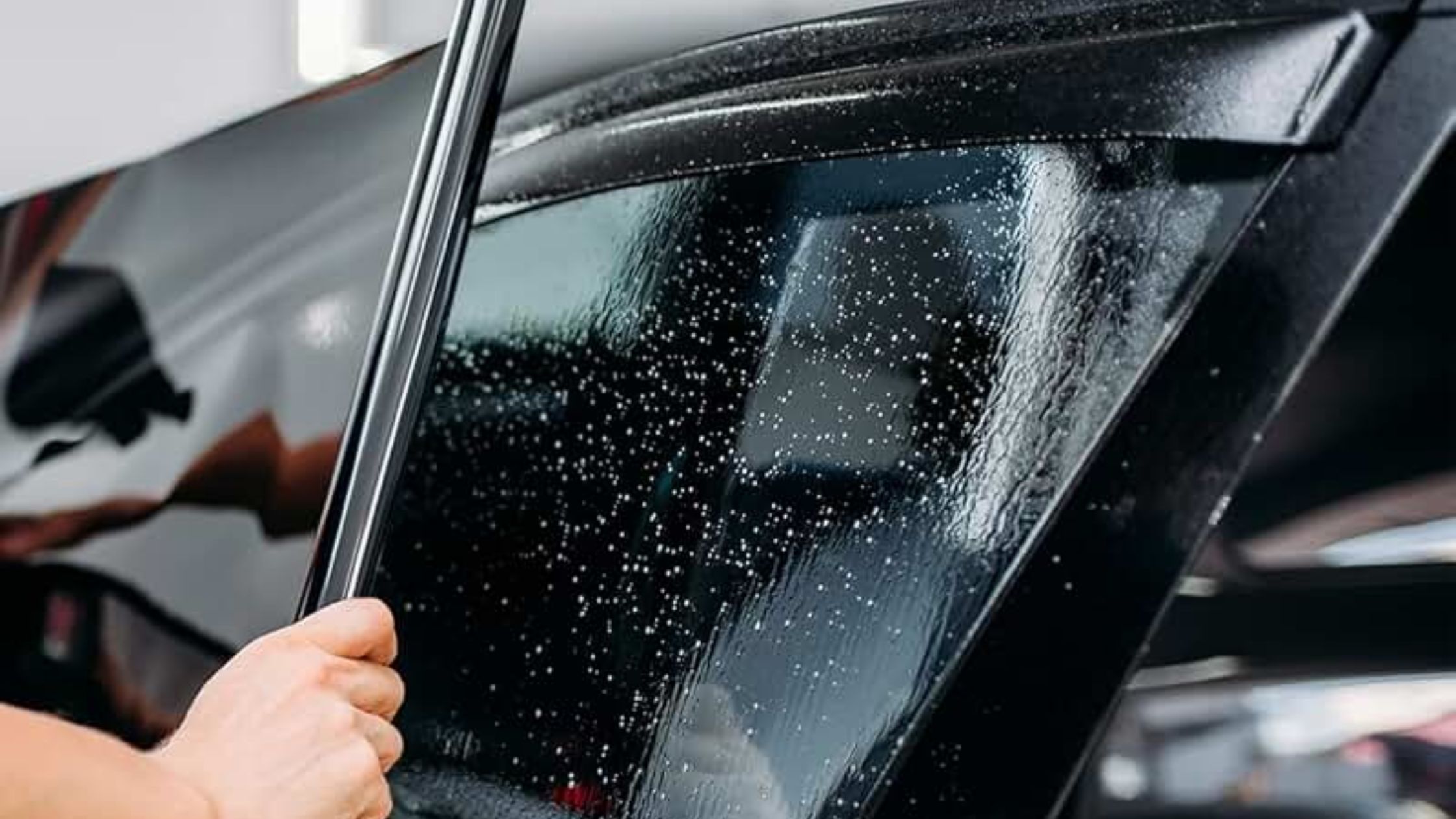
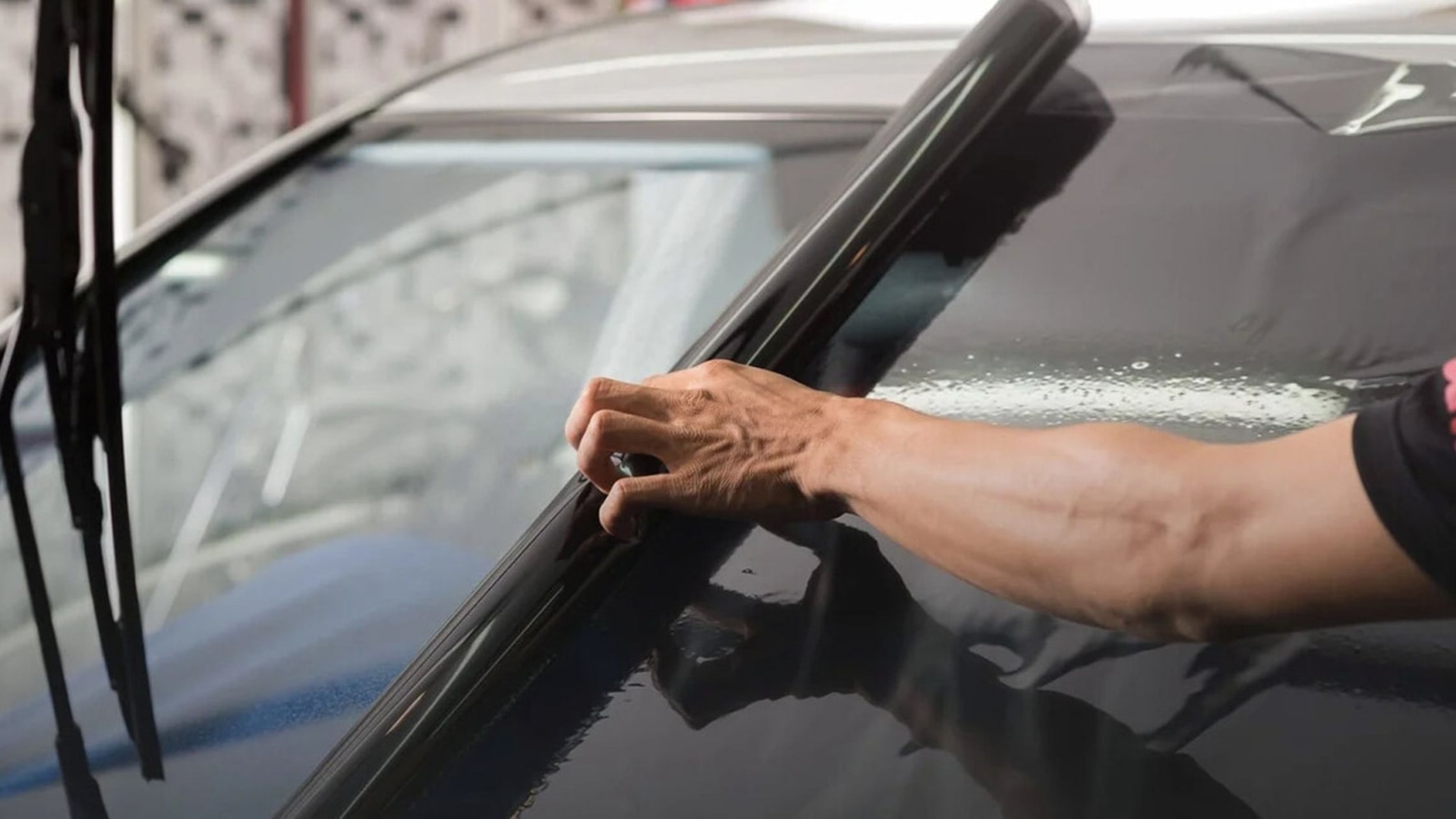
How the film is applied to your vehicle glass plays a massive role in its ultimate durability. A dust-free, climate-controlled clean room is mandatory to achieve a permanent bond between the adhesive and the glass.
Dust particles, pet dander, and pollen floating through an open garage bay will ruin the adhesive layer immediately. Once these tiny particles are trapped beneath the sheet, they form physical barriers that prevent the adhesive from curing, eventually leading to bubbling and peeling.
Why Do Some Tint Shops in Little Rock Deliver Longer-Lasting Results?
The longevity of your window film is directly linked to the preparation protocols, dust mitigation techniques, and climate controls utilized by the installer. When researching various tint shops in Little Rock, you will notice a wide variation in pricing and warranty offers. High-end service centers invest heavily in clean-room technology, computerized film plotters, and factory-certified training for their technicians. These advanced measures ensure that the delicate adhesive layer bonds flawlessly to the glass, eliminating the micro-gaps that cause early failure.
Choosing a certified local dealer guarantees that the physical installation will survive the environmental stresses of the Central Arkansas climate. A professional shop will thoroughly scrub your automotive glass with specialized slip solutions to remove invisible road grime, grease, and glass contaminants. This intensive preparation process is what allows premium materials to remain perfectly adhered to your vehicle for decades.
Clean Room Protocols and Air Filtration
An open garage bay is the worst enemy of a durable installation. Wind blowing in from busy roads like Cantrell Road carries fine road dust, pollen, and debris directly onto the wet glass surface.
Reputable shops perform all installations inside sealed, climate-controlled bays equipped with active air purification systems. This sterile environment prevents airborne particles from settling on the adhesive, ensuring a pristine finish that will not lift at the edges.
Computerized Precision vs. Hand Cutting
Traditional hand-cutting methods require the installer to slide a sharp razor blade along your vehicle's window glass and rubber gaskets. This manual technique can create micro-tears in the film edges or damage the delicate window seals.
Modern facilities utilize computerized cutting software connected to high-precision plotters. This technology cuts the film to the exact specifications of your vehicle's make and model, ensuring perfectly uniform edges that tuck cleanly beneath the window seals to prevent peeling.
How Do Different Types of Automotive Window Film Compare in Lifespan?
Understanding the primary differences between available film categories helps you make an educated decision for your vehicle. Each material class offers a distinct level of resistance to solar heat, physical wear, and chemical breakdown. Selecting the right class of automotive window film ensures your vehicle remains protected while avoiding the hassle of frequent removals and reapplications.
Dyed Window Film Lifespan (1 to 3 Years)
Dyed films are the least durable option on the market. They are constructed by placing a layer of organic dye between an adhesive backing and a protective outer coating. The dye absorbs solar heat rather than reflecting it, which accelerates the breakdown of the polyester sheet.
Over a short period, the sun breaks down the chemical bonds of the dye, turning the film a translucent purple color. As the organic material decays, the adhesive loses its grip, leading to widespread bubbling that impairs your rear-view visibility.
Carbon Window Film Lifespan (5 to 10 Years)
Carbon films represent a significant step up in quality and durability. Instead of organic dyes, these films are infused with microscopic carbon particles that are highly resistant to solar degradation.
Carbon does not fade over time and provides excellent infrared heat rejection. Because carbon is a stable element, these films easily survive a decade of daily use without showing signs of bubbling, peeling, or color shifting.
Ceramic Window Film Lifespan (Lifetime of the Vehicle)
Ceramic films are the gold standard for long-lasting window tint. They are manufactured using advanced sputtering technology to deposit non-conductive ceramic nanoparticles onto high-grade optical polyester.
Ceramic particles block up to 99% of ultraviolet rays and up to 98% of infrared heat without interfering with electronic signals. These films are chemically inert and completely impervious to sun damage, allowing them to remain crystal clear for the entire lifespan of your vehicle.
How Does the Central Arkansas Climate Impact Window Tint Durability?
The extreme weather fluctuations in Central Arkansas place incredible physical stress on automotive materials. Vehicles parked daily in areas like Chenal Valley, Hillcrest, or the Heights are subjected to a brutal combination of intense heat, high relative humidity, and freezing winter temperatures. This local weather pattern accelerates the aging process of substandard products, making window tint durability in Little Rock a critical consideration for car owners.
Intense Summer Heat and Ultraviolet Exposure
Little Rock summers frequently bring temperatures well above ninety degrees, coupled with relentless sunshine. This high level of solar radiation acts as a constant chemical assault on your vehicle's glass coatings.
Under direct sunlight, your car's glass windows can reach temperatures exceeding one hundred and forty degrees. Low-grade pressure-sensitive adhesives cook under these conditions, releasing volatile organic gases that expand to form ugly, permanent bubbles.
High Humidity and Adhesive Curing
The high relative humidity of the Arkansas River Valley directly impacts the initial curing process of newly installed window film. Moisture must completely evaporate from beneath the polyester sheet for the adhesive to form a permanent chemical bond with the glass.
In humid conditions, this drying process takes significantly longer. High-quality moisture-resistant adhesives are required to prevent water pockets from turning into permanent pockets of air, which would otherwise compromise the structural integrity of the installation.
Rapid Thermal Expansion and Contraction
Arkansas weather is notorious for dramatic, sudden temperature drops and rises. Your vehicle's glass windows expand and contract microscopically as the ambient temperature changes throughout the day.
Cheap films lack the elasticity required to stretch and contract alongside the shifting glass. Over time, this mechanical stress causes the brittle polyester sheet to crack, wrinkle, or pull away from the edges of the window frame.
What Can You Do to Extend the Lifespan of Your Vehicle's Tint?
While material quality and installation precision are vital, your maintenance habits play a major role in preservation. Practicing proper care routines ensures that your high-quality film remains clean, clear, and securely bonded to the glass surface. By following a few simple guidelines, you can protect your investment and maintain excellent visibility for decades.
Allow Proper Curing Time
Immediately following your installation, you must allow the adhesive layer to dry completely. This process typically takes between three to five days, depending on local humidity levels and sun exposure.
- Do not roll down your windows: Keep your side glass completely rolled up to prevent the window seals from catching the wet edges and peeling the film.
- Avoid washing the interior glass: Do not wipe, clean, or touch the inside of the windows while the curing process is taking place.
- Expect temporary haziness: It is normal to see small water pockets or a slightly cloudy appearance during the first few days, which will naturally evaporate as the adhesive cures.
Clean with Safe Chemical Products
When it comes time to clean your tinted windows, you must select your cleaning agents with extreme care. Standard household glass cleaners often contain aggressive chemicals that will destroy the protective topcoat of your film.
- Avoid ammonia at all costs: Ammonia chemically attacks the polyester sheet, causing it to become brittle, cloudy, and prone to scratching.
- Use specialized tint cleaners: Choose cleaners explicitly labeled as tint-safe, or use a soft microfiber cloth dampened with clean, distilled water.
- Steer clear of abrasive materials: Never use paper towels, newspapers, scrub sponges, or razor blades to clean the tinted surface, as they will leave permanent micro-scratches.
Frequently Asked Questions
Does window tint degrade over time?
Yes, window tint will degrade over time if it is made from low-grade materials like organic dyes. These dyes break down under constant exposure to solar ultraviolet rays, causing the film to lose its color, turn purple, and bubble. Premium carbon and ceramic films do not contain organic dyes and are designed to resist degradation for the entire lifetime of your vehicle.
Why does cheap window tint turn purple and bubble?
Cheap window tint turns purple because the organic color dyes inside the polyester layer are chemically destroyed by ultraviolet radiation. The bubbling occurs when the cheap, heat-sensitive adhesive layer breaks down under high temperatures. As the adhesive fails, it releases trapped gases that cannot escape, creating unsightly bubbles across the glass surface.
Can scratched window tint be repaired?
No, scratched window tint cannot be repaired or polished out. Once the protective hard coat of the polyester sheet is physically scratched or gouged, the damaged section must be removed. The only way to restore the clean appearance and heat rejection properties of your glass is to have the old film professionally stripped and a new sheet applied.
How do I know if my window tint is wearing out?
You can identify failing window tint by looking for visual changes in the film's clarity, color, and texture. The earliest signs of failure include a purple color shift, a wavy or distorted view through the glass, and small air pockets forming near the edges. If the film feels brittle to the touch or begins to peel back from the window gaskets, it is time for a replacement.
Does high humidity in Arkansas affect the curing process?
Yes, the high humidity levels in Central Arkansas slow down the evaporation of the water used during the application process. While a typical installation cures in three days in dry climates, local vehicles may require five to seven days to dry completely. It is important to leave the windows rolled up during this extended curing window to ensure the adhesive cures perfectly.
Selecting the Right Partner for Long-Lasting Protection
Securing a high-performing, durable glass upgrade for your vehicle requires a perfect balance of premium engineering and flawless application techniques. Substandard materials and sloppy mobile installations in open driveways will quickly fail under the punishing Arkansas sun, leaving you with ruined visibility and a damaged vehicle interior. When you are ready to invest in a permanent solution that keeps your cabin cool, shields your family from harmful UV rays, and preserves the resale value of your car, choosing certified local professionals is the smartest choice.
To guarantee that your vehicle receives the ultimate level of protection, you should work with a trusted team that stands behind their work with clean-room installations, computerized cutting, and premium ceramic materials. If you are ready to experience unmatched optical clarity, maximum thermal rejection, and total peace of mind on your daily drives, contact us to schedule your personalized consultation. At Extreme Clean Mobile Detail, we are committed to providing the highest quality automotive care to our local community. We are proud of our reputation as a trusted local service provider, backed by our 363 Google reviews and our perfect 5-star Google rating as of today. Let us help you safeguard your vehicle with a flawless finish that is built to endure the elements for years to come.
Get a quote
What happens next?
Fill out all the info and we will contact you via email within 24 hours or feel free to call or text.
BY APPOINTMENT ONLYSat: Closed
Sun: Closed

.jpg)
.jpg)
.jpg)
.jpg)