Why Is Ceramic Car Window Tinting Worth the Investment in Little Rock?

Little Rock drivers face a unique challenge: the Central Arkansas sun can turn a parked car into a literal oven in under fifteen minutes. While traditional dyed films offer a darker look, they often fail to address the core issue of solar heat gain. Ceramic window tinting represents a revolutionary shift in automotive protection, utilizing nano-ceramic particles that specifically target and block the spectrum of light responsible for heat. By choosing professional window tinting in Little Rock, you are investing in a thermal barrier that rejects up to 90% of infrared heat, ensuring your commute from West Little Rock to downtown remains cool and comfortable. This guide explores why this premium upgrade is the most effective way to protect your vehicle, your skin, and your comfort during our humid Southern summers.
Is ceramic window tint actually better than regular tint?
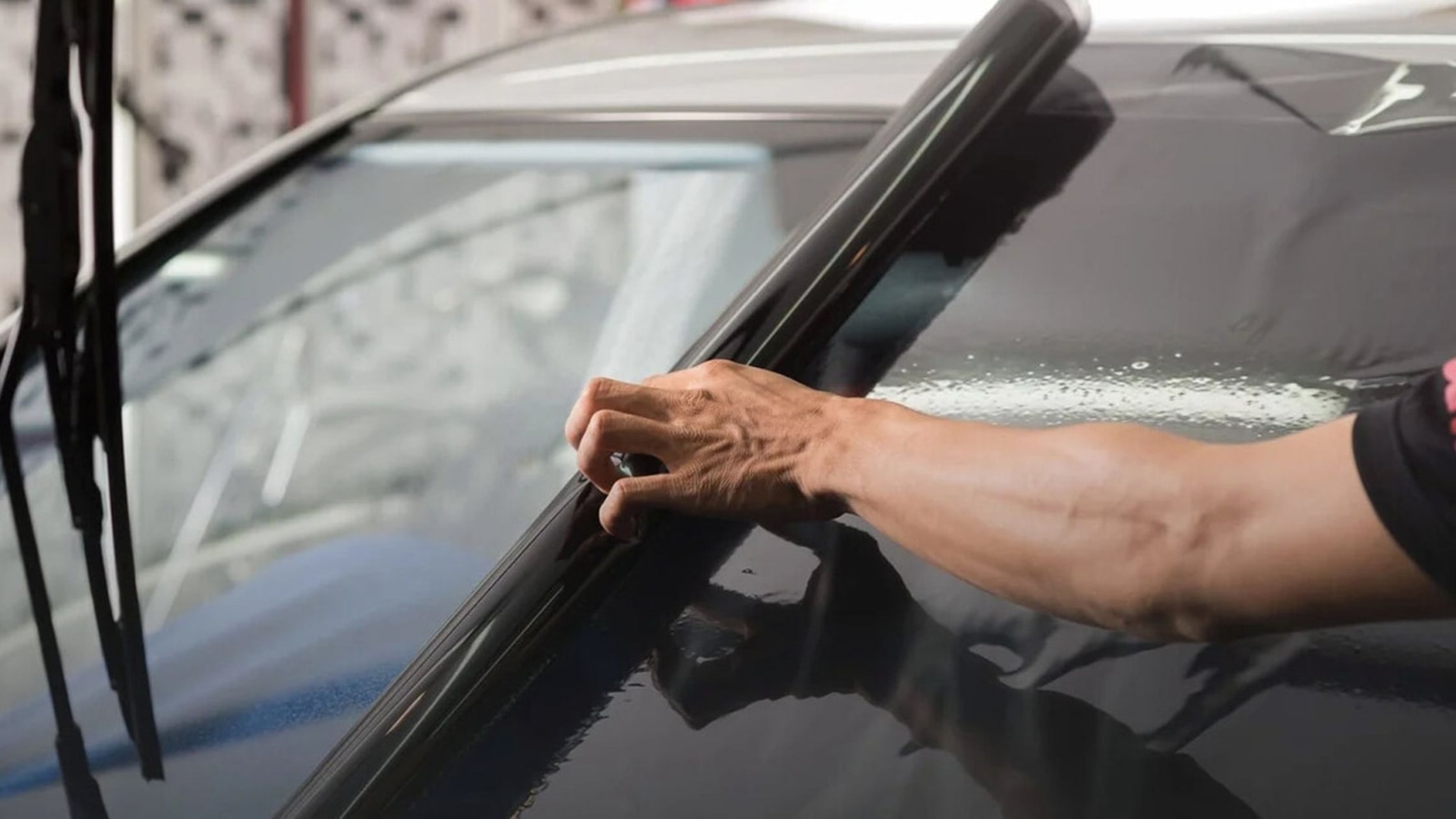
Yes, ceramic window tint is significantly more effective than traditional dyed or metallic films due to its advanced material composition. Unlike dyed films, which simply darken the glass and eventually fade or turn purple, ceramic film is infused with non-conductive, non-metallic ceramic particles. These particles are microscopic enough to maintain perfect clarity while being dense enough to block the majority of the sun's solar energy. This results in a film that does not interfere with electronic signals, a common issue with older metallic films—and provides far superior heat rejection even in lighter shades.
When you invest in window tinting in Little Rock, you are getting a product that is specifically engineered for high-heat environments. Ceramic films offer a much higher Total Solar Energy Rejection (TSER) rating, which is the industry standard for measuring how well a film protects against the entire solar spectrum. For residents who frequently park near the William J. Clinton Library or commute across the I-430 bridge, the difference in cabin temperature is not just noticeable; it is transformative.
What are the specific ceramic window tint benefits for Arkansas drivers?
The primary advantage of ceramic film is its ability to filter out the invisible infrared rays that cause the "burning" sensation on your skin when driving. In a region where the heat index regularly exceeds 100 degrees, these benefits provide both immediate comfort and long-term financial savings.
- Maximum Infrared Rejection: Ceramic films can block up to 99% of infrared radiation, which is the primary source of heat inside a vehicle.
- No Signal Interference: Because the film contains no metal, it won't disrupt your GPS, Bluetooth, or mobile data signals while navigating through the River Market District.
- Enhanced Visual Clarity: Unlike cheap films that can appear "hazy," ceramic tint offers a crystal-clear view of the road, even at night or during heavy rain.
- Shatter Protection: The multi-layered construction helps hold glass fragments together in the event of an accident on busy routes like Chenal Parkway.
Protecting your vehicle with the best materials available is a decision that pays for itself over time. If you are ready to upgrade your driving experience, you can contact us to schedule an appointment with our team, which currently holds 347 5-star Google reviews.
How does premium car tint film protect your interior?
The sun in Arkansas doesn't just make your car hot; it actively destroys your interior materials through a process called photodegradation. UV rays and high heat combine to break down the chemical bonds in leather, vinyl, and plastics, leading to unsightly cracks and permanent fading.
Preventing Dashboard Cracking
Your dashboard is the most exposed surface in your vehicle. Without premium car tint film, the plastic can reach temperatures exceeding 180 degrees Fahrenheit. Over time, this heat causes the materials to dry out and split. A high-quality ceramic installation keeps these surface temperatures significantly lower, preserving the structural integrity of your dash and preventing expensive repairs or replacements.
Preserving Upholstery Color
Whether you have luxury leather seats or durable fabric, UV exposure will eventually bleach the pigments out of your upholstery. Ceramic films block 99.9% of UV-A and UV-B rays, acting as a permanent sunscreen for your car's interior. This is particularly important for residents in neighborhoods like Hillcrest or The Heights, where many high-end vehicles are parked outdoors.
Why is infrared-blocking window tint essential for fuel economy?
An often-overlooked benefit of high-performance film is the direct impact it has on your vehicle's efficiency. When your car is equipped with infrared-blocking window tint, the air conditioning system doesn't have to work nearly as hard to maintain a set temperature.
The AC compressor is one of the biggest drains on an internal combustion engine's fuel supply and a major factor in reducing the range of electric vehicles (EVs). By keeping the cabin naturally cooler, you can run your fan at a lower speed and keep your thermostat at a more moderate setting. Over a typical Little Rock summer, these small savings in fuel or battery life add up, making the initial investment in ceramic film even more cost-effective.
How does ceramic tint improve safety and glare reduction?
Safety is a paramount concern for any driver, and window tint plays a larger role than most people realize. Glare from the sun—especially when it's low in the sky or reflecting off the Arkansas River—can be blinding and lead to dangerous driving conditions.
- Eye Fatigue Reduction: By filtering out harsh light, ceramic tint reduces the strain on your eyes during long commutes on I-630.
- Headlight Glare: High-quality films also help soften the glare from oncoming high-beam headlights at night.
- Clear Night Vision: Unlike low-quality dyed films that can make it hard to see, ceramic technology maintains high visible light transmission (VLT) for a safer night driving experience.
Investing in high-performance materials ensures you don't have to choose between heat protection and visibility. Our team focuses on providing solutions that meet Arkansas legal standards while maximizing your safety on the road.
Is ceramic window tinting worth the extra cost?
While the initial price point for ceramic film is higher than dyed or carbon options, the long-term value is significantly greater. Cheaper films are prone to bubbling, peeling, and color shifting within a few years, often requiring a costly removal and re-installation.
Lifetime Durability
Ceramic films are incredibly stable. They do not contain dyes that can break down or metals that can corrode. Most professional ceramic installations come with a lifetime warranty against fading or bubbling. This means you only have to pay for the tint once, rather than replacing a cheaper film every two or three summers.
Resale Value
A vehicle that has been protected with window tinting in Little Rock since its purchase will invariably have a better-looking interior than one left exposed to the elements. Potential buyers in the used car market recognize the value of a car that hasn't suffered from sun-damaged leather or a warped dashboard.
Local Factors: Why Little Rock Climate Demands Ceramic
The geography of the Arkansas River Valley creates a pocket of humidity and heat that can be stifling. In urban centers like Midtown or the Little Rock Port Industrial District, the "heat island" effect means the pavement holds onto heat long after the sun goes down.
When you're stuck in stop-and-go traffic on Rodney Parham Road, you are surrounded by asphalt that is radiating heat upward, while the sun is beating down from above. Standard window films simply cannot keep up with this level of thermal energy. Ceramic window tint benefits become obvious the moment you step into your car after it has been sitting in a parking lot near War Memorial Stadium. Instead of being met by a blast of scorching air, the cabin remains at a much more manageable temperature.
Common Myths About High-End Window Tint
Despite its popularity, several myths still circulate about what window tint can and cannot do. Clearing up these misconceptions helps you make a better choice for your vehicle.
Myth 1: Tint Must Be Dark to Block Heat
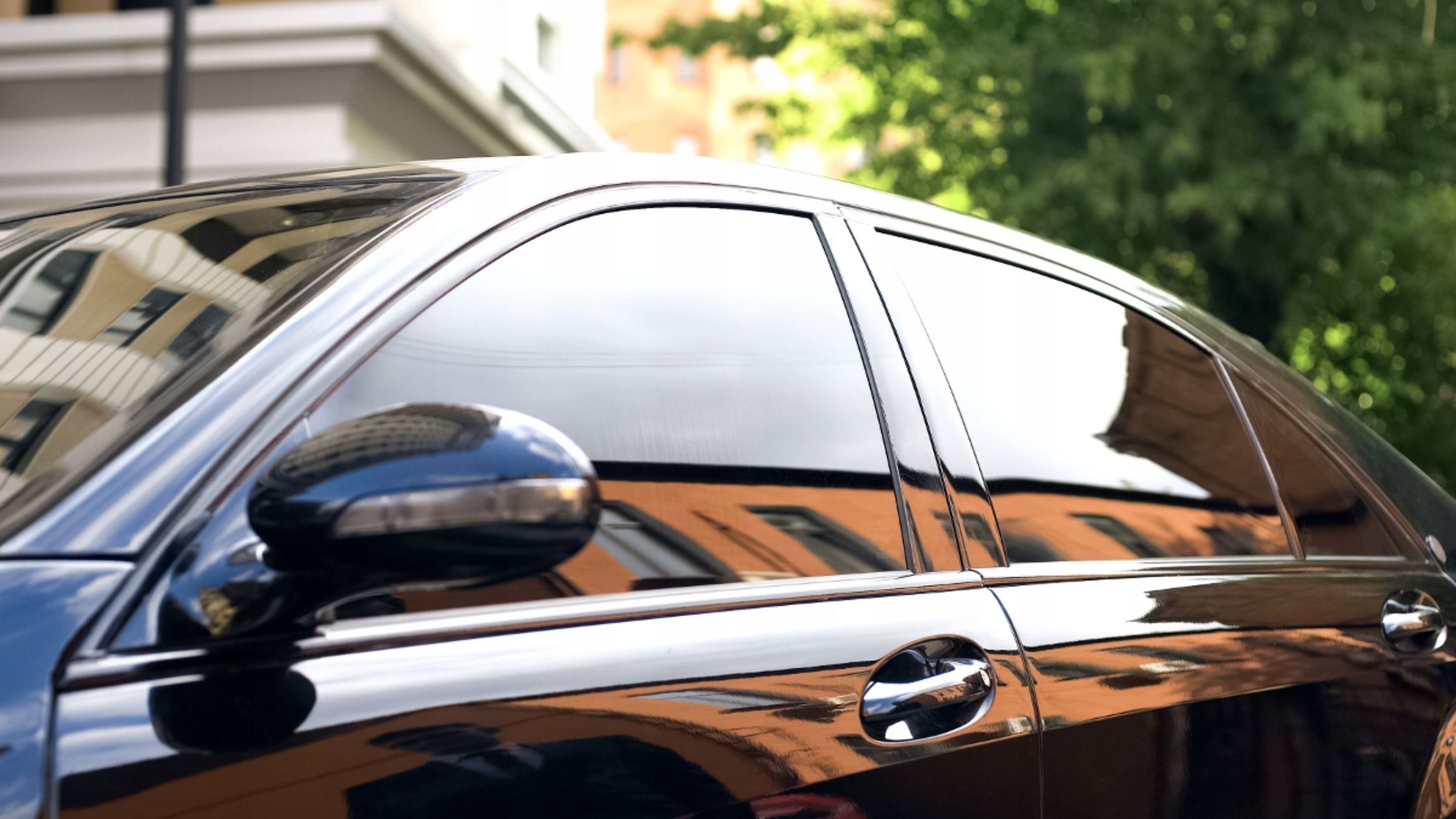
This is perhaps the most common misconception. With ceramic technology, you can get a film that is nearly clear but still blocks more heat than the darkest cheap dyed film. This is ideal for drivers who want protection without the "blacked-out" look.
Myth 2: Window Tint Is Illegal in Arkansas
Window tint is perfectly legal in Arkansas as long as you adhere to the visible light transmission (VLT) limits. For sedans, you can have up to 25% VLT on all windows. For SUVs, you can have 25% on the front two windows and any darkness on the rear.
Myth 3: Tint Is Only for Aesthetics
While tint does make a car look better, its primary function in a climate like ours is thermal management and UV protection. It is a functional safety and maintenance upgrade, not just a cosmetic one.
Frequently Asked Questions (People Also Ask)
How much does ceramic window tinting cost in Little Rock?
The price of ceramic window tinting typically ranges from $400 to $800 for a full vehicle, depending on the size of the car and the specific film series chosen. While this is higher than the $200 you might pay for basic film, the superior heat rejection and lifetime warranty make it a much better long-term value for local drivers.
Does ceramic tint really make a difference in heat?
Yes, the difference is measurable and immediate. Ceramic films utilize nano-ceramic technology to block infrared light, which is the main source of solar heat. Most drivers report that their car feels 20 to 30 degrees cooler after switching to a high-quality ceramic film.
Is ceramic tint hard to see through at night?
Quite the opposite. One of the major ceramic window tint benefits is its superior clarity. Because the film doesn't rely on heavy dyes to block heat, it provides a much sharper and more natural view of the road than traditional films, even in low-light conditions.
Can ceramic tint be applied to a windshield?
Yes, many drivers in Central Arkansas opt for a very light (nearly clear) ceramic film on their full windshield. This is one of the most effective ways to reduce dashboard heat and glare without violating VLT laws, as it stays within the legal limits for safety.
How long does it take for window tint to dry in Little Rock?
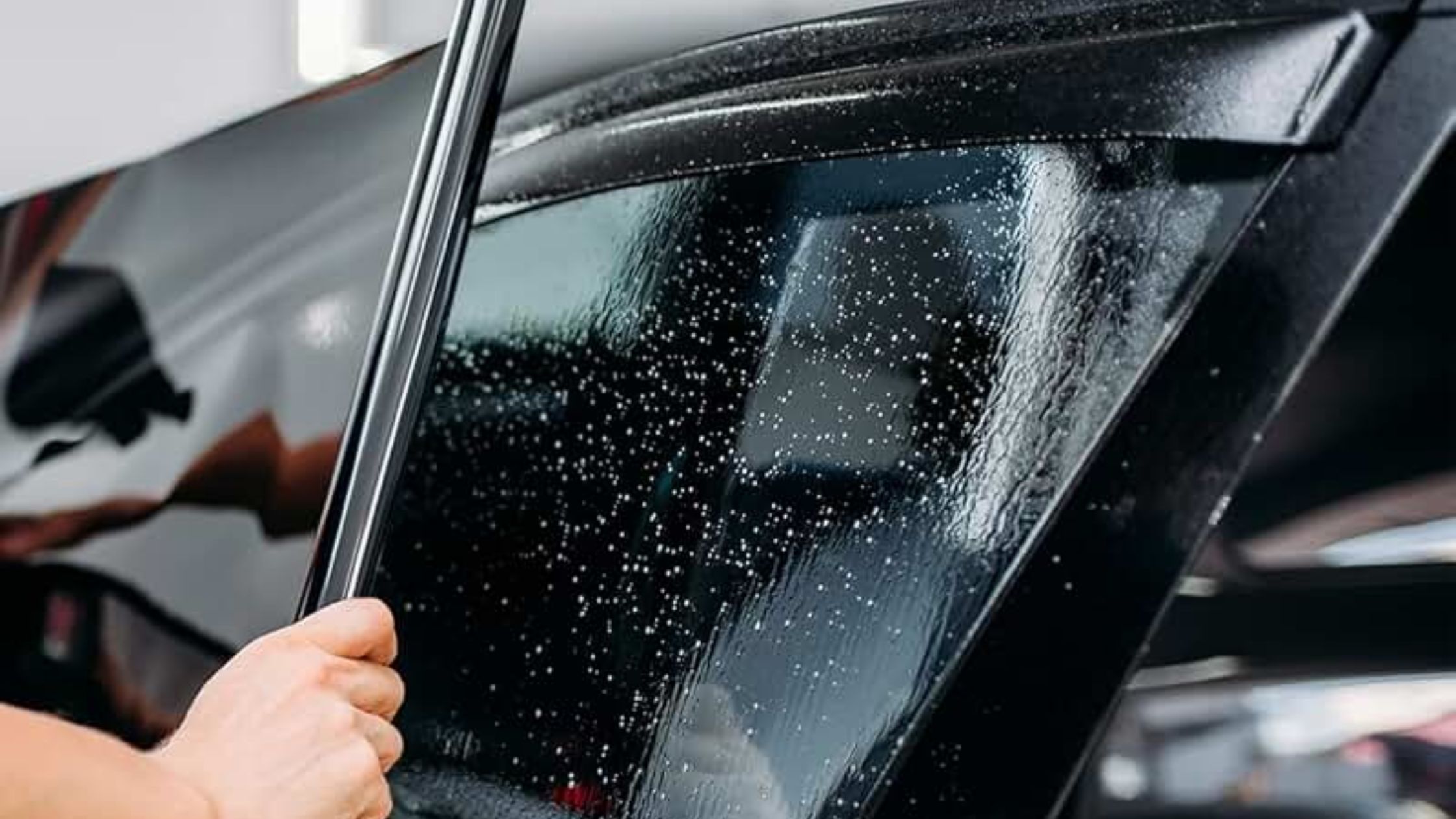
Due to our local humidity, it typically takes 3 to 5 days for the moisture used during installation to fully evaporate. During this "curing" period, you may see small water bubbles or a slight haziness, which is perfectly normal and will disappear as the adhesive bonds to the glass.
Conclusion
Choosing the right protection for your vehicle is about more than just looks; it is about ensuring comfort and longevity in one of the most demanding climates in the country. By opting for window tinting in Little Rock, specifically with ceramic technology, you are providing your car with the highest level of defense against heat, UV damage, and glare. The benefits of improved fuel efficiency, interior preservation, and enhanced safety make it an investment that truly pays for itself.
When you are ready to experience the gold standard of automotive protection, Extreme Clean Auto Studio is the solution you’ve been looking for. As a trusted local service provider with a perfect 5-star rating and 347 Google reviews, we pride ourselves on delivering expert craftsmanship and using only the highest-quality premium car tint film. Our team is dedicated to helping you stay cool and protected on the road, providing a service that Little Rock drivers have trusted for years.
Get a quote
What happens next?
Fill out all the info and we will contact you via email within 24 hours or feel free to call or text.
BY APPOINTMENT ONLYSat: Closed
Sun: Closed

.jpg)
.jpg)
.jpg)
.jpg)