Can Paint Protection Film Self-Heal Deep Scratches or Only Light Surface Marks?

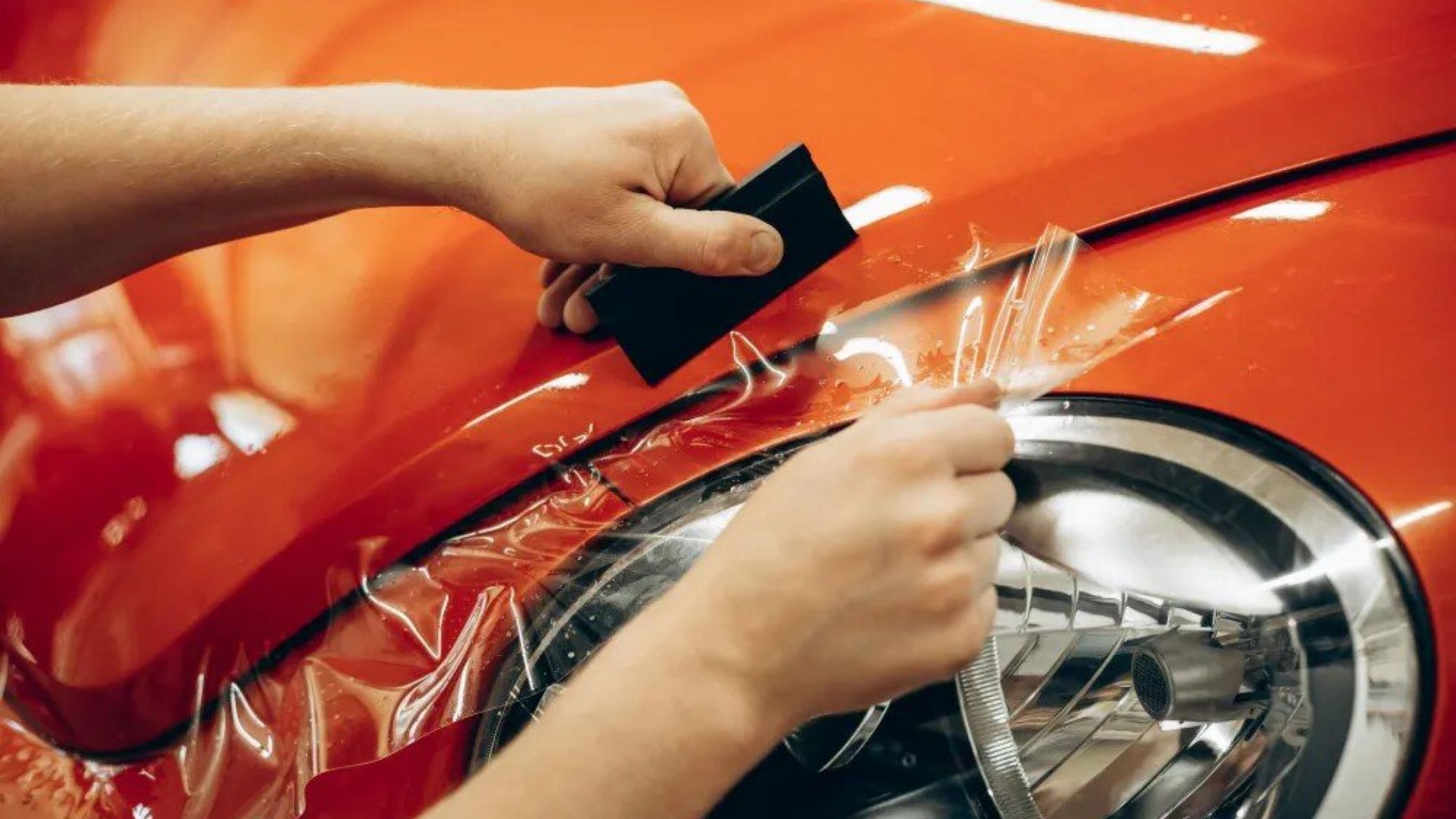
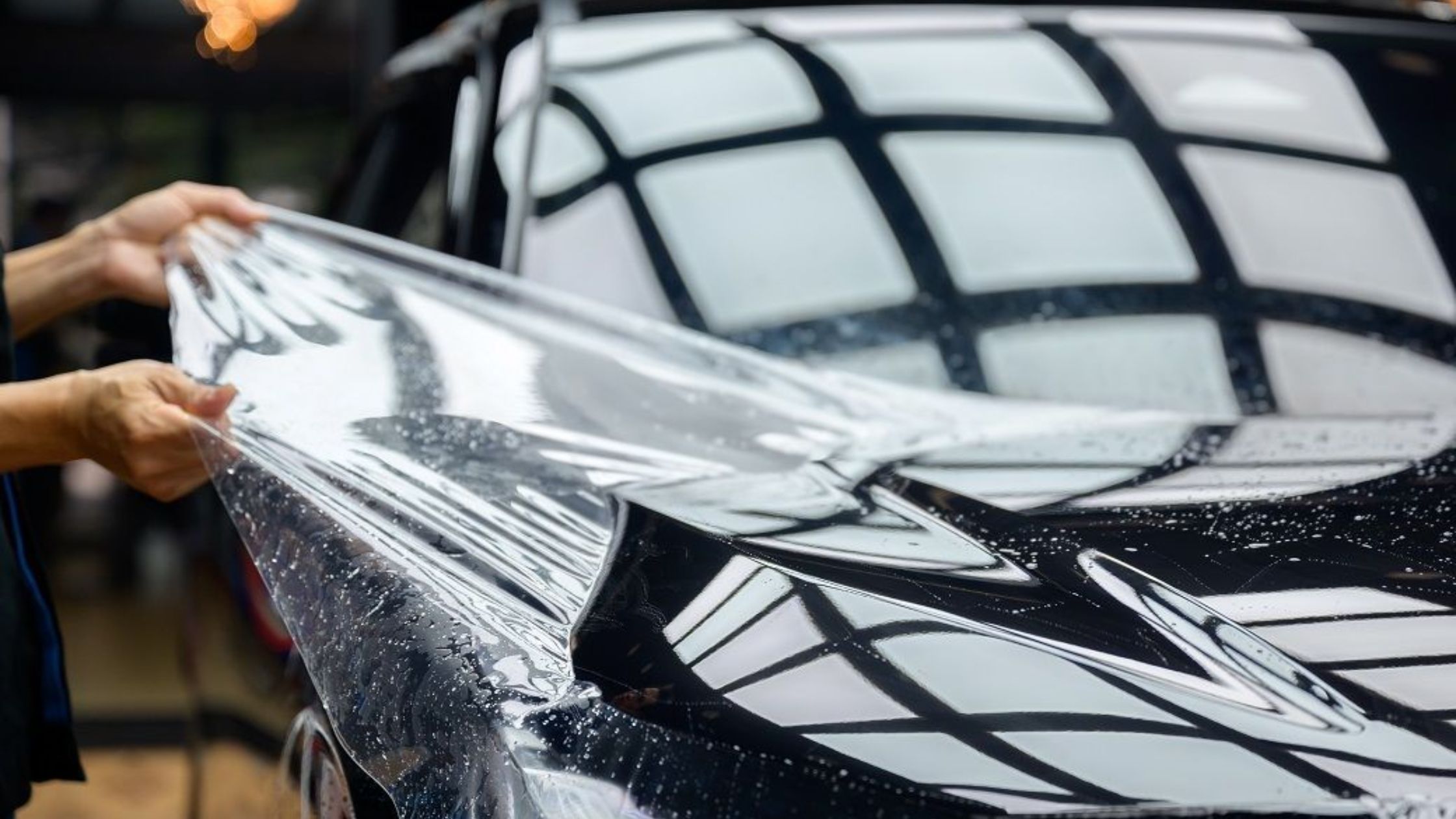
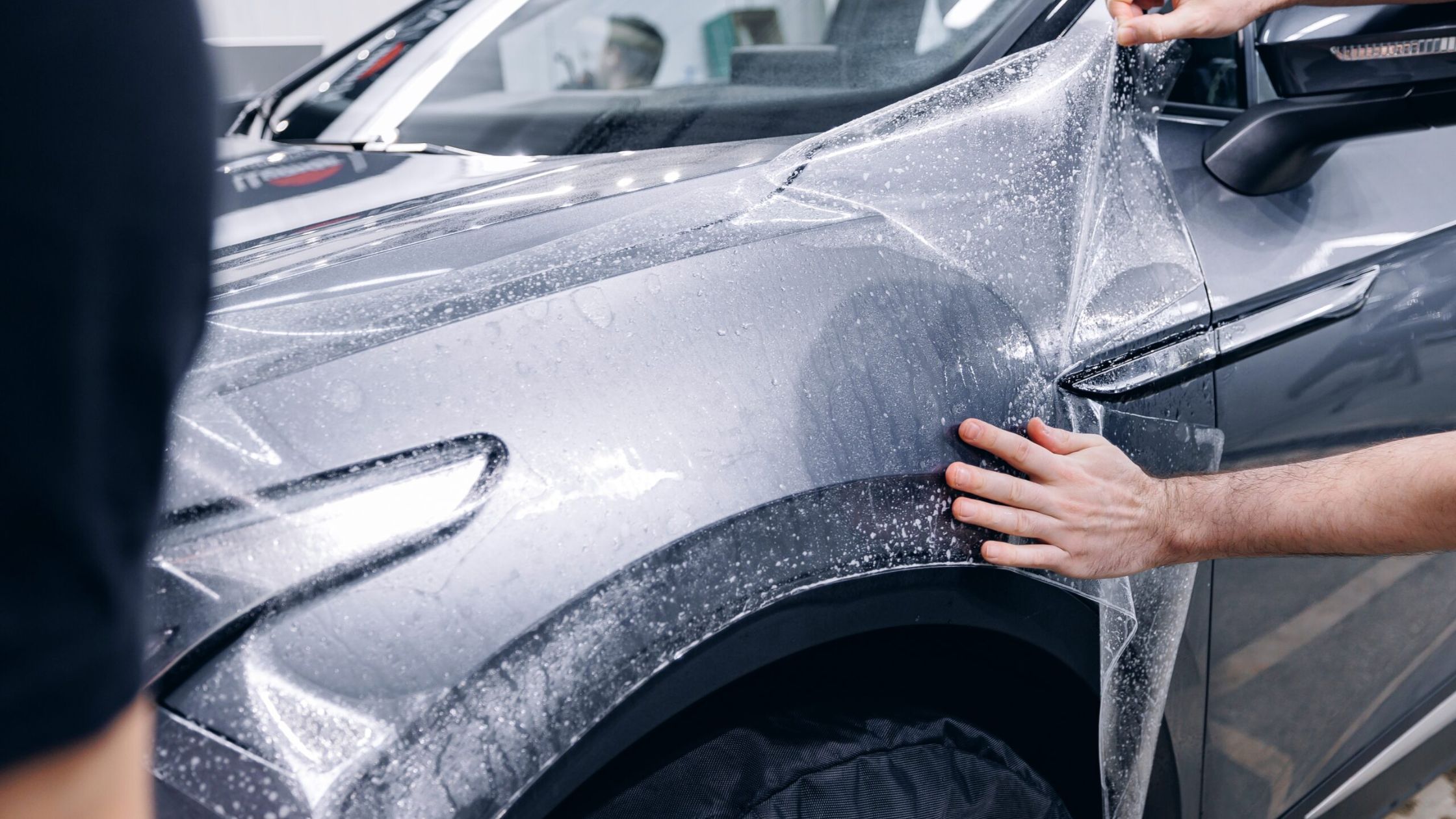
Paint protection film can self-heal many light surface marks, but deep scratches, cuts, and punctures usually remain because they extend beyond the recoverable top layer. Professional Paint protection film service uses self-healing film as a sacrificial barrier, allowing minor damage to affect replaceable PPF before it reaches the original vehicle finish.
The easiest way to understand self-healing is to look at scratch depth. Light surface marring can recover because the material remains intact, while a deep cut physically damages the structure of the film.
Can Self-Healing PPF Repair Deep Scratches?
No. Self-healing works mainly on shallow marks within the flexible top surface of the film.
Deep damage may extend into:
- The top coat
- The main polyurethane layer
- The adhesive
- The vehicle's clear coat or paint
Once the material has been physically cut, heat cannot recreate the missing polyurethane.
What Types of Scratches Can Paint Protection Film in Little Rock Self-Heal?
Quality paint protection film in Little Rock can reduce the appearance of fine scratches that remain within the recoverable upper surface.
Examples include:
- Fine wash marks
- Light swirl marks
- Towel marring
- Minor scuffs
- Shallow abrasions
These marks disturb the film without cutting completely through it.
How Can You Tell if a PPF Scratch Is Too Deep?
A deeper scratch usually remains visible after normal self-healing conditions.
Warning signs include:
- A defined groove
- White-looking damage
- Torn material
- Raised film around the scratch
- Visible paint underneath
- A mark that remains after the film becomes warm
Do not keep applying more heat to a scratch that clearly will not recover.
What Happens if a Scratch Goes Through the PPF?
Several outcomes are possible depending on the force of the impact.
The damage may involve:
- PPF scratched but paint untouched
- PPF deeply cut while the paint remains protected
- PPF punctured with clear-coat damage underneath
- Film and paint both damaged
A damaged piece of PPF does not automatically mean the protection failed. The film may have absorbed enough impact to reduce the severity of the damage underneath.
Does Deep PPF Damage Mean the Entire Panel Is Unprotected?
No. An isolated deep scratch does not eliminate protection across the entire panel.
However, the specific damaged area can become vulnerable when the film has been:
- Cut open
- Torn
- Punctured
- Lifted around the scratch
That area may allow water and contamination to reach underneath the film.
Can a Deep Scratch Be Polished Out of PPF?
Usually not. Polishing cannot replace polyurethane that has been physically removed.
Aggressive polishing may instead:
- Thin the film
- Damage the top coat
- Create optical distortion
- Alter surface gloss
Polishing may help certain superficial marks, but a deep cut requires a different solution.
Can Heat Repair a Deep PPF Scratch?
No. Heat activates the flexible top layer, but it cannot reconnect torn film or rebuild missing material.
If normal warmth does not improve the scratch, repeatedly applying more heat is unlikely to help and may create additional damage.
Can Ceramic Coating Fill a Deep Scratch?
No. Ceramic coating is far too thin to reconstruct damaged PPF.
It can improve:
- Water repellency
- Slickness
- Contamination resistance
It cannot physically fill a cut or puncture.
When Should Scratched PPF Be Replaced?
Replacement should be considered when the film has suffered structural damage.
Examples include:
- Deep cuts
- Punctures
- Tears
- Large gouges
- Exposed paint
- Lifting around the damage
Minor surface marks that remain within the self-healing layer do not normally require replacement.
Can One Damaged PPF Section Be Replaced?
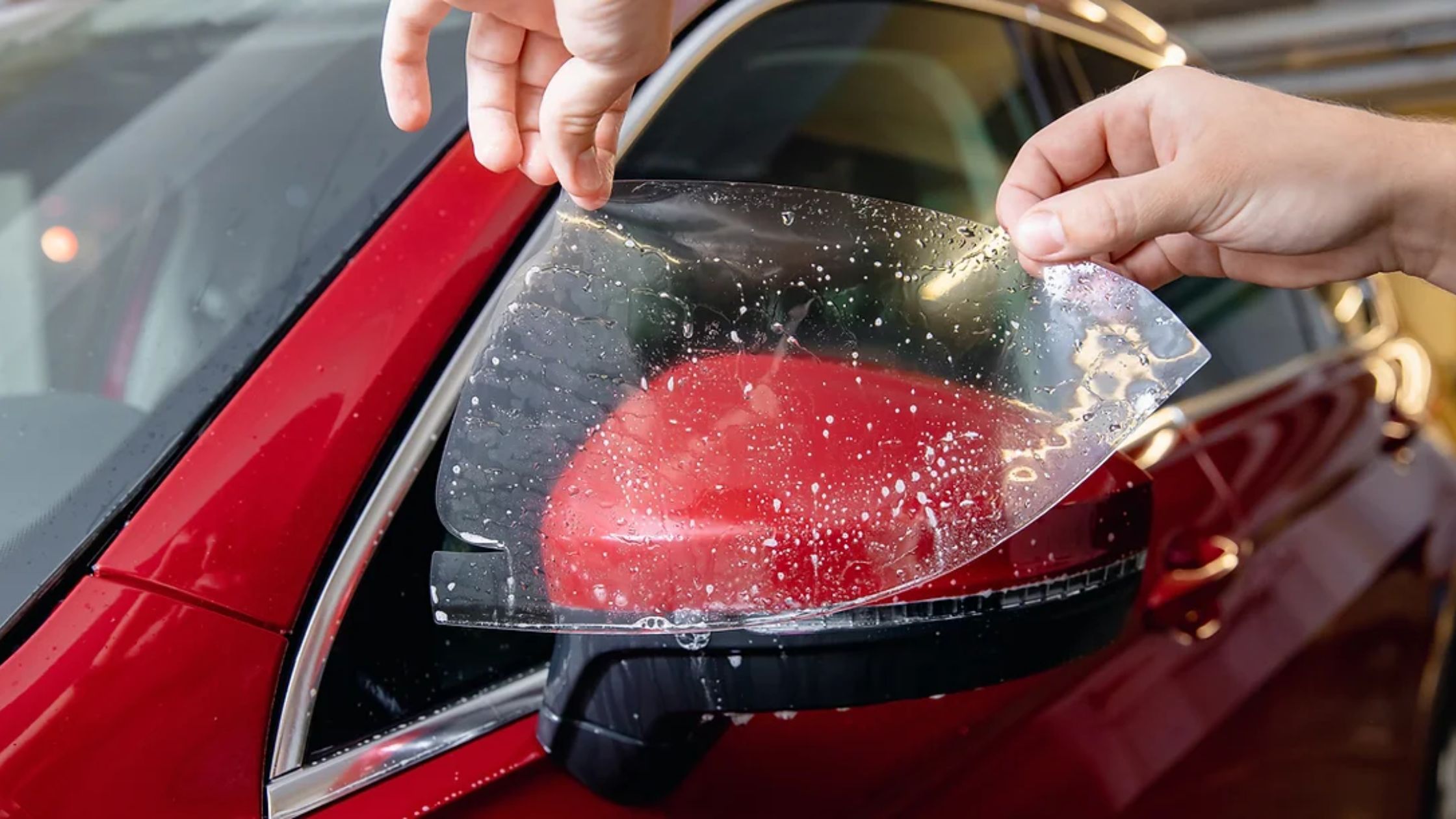
Yes. Because PPF is installed by panels and coverage sections, a damaged area can often be replaced without removing healthy film from the rest of the vehicle.
Common individual replacement areas include:
- Front bumper
- Fender
- Door
- Hood
- Mirror
This is one of the advantages of using film as a sacrificial protective layer.
Can a Rock Still Chip Paint Through PPF?
Yes. No paint protection film can guarantee that every possible impact will leave the paint untouched.
Damage depends on factors such as:
- Rock size
- Vehicle speed
- Impact angle
- Film thickness
- Location of impact
PPF reduces the risk and severity of damage, but it does not make the paint invincible.
Why Do Some Deep PPF Scratches Look White?
A deep scratch can physically disturb the polyurethane, changing how light travels through the transparent film. This can create a white or cloudy appearance along the damaged section.
A persistent white line is more concerning than a faint surface swirl because it may indicate that the film has been physically gouged.
Can Dirt Enter a Deep PPF Scratch?
Yes. If a cut opens the film, dirt, moisture, road grime, and cleaning residue can collect in the damaged area.
Avoid aggressive scrubbing because it can enlarge the opening. A clearly cut or punctured section should be inspected.
Does Self-Healing Eliminate the Need for Safe Washing?
No. Paint protection film for surface marks provides additional resilience, but proper washing still helps preserve the film.
Good habits include:
- Use clean wash mitts
- Use sufficient lubrication
- Dry with soft microfiber towels
- Avoid harsh brushes
- Use PPF-safe chemicals
Self-healing should be treated as an extra protective feature, not permission for aggressive maintenance.
Why Is Self-Healing PPF Better Than Leaving Paint Exposed?
PPF gives everyday scratches a replaceable surface to affect first. The original clear coat remains underneath rather than receiving every wash mark and abrasion directly.
That matters because a clear coat is finite. Paint correction removes a microscopic amount of it, while self-healing PPF can allow some superficial damage to improve without polishing the factory finish.
For vehicles using paint protection film in Little Rock, this sacrificial barrier can help preserve more of the original paint through normal ownership.
FAQs About Deep PPF Scratches
Can a fingernail test show whether a PPF scratch is deep?
It may provide a rough clue, but dragging a fingernail over the film can worsen damage. Visual inspection is safer.
Does a small cut affect the film warranty?
Warranty coverage depends on the cause. Physical damage from road debris is different from a covered manufacturing defect.
Can scratched PPF still provide UV protection?
An isolated scratch does not eliminate protection across the entire panel, although protection at a fully penetrated cut may be compromised.
Should damaged PPF be replaced before selling a vehicle?
Not necessarily. Light cosmetic marks may be acceptable, while heavily damaged sections can be replaced if presentation is important.
Can replacement PPF be installed after body repair?
Yes. Once bodywork is complete and any new paint has properly cured, replacement film can be applied to the repaired section.
Self-Healing Has a Clear Limit
Self-healing PPF is designed for fine scratches, swirl marks, and superficial abrasions. Deep cuts and punctures damage the film structure itself and usually require inspection or replacement rather than additional heat.
For professional paint protection film in Little Rock, Extreme Clean Mobile Detailing installs self-healing SunTek PPF designed to protect against everyday road damage while allowing light surface marks to recover. Its 5 Star Google rating provides an additional trust signal for local vehicle owners. If your PPF has a scratch that will not self-heal, contact us to have the damage evaluated.
Get a quote
What happens next?
Fill out all the info and we will contact you via email within 24 hours or feel free to call or text.
BY APPOINTMENT ONLYSat: Closed
Sun: Closed