What Causes Paint Protection Film Edges to Lift or Peel?

Paint protection film edges can lift when contamination, poor surface preparation, excessive stretching, weak adhesion, or physical stress interferes with the bond between the film and the vehicle. Professional Paint protection film service reduce these risks through thorough preparation, controlled film tension, and careful edge finishing.
A small lifted edge should be addressed early. Once dirt and moisture begin collecting underneath, a simple edge issue can become more difficult to correct.
What Causes PPF Edge Lifting?
PPF edge lifting usually starts when the adhesive cannot maintain a consistent bond near the film boundary.
Common causes include:
- Dirt or dust under the edge
- Wax or sealant residue
- Excessive stretching
- Poorly cleaned panel gaps
- Physical contact
- Improper washing
- Weak edge adhesion
Some problems begin during installation, while others develop later because of maintenance or external damage.
Why Does Paint Protection Film in Little Rock Need Careful Edge Preparation?
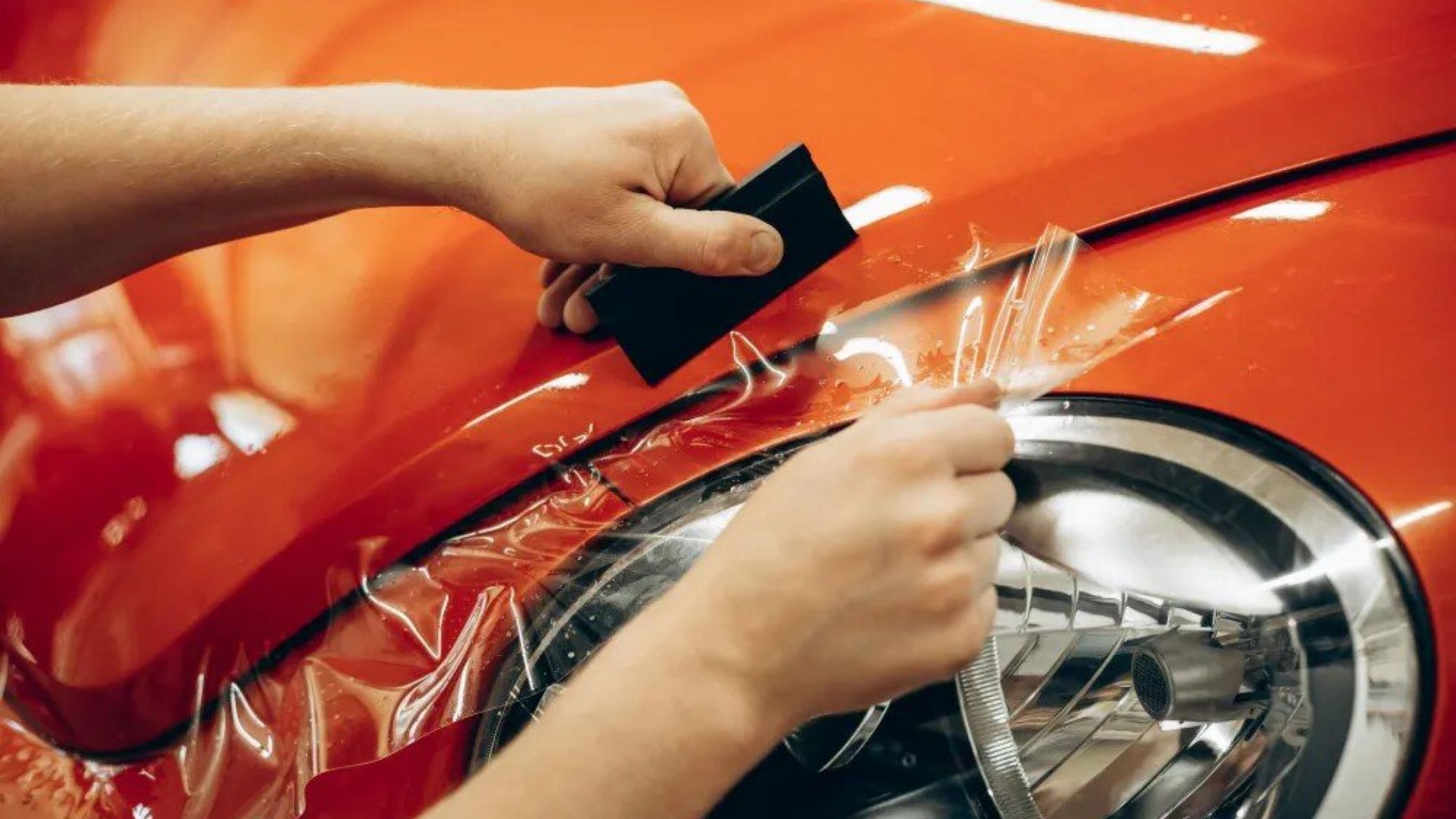
Proper paint protection film in Little Rock installation depends on clean panel edges because contaminants can interfere with the adhesive.
Problem areas often include:
- Hood edges
- Door seams
- Bumper openings
- Badges
- Trim
- Panel gaps
These locations require more detailed cleaning than the center of a flat panel.
The service also notes that badges, trim, or certain parts may be removed when appropriate to create cleaner access and a more seamless installation.
Can Poor Surface Preparation Cause PPF to Peel?
Yes. Film adhesive needs direct contact with properly prepared paint.
Residues that may interfere include:
- Wax
- Sealants
- Grease
- Polish residue
- Silicone
- Road contamination
An edge may initially appear secure but begin separating later when exposed to water, heat, and normal driving conditions.
Can Stretching PPF Too Much Cause Edge Problems?
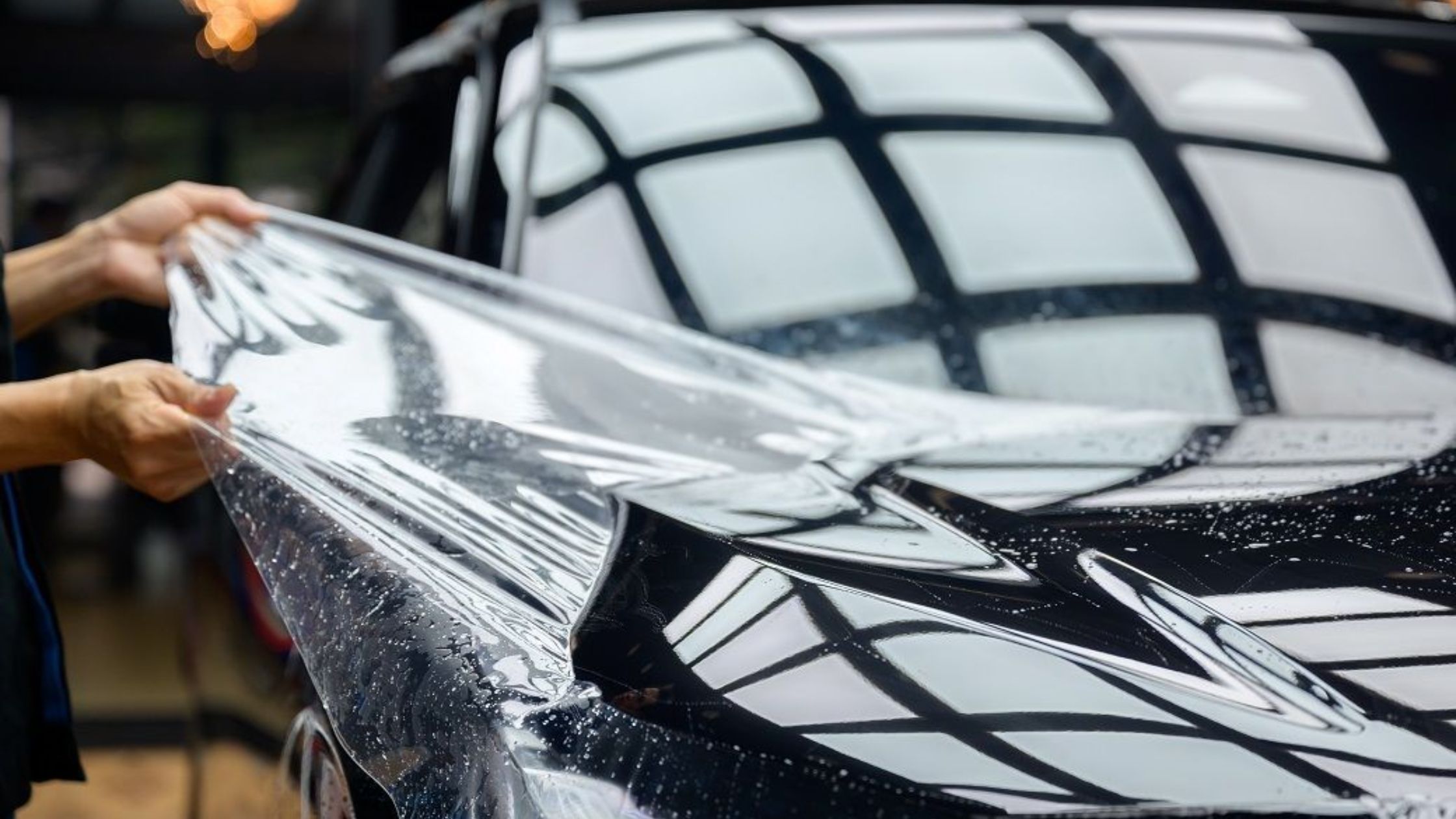
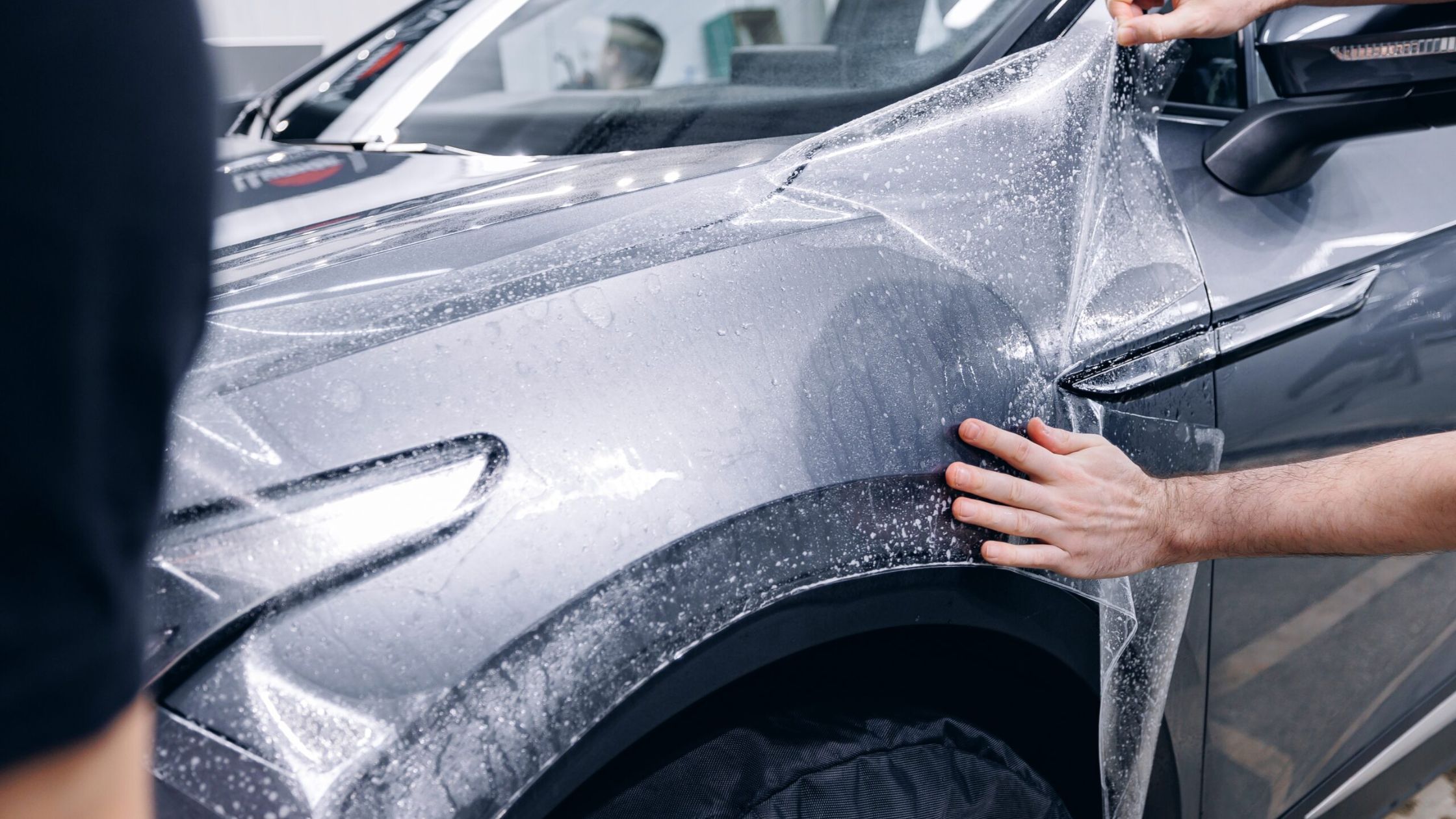
Yes. PPF must often be stretched to conform around curved surfaces, but excessive tension can cause the film to pull back toward its original shape.
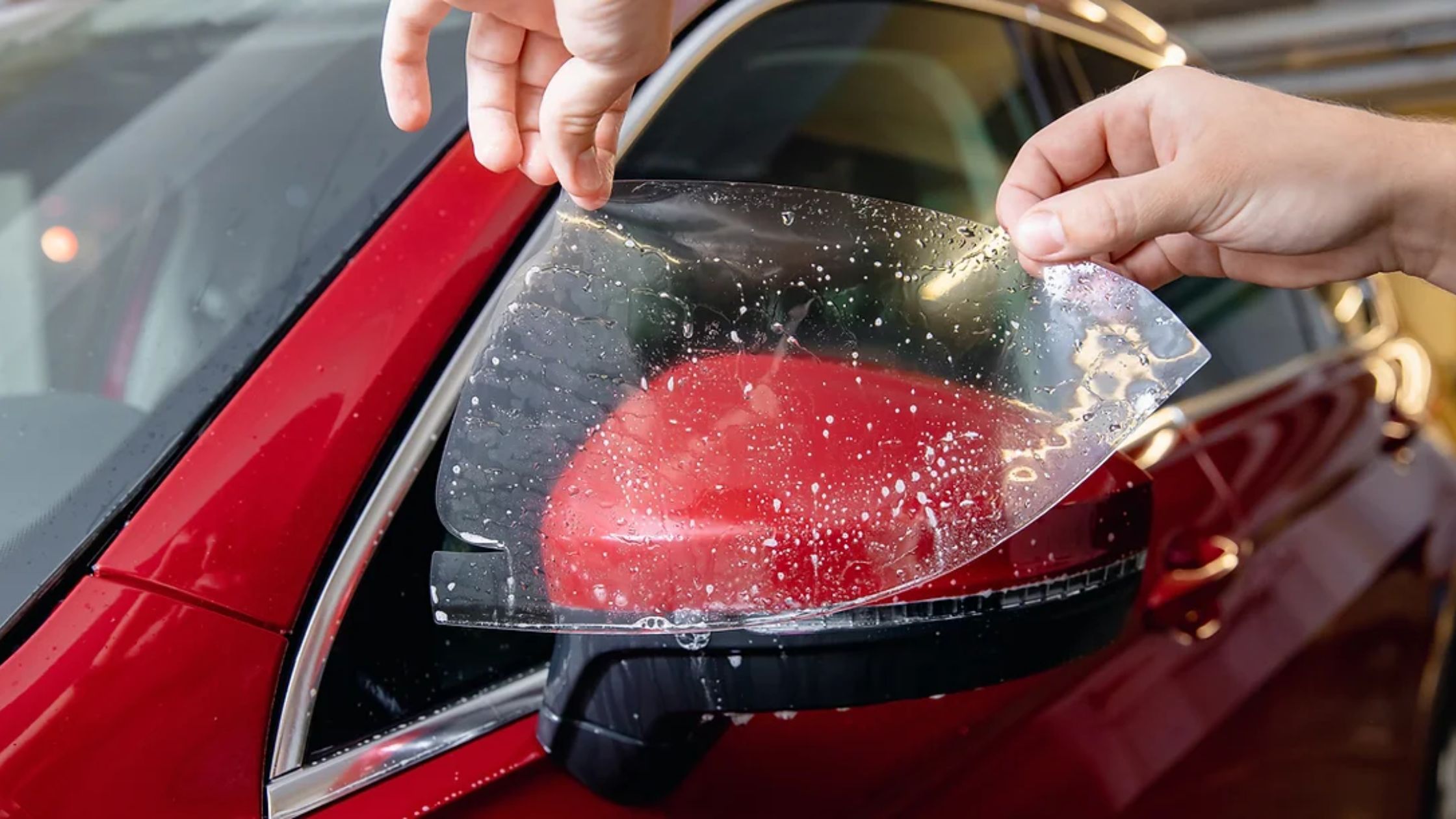
This is particularly important around complex areas such as bumpers, mirrors, corners, grilles, and deep body lines.
A good installation uses controlled tension rather than forcing the film into position.
Why Are Bumpers More Difficult to Wrap?
Bumpers contain more complex shapes than many other vehicle panels.
They may include:
- Sharp corners
- Sensors
- Air intakes
- Grilles
- Deep recesses
- Multiple curves
Each feature changes how the film needs to be positioned. Excessive tension concentrated in one area can eventually create a weak edge.
Can Washing Cause PPF to Peel?
Normal washing should not make properly installed PPF peel, but aggressive cleaning can worsen an already vulnerable edge.
Problems can arise from:
- Pressure washing directly into edges
- Automatic brushes catching the film
- Aggressive towel movement
- Picking at small lifted corners
Once water or dirt enters underneath the film, the affected area can spread.
Can a Pressure Washer Lift PPF?
Yes, particularly when the nozzle is too close or aimed directly into an exposed edge.
Safer washing means:
- Maintain reasonable distance
- Spray across the panel rather than under the edge
- Avoid damaged areas
- Do not concentrate high pressure on film boundaries
The pressure washer should clean the film without forcing water beneath it.
Why Should Fresh PPF Cure Before Washing?
Newly installed film needs time for installation moisture to dissipate and the adhesive system to stabilize.
Washing too soon can increase the risk of:
- Edge movement
- Water entering vulnerable sections
- Film displacement
- Contamination
Owners should follow the specific aftercare instructions provided for their installation.
Can Hot Weather Make PPF Lift?
Heat alone should not make properly installed quality PPF peel. However, heat can make existing installation weaknesses more noticeable.
Areas already affected by:
- Excessive tension
- Poor preparation
- Contamination
- Weak adhesion
may become more vulnerable as the film heats and expands.
What Happens When Dirt Gets Under a Lifted Edge?
The exposed adhesive begins collecting contamination, which makes clean rebonding much more difficult.
Dirt underneath the film can create:
- A visible dark edge
- Reduced adhesion
- Permanent contamination
- A larger lifted area
This is why repeatedly pressing a dirty edge back down is usually not a good solution.
Should a Lifted PPF Edge Be Glued Down?
No. Household adhesive should not be used to repair peeling PPF.
Adding unrelated glue can cause:
- Visible residue
- Paint contamination
- Uneven appearance
- Difficult future removal
A professional should determine whether the film can be corrected, trimmed, or needs replacement.
When Does Peeling PPF Need Replacement?
Replacement may be necessary when the affected section has significant physical or adhesive failure.
Common signs include:
- Large lifted areas
- Heavy contamination underneath
- Torn edges
- Permanent stretching
- Adhesive failure
- Distorted film
One damaged panel usually does not mean all PPF on the vehicle needs replacement.
Can Better Installation Reduce PPF Adhesive Problems?
Yes. Proper installation greatly reduces avoidable PPF adhesive problems.
Important steps include:
- Thoroughly clean the vehicle
- Decontaminate the paint
- Clean panel edges carefully
- Position the film correctly
- Control stretch and tension
- Remove installation solution properly
- Finish edges carefully
- Allow proper curing
Owner maintenance then helps preserve that installation over time.
FAQs About PPF Edge Lifting
Can wax build up around PPF edges?
Yes. Wax and detailing residue can accumulate near exposed edges and should be removed carefully without aggressive scrubbing.
Can PPF lift around parking sensors?
Yes. Sensor openings and other complex areas require precise installation and careful tension management.
Does cold weather make PPF peel?
Cold temperatures alone should not make properly installed premium film peel, although they can temporarily make the material less flexible.
Can a lifted edge damage the paint?
The PPF itself usually does not damage healthy paint, but trapped contamination can rub against the surface if the problem is ignored.
Can one peeling PPF section be replaced?
Yes. Individual panels or sections can often be replaced while healthy PPF remains installed elsewhere.
Good Edge Work Starts With Proper Preparation
PPF edge lifting usually relates to contamination, adhesion, excessive tension, or physical stress. Addressing a small problem early can prevent dirt and moisture from spreading farther underneath the film.
For professional paint protection film in Little Rock, Extreme Clean Mobile Detailing uses trained installers and detailed preparation methods, including removal of badges or trim where appropriate for cleaner coverage. Its 5 Star Google rating provides an additional trust signal for local drivers. If existing PPF is beginning to lift or peel, contact us to have the affected section evaluated.
Get a quote
What happens next?
Fill out all the info and we will contact you via email within 24 hours or feel free to call or text.
BY APPOINTMENT ONLYSat: Closed
Sun: Closed