How Does Self-Healing Paint Protection Film Work in Little Rock?

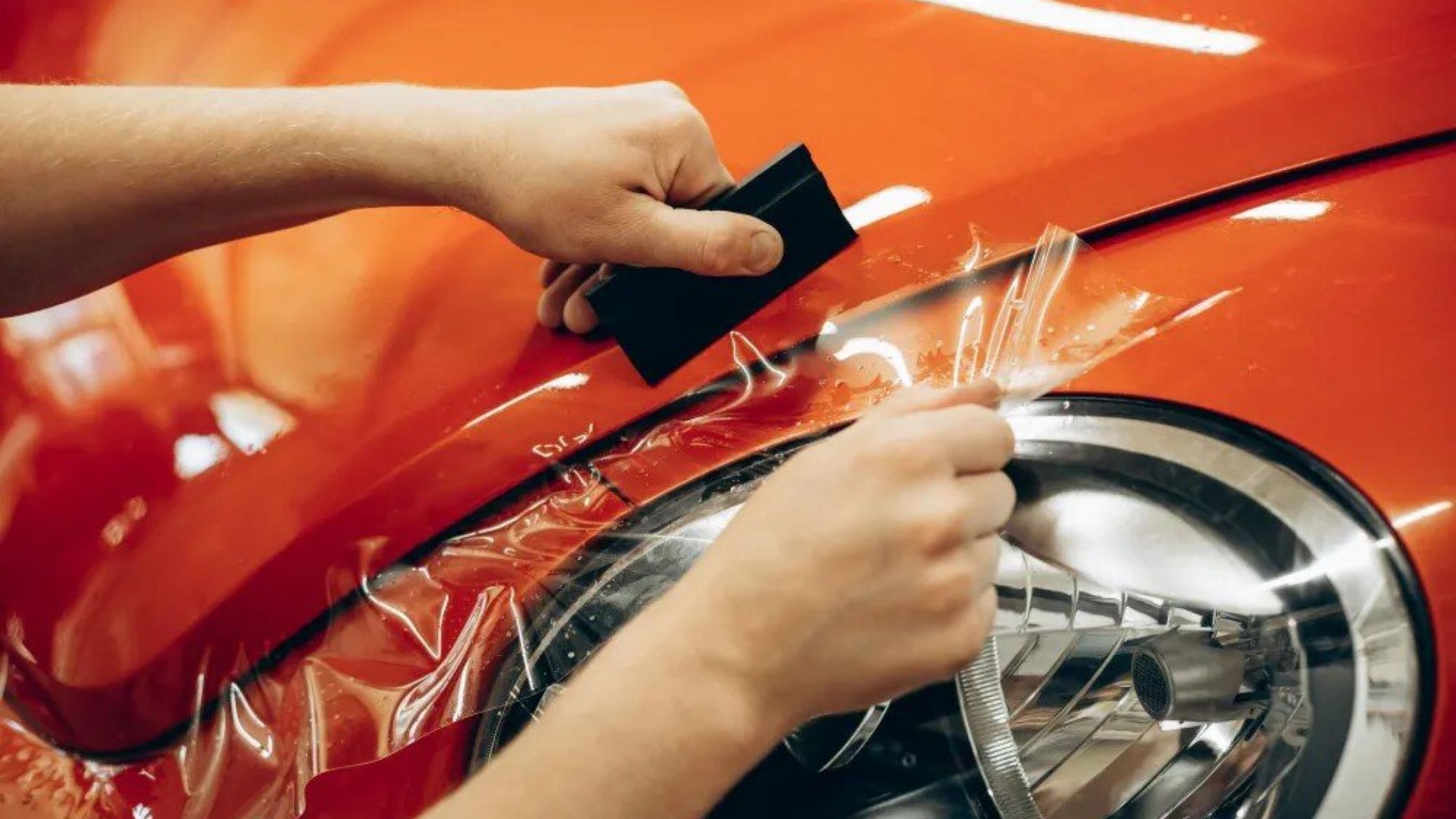
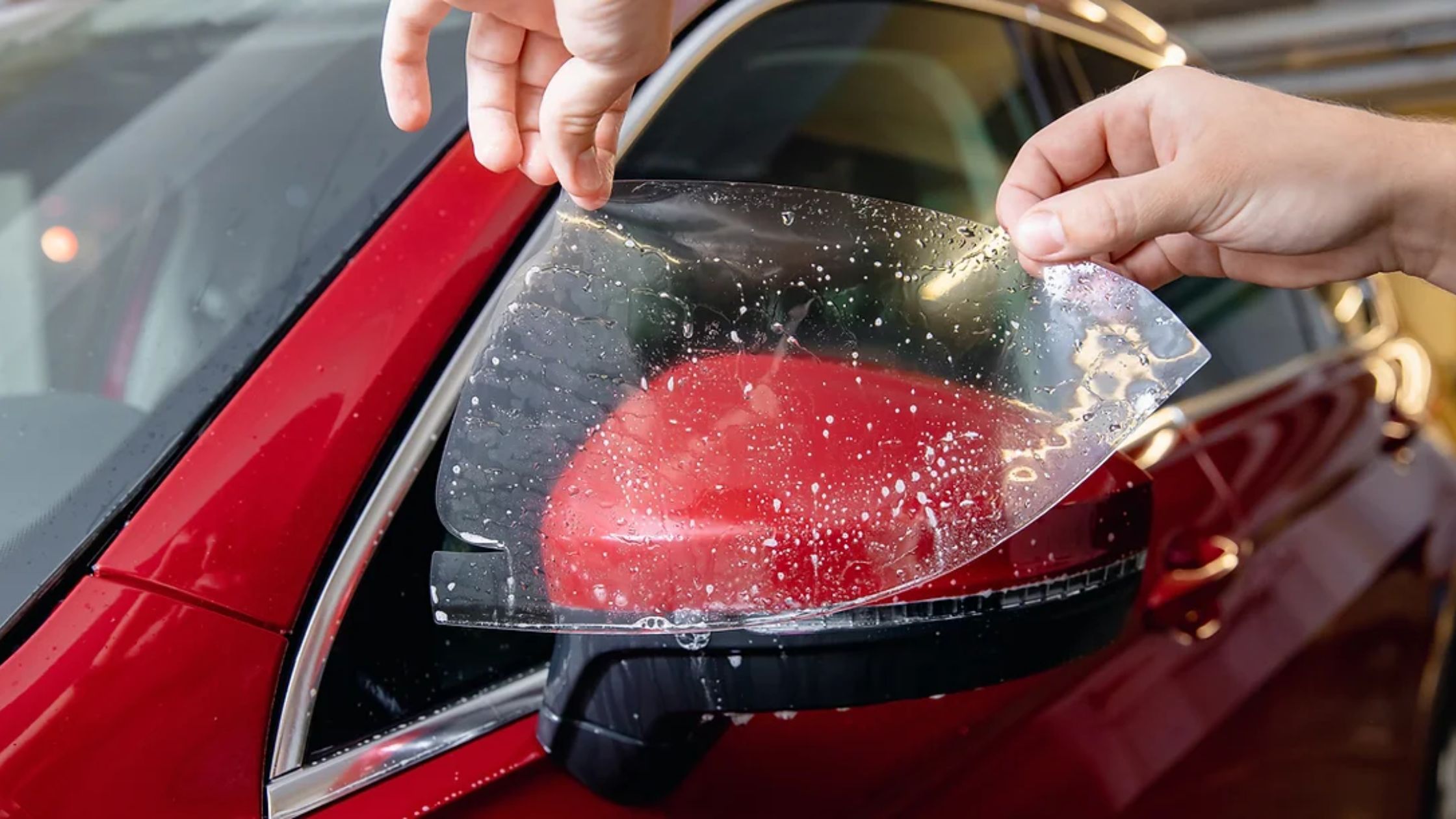
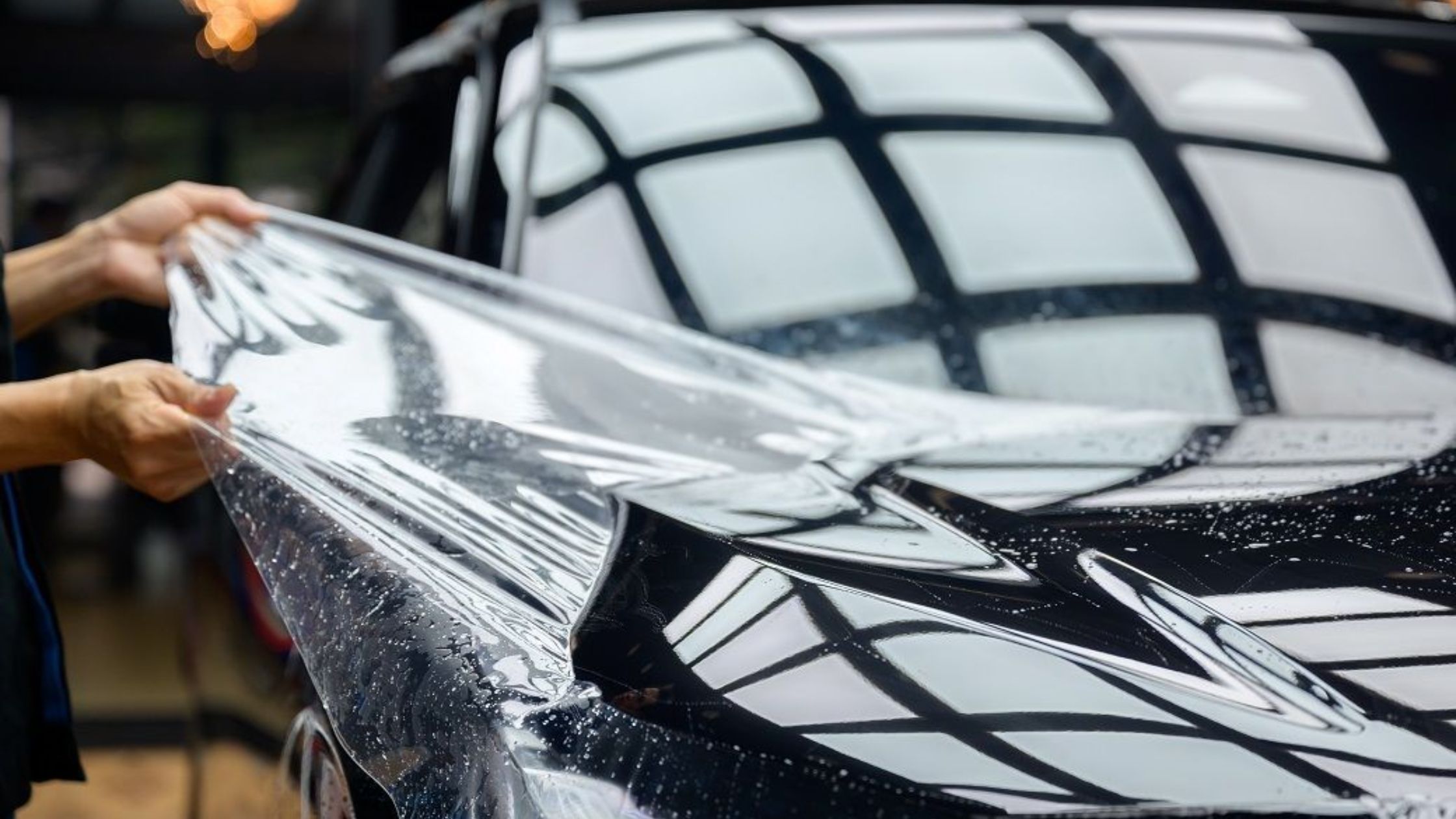
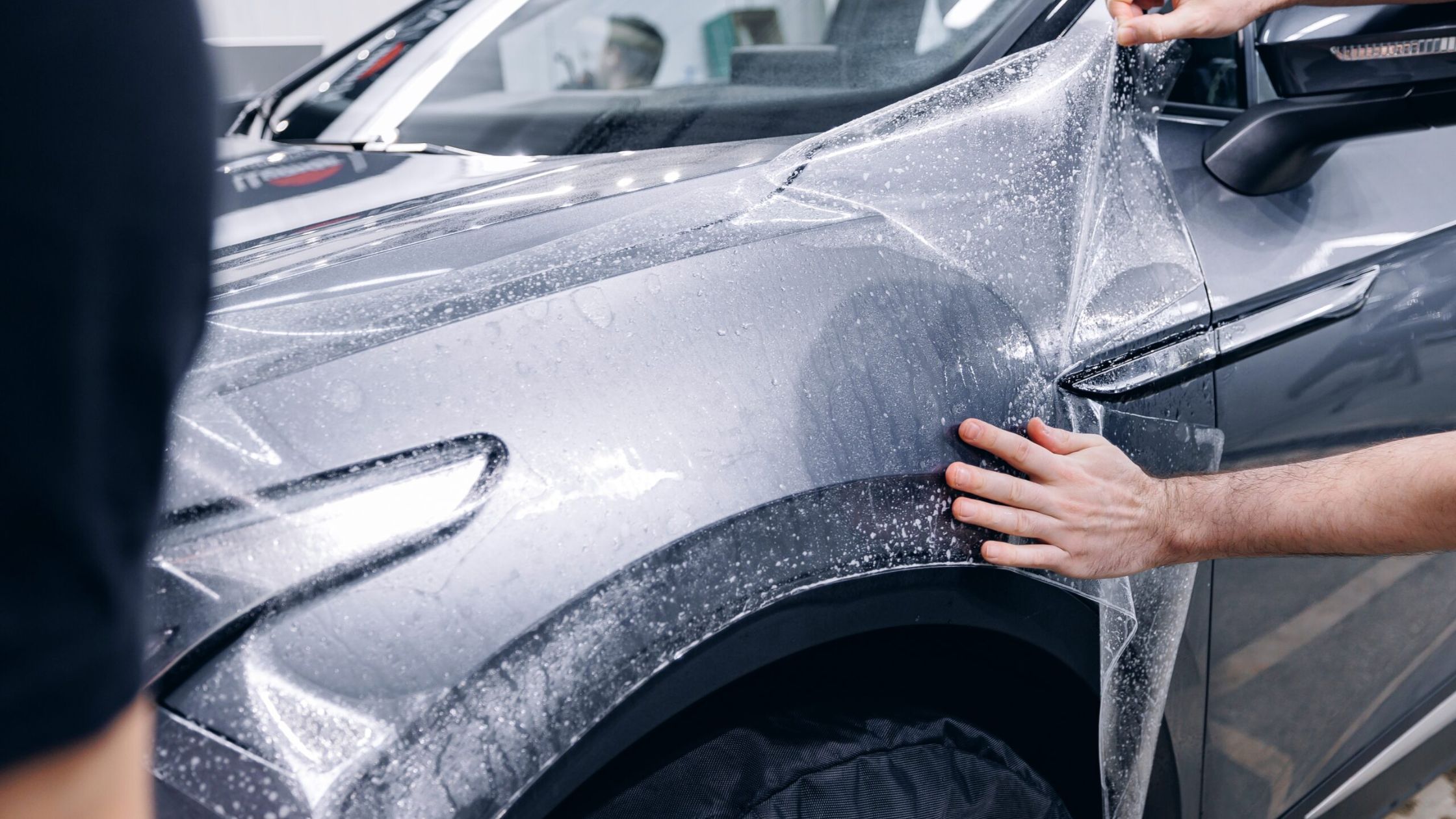
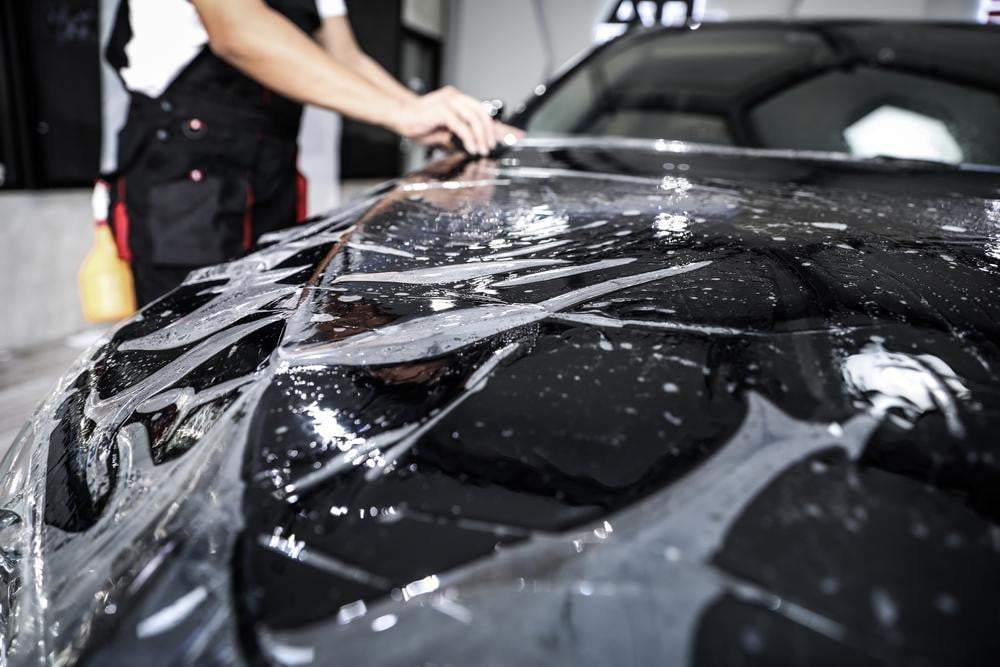
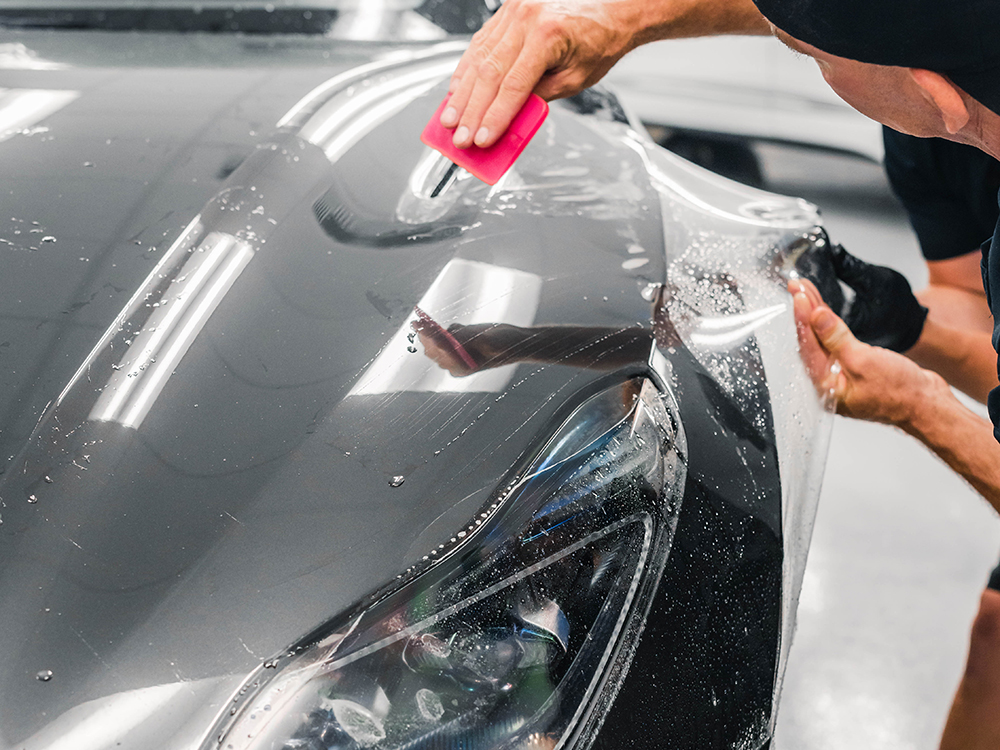
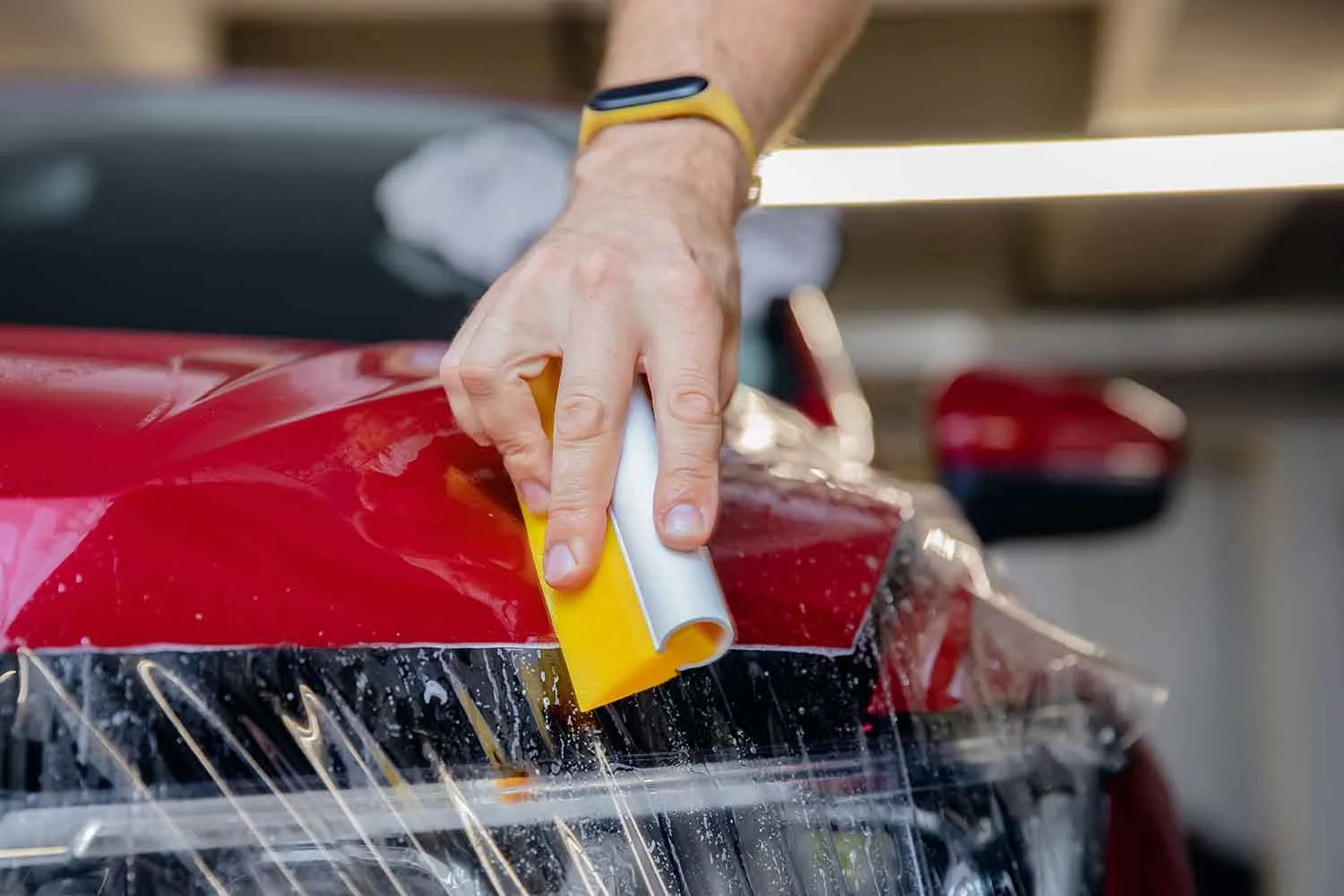
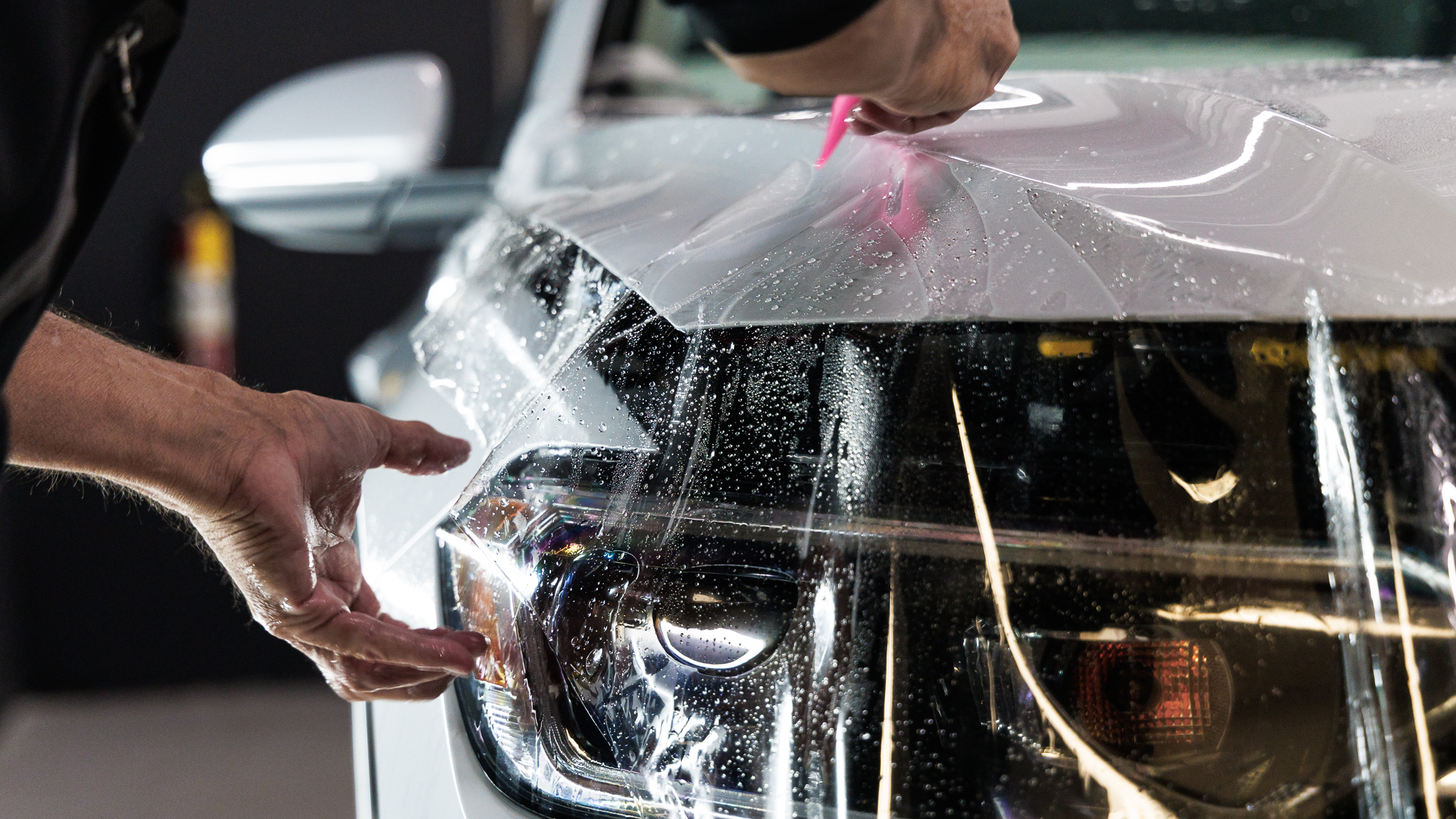
Self-healing PPF uses an engineered flexible surface layer that can reduce the appearance of light scratches when the material becomes warm. Professional Paint protection film service creates a sacrificial layer above the vehicle paint, allowing many minor scratches and abrasions to affect the film instead of the factory clear coat.
The key limitation is depth. Self-healing technology works on surface-level damage, not deep cuts, punctures, or scratches that physically penetrate the film.
How Does Self-Healing PPF Actually Work?
Self-healing PPF uses a flexible top layer capable of returning toward its original form after minor surface damage. Light scratches disturb this upper layer without removing a significant amount of material.
When the film warms, the surface becomes more flexible and shallow marks can smooth out. This is why the technology is called self-healing rather than scratch-proof.
How Does Self-Healing PPF in Little Rock Respond to Heat?
Self-healing PPF in Little Rock uses appropriate warmth to help the film's recoverable surface relax after light abrasion.
Heat may come from:
- Warm sunlight
- Ambient summer temperatures
- Warm water
- Controlled professional heating
Extreme temperatures are not necessary. Applying too much concentrated heat can damage the film, so a mark that does not respond should be inspected rather than repeatedly heated.
What Types of Scratches Can Self-Healing PPF Handle?
Self-healing works best on very shallow damage that remains within the film's upper surface.
Typical examples include:
- Fine wash marks
- Light swirl marks
- Towel marring
- Minor scuffs
- Shallow surface abrasions
These are very different from deep cuts. Once a sharp object physically separates the polyurethane, self-healing cannot recreate the missing material.
How Quickly Does Self-Healing Work?
There is no single healing time for every scratch. Film temperature, mark depth, product construction, film age, and environmental conditions all affect the response.
A fine surface mark may become much less noticeable once the panel warms. A pronounced groove that remains visible after normal heating is more likely to extend beyond the recoverable surface layer.
Does Self-Healing Mean PPF Cannot Be Scratched?
No. Self-healing film can still be cut, torn, gouged, or punctured by sufficiently strong contact.
The technology is intended to reduce minor cosmetic wear, not protect against every possible impact. Sharp road debris or aggressive contact can still damage the film.
Why Is Self-Healing Useful for Daily Drivers?
Daily driving creates repeated opportunities for minor surface contact. Washing, drying, road debris, dust, and light abrasion can gradually leave marks on an exposed surface.
Self-healing PPF provides two advantages:
- Minor marks affect the replaceable film first
- Some shallow marks can recover without polishing the factory paint
That combination can help the protected finish maintain a cleaner appearance.
Does PPF Need Direct Sunlight to Heal?
No. The film needs suitable warmth rather than sunlight itself.
Sunlight is useful because it naturally warms the panel, but other appropriate heat sources may activate the same response. Any assisted heating should follow the film manufacturer's guidance.
Does Self-Healing Still Work in Cold Weather?
Yes, although it may happen more slowly while the film remains cold. Lower temperatures reduce the flexibility of the material.
Once the film warms, suitable light marks may still recover. Cold weather does not permanently disable self-healing technology.
Can Self-Healing PPF Protect Against Rock Chips?
Yes, but the film's rock-chip protection comes mainly from its thickness and flexible polyurethane construction rather than the self-healing top layer alone.
The two functions work differently:
- The film body helps absorb physical impacts
- The self-healing surface helps recover from light cosmetic marks
A severe rock impact can still cut or puncture the PPF.
Can PPF Heal a Scratch That Reaches the Paint?
No. Once the damage passes through the PPF and reaches the vehicle's clear coat or paint, the film cannot repair what is underneath.
At that point, the area should be inspected to determine whether:
- Only the PPF was damaged
- The clear coat was marked
- The paint was chipped
- The film needs replacement
Even when the PPF is damaged, it may have reduced the severity of the impact to the paint.
Can Self-Healing PPF Work More Than Once?
Yes. Quality self-healing film is designed to recover from repeated light surface marks during normal use.
However, PPF still ages through:
- UV exposure
- Washing
- Heat cycles
- Environmental contamination
- General physical wear
Older film may not respond exactly like newly installed PPF.
Can Matte PPF Self-Heal?
Yes. Premium matte and satin PPF can also use self-healing surface technology.
This is useful because matte film should not generally be aggressively polished. Polishing can change its texture and create shiny areas, so self-healing provides a better way to deal with certain light surface marks.
Does Ceramic Coating Stop Self-Healing?
A compatible ceramic coating should not prevent quality PPF from functioning as intended. The coating mainly adds hydrophobic behavior, slickness, and easier maintenance.
The ceramic layer does not become the self-healing surface itself. Film and coating compatibility should still be confirmed before application.
Why Is PPF for Light Scratches Useful?
PPF for light scratches places a replaceable sacrificial surface above the original clear coat. A minor wash mark on PPF affects the film instead of directly damaging factory paint.
That distinction matters because vehicle clear coat is finite. Repeated paint correction removes small amounts of clear coat, while self-healing PPF can allow some superficial marks to improve without polishing the original finish.
FAQs About Self-Healing PPF
Can a hair dryer activate PPF self-healing?
It is better to follow the film manufacturer's guidance because concentrated or excessive heat can damage the PPF or nearby surfaces.
Does self-healing remove water spots?
No. Water spots are caused by mineral deposits or chemical etching rather than shallow scratches.
Can wax interfere with self-healing film?
Incompatible products may affect surface behavior, so only products suitable for the specific PPF should be used.
Can damaged self-healing PPF be replaced after an accident?
Yes. After any body or paint repairs are completed and cured, replacement PPF can be installed on the repaired section.
Does old PPF self-heal as effectively as new film?
Not always. Years of environmental exposure and wear can gradually affect the film's performance.
Self-Healing Works on the Marks It Was Designed to Handle
Self-healing PPF is designed to reduce light scratches, swirl marks, and minor abrasions when the film receives suitable warmth. Deep cuts and punctures remain outside the limits of the technology.
For professional paint protection film in Little Rock, Extreme Clean Mobile Detailing installs SunTek PPF with self-healing technology designed for light scratches and abrasions. Its 5 Star Google rating provides an additional trust signal for local vehicle owners. To discuss suitable PPF coverage for your vehicle, contact us.
Get a quote
What happens next?
Fill out all the info and we will contact you via email within 24 hours or feel free to call or text.
BY APPOINTMENT ONLYSat: Closed
Sun: Closed